Trying to decide between the Beverly Hills Flats and the Hills? The choice shapes your daily routine, what you maintain, and how your home holds value over time. You want the right mix of convenience, privacy, and smart due diligence before you write an offer. This guide breaks down lifestyle, property features, costs, risk factors, and a buyer checklist so you can move forward with clarity. Let’s dive in.
Flats vs Hills at a glance
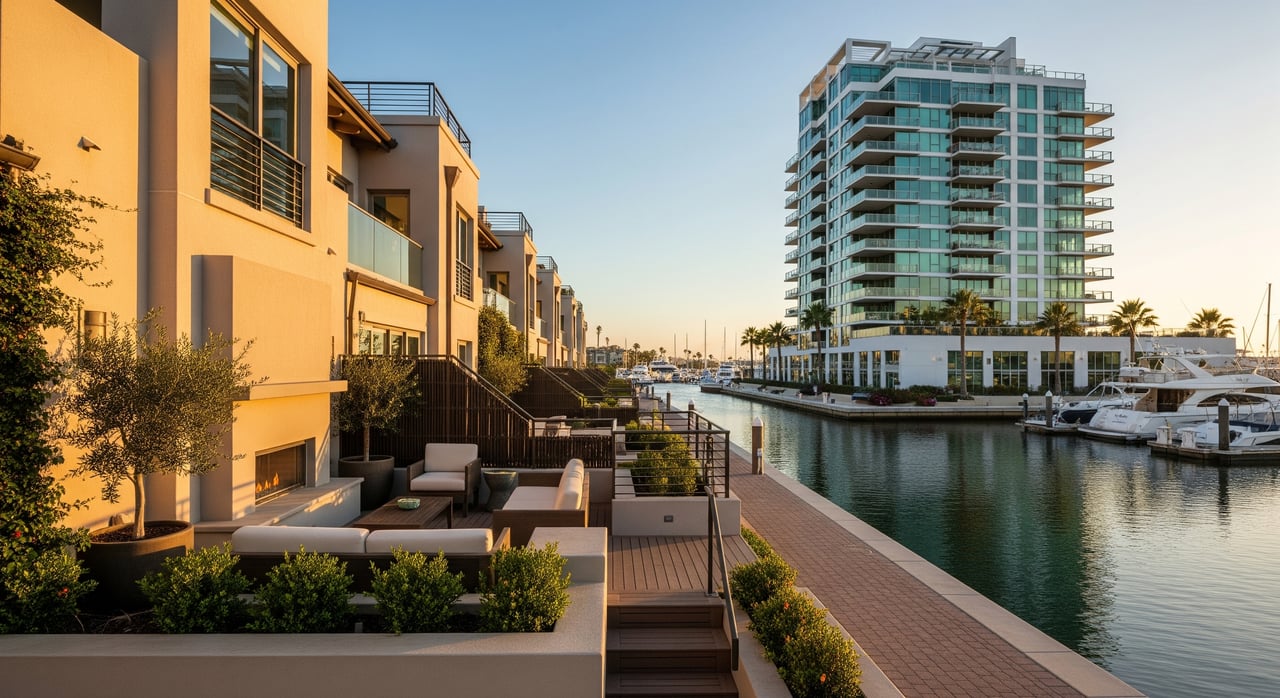
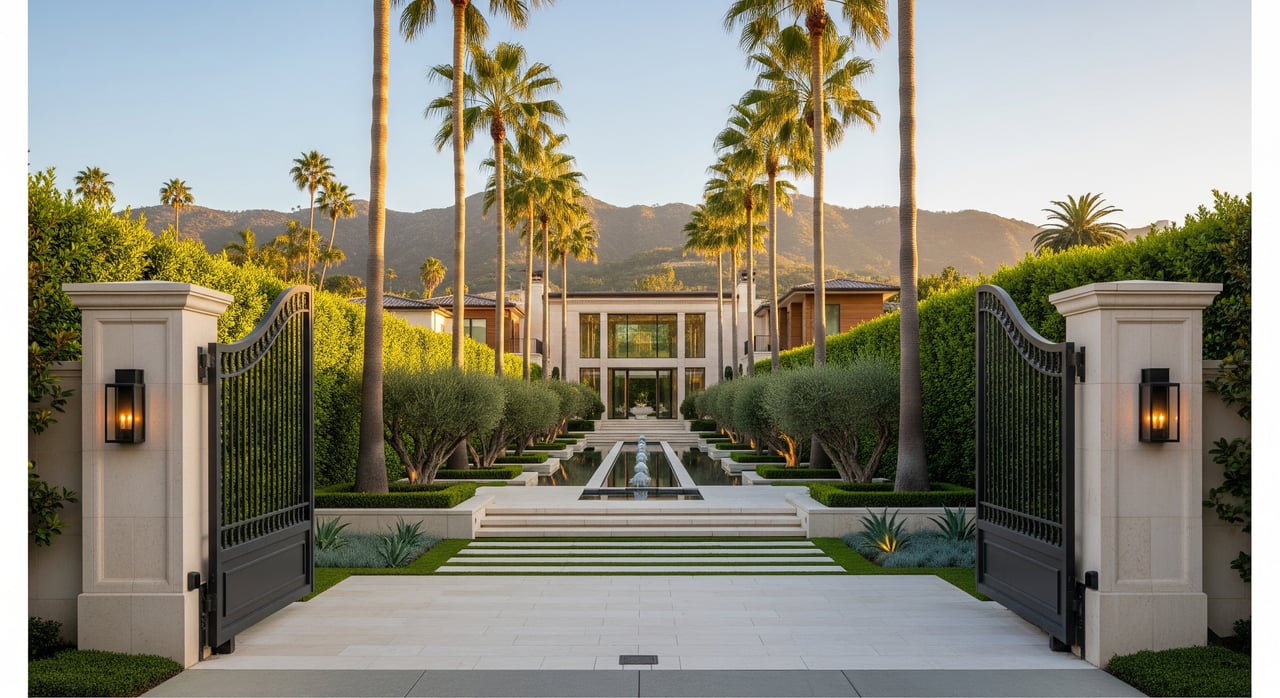
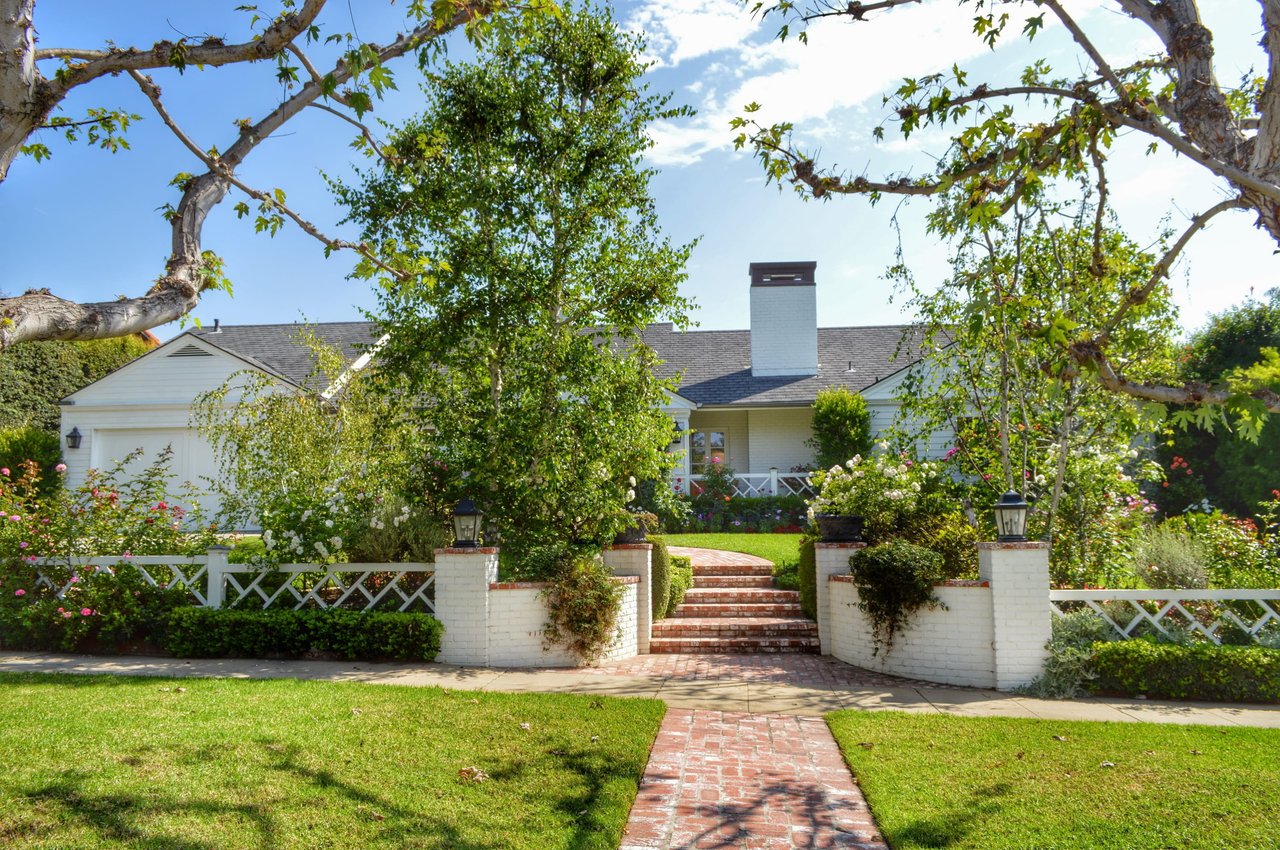
- Flats: Lower elevation, gridded streets near Wilshire and Santa Monica Boulevards and commercial corridors like Rodeo Drive and North Beverly Drive. More walkable and level parcels.
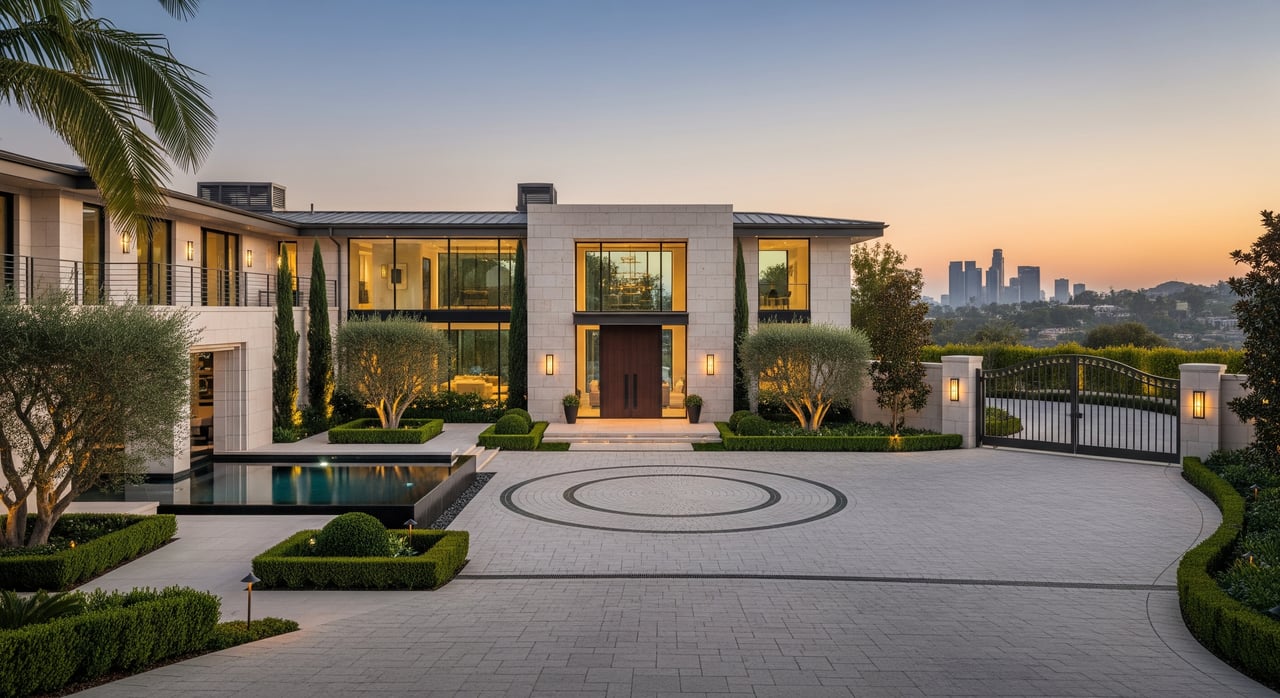
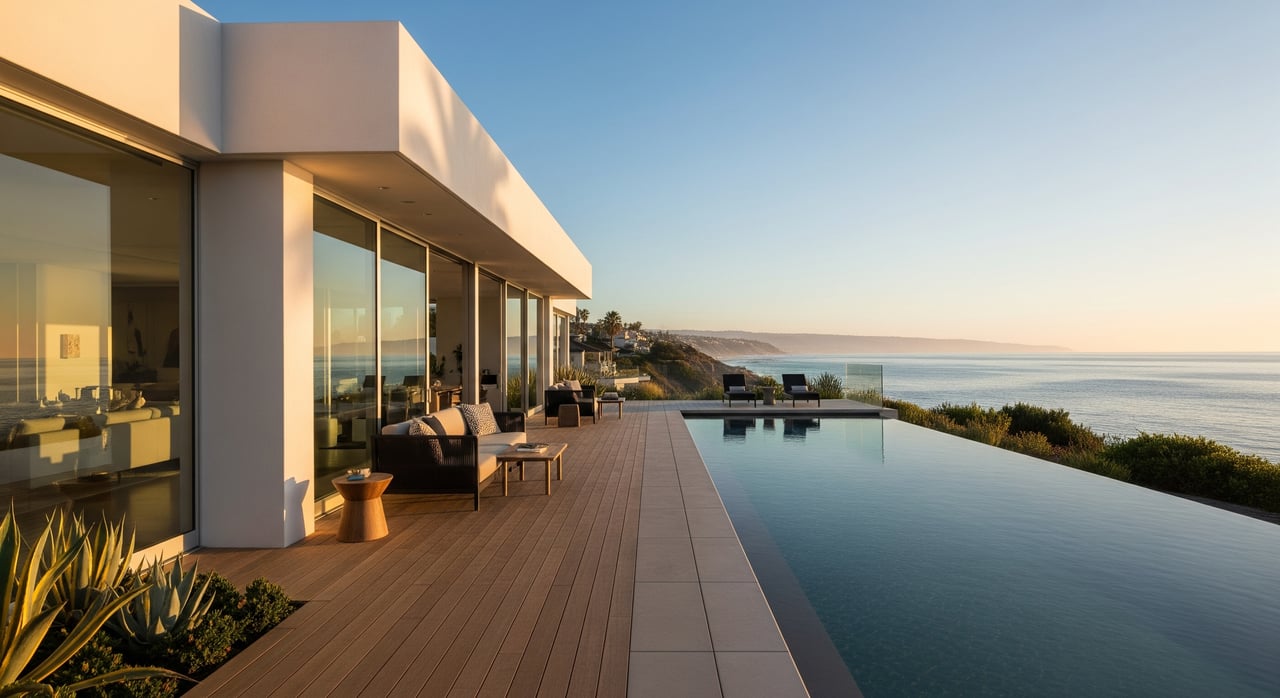
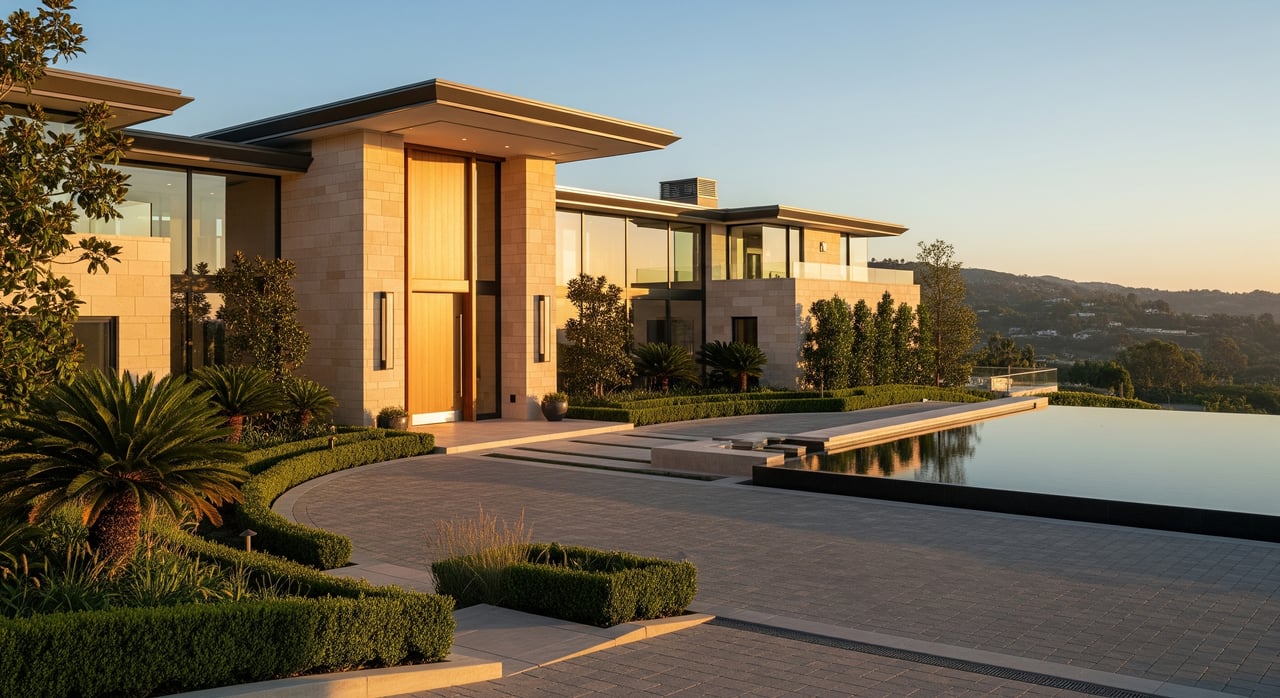
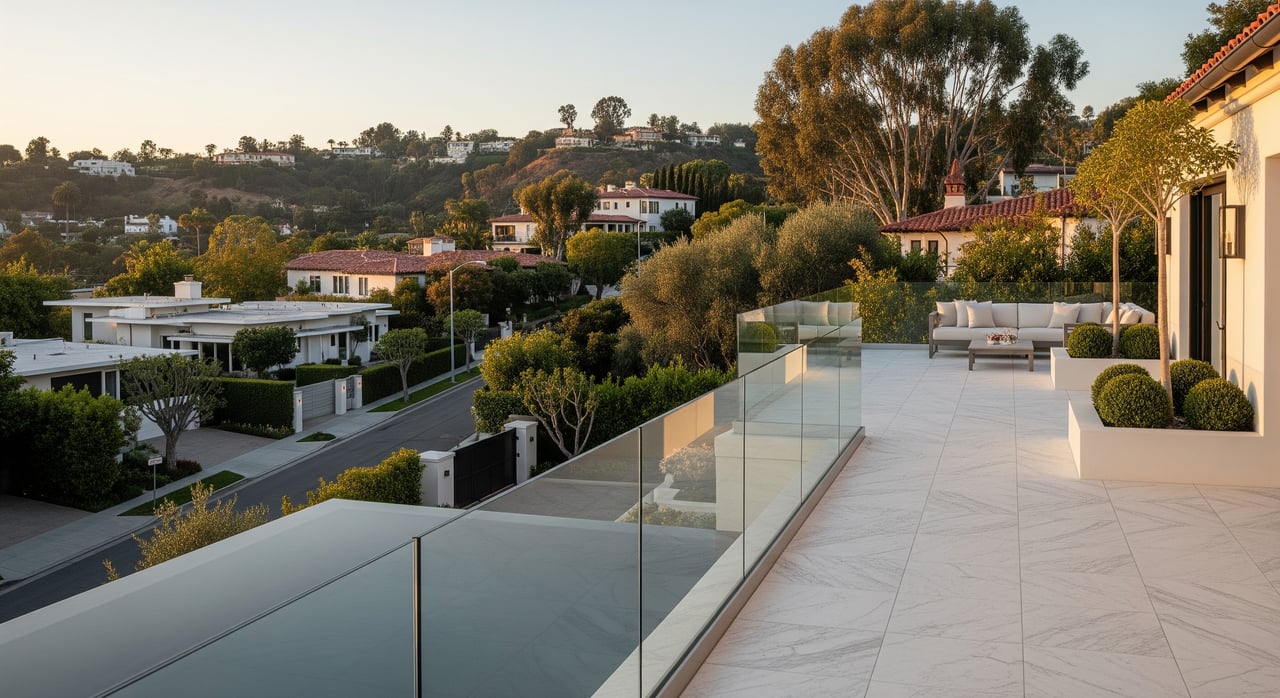
- Hills: Higher elevation north and west of the Flats. Winding roads, steeper topography, and greater seclusion with many luxury estates.
- Why it matters: Micro-location affects daily life, inspections, permit complexity, insurance, and resale considerations.
Location and layout basics
In the Flats, parcels are often rectangular and easier to compare. Streets are level and access is simple for cars, guests, and service providers. If you value quick errands, the Flats usually put you closer to shops and dining.
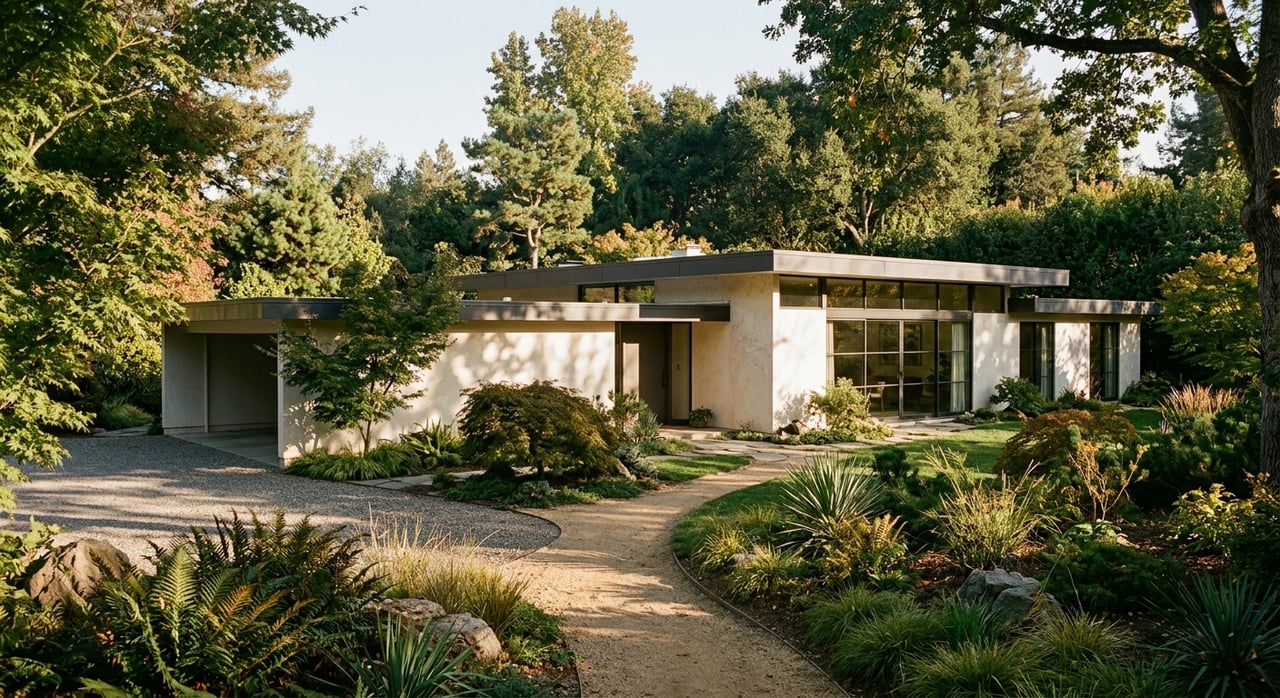
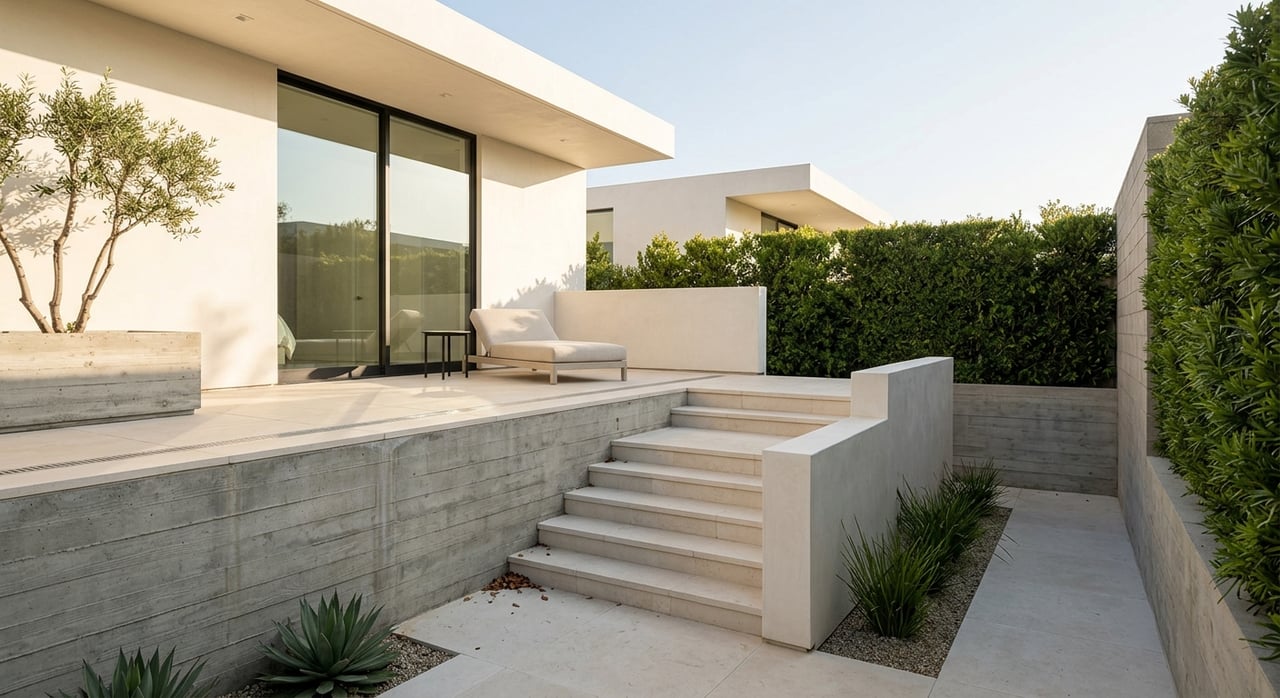
In the Hills, lot shapes are more irregular due to slopes. You will often see terracing, retaining walls, and longer driveways. The seclusion and elevation are major draws for privacy-minded buyers.
Daily living and access
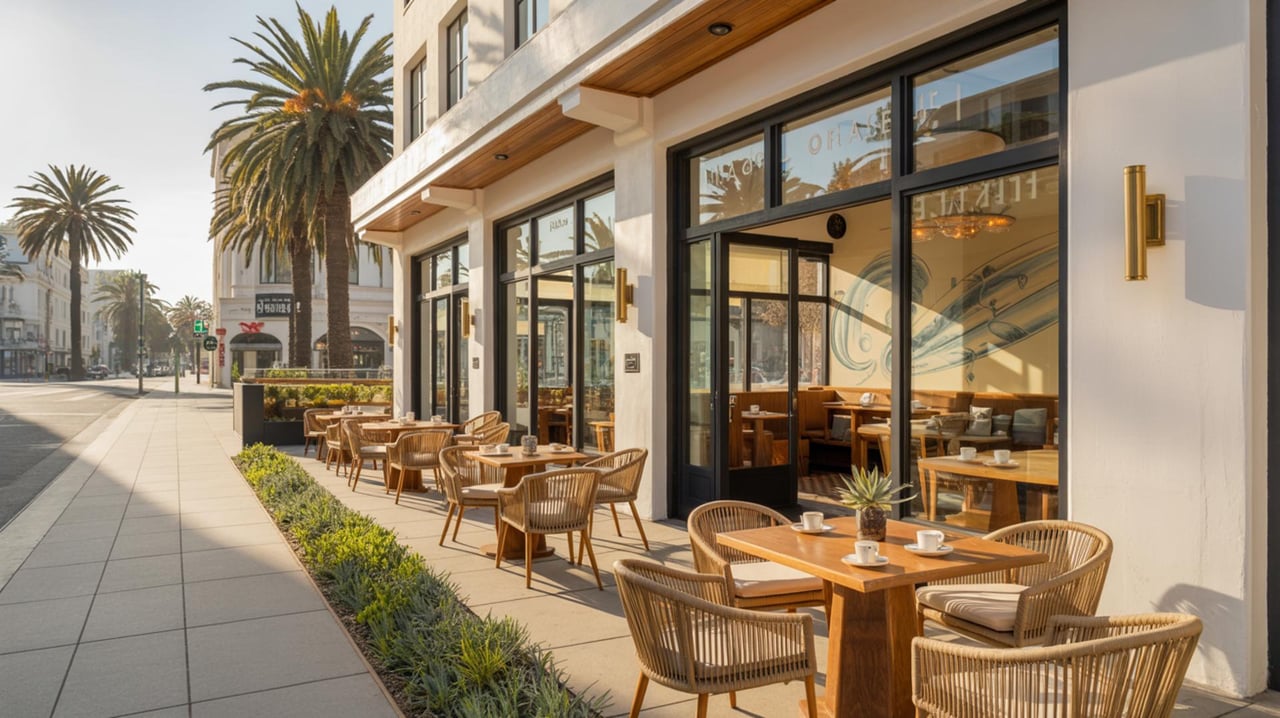
The Flats make walking to coffee, restaurants, and retail more practical. Level streets and shorter driveways simplify day-to-day life. You also tend to have better on-street parking options.
In the Hills, you trade walkability for quiet and privacy. Expect narrower streets, more switchbacks, and longer drive times for errands. Guest parking can be tight on some hillside blocks, so plan for on-site solutions.
Lot size and outdoor space
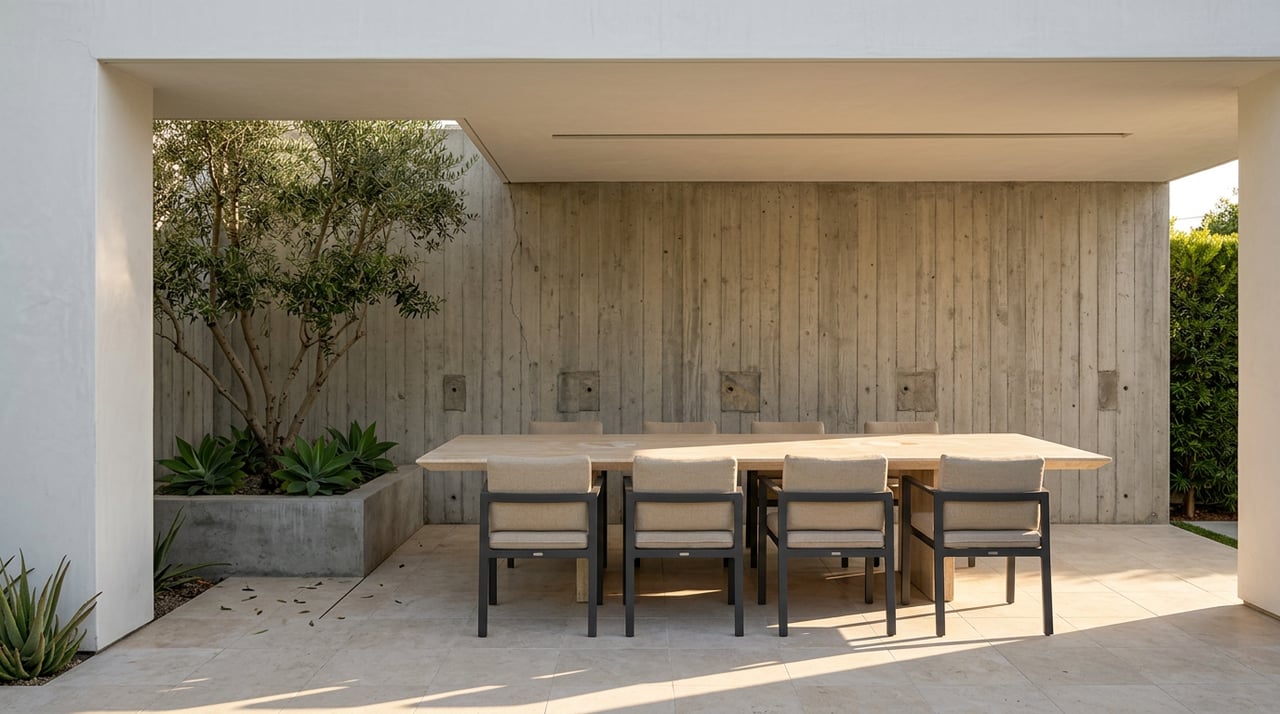
Flats parcels usually offer level yards that are easier for play areas, pools, and outdoor rooms without complex grading. The usable space is straightforward and often easier to maintain.
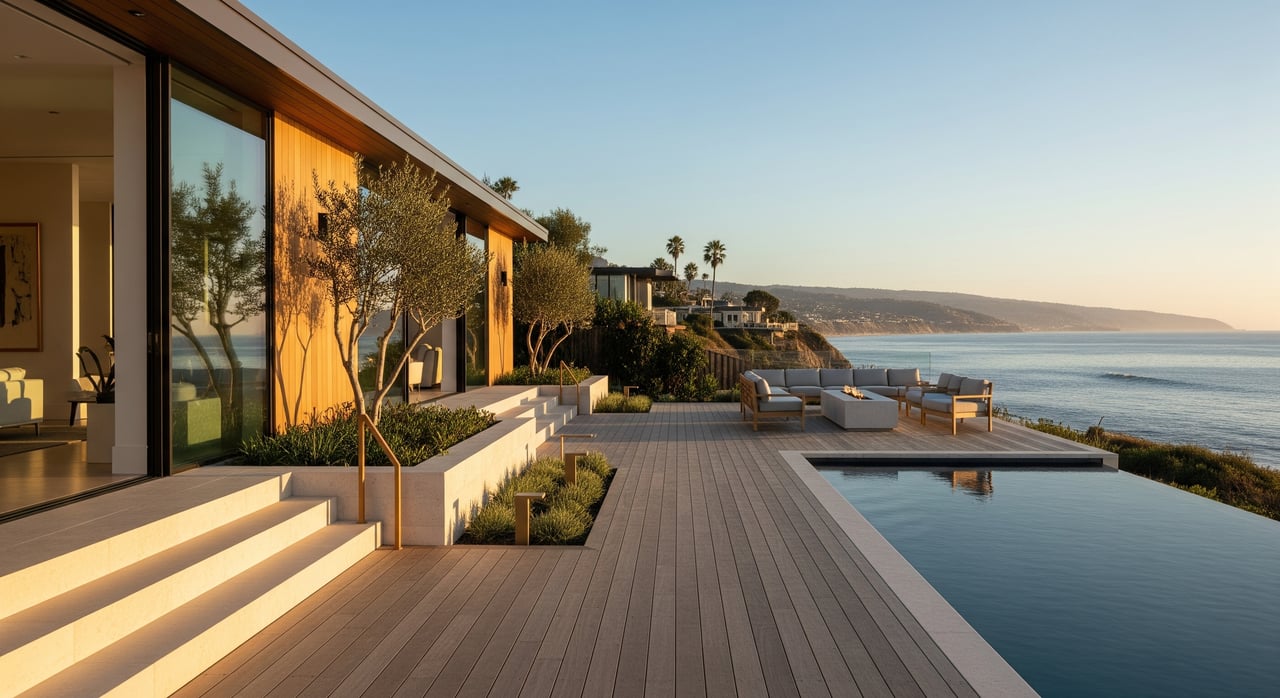
Hills lots can be larger but segmented by slope. You may gain expansive terraces or layered gardens, yet these often require engineered walls and irrigation tailored to the terrain. Always verify retaining wall permits and maintenance history.
Light, views, and privacy
In the Hills, elevation can deliver long views and generous daylight exposure. Views are a major value driver but can change as trees grow or neighbors remodel. Unless a recorded view easement exists, views are not guaranteed.
In the Flats, you typically get even daylight and a consistent street presence. Privacy can be lower at street level, though thoughtful landscaping can help.
Parking and circulation
Flats homes commonly have shorter driveways and easier street parking. Condominiums and smaller multifamily buildings in the Flats may rely on street or structured parking.
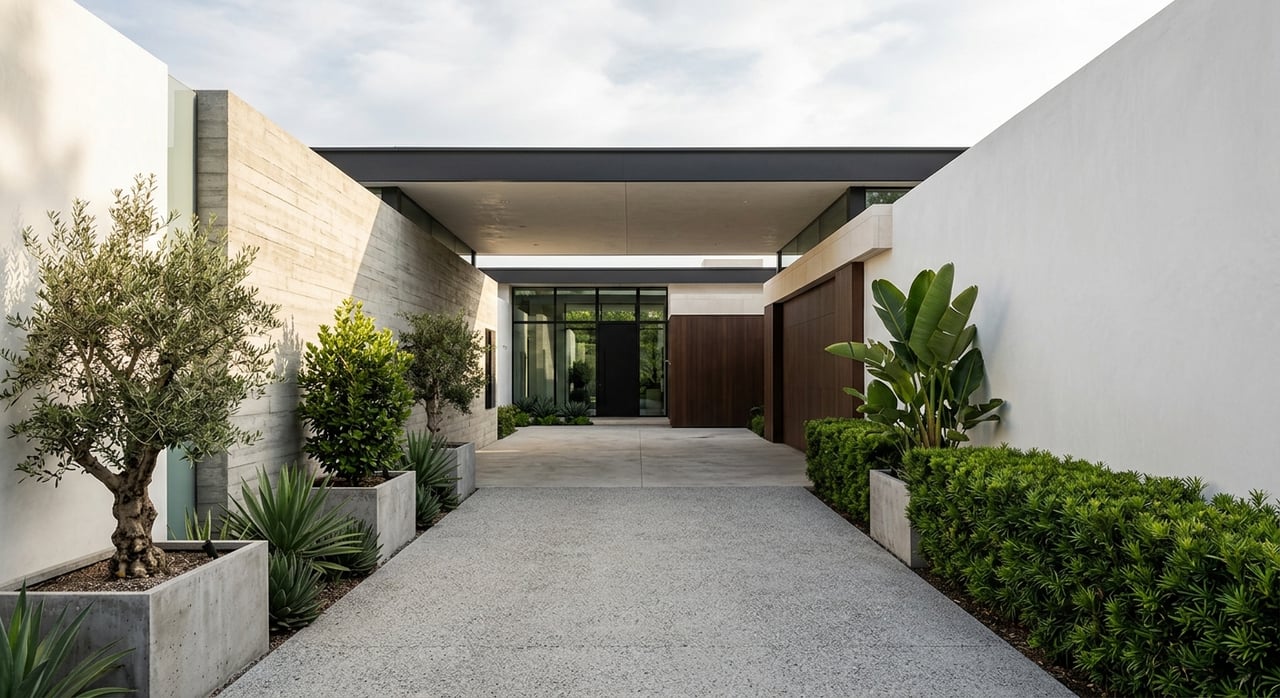
Hills properties often include longer driveways and larger garages. Narrow streets can limit guest parking, which matters if you entertain. Consider how delivery trucks, movers, and construction crews will access the site.
Landscaping and drainage
In the Flats, landscape care is usually more conventional and drainage is simpler. You still want a clear plan for stormwater management, especially in heavy rain.
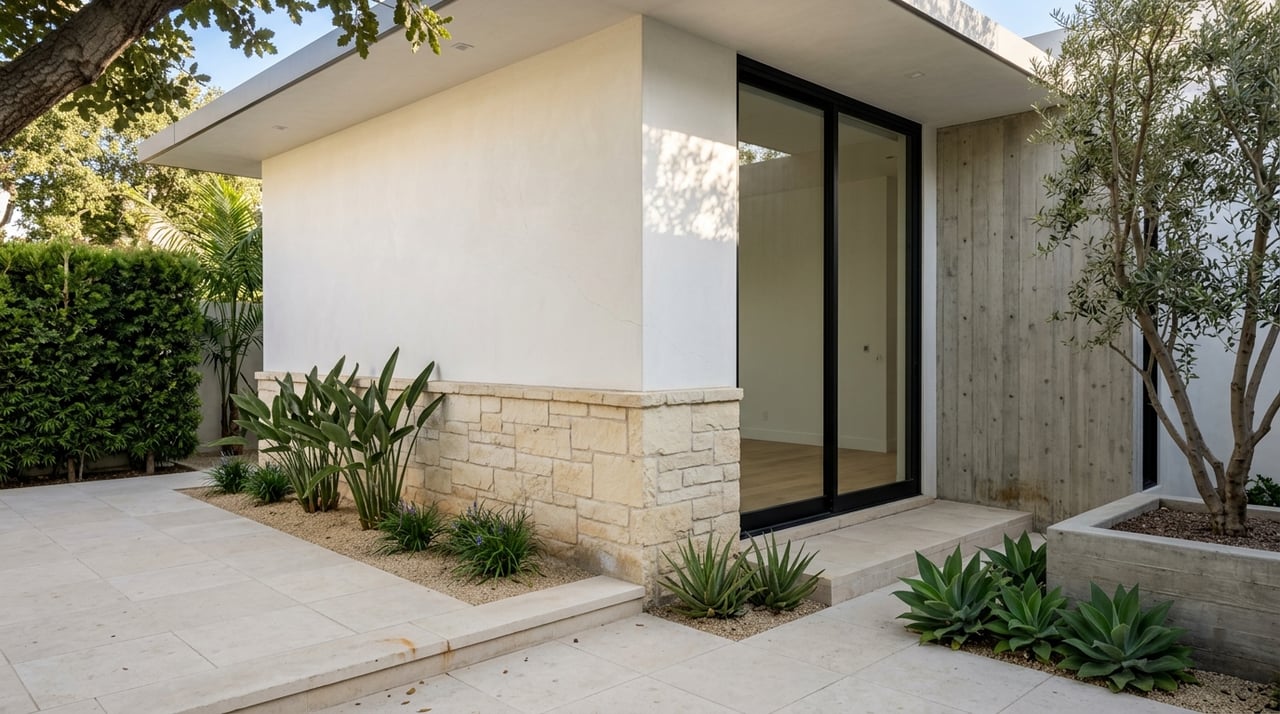
In the Hills, slope-specific landscaping is the norm. Terracing, erosion control, and engineered drainage reduce risk. Retaining walls, irrigation, and slope stabilization call for ongoing inspection and proactive upkeep.
Costs and value drivers
Hills homes often trade at a premium tied to privacy, lot exclusivity, and view potential. In many California markets, a view premium can register in the double digits, depending on view quality and lot usability. The buyer pool may be narrower, yet landmark architecture or exceptional views can command outsized prices.
Flats homes benefit from more predictable comparables and broader appeal. The standardized streets and proximity to amenities can aid liquidity and streamline appraisal.
Maintenance and capital needs differ. In the Hills, budget for retaining-wall work, specialized landscaping, drainage systems, and potentially more complex structural elements. In the Flats, exterior upkeep is typically less specialized, which can help control ongoing costs.
Insurance and utilities require a closer look. Hillside underwriting may be more stringent because of slope, brush, or access considerations. Flats in low-lying areas can face a different profile related to surface-water drainage or mapped floodplains. Verify coverage needs and secure quotes during escrow. Most properties connect to municipal sewer in Beverly Hills, but confirm connections and any utility easements as part of due diligence.
Permitting and remodels also vary. Hills projects often require grading permits, engineered foundations, and geotechnical reports that add time and cost. Flats remodels generally face fewer slope-related permits and simpler logistics.
Risks and regulations
- Hillside and soils considerations: For hillside purchases, a geotechnical or soils report is wise to assess slope stability and earthwork needs. Confirm permit history for retaining walls and terrace structures.
- Fire and brush management: Hillside parcels near vegetation may face stricter brush clearance and defensible-space rules. Review local requirements and landscaping restrictions before closing.
- Flood and drainage: Flats near lower areas can have surface-water concerns. Review available flood mapping and request drainage documentation.
- Earthquake and geology: All of Beverly Hills is in a seismically active region. Hillside homes can face landslide or slope-failure exposure depending on site geology and drainage. Seek site-specific data when warranted.
- Zoning and hillside ordinances: Hillside development in Beverly Hills is guided by specific rules on grading, lot coverage, setbacks, and tree protections. Some projects may involve discretionary review and extended timelines.
- Easements and view rights: Recorded easements control access and obligations. View rights are not automatic. Confirm any covenants or agreements that affect trees, views, or maintenance.
Buyer checklist
Use this quick list to keep your purchase on track:
- Full home inspection, plus roof, foundation, and termite reports
- For Hills: geotechnical or soils report to evaluate slope and drainage
- Permit history for retaining walls, grading, and major structural work
- Current drainage plan with evidence of functioning stormwater measures
- Landscape and brush management obligations if near hillside vegetation
- HOA or private road agreements and any shared maintenance terms
- Title review for easements, access rights, and any view or tree covenants
- Utility confirmations, including sewer connection and any easements
- Insurance quotes for property, earthquake, and supplemental coverages
How to choose
You may prioritize the Flats if you want convenience, walkability, and more predictable maintenance. The Flats often appeal to a broader buyer pool, which can help on resale. Proximity to commercial corridors and services shortens errands and reduces day-to-day friction.
You may prioritize the Hills if privacy, views, and estate-style settings are top of mind. You accept higher maintenance and potentially more complex permitting and insurance. For some buyers, the seclusion and setting are well worth the tradeoffs.
If schools factor into your decision, Beverly Hills is served by the Beverly Hills Unified School District. Confirm boundaries and any attendance details directly with the district as part of your planning.
Next steps
Both the Flats and the Hills offer a distinct Beverly Hills experience. Your decision should fit how you live today and how you want your home to perform long term. A tailored search, early vendor outreach, and documented due diligence can help you buy with confidence in either micro-area.
If you would like neighborhood-level guidance, off-market access, and a clear plan for inspections and permits, connect with Gina Martino for discreet, 1:1 representation.
FAQs
What is the difference between the Flats and the Hills in Beverly Hills?
- The Flats are lower-elevation, gridded streets near major corridors with level lots and strong walkability. The Hills are higher-elevation, winding streets with steeper topography, more seclusion, and many estate properties.
Are Beverly Hills Hills homes always more expensive than the Flats?
- Not always, but Hills homes often command a premium linked to privacy, lot exclusivity, and view potential. Condition, lot usability, and proximity to amenities also influence price.
How does walkability compare between the Flats and the Hills?
- The Flats generally score higher on walkability and quick access to dining and retail. The Hills offer more privacy but usually require longer drives for errands.
Will my view last if I buy in the Hills?
- Views can change as trees grow or neighbors remodel. Unless a recorded view easement exists, there is no guaranteed legal right to a view.
Do hillside homes face different insurance requirements?
- Underwriters may scrutinize slope, brush exposure, and access. Get property, earthquake, and any needed supplemental quotes during escrow based on the specific site.
Should I worry about landslides when buying in the Hills?
- Risk varies by site geology, slope angle, and drainage. A geotechnical or soils report is the right way to evaluate site-specific risk before you remove contingencies.
Are Flats properties at flood risk in Beverly Hills?
- Some lower or flat areas can face surface-water drainage issues or mapped flood zones. Review flood mapping and obtain drainage documentation during due diligence.