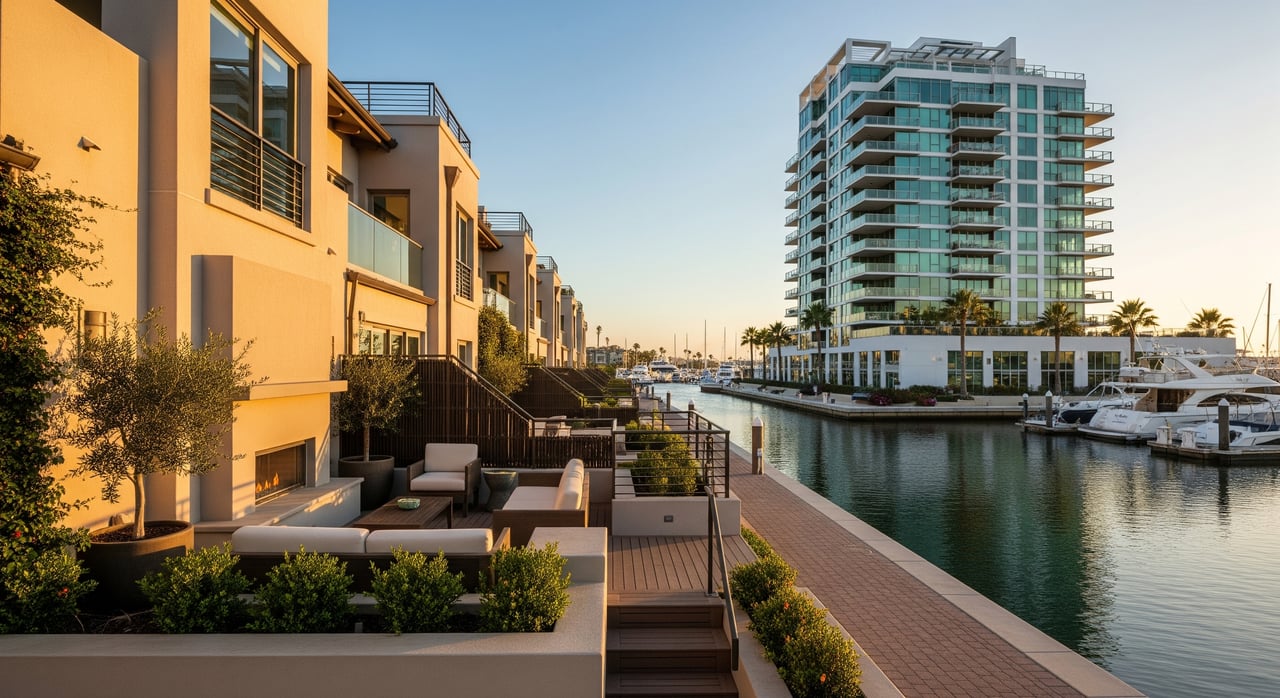
Deciding between a condo and a townhome in Marina del Rey can feel like choosing between two great versions of the coastal lifestyle. You might want easy, low-maintenance living near the harbor, but you may also love the privacy and storage that comes with a more house-like layout. The good news is that you can find both options here — each with tradeoffs in ownership, costs, amenities, and day-to-day life. This guide walks you through how each fits in Marina del Rey, what to look for in HOAs and insurance, and a clear checklist to buy with confidence. Let’s dive in.
Condo vs. townhome basics
What you own
- Condos: You own the interior of your unit and share ownership of the building’s common elements like the exterior, land, parking, and amenities.
- Townhomes: You often own the unit and the land it sits on. Some townhome communities are legally structured as condos, so the legal form matters.
How maintenance works
- Condos: HOAs typically handle exterior maintenance, roofs, and common systems. You handle your interior.
- Townhomes: Responsibility varies. Some HOAs cover roofs and exterior paint, while others expect you to maintain most of the structure and any yard spaces. Always confirm in the CC&Rs.
Insurance at a glance
- Condos: Owners usually carry an HO-6 policy for interiors, personal property, and loss assessment. The HOA’s master policy covers common areas and often the building shell.
- Townhomes: If you own the structure, you may need a dwelling policy similar to an HO-3. In projects where the HOA insures exteriors, an HO-6 may still be appropriate. Review policies for gaps.
Marina del Rey lifestyle factors
Waterfront access and walkability
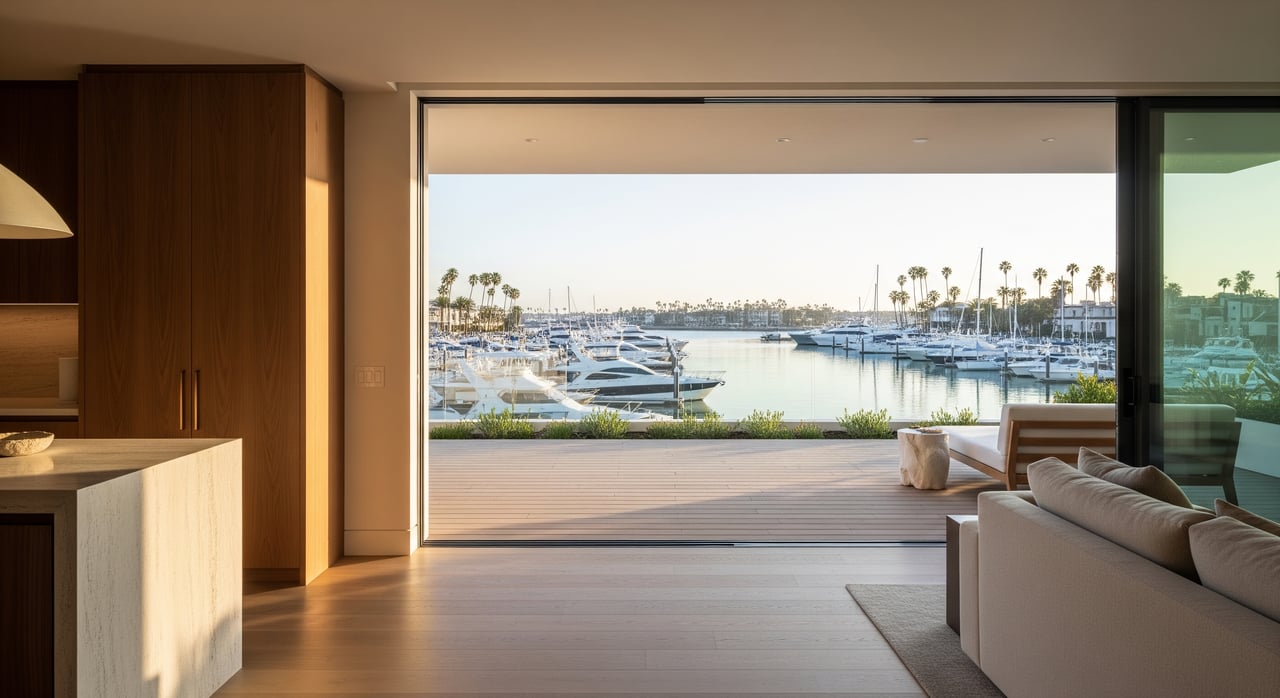
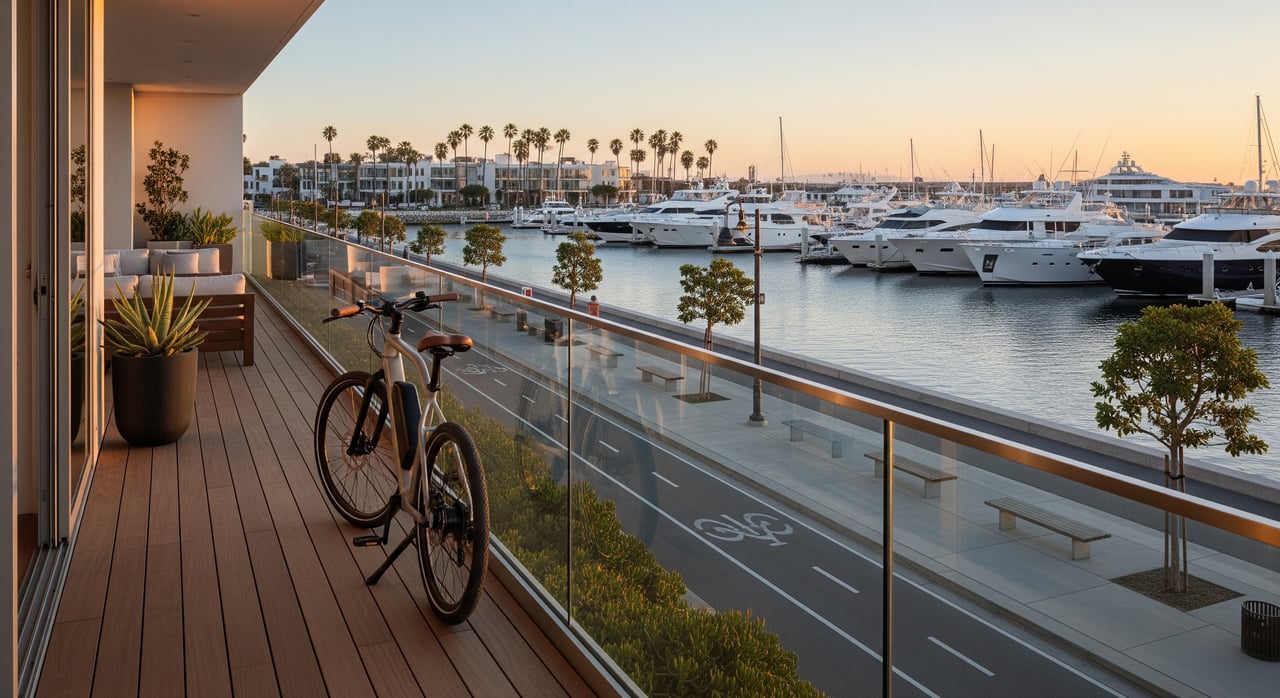
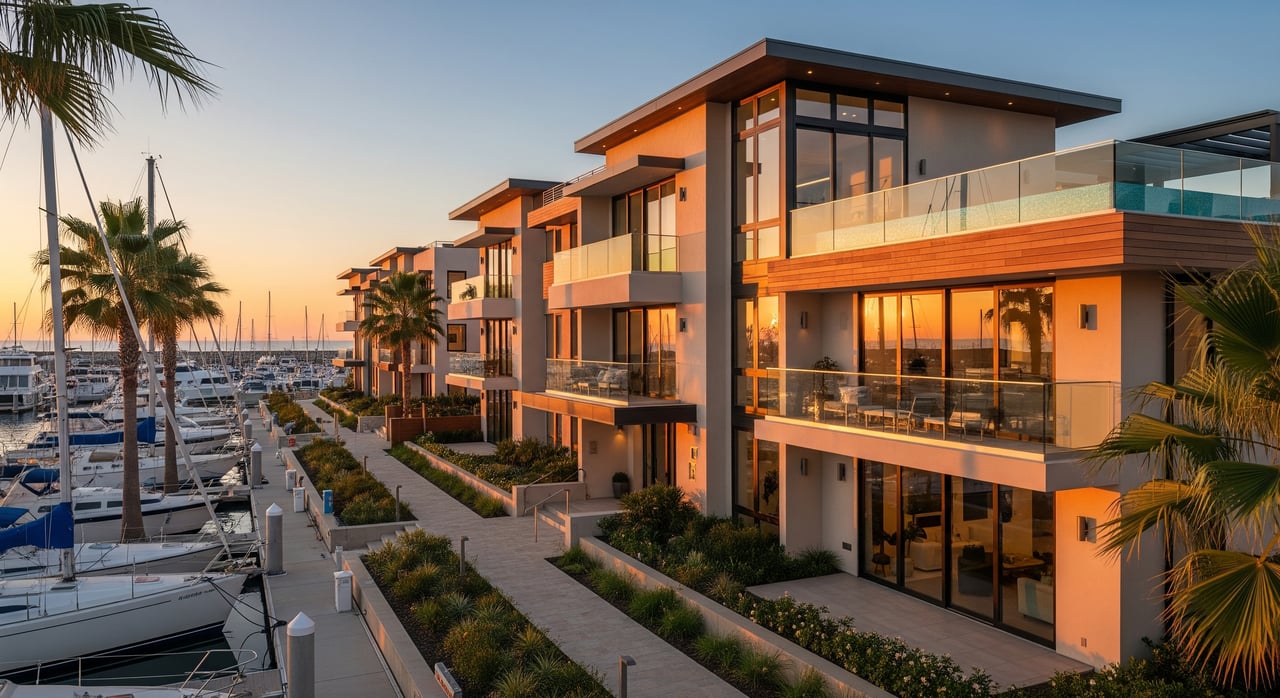
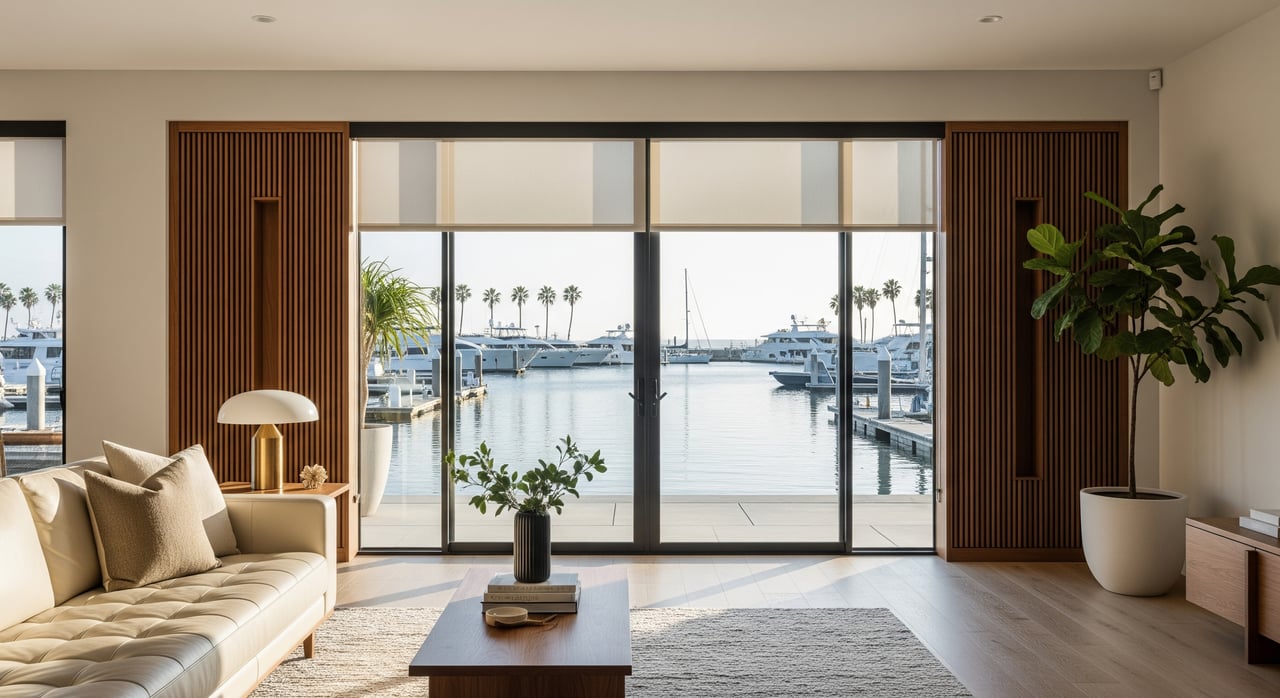
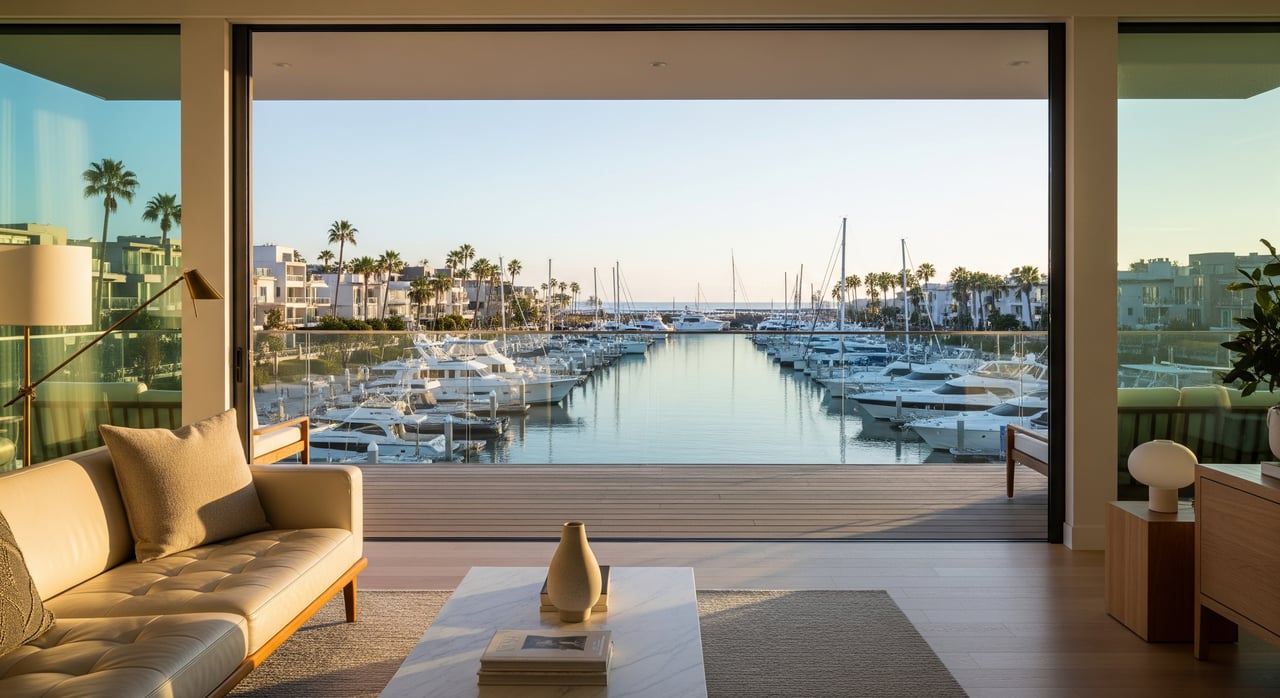
Condos in Marina del Rey often feature harbor views and easy access to the promenade, restaurants, and bike paths. Townhomes tend to cluster slightly inland or in low-density settings that feel more private but may offer fewer direct water views. Think about whether daily access to the marina edge or a quieter, neighborhood feel matters more to you.
Noise and activity
Blocks near the marina, Admiralty Way, and popular restaurants can feel lively with boating events and visitor traffic. If you prefer a calmer setting, a townhome cluster off the busiest corridors may suit you. If you enjoy an active atmosphere, a condo near the waterfront could be perfect.
Parking and EV charging
Covered, assigned parking is valuable here, and street parking is limited in some pockets. Ask for the building’s parking map, guest parking policy, and any EV charging rules or installation guidelines. If you need a private garage and storage, townhomes often have the edge.
Salt air and upkeep
Coastal salt accelerates wear on balconies, railings, HVAC, and plumbing finishes. This makes HOA reserve planning and maintenance history important in both condos and townhomes. Ask about past balcony or waterproofing work and the building’s approach to corrosion and exterior upkeep.
Flooding and long-term coastal risk
Parts of Marina del Rey are low-lying. You should review current flood maps, elevation details, and the availability and cost of flood insurance. Long-term coastal planning and sea-level considerations can affect carrying costs and resale.
Boat slips and marina access
Boat slips are typically managed by county and harbor authorities rather than conveyed with a unit. If a boat is part of your plan, verify current slip procedures, waitlists, and lease terms with the local authority.
Cost, HOA and financing
Understanding HOA dues
HOA fees vary widely based on amenities and included services such as water, trash, security, and building insurance. High-amenity waterfront condos often carry higher dues. That said, some townhome communities with exterior coverage or robust landscaping can also have sizable fees. Compare what is included rather than focusing on the label.
Reserve health and special assessments
Request the reserve study and recent financials. Low reserves or a history of special assessments can signal risk for future costs. Read recent HOA meeting minutes for upcoming capital projects, deferred maintenance, or litigation.
Financing differences
Condo loans can require project approval and have rules tied to owner-occupancy, investor concentration, and litigation status. This can add time or conditions to your loan. Townhomes often underwrite more like single-family homes if they are fee simple. If a townhome project is legally a condominium, it may be treated like a condo by lenders. Speak with a lender early to confirm requirements.
Insurance and risk in a coastal market
Master policies and your coverage
For condos, the HOA’s master policy may be bare walls-in or single entity. Your HO-6 should fill gaps for interiors and improvements. For townhomes where you own the structure, a dwelling policy is usually needed to insure exterior components. Ask for the HOA’s insurance declaration page and align your policy accordingly.
Earthquake and flood insurance
Standard policies in California do not include earthquake coverage. Consider quotes based on your risk tolerance and building type. Coastal proximity can also make flood insurance important, and a lender may require it depending on the flood zone. Budget for these policies early so your monthly costs are accurate.
Loss assessment exposures
If the HOA’s master policy limits are low, owners can face higher special assessments after major incidents. Confirm master policy limits and whether your HO-6 includes loss assessment coverage.
Amenities and building types you will see
Condos in Marina del Rey
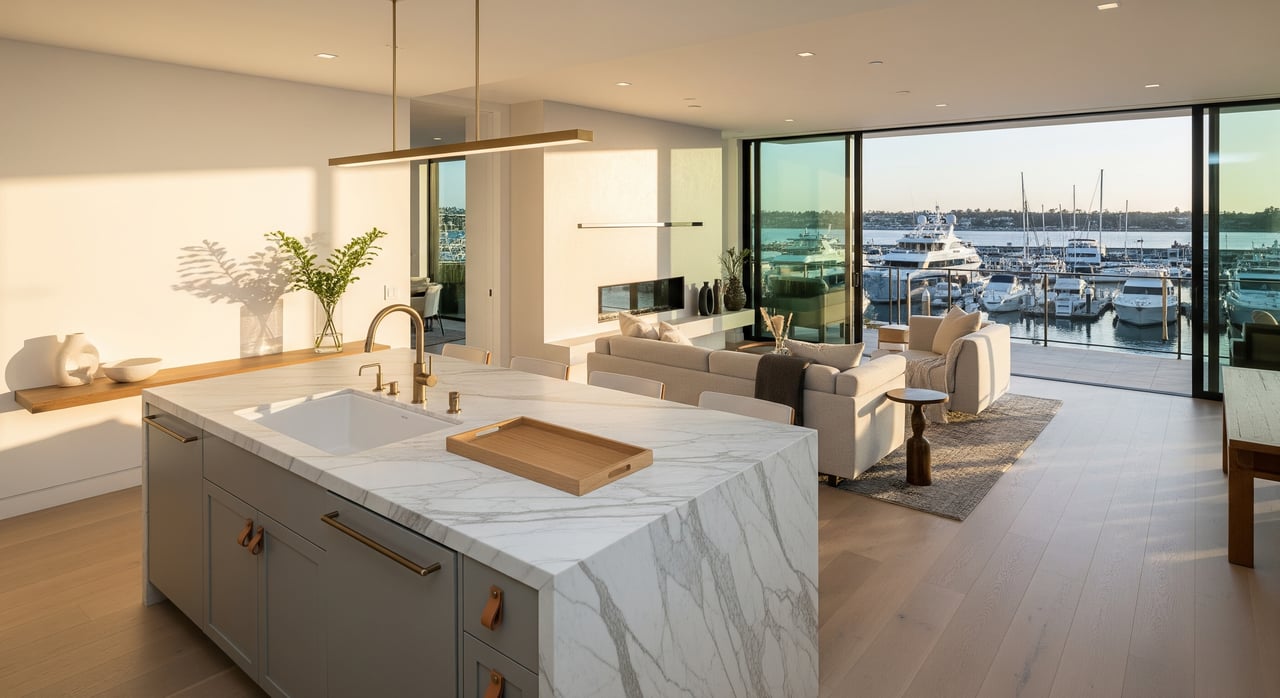
Expect a mix of boutique mid-rise buildings and larger luxury properties. Amenities often include pools, hot tubs, fitness centers, secured parking, and in higher-end buildings, concierge or doorman services. Older buildings may predate some modern systems or upgrades, so review recent improvements and building reports.
Townhomes in Marina del Rey
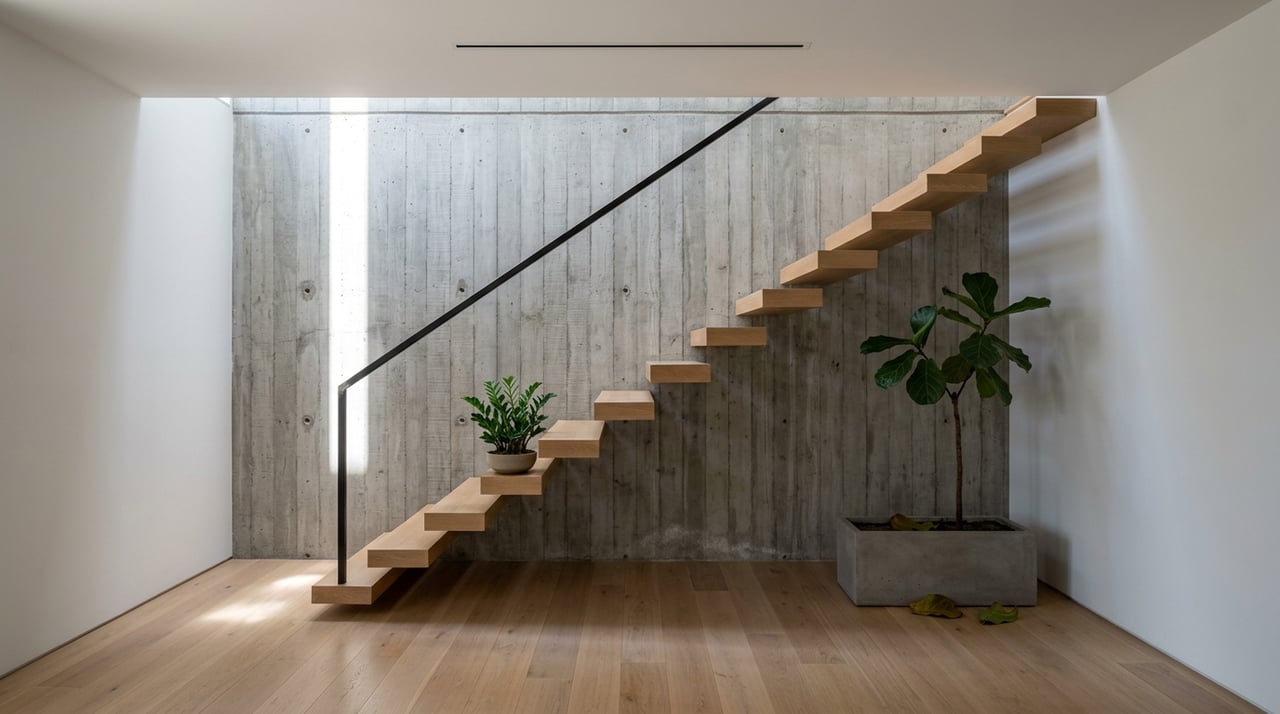
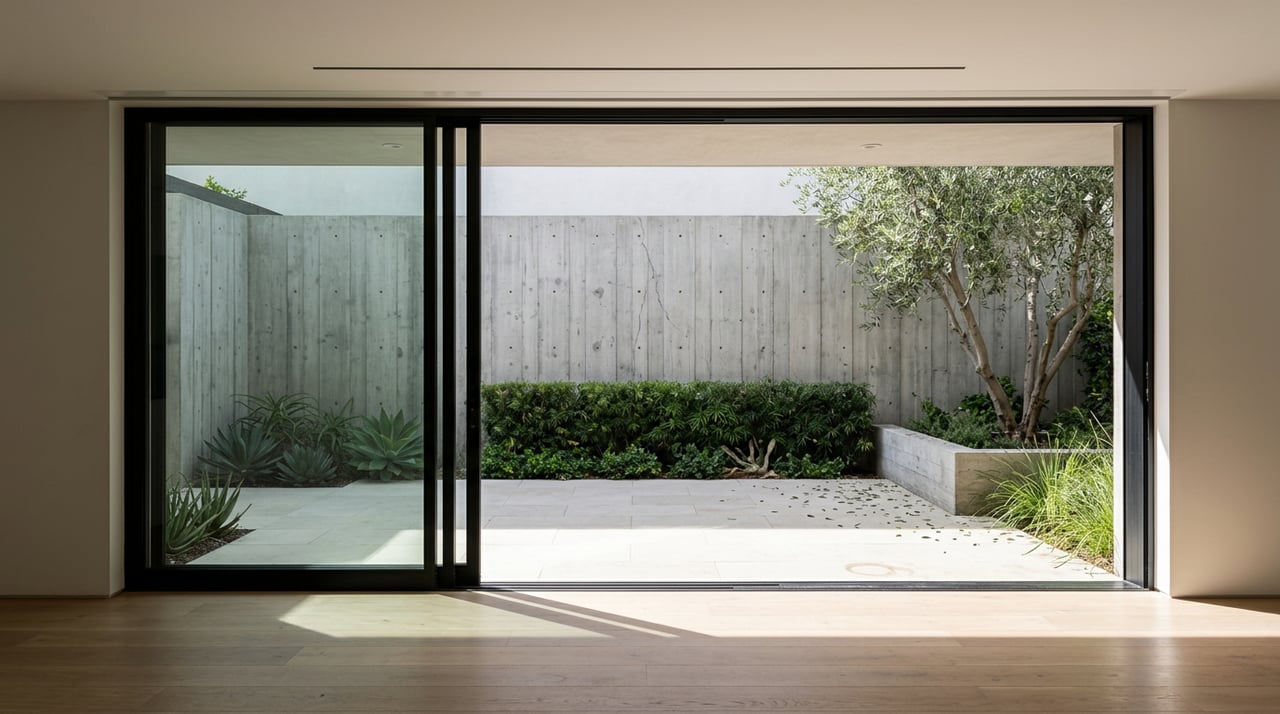
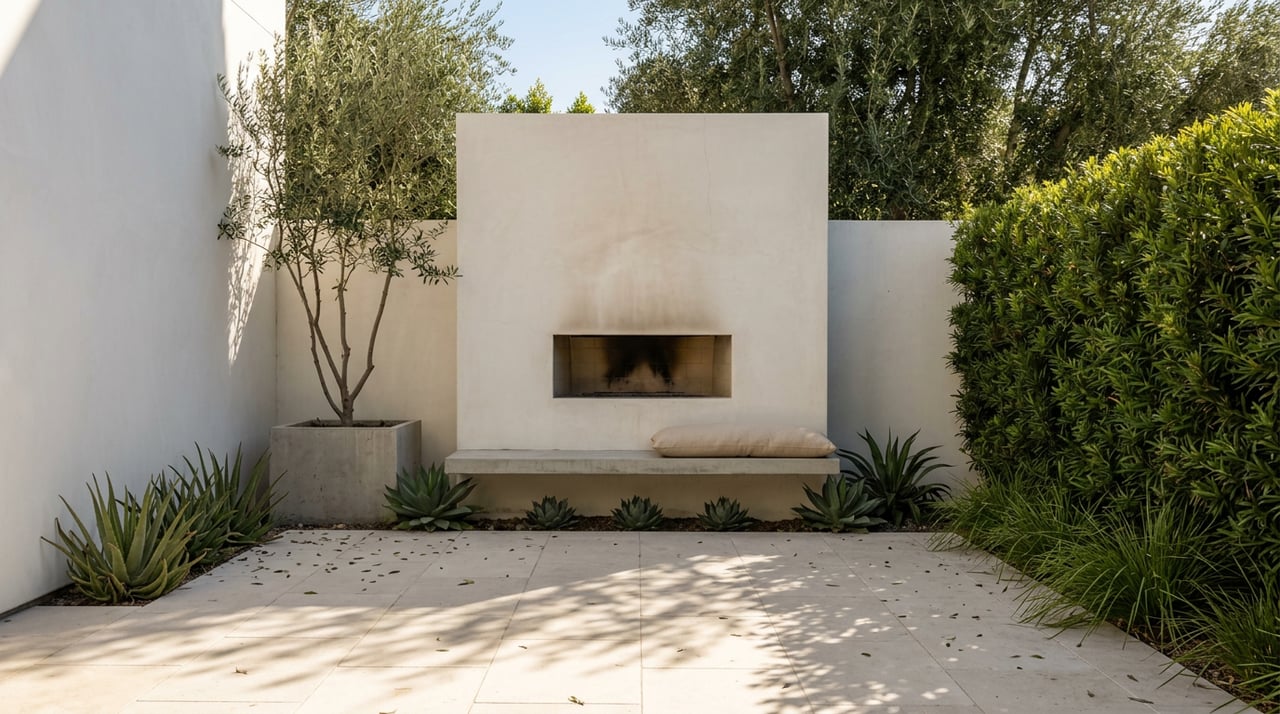
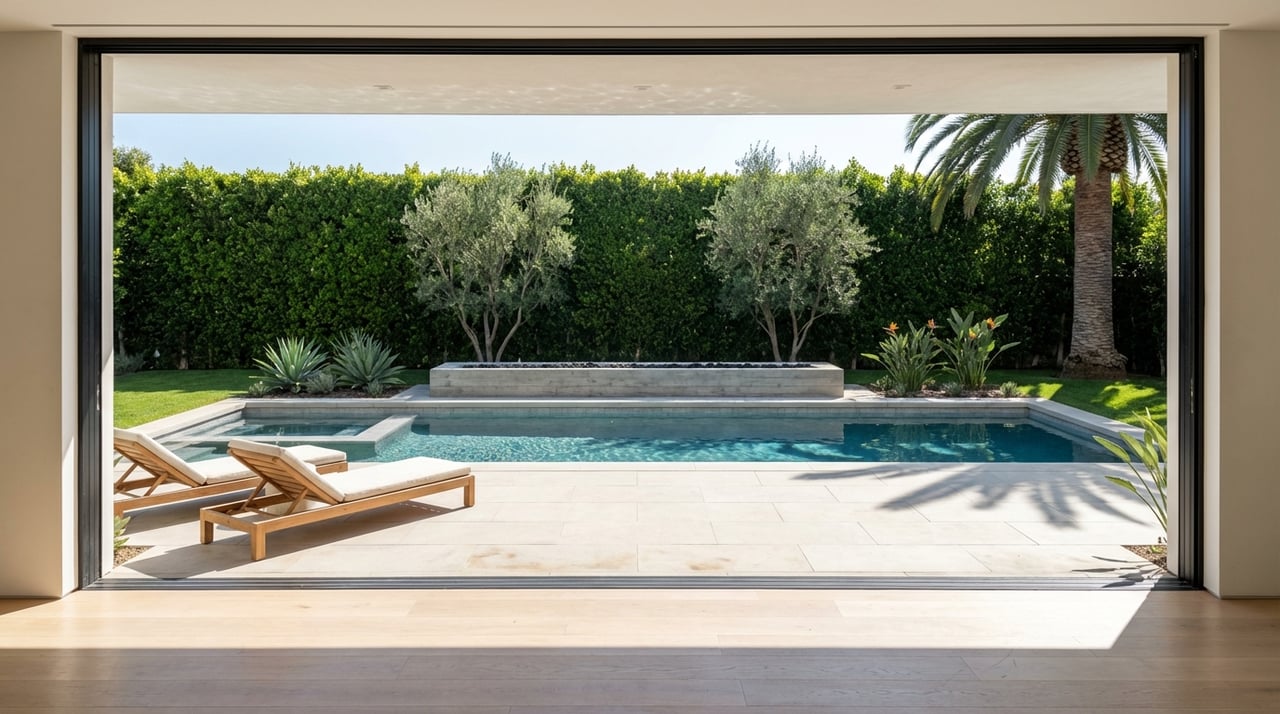
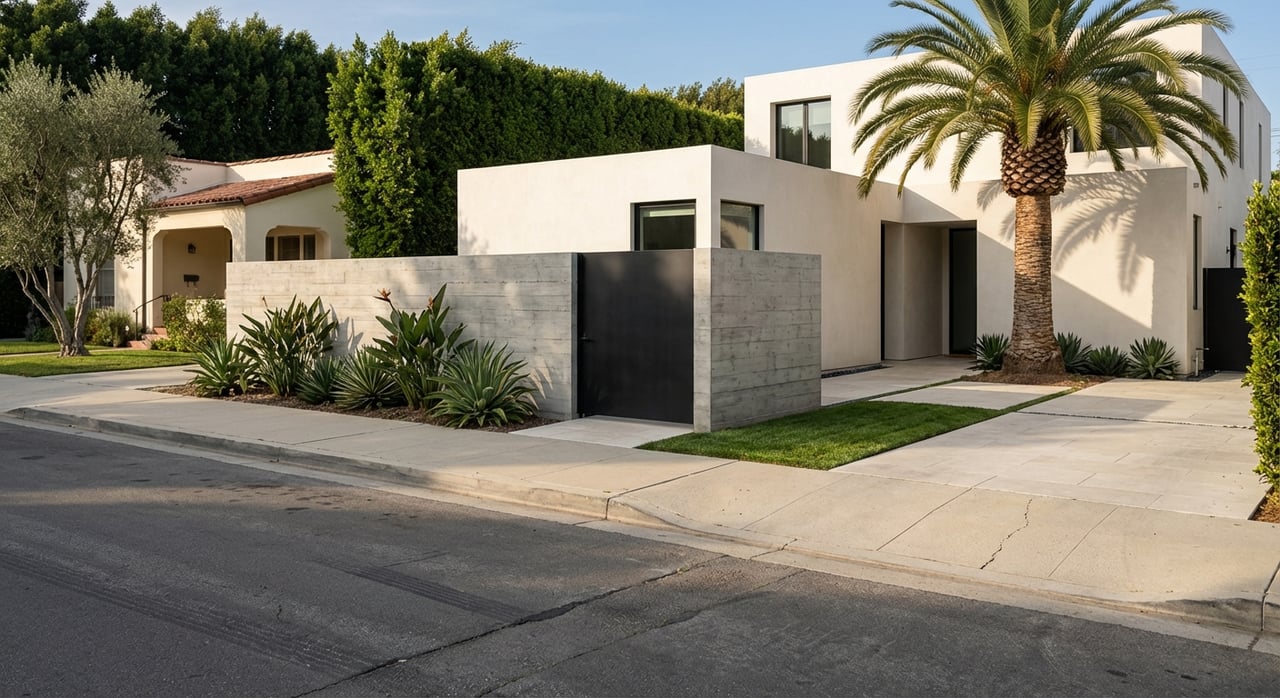
Townhomes commonly offer multi-level layouts, direct street entry, private patios, and attached garages. Communities tend to have fewer shared amenities but a lower-density feel that many owners prefer. As always, confirm which exterior elements the HOA maintains versus what you will handle.
Who each option fits
When a condo may fit better
- You want a lock-and-leave lifestyle with minimal exterior maintenance.
- You value on-site amenities and proximity to waterfront views and dining.
- You are comfortable with shared walls, HOA rules, and potentially higher dues.
When a townhome may fit better
- You want a more house-like layout with a private entrance and multi-level living.
- You prefer a private garage and added storage, and possibly a small patio or yard.
- You want greater control over your home’s exterior, subject to HOA rules.
Smart due diligence steps
Before you make an offer
- Confirm the legal form: fee-simple townhome or condominium ownership. Review the preliminary title report.
- Request HOA documents: CC&Rs, bylaws, rules, financials, reserve study, insurance certificates, and meeting minutes for the past 12–24 months.
- Ask key HOA questions: owner-occupancy rates, rental caps, short-term rental policy, planned or recent special assessments, reserve status, and any ongoing litigation.
- Verify parking and storage: assigned spaces, garage configuration, guest parking rules, and EV charging options.
- Review property disclosures: balcony or waterproofing repairs, corrosion work, HVAC updates, and plumbing history.
- Check flood considerations: flood maps, elevation details, and whether an elevation certificate exists.
- Boat slip access: confirm availability and process through the local harbor authority.
Inspections to prioritize
- General home inspection focused on interior systems and structural signs.
- Balcony and exterior envelope review for waterproofing and railing integrity.
- Sewer and plumbing inspection, especially in older buildings.
- Pest and termite inspection.
- If near salt exposure, request records of coastal maintenance on metal components and HVAC.
- In lower-lying areas, consider elevation documentation and, for significant purchases, a specialized coastal review.
Financing and insurance prep
- Prequalify with a lender familiar with Marina del Rey condos and townhomes.
- Confirm whether the condo project is approved or if any conditions may affect your underwriting.
- Get quotes for homeowner, earthquake, and flood insurance early to set a realistic budget.
- Review the HOA’s master policy for coverage type, limits, and deductible.
Making your decision
Start with how you live day to day. If you want amenities and a low-maintenance lifestyle steps from the marina promenade, a condo may check the right boxes. If you prioritize space, storage, and a private entrance, a townhome may feel more like home. Then match your preference to the HOA’s health, insurance realities, and location-specific risks so the numbers and the lifestyle both work.
When you are ready, connect with a local advisor who understands how Marina del Rey’s buildings differ, what each HOA’s rules mean for you, and how to negotiate for the best terms. For confidential guidance and a curated path to the right fit, reach out to Gina Martino.
FAQs
What is the key ownership difference between a condo and a townhome in Marina del Rey?
- Condos typically grant you ownership of the interior with shared common elements, while many townhomes are fee simple where you own the unit and the land, though some townhome projects are legally condominiums.
How do HOA fees compare between condos and townhomes in Marina del Rey?
- There is no universal rule; high-amenity waterfront condos often have higher dues, but some townhome HOAs with exterior coverage can also be high, so compare the services included.
Are condos harder to finance than townhomes in Marina del Rey?
- Condo loans can require project approval and meet criteria tied to occupancy and litigation, while fee-simple townhomes often underwrite like single-family homes unless the project is legally a condominium.
Do I need earthquake or flood insurance for Marina del Rey properties?
- Standard policies exclude earthquake coverage, and flood coverage may be required depending on the flood zone; both are worth pricing early to understand true carrying costs.
Are short-term rentals allowed in Marina del Rey condos and townhomes?
- Many HOAs restrict rentals and short-term stays, and local rules can be strict, so you must verify both association policies and current municipal regulations before relying on rental income.
What inspections are most important for coastal properties in Marina del Rey?
- Prioritize general, balcony and envelope, sewer and plumbing, and pest inspections, and ask for records related to corrosion and HVAC maintenance due to salt exposure.