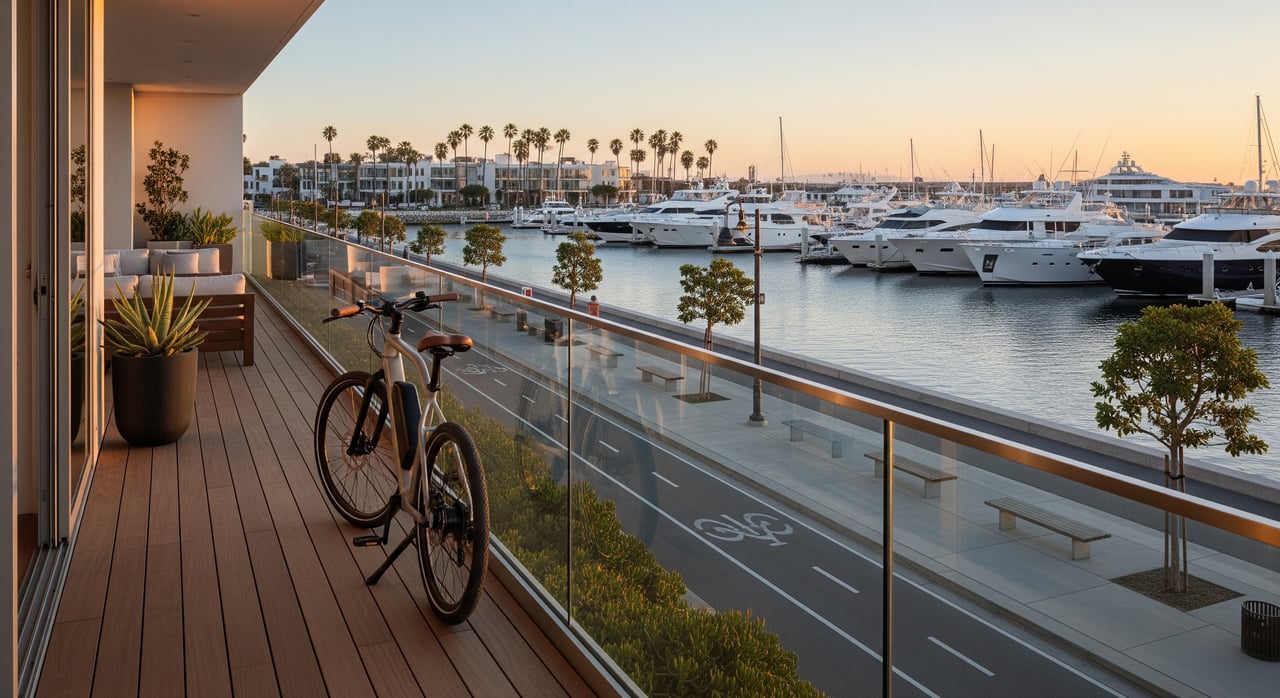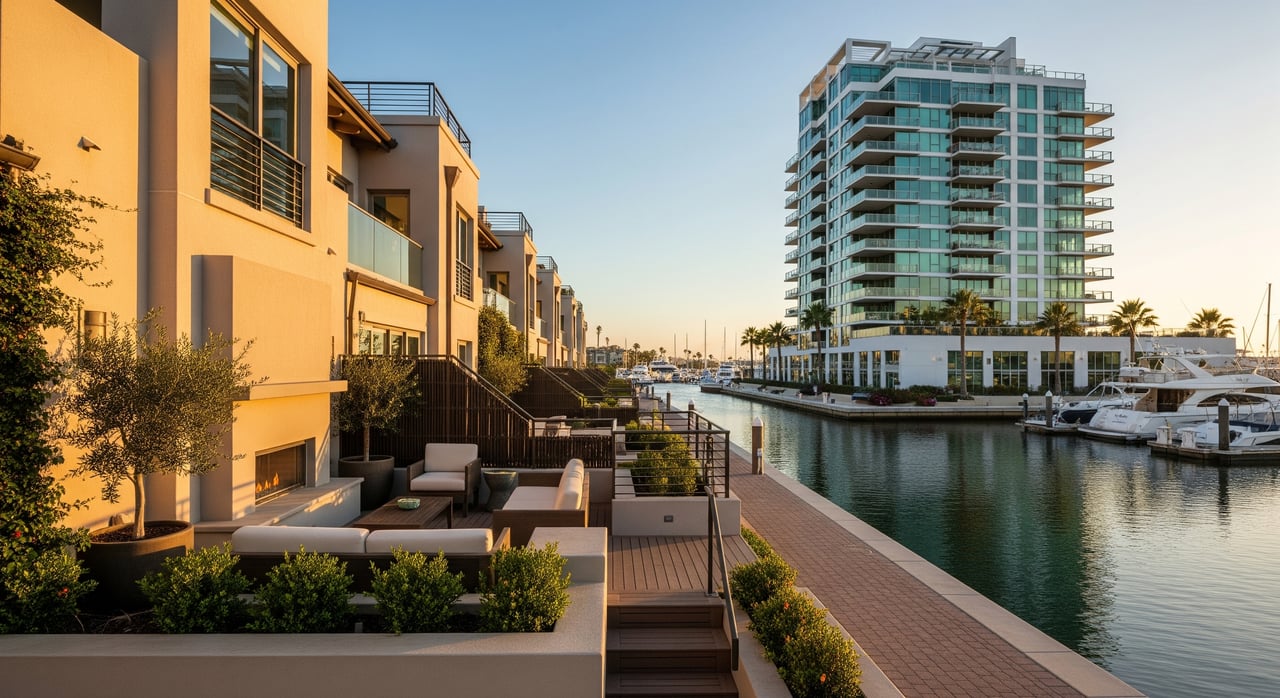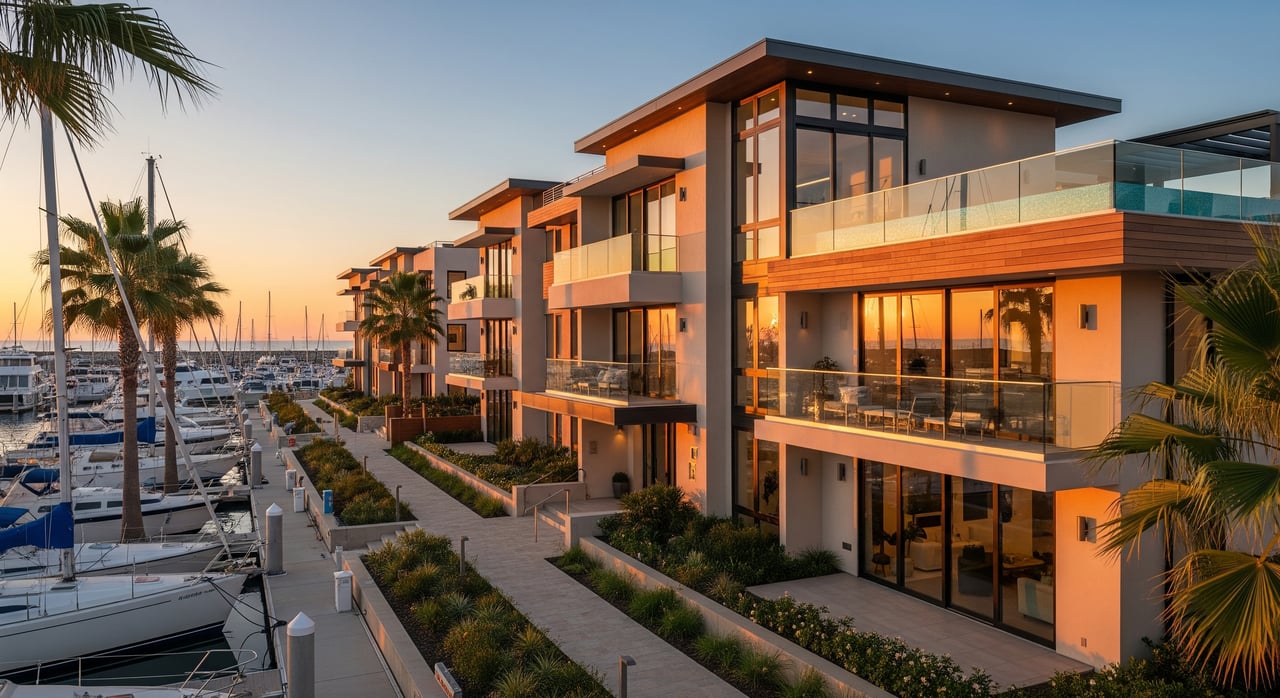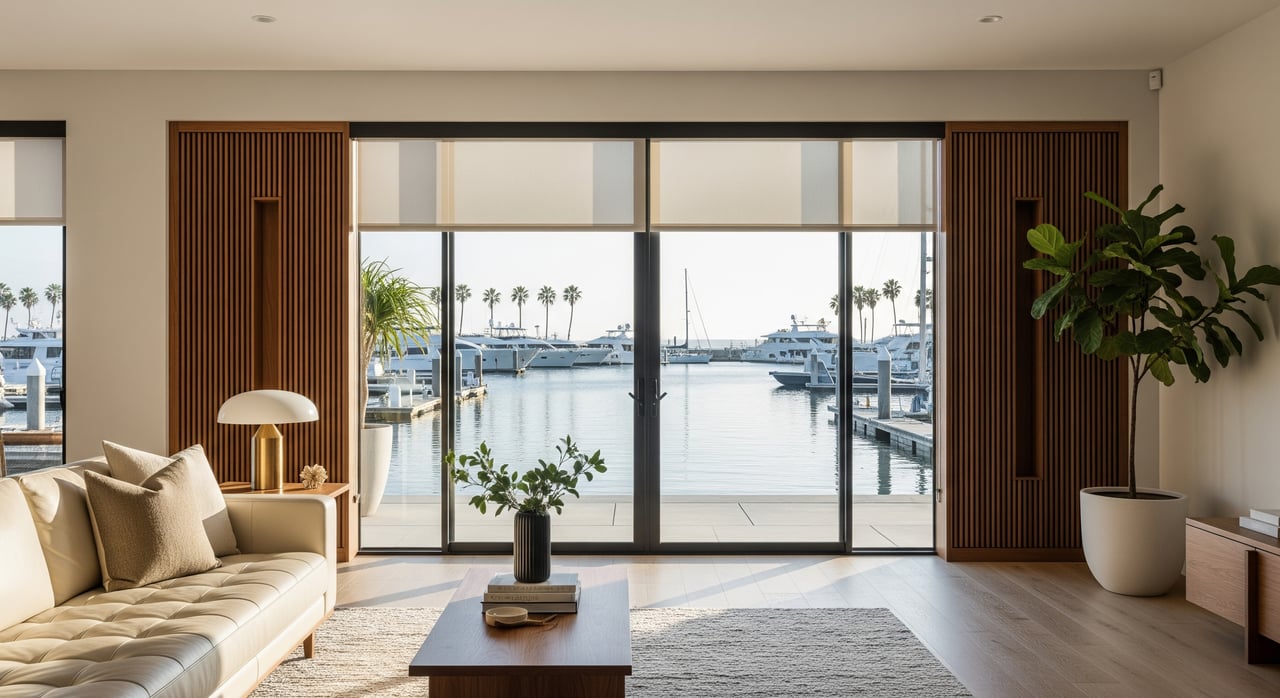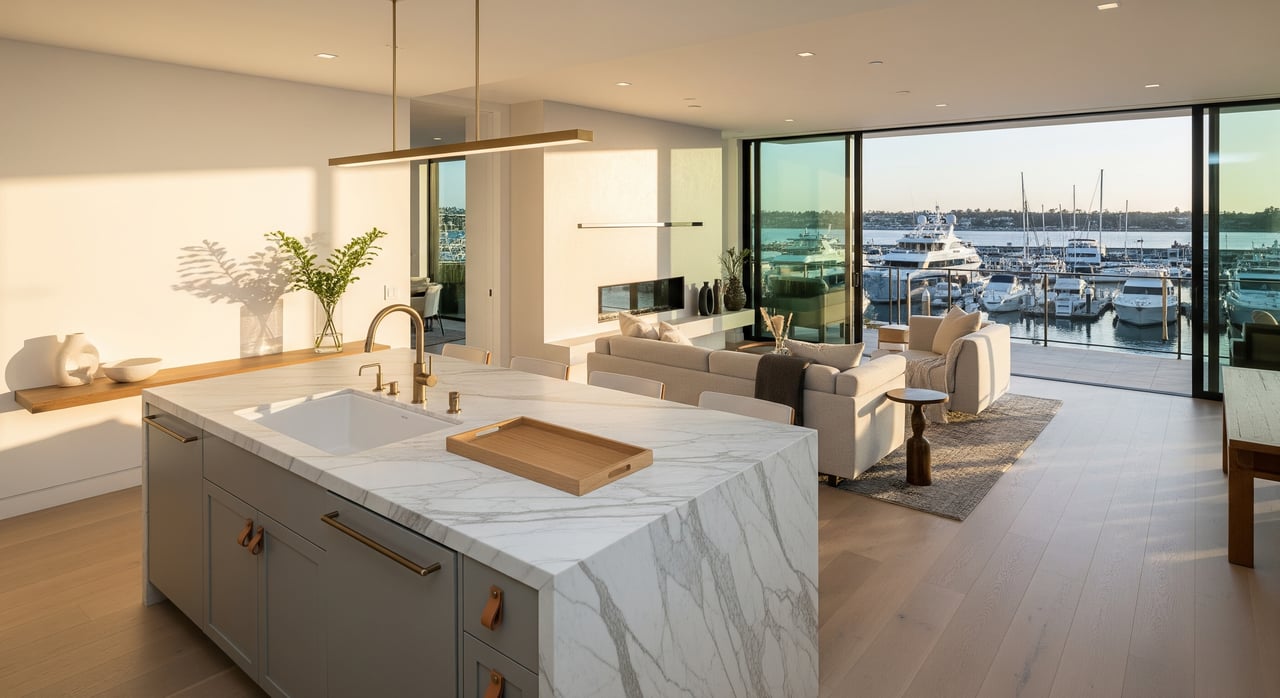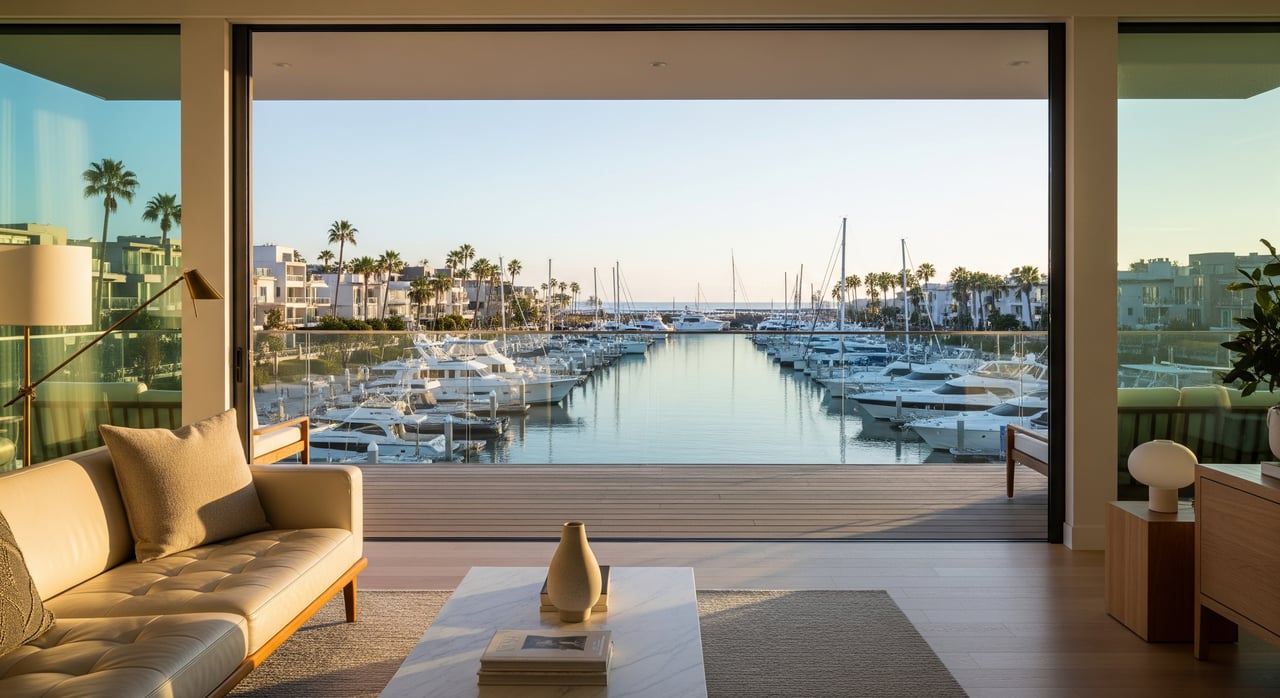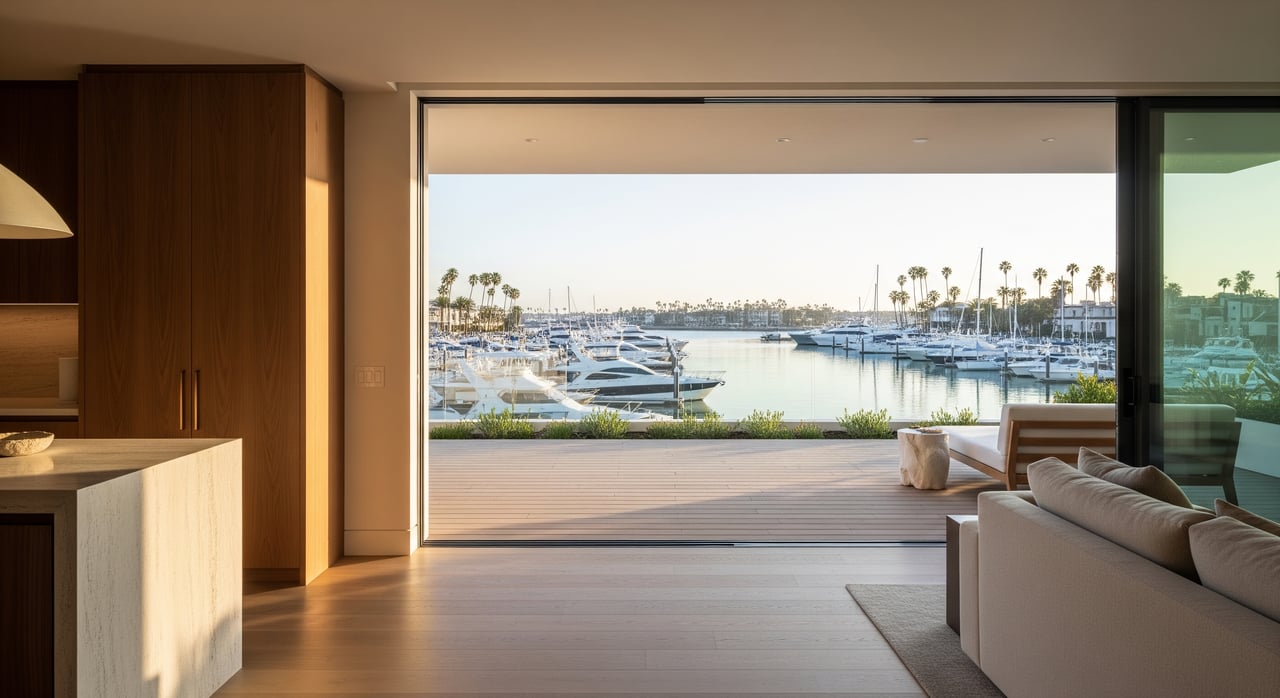
Picture sipping coffee on a balcony while sailboats drift by. If Marina del Rey luxury condos are on your radar, you’re likely weighing view, marina access, HOA health and long-term value. The details matter as much as the dream. In this guide, you’ll learn how to evaluate units, buildings and HOAs in Marina del Rey, plus how it compares with Santa Monica and Venice so you can buy with confidence. Let’s dive in.
Set your priorities first
Start with how you want to live. Do you want open-channel views, a deeded or assigned slip, or a quieter courtyard outlook? Are you trading yard work for a lock-and-leave lifestyle, or do you need rental flexibility for part-time use? Clarifying your “must-haves” helps you focus early and compare trade-offs across buildings and nearby coastal options.
Views and orientation
Water views often command a premium and attract stronger resale interest. Compare the following before you value a unit:
- Floor and stack. Higher floors typically have better views and less marina noise. Corner units often get more light and cross-ventilation.
- Orientation. South-facing can feel sunnier; west-facing may deliver sunsets but more afternoon heat.
- Balcony usability. Depth and wind exposure determine whether you will actually dine or lounge outside.
- Noise patterns. Visit at different times to gauge boat engines, seasonal events and nearby traffic. Also note airplane flight paths toward LAX.
Marina access and boat slips
If boating is part of your plan, confirm the slip details early. In Marina del Rey, slips may be deeded, leased or assigned by the harbor operator. Verify whether a slip conveys with the unit, any transfer fees, waitlists and the slip’s size, draft and access at low tide. The harbor is managed by the Los Angeles County Department of Beaches & Harbors, so rules and planned projects can affect costs and access. Seasonal events like regattas or fireworks can also impact traffic and parking.
Building age and construction
Construction type and era influence comfort, maintenance and insurance:
- Structure. Newer concrete construction can offer improved sound attenuation versus older wood-frame low-rise buildings.
- Seismic history. Confirm soft-story or other seismic retrofit status and any pending structural work.
- Systems and storage. Ask about elevator count and reliability, deeded parking versus assigned stalls, storage lockers, bicycle or e-scooter rooms and EV charging readiness.
- Unit systems. Check HVAC age and service history, plumbing stacks, balcony waterproofing and exterior cladding maintenance cycles.
HOA health and fees
A strong HOA protects property value. Request and review:
- Financials. Current budget, balance sheet, recent reserve study and funding level relative to recommendations.
- Governance. Minutes from the last 12 months of board meetings, CC&Rs, bylaws and house rules.
- Insurance. Master policy summary, earthquake coverage status for common areas and owner responsibilities under “all-in” versus “bare walls in.” Many associations carry separate earthquake policies or none at all. Consumer guidance is available from the California Earthquake Authority.
- Litigation and assessments. Ask about any pending or recent lawsuits, assessment history and planned capital projects.
For owner rights and HOA procedures in California, review the Davis-Stirling Common Interest Development Act.
Rules and rental limits
If flexibility or rental income matters, read the rules closely:
- Rental caps and terms. Many communities limit the number of rented units or set minimum lease terms.
- Short-term rentals. Local jurisdiction and HOA rules both apply. Marina del Rey is in unincorporated Los Angeles County, while nearby Santa Monica and the City of Los Angeles (Venice) have historically enforced stricter short-term rental regimes. Confirm the building’s CC&Rs and the current local ordinance before underwriting any rental plan.
- Occupancy and guest policies. Some HOAs set guest limits or require owner presence for short stays.
Resale and total cost
Marketability and holding costs vary by building and location:
- Buyer demand. Marina del Rey draws lifestyle buyers who value harbor views and boat access. Santa Monica often benefits from broader retail and tourism pull, while Venice appeals to those seeking an arts-forward, urban feel.
- Features that sell. Unobstructed water views, private outdoor space, a clean litigation profile and updated interiors tend to improve liquidity.
- Cost of ownership. Compare HOA dues and included services, property taxes, insurance and parking costs across buildings and coastal neighborhoods. For parcel-specific tax info, the Los Angeles County Assessor’s Office is a useful reference.
Compare nearby coastal options
When you weigh Marina del Rey against Santa Monica and Venice, consider lifestyle and policy differences:
- Marina del Rey. Marina promenades, boating culture and generally quieter evenings, with fewer retail corridors than Santa Monica. Inventory of true waterfront luxury condos is limited.
- Santa Monica. High walkability with robust retail and nightlife around the Pier, plus significant tourist traffic. Historically strong demand from a broader buyer pool.
- Venice. Distinct arts and design culture, boutique condo supply and high foot traffic in certain areas.
Short-term rental rules differ by jurisdiction. Always verify current county or city ordinances alongside your HOA’s CC&Rs.
Due-diligence checklist
Documents to request
- HOA packet: CC&Rs, bylaws, house rules, 12 months of meeting minutes, budget, reserve study, insurance certificates, rental and pet policies, pending assessments and litigation.
- Seller disclosures: state property disclosures, recent maintenance, rental history if relevant.
- Slip documentation: deed, lease, or assignment details with slip number and any transfer fees.
- Property tax bill and any special assessments.
Inspections and site checks
- Condo-focused home inspection covering plumbing, HVAC, roof access, balcony waterproofing and sound transmission.
- Elevator service records and seismic retrofit documentation.
- Pest or wood-destroying organism inspection.
- If a slip is involved, have a marine surveyor inspect the berth and dock infrastructure.
- Flood and sea-level exposure: check FEMA flood zones and elevation. Use the FEMA Flood Map Service Center. For exterior work or dock changes, consult California Coastal Commission guidance.
Professionals to engage
- A Marina del Rey–savvy real estate agent who understands HOA and marina issues.
- HOA-savvy real estate attorney for CC&R and rule review.
- CPA or tax advisor for rental income and 1031 exchange planning.
- Marine surveyor, when slips or docks are relevant.
- Condominium specialist home inspector.
Red flags to watch
- Underfunded reserves or frequent special assessments in recent years.
- Pending HOA litigation or recent large judgments.
- Ambiguous slip ownership, transfer restrictions or unresolved harbor compliance issues.
- History of flooding, balcony leaks or recurring water intrusion.
- Rental prohibitions or guest policies that conflict with your intended use.
What to check during tours
- Parking. Confirm number of stalls, location and whether they are deeded or assigned.
- Elevators. Note count, condition and posted service or upgrade notices.
- Balconies and windows. Look for stains, soft spots or signs of water intrusion.
- Noise. Listen from the unit and balcony at different times to assess marina operations and traffic.
- Common areas. Inspect dock access, storage rooms, bike or scooter storage and EV charging readiness.
Your next step
Evaluating Marina del Rey luxury condos means pairing standard condo diligence with marina-specific checks and coastal risk review. If you want clear advice on views and stacks, slip documentation, HOA health and neighborhood trade-offs across the Westside, connect with a local specialist who treats your goals like their own. For discreet guidance, curated on- and off-market options and negotiation-first advocacy, reach out to Gina Martino.
FAQs
What makes Marina del Rey condos different from Santa Monica or Venice?
- Marina del Rey centers on harbor access and boating culture with limited retail density, while Santa Monica is more retail- and tourism-driven and Venice offers a distinct arts-forward, urban vibe.
How do I verify whether a condo includes a boat slip in Marina del Rey?
- Ask for documentation that shows deeded ownership, a lease or an assignment with slip number, plus any transfer fees or waitlists tied to the harbor operator.
Which HOA documents should I review before buying a Marina del Rey condo?
- Request the CC&Rs, bylaws, house rules, budget, balance sheet, recent reserve study, 12 months of meeting minutes, insurance summary and any assessment or litigation disclosures.
Are short-term rentals allowed in Marina del Rey luxury condos?
- Rules vary by HOA and by local jurisdiction; check your building’s CC&Rs and the current Los Angeles County ordinance, and compare with stricter regimes in Santa Monica and the City of Los Angeles.
Do Marina del Rey condos require flood insurance?
- Requirements depend on your flood zone and lender; check the FEMA Flood Map Service Center and confirm availability and cost with your insurer and HOA.
How does earthquake insurance work for condos in California?
- Associations may carry separate earthquake policies for common areas, while owners often secure individual coverage; review the HOA’s master policy and consult the California Earthquake Authority for consumer guidance.