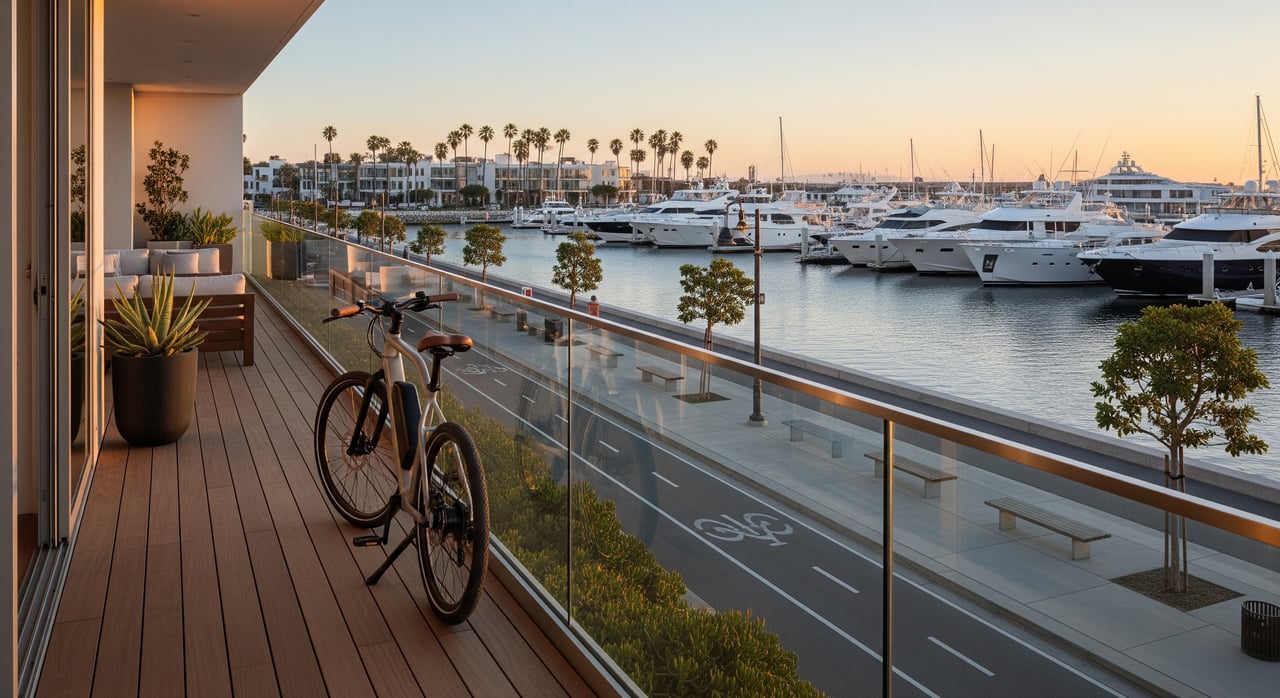
Want to live by the water and drive less? In Marina del Rey, you can swap a lot of car trips for harbor walks, bike rides, and short hops on transit. If you work on the Westside or want a lifestyle centered on the marina, a car-light routine can fit well. This guide shows you how daily life works without relying on a car, where to walk and bike, how to reach nearby hubs, and what tradeoffs to expect. Let’s dive in.
Why Marina del Rey works car-light
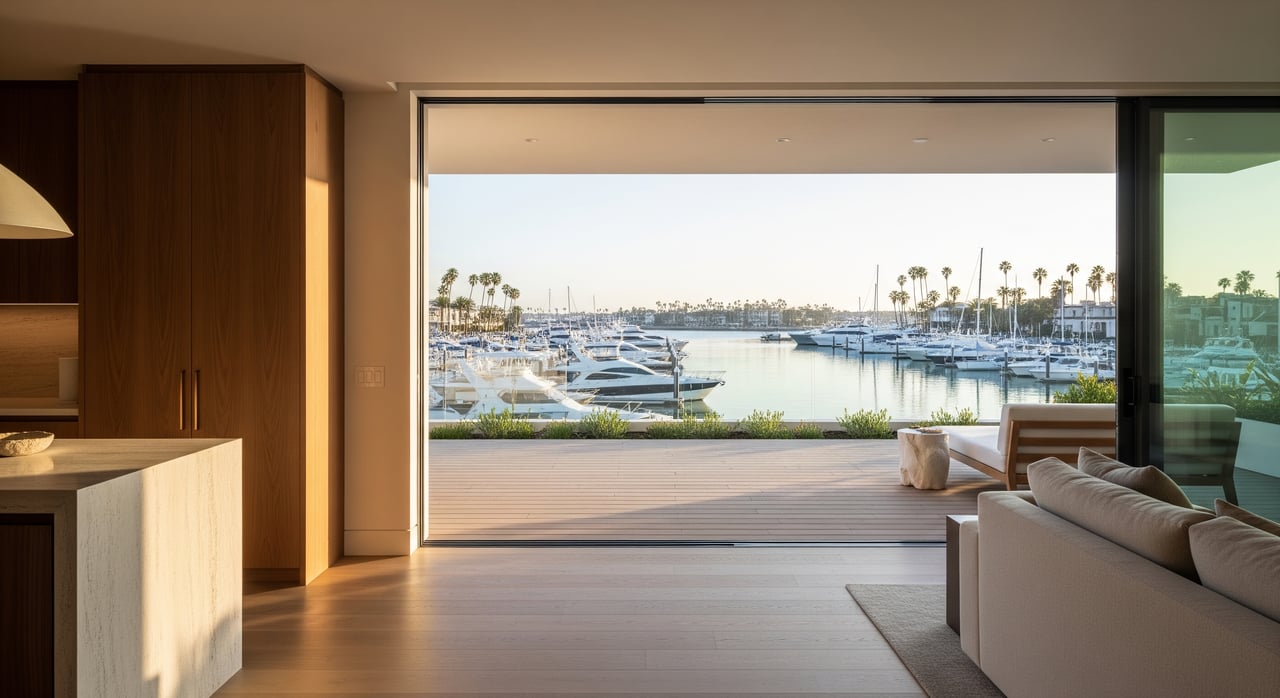
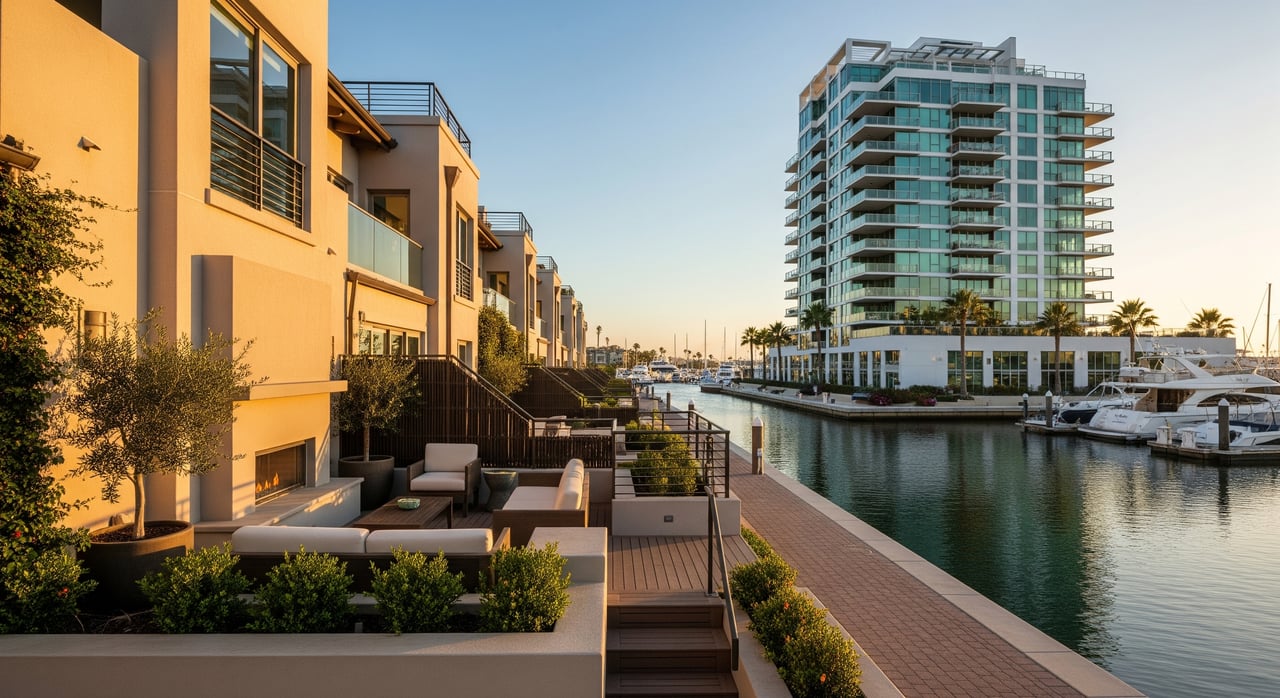
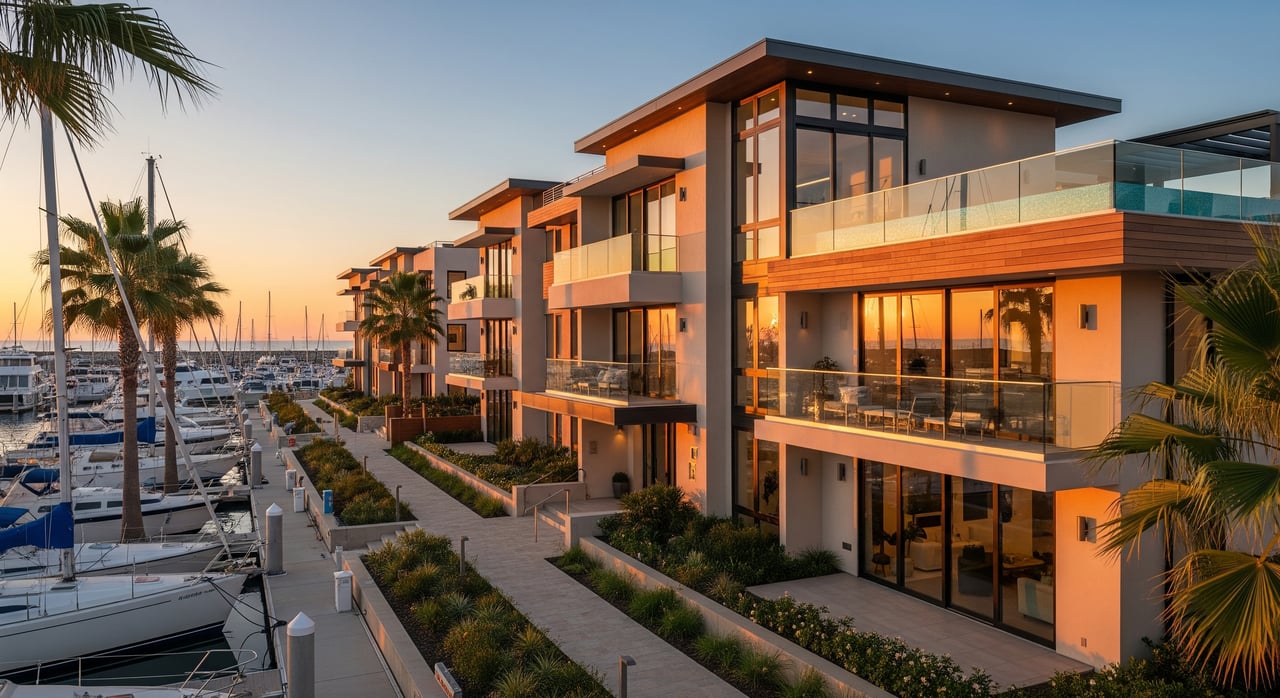
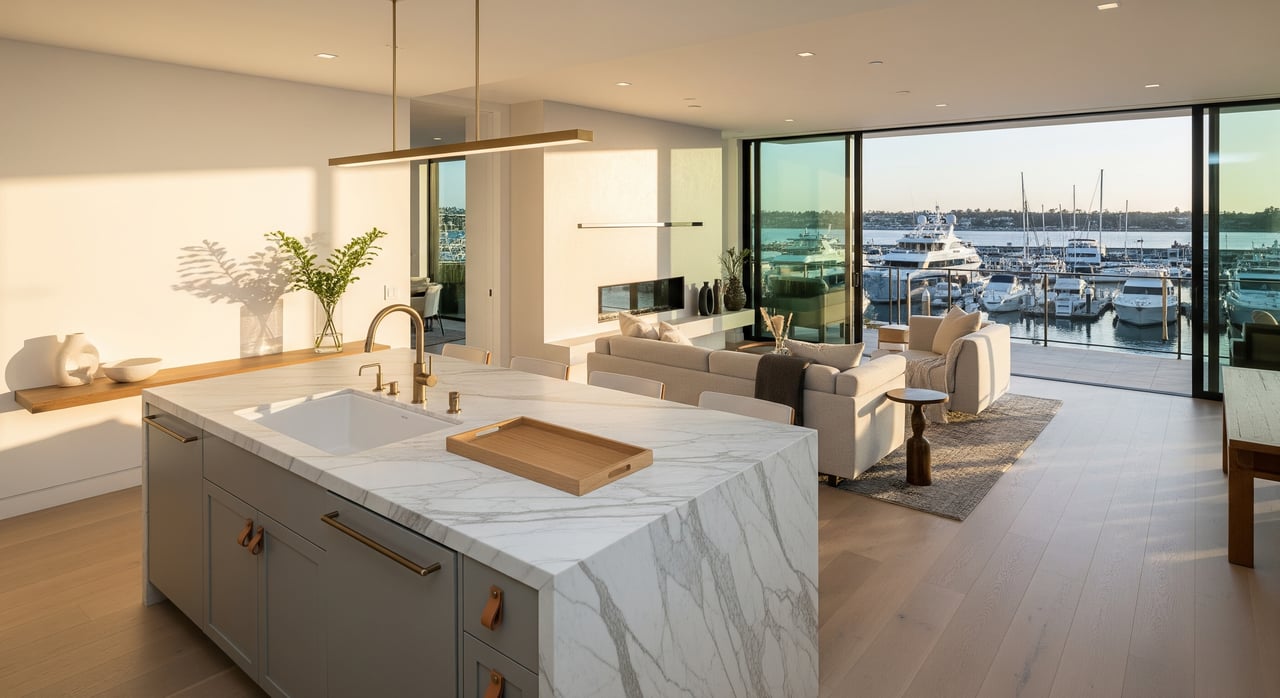
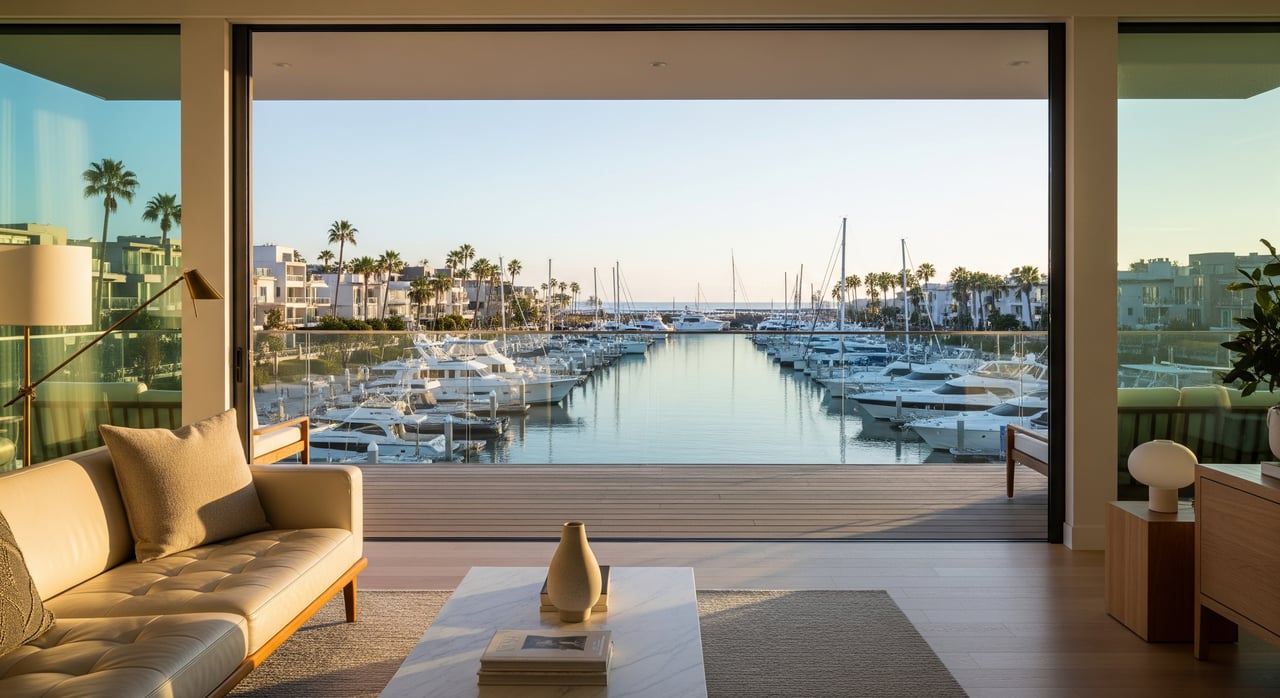
Marina del Rey is compact, flat, and built around the harbor. You have waterfront promenades, mid-rise buildings, and pockets of cafés and services close to the water. The Mediterranean climate makes year-round walking and cycling realistic most days.
The marina and many public facilities are managed by the Los Angeles County Department of Beaches and Harbors. Improvements to paths and access points happen over time, so you can expect steady upgrades and occasional construction. The result is a community that makes it easy to get outside for daily errands and recreation.
Car-light living here suits you best if your job and routines are on the Westside or you have a hybrid schedule. If you need frequent cross-town trips beyond the Westside, you will likely still use rideshare or keep a car for certain days.
Walkable routes and daily errands
Harbor promenades and parks
You can walk a loop around much of the harbor basin on the boardwalks and waterfront promenades. Burton Chace Park is a centerpiece for picnics, festivals, and easy seaside strolls. These spaces, supported by the Los Angeles County Department of Beaches and Harbors, are ideal for daily steps, dog walks, and quick stops at marina-front cafés.
“Mother’s Beach” and other small launch areas are a short walk from many waterfront buildings. It is simple to grab a coffee, stretch your legs, or take a quick paddle without getting in the car.
Groceries and essentials
Daily essentials are available in small commercial pockets near the water. For a full household stock-up, you may bike or take transit to nearby Venice, Playa Vista, or Santa Monica. Many residents mix delivery services with occasional bike trips for larger hauls.
Cargo e-bikes or a foldable cart can make grocery runs manageable. If you want a no-car routine, plan your home base within an easy walk to a convenience market and simple services.
Dining and services
Restaurants and cafés cluster along the marina and in nearby Venice and Santa Monica. If you live near the waterfront, you can walk to dinner, meet friends at a café, or run simple errands without a car. For broader dining options, a quick ride along the coast or a short bus trip expands your choices.
Bike routes that open the map
Coastal trail connections
The shoreline path known as the Marvin Braude Bike Trail, often called “The Strand,” runs through the beach communities and is a standout asset for both recreation and commuting. It links you north into Venice and Santa Monica along a scenic, low-stress corridor. For background on the coastal network and beach facilities, the Los Angeles County Department of Beaches and Harbors is a useful reference.
Ballona Creek to job hubs
The Ballona Creek corridor provides an east–west bikeway from the marina area toward Playa Vista and Culver City. It is popular because it avoids many high-traffic intersections. If your office is in Playa Vista or Culver City, this route makes regular bike commutes realistic for many riders.
On-street links and e-bikes
Local on-street bike lanes and signed routes fill in the gaps near the marina, Venice, and Playa Vista. The network is not fully protected door to door, so expect some mixed-traffic segments. E-bikes extend your range and reduce sweat, which opens up commutes to Santa Monica, Playa Vista, or Culver City for many riders.
When planning, favor protected paths and lower-volume streets. If you are new to the area, test-ride routes at off-peak hours to build comfort.
Micromobility and water options
Shared scooters and e-bikes
Dockless e-scooters and e-bikes are commonly available around the beach and marina, though availability can fluctuate. They are handy for last-mile trips to transit stops or quick errands. Many residents also keep a personal folding bike or e-scooter at home for consistent access.
Water taxis and harbor shuttles
Seasonal water taxi and small-boat services connect points around the harbor. These are more lifestyle amenities than high-frequency transit, but they add fun and flexibility for short trips on the water. For visitor and activity details across the marina, the Marina del Rey visitor guide is a good place to start.
Boating and slips
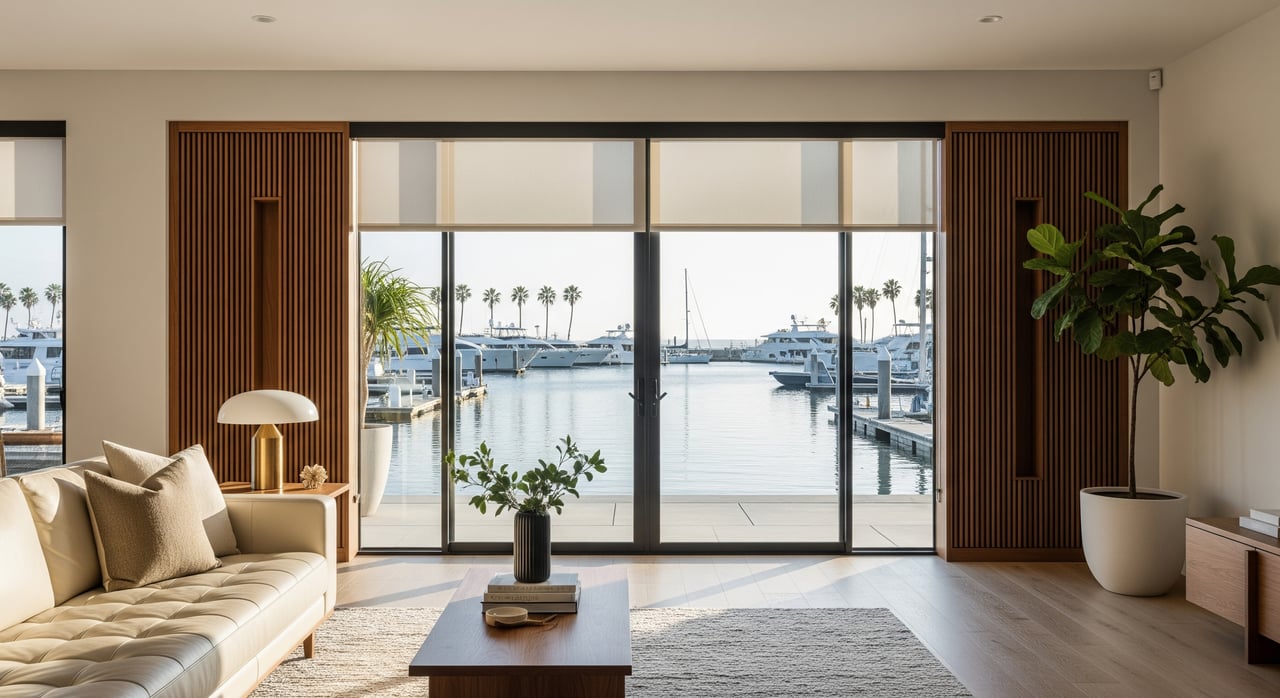
If you own or rent a slip, you can reach the water directly for recreation or short trips. Kayak and paddleboard rentals make it easy to get out on the harbor without a car. Many residents shape their routines around morning paddles or sunset cruises right from their doorstep.
Transit connections you can count on
Buses across the Westside
Bus networks connect Marina del Rey to Santa Monica, Venice, Culver City, and broader Los Angeles. Key operators include LA Metro and Santa Monica Big Blue Bus. Frequency varies by route and time of day, so you will want to check schedules before a new commute.
Reaching rail lines
There are no rapid transit rail stations inside Marina del Rey. You can bike or take a bus to nearby rail hubs if you are headed farther across the region. Many riders pair a bike or scooter with a bus transfer for a smoother trip.
Getting to LAX
The airport is close by distance, and several transit and shuttle options exist. That said, many residents use rideshare for early or late flights, or when traveling with luggage. If you plan to travel often, budget for rideshare or short-term car rentals.
Tradeoffs to plan for
Parking, permits and guests
Most buildings include on-site parking, but guest and weekday street parking can be limited or permit controlled near the marina. If you go car-light, you may still pay for occasional visitor passes or a spot for guests.
Crowds and peak seasons
Summer, holidays, and warm weekends bring more visitors. You will see heavier foot and vehicle traffic near beach access points. Plan your errands during off-peak hours and use bikes or walking routes that avoid the busiest segments.
Safety and comfort at night
Waterfront paths are generally well used and maintained, but some connectors cross busy arterials. Use lights, reflectors, and route planning for night rides. When possible, choose protected paths and familiar side streets.
Storage, delivery and big shops
Many homes are condos or apartments with compact storage. Residents often use in-building storage, utility closets, or on-site bike rooms. For bulk items, combine delivery with a cargo e-bike or schedule a single rideshare or rental car for larger runs.
Do you need a car? A checklist
Use this checklist to see if a car-light lifestyle fits your routines:
- Job location and schedule: Are you based on the Westside, hybrid, or flexible with timing?
- School and activities: Will pickups, sports, or childcare require frequent cross-town travel?
- Commute options: Can you reach work via the coastal trail, Ballona Creek, or bus connections?
- Budget priorities: Would you rather spend on housing and lifestyle than full-time car costs and parking?
- Marina lifestyle: Do you value direct access to the water, parks, and outdoor fitness?
- Rideshare tolerance: Are you comfortable using rideshare for airport trips and occasional cross-town errands?
A sample car-light day
- Morning: Walk the harbor loop and grab coffee by the water.
- Commute: E-bike along Ballona Creek to Culver City, or roll the Strand to Santa Monica.
- Midday: Run a quick errand on a scooter or on foot near the marina.
- Evening: Meet friends at a waterfront restaurant, then stroll home through Burton Chace Park.
- Weekend: Paddleboard from a rental shop, or take a seasonal water taxi for a harbor outing.
How we help you choose the right home
If you want to live car-light, the right address matters. You will want short walks to the promenade, direct access to bike paths, and practical storage for bikes or water gear. You may also want on-site parking for guests or an occasional car.
We guide you to buildings and streets that match your routine, from quiet waterfront pockets to lively edges near dining and cafés. With boutique, 1:1 service and deep Westside expertise, we help you weigh location, lifestyle, and value. If you are exploring Marina del Rey, connect with Gina Martino for discreet guidance and access to on and off‑market opportunities.
FAQs
Is Marina del Rey walkable for daily life?
- Yes, many residents walk for recreation and simple errands near the marina’s promenades, Burton Chace Park, and café clusters, though full grocery trips may require a short bike or transit ride.
Can I bike to work from Marina del Rey?
- Many riders use the coastal Marvin Braude Bike Trail for Santa Monica and Venice and the Ballona Creek corridor for Playa Vista and Culver City, often with e-bikes to extend range and comfort.
How do I reach Santa Monica and Culver City without a car?
- Combine bike routes like the Strand or Ballona Creek with bus options from LA Metro or Santa Monica Big Blue Bus, and plan timing based on your route and schedule.
How do I get to LAX without a car from Marina del Rey?
- Transit and shuttle options exist, but many residents choose rideshare for speed and luggage; plan ahead for early or late flights and peak traffic times.
Is a car-light lifestyle family-friendly in Marina del Rey?
- It depends on your routines. Parks and beach access are strong, while some school and activity logistics may still require rideshare or a car for cross-town travel.
Do I need parking if I go car-light?
- Likely yes, at least for guests. Buildings often include parking, and nearby street parking can be regulated, so factor visitor access and any fees into your decision.
How do residents handle groceries without a car?
- Many combine delivery with occasional bike trips using cargo setups or small carts, and choose homes near convenience markets for day-to-day items.