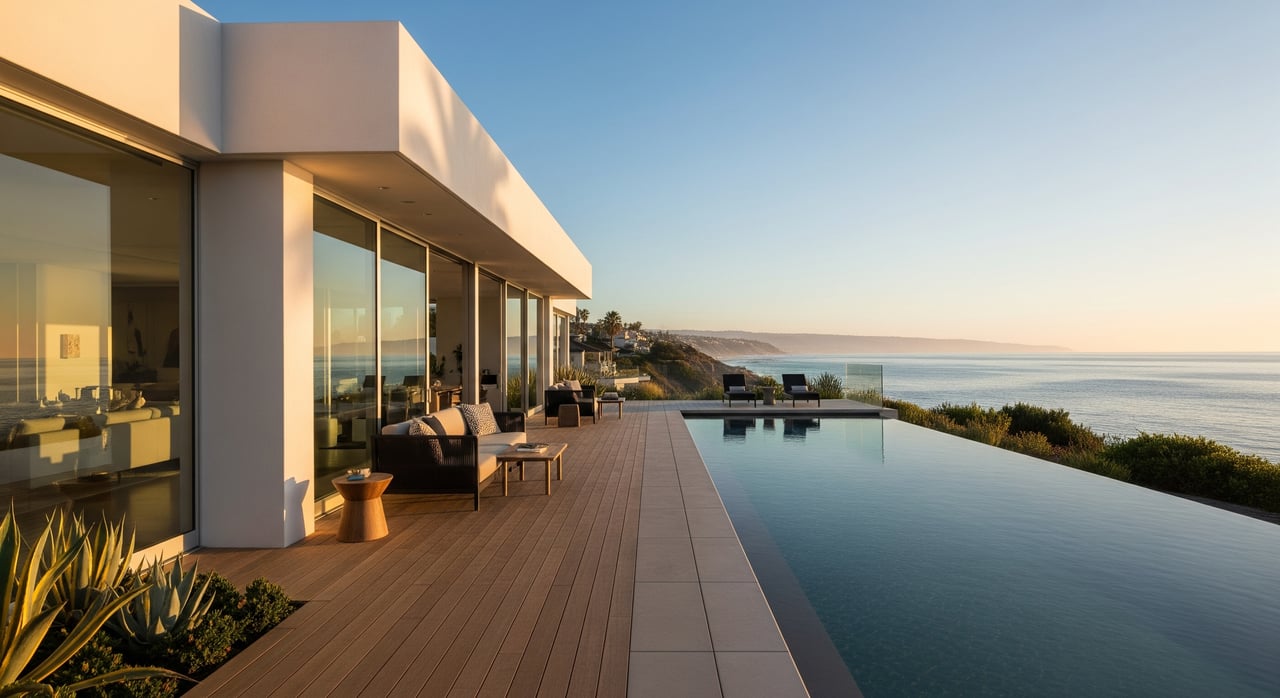
Is there really a “best month” to sell in Santa Monica, or does the market run on its own coastal rhythm? If you feel like the usual national advice does not quite fit here, you are right. Santa Monica’s mild weather, limited inventory, and mix of buyer profiles create a unique pattern that rewards smart timing. In this guide, you will learn when to list for price or speed, how timing shifts by neighborhood and property type, and what to do 8 to 12 weeks before you go live. Let’s dive in.
Why timing works differently
Santa Monica follows broad U.S. seasonality, but the swings are smaller. Spring is still the strongest period for achieving top prices and shorter days on market. Early fall offers a solid secondary window. Late fall and winter tend to be slower, yet they can work well for luxury listings, unique homes, and sellers who want fewer showings.
The coastal microclimate keeps showings pleasant most of the year. Limited supply and high demand in walkable, beach‑proximate areas also keep activity steadier than inland markets. Buyer composition matters too. Families and local owner‑occupiers lean into spring and early summer. Second‑home buyers and investors can be active year‑round, including winter.
Best months by objective
- Maximize price: April to May, with preparation beginning in late winter.
- Close before the school year: List late March to early May to close by August.
- Fast sale with solid activity: Early spring or early fall, especially September.
- Discreet sale or fewer showings: Late November to February.
- Luxury or unique homes: Year‑round, tailored to expected buyer travel and availability.
- Condos for owner‑occupiers: Spring is best. Investor‑leaning condos or small multifamily can be more rate and regulation sensitive.
Season-by-season outlook
Spring: March to May
What to expect: More listings come to market and buyer traffic jumps. Homes tend to sell faster, and many achieve the year’s strongest prices. Families aim to get under contract early enough to close before the fall school start.
Best for: Most sellers, especially entry‑level and family homes that benefit from competitive bidding.
How to play it: Finalize repairs and staging in late winter, then launch in April or May with polished photography, twilight shots, and strong online exposure. Price in line with the market to encourage early competition in the first two weeks.
Early summer: June to August
What to expect: Buyer activity remains solid into early summer, then tapers as travel picks up. Showings near the beach can be impacted by crowds and parking on peak weekends.
Best for: Homes that feature outdoor living, entertainment spaces, and easy beach access. Family sellers who listed in late spring can often close by August.
How to play it: Highlight outdoor amenities and lifestyle photography. Be strategic with open house timing to avoid heavy tourist weekends, or lean into weekday showings.
Early fall: September to October
What to expect: Motivated buyers who missed spring return, and corporate relocations add demand. Weather and light are ideal for showings.
Best for: Sellers who want an active market without peak spring competition. Homes appealing to relocators and buyers returning from summer travel.
How to play it: Use warm, early‑fall staging and fresh photography. Price with the goal of drawing strong early attention.
Late fall and winter: November to February
What to expect: Fewer listings and fewer buyers as holidays take focus. The buyers who are looking tend to be serious.
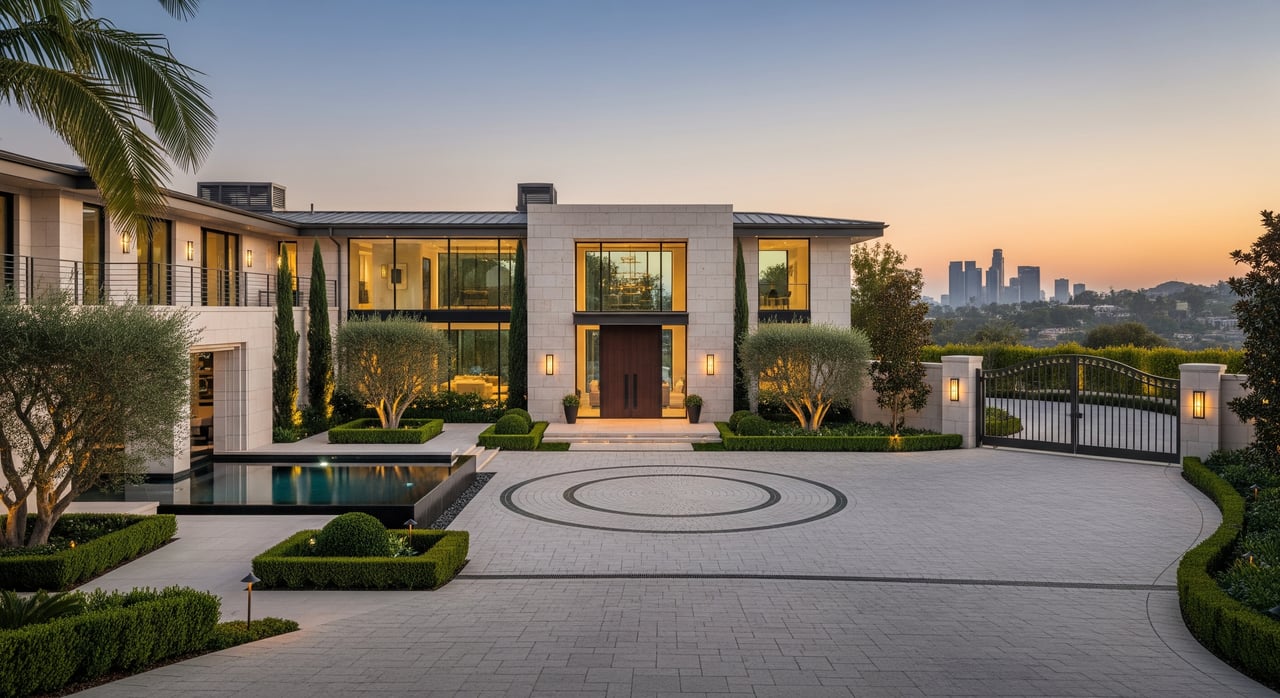
Best for: Luxury listings and unique properties that are less season‑constrained. Sellers who prefer fewer showings or a quieter marketing environment.
How to play it: Consider targeted outreach, appointment‑only showings, and pre‑market exposure to top local agents. Lean on discreet marketing for privacy‑sensitive listings.
Neighborhood micro-seasonality
North of Montana, Wilshire‑Montana, Franklin
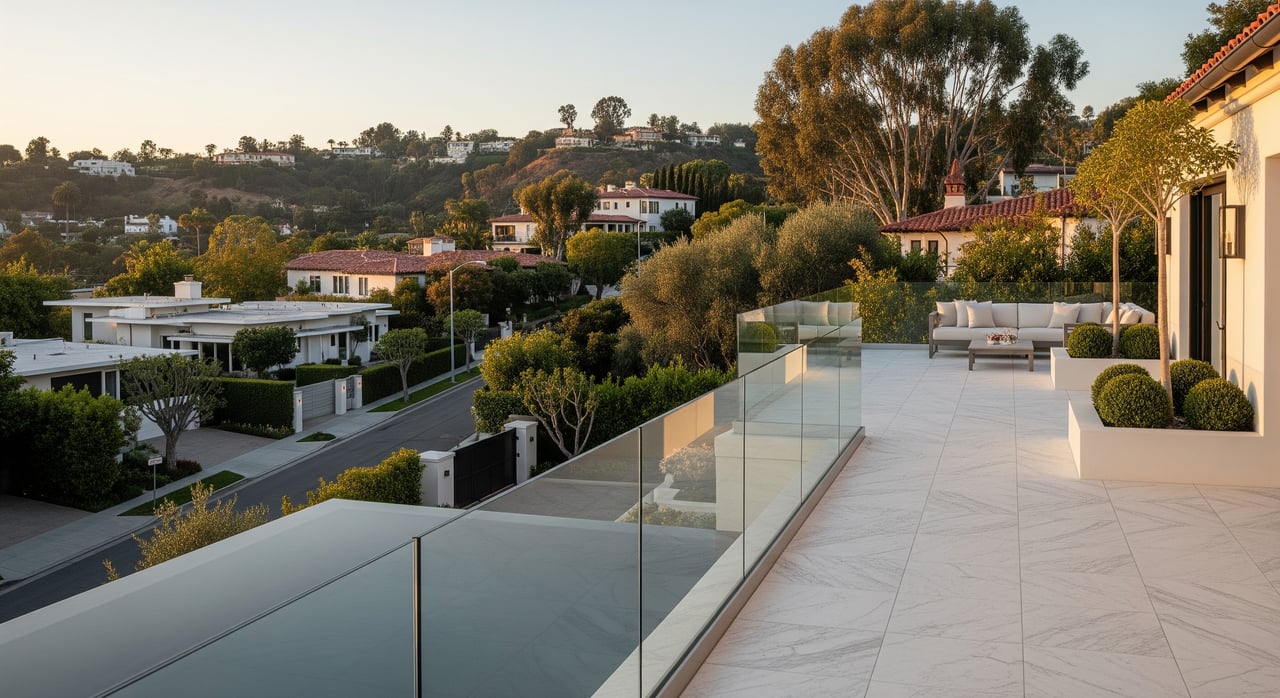
Higher‑end single‑family homes here respond strongly to spring and early summer when family buyers are most active. Focus on yard, lot size, and lifestyle proximity. Time your listing to allow for a summer close if school timing matters to your likely buyer.
Downtown and Third Street Promenade corridor
Condo and high‑rise interest is more balanced year‑round, with spring and fall still active. Expect attention from urban professionals, second‑home buyers, and relocations. Weekday showings and polished virtual tours help reach out‑of‑area buyers.
Ocean Park, Pico, and Mid‑City pockets
These areas tend to attract lifestyle‑driven buyers who value local dining, retail, and proximity to the beach and Venice. Spring and fall are productive listing times. Weekend open houses can be effective, supported by lifestyle‑focused marketing.
Beachfront and sand‑side condos
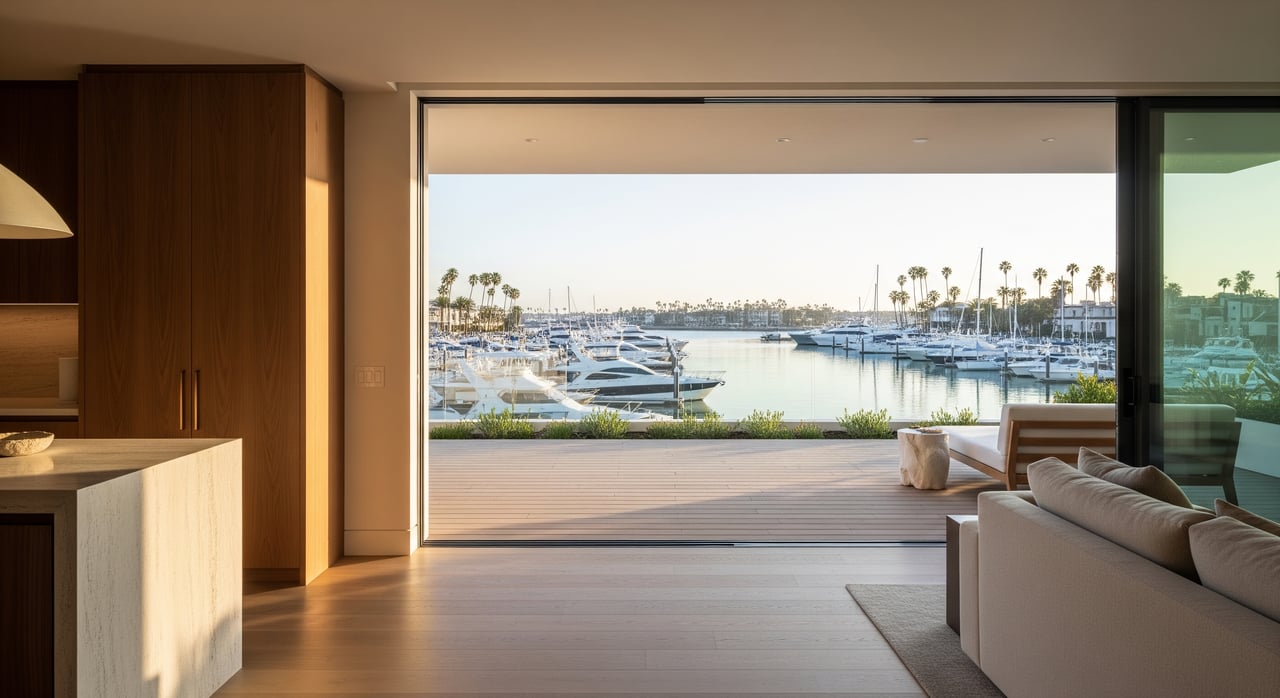
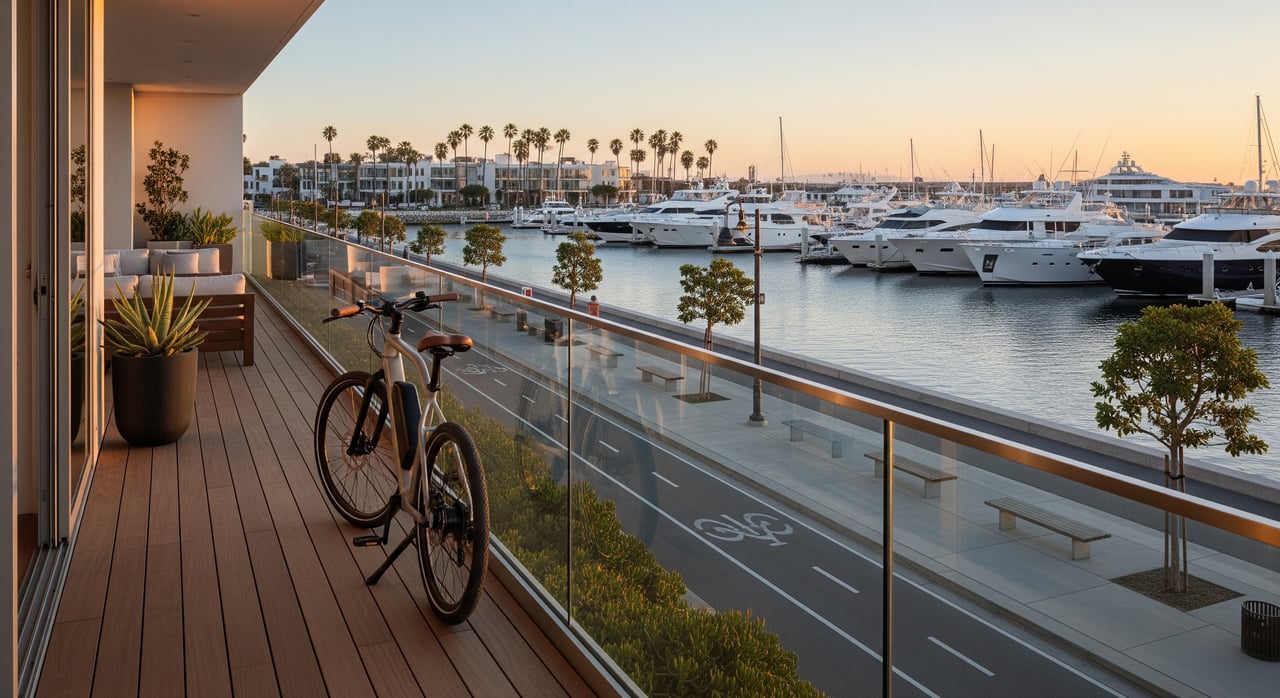
Second‑home buyers create year‑round demand, including winter visitors escaping colder climates. Presentation is everything. Photograph in favorable light and highlight view lines, balcony space, and beach access.
Small multifamily and investor properties
Timing can run counter to the typical owner‑occupier cycle. Investor interest may track mortgage rates, cap rates, and local rental rules. Provide clear rent rolls, expenses, and net operating income to support underwriting.
Your 8–12 week prep timeline
Weeks 12–9: Plan and inspect
- Define your objective: maximum price, fast close, or discreet sale.
- Order pre‑listing checks, minor inspections, and a repair plan.
- Align your target live date with the right seasonal window.
Weeks 8–6: Repair and refresh
- Complete light repairs, paint touch‑ups, landscaping, and exterior tune‑ups.
- If needed, schedule larger updates with a clear scope and budget.
- Gather disclosures and relevant documentation.
Weeks 5–3: Stage and capture
- Stage key rooms and outdoor areas to match the season.
- Book professional photography, including twilight images for coastal light.
- Prepare a compelling property narrative and feature list.
Weeks 2–1: Pre‑market
- Share a quiet preview with top local agents and qualified buyers.
- Finalize pricing based on the latest comparable sales and active competition.
- Confirm open house dates that avoid major local events and holiday conflicts.
Launch week: Go live
- Activate the MLS listing with full media and complete details.
- Host the strongest open house window for your target buyers.
- Review early feedback and adjust marketing quickly if needed.
Rate and regulation watch
Mortgage rate shifts can amplify or soften seasonal patterns. When rates drop, buyer activity can surge outside the usual spring peak. When rates rise, the buyer pool tightens and timing strategy becomes more important.
Local rules matter for certain property types. Santa Monica maintains strict short‑term rental guidelines and rent control for eligible units. If your property has rental history or investor appeal, present complete documentation and compliance details. Clear information builds buyer confidence and supports value.
Open house timing and events
Tourism and community events bring energy to Santa Monica, but they can also complicate parking and access. Avoid scheduling open houses during large pier or holiday events unless you plan to capitalize on foot traffic with careful signage and security. For beach‑adjacent listings in summer, consider earlier time slots or weekday showings.
Pro presentation in every season
Lean into outdoor living. Fresh landscaping, clean hardscape, and inviting seating areas play well year‑round.
Capture the coastal light. Schedule photos and showings during flattering natural light, and consider twilight sessions.
Keep the story clear. Feature lists and lifestyle context help buyers picture daily life in the home.
Price with purpose. Whether you aim for maximum price or minimal days on market, pricing should support your strategy in the first two weeks.
Is winter ever the right call?
Yes. Late fall and winter can suit sellers who want a quieter experience, have a unique luxury property, or prefer appointment‑only showings. The buyer pool is smaller, but those touring are often serious and ready to move. If privacy is a priority, this window can be ideal for a discreet sale supported by targeted outreach.
Work with a local strategist
Timing is powerful, but execution wins the day. Align your listing window with your goals, then pair it with sharp presentation, thoughtful pricing, and precise marketing. If you want tailored guidance for your neighborhood or a confidential conversation about off‑market options, connect with Gina Martino for a strategy built around your goals.
FAQs
What is the best month to sell a home in Santa Monica?
- Spring, especially April and May, is typically the strongest window for top pricing and faster sales, with a solid secondary window in September and October.
Should I list in winter if I want fewer showings?
- Yes, late November to February can reduce foot traffic and enable appointment‑only showings, which suits privacy‑minded sellers and luxury listings.
When should I list to move before the school year?
- List in late March through early May to allow enough time to go under contract and close by August, aligning with local school calendars.
Do condos follow the same timing as single‑family homes?
- Owner‑occupier condos often do well in spring, while investor‑leaning condos can be more sensitive to rates and local regulations and may transact year‑round.
How do neighborhood differences affect timing in Santa Monica?
- Family‑oriented areas north of Montana lean into spring and early summer, while downtown, beachfront, and second‑home segments see steadier activity across more of the year.