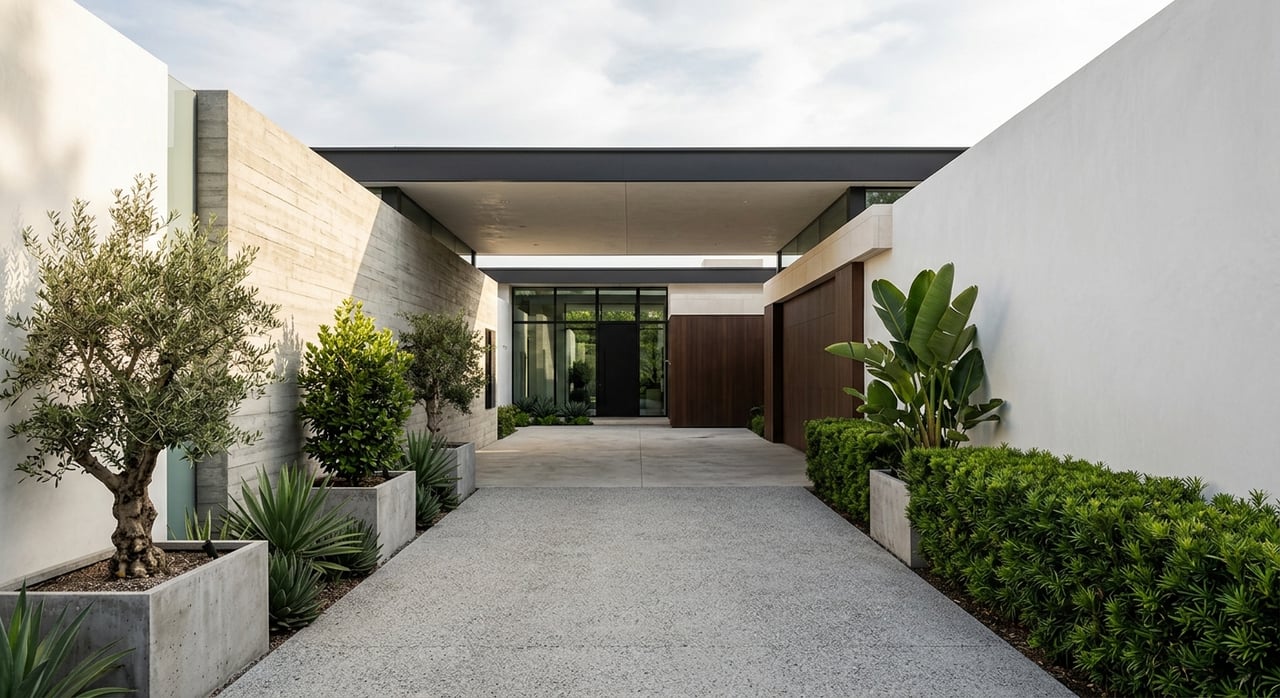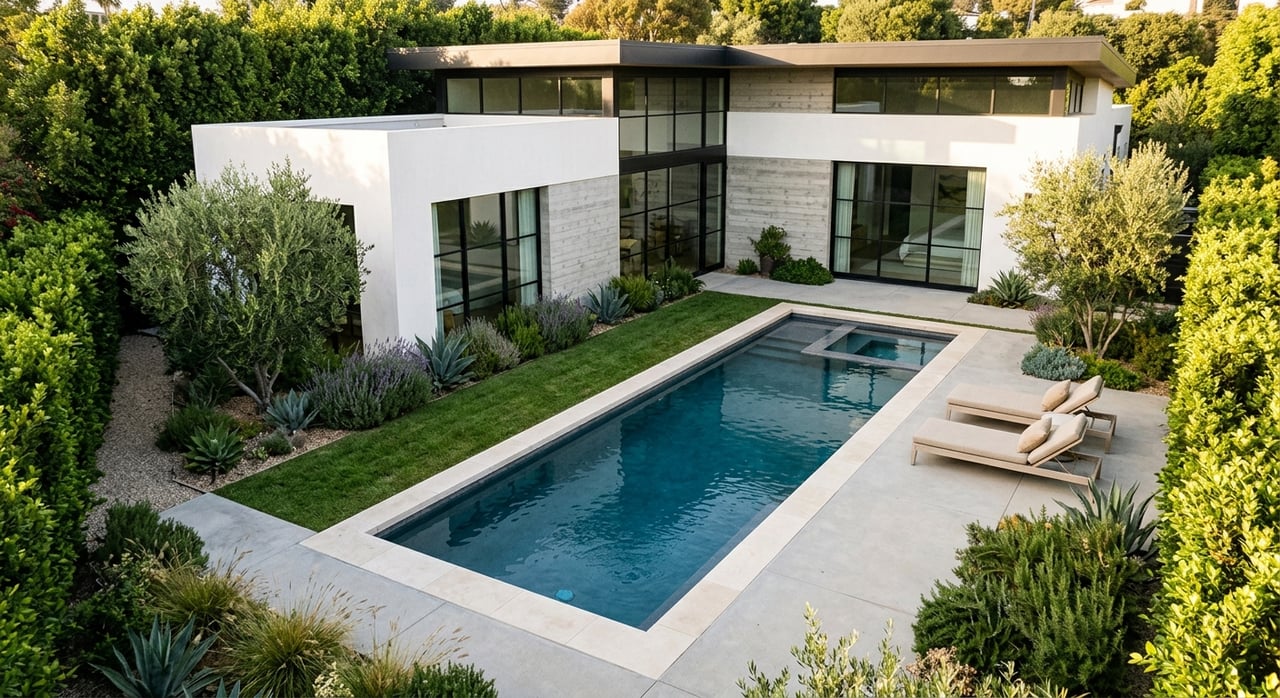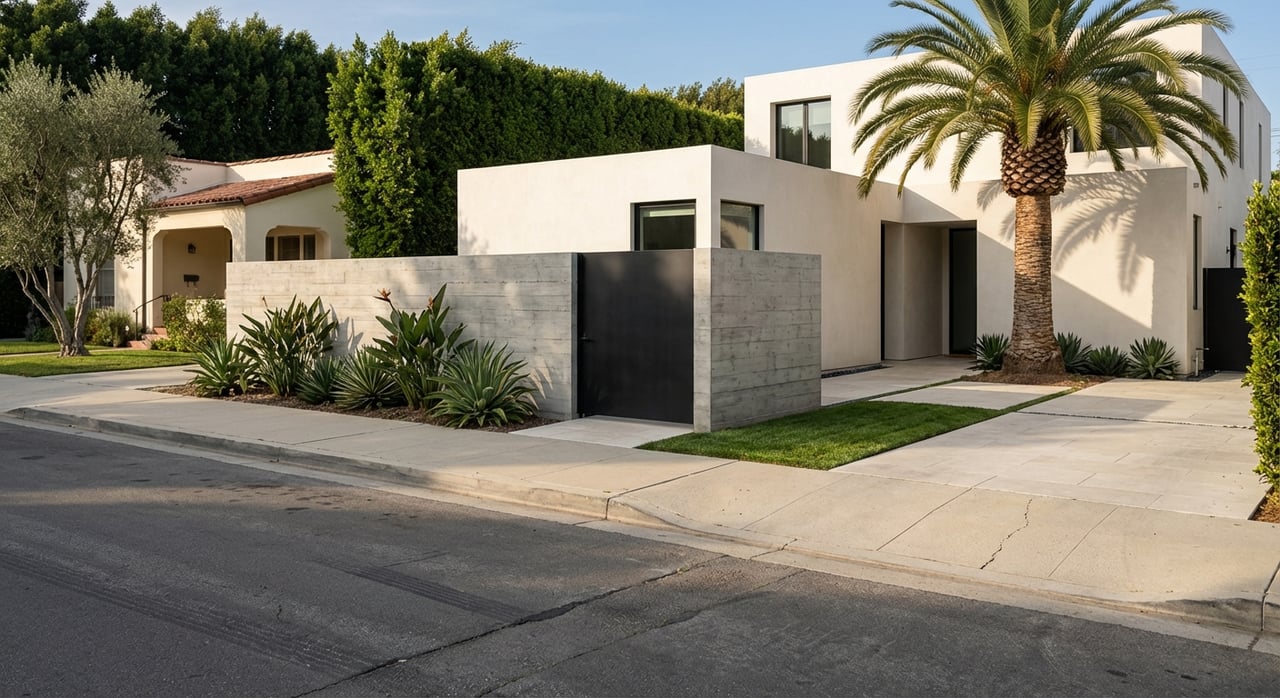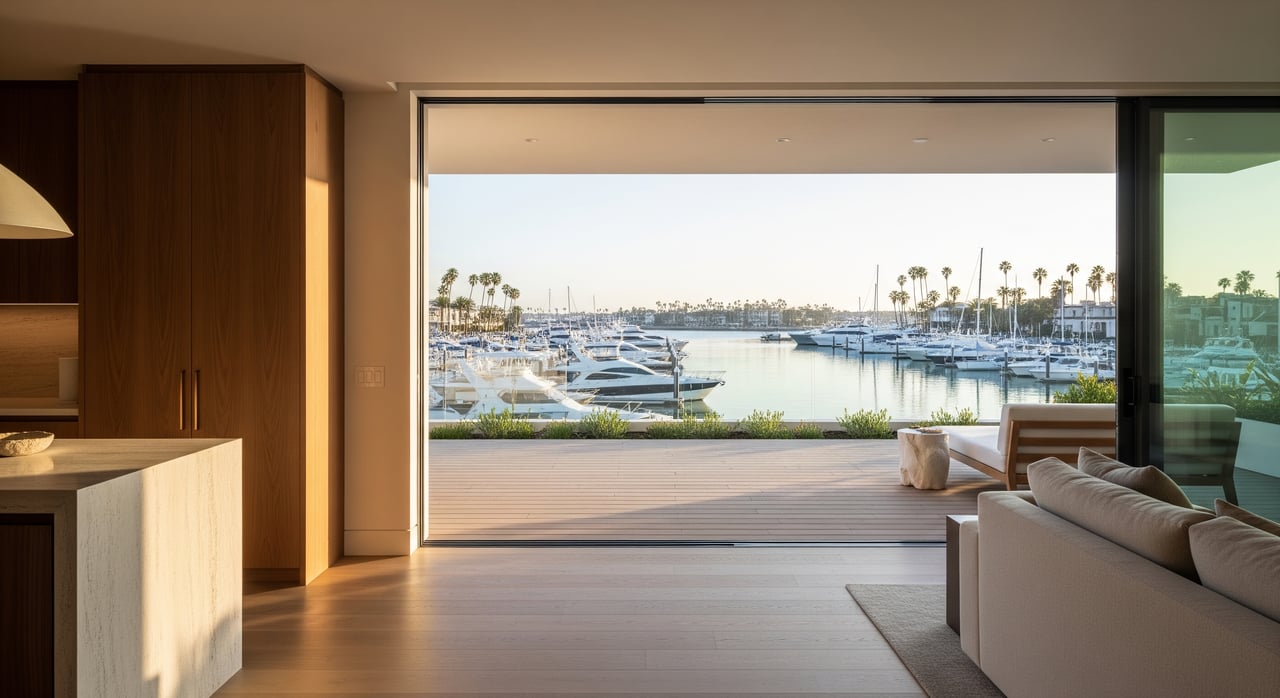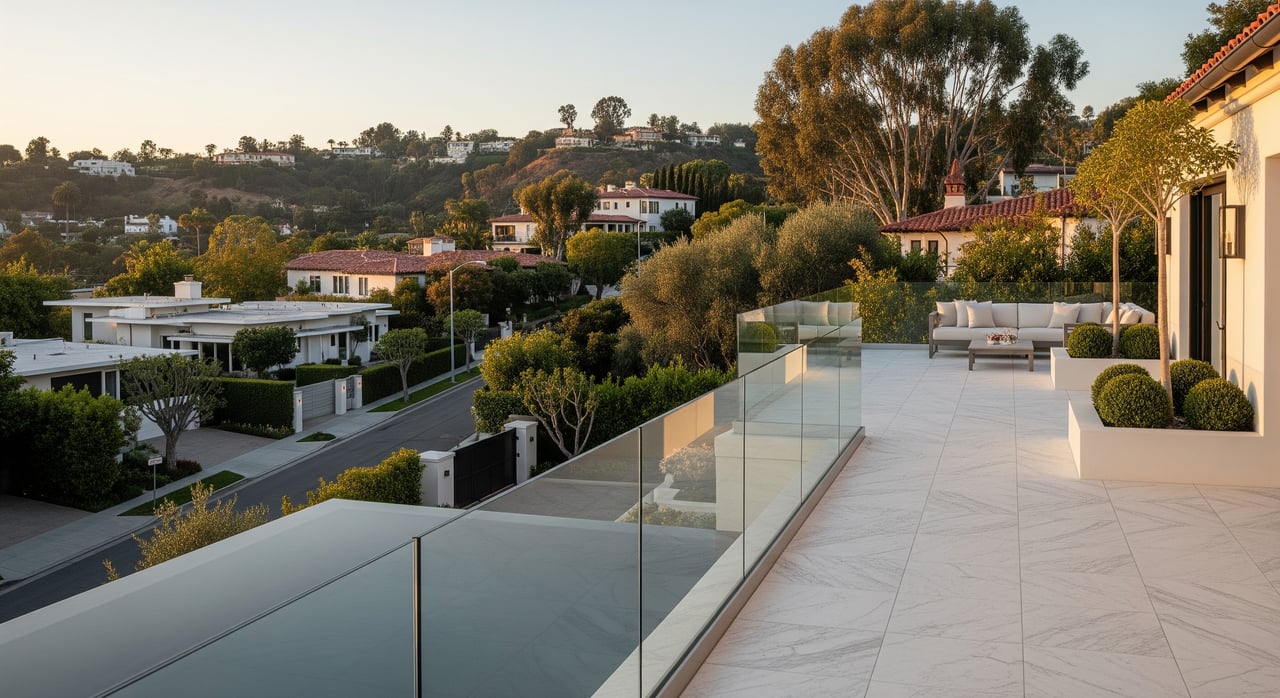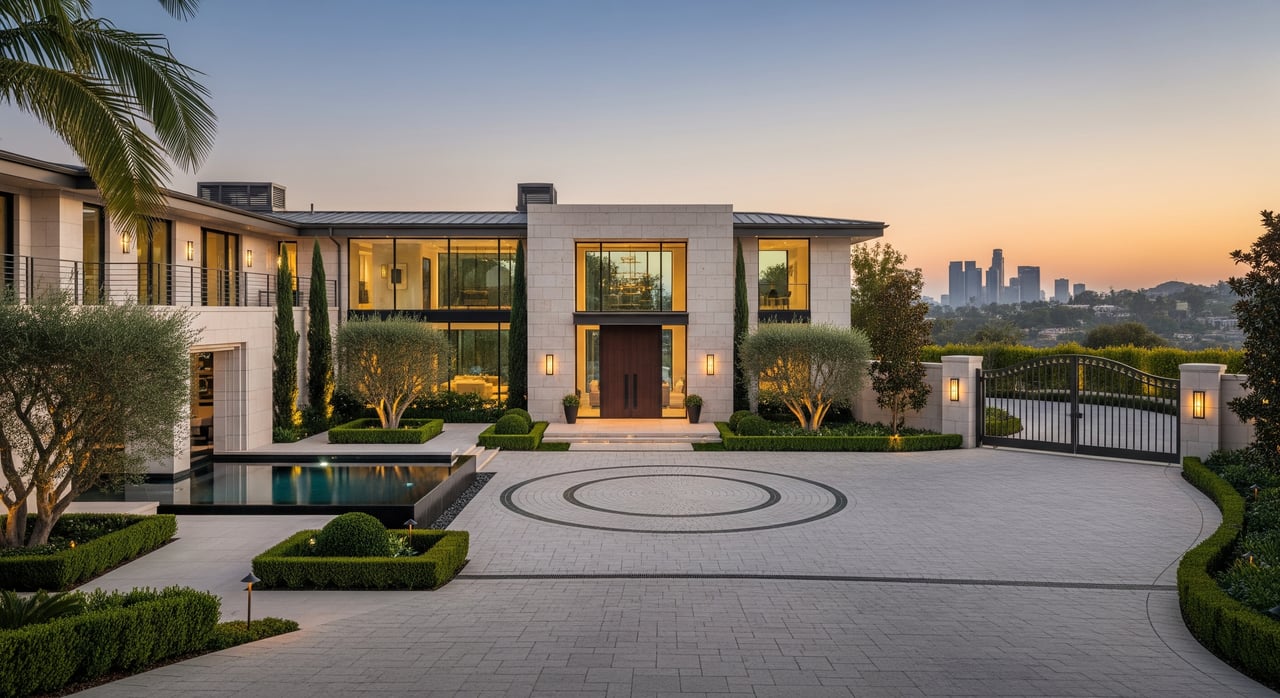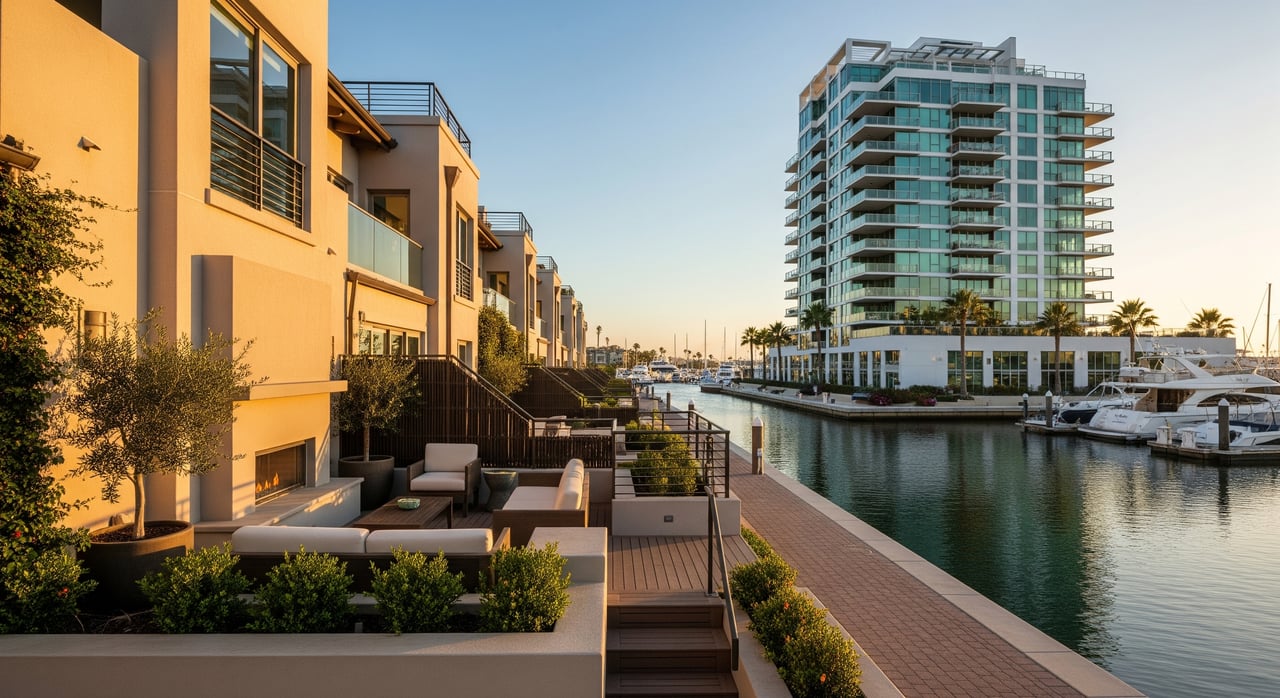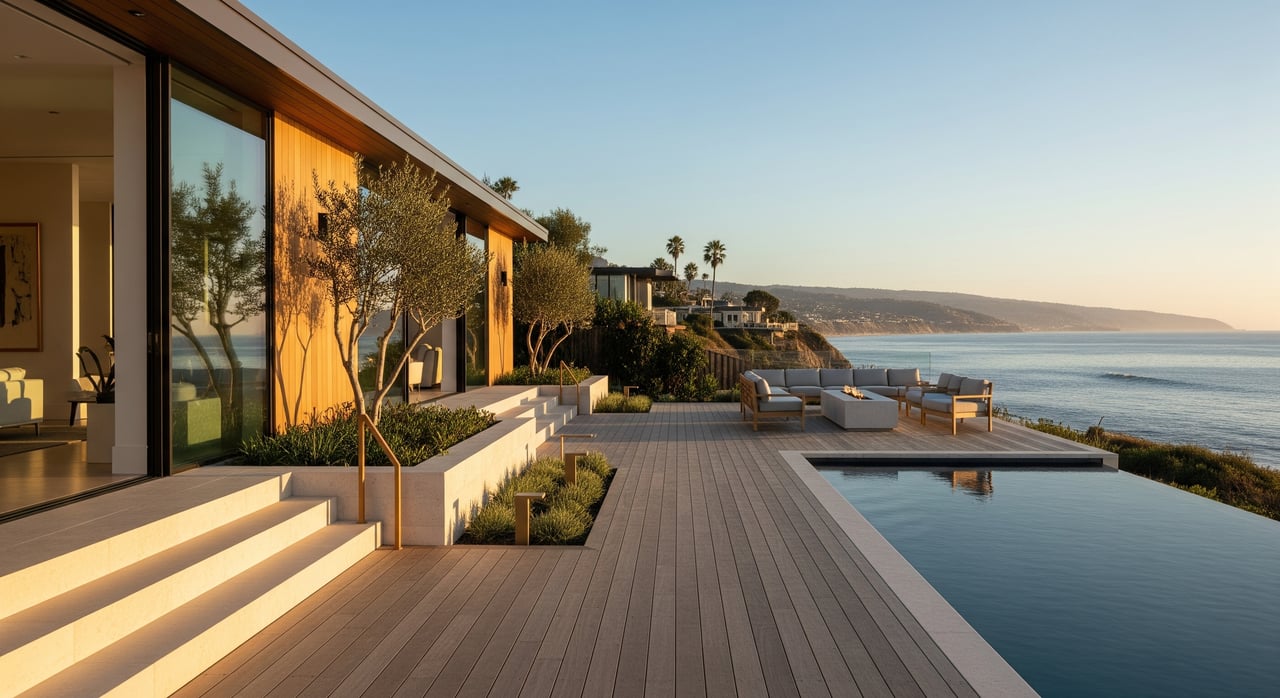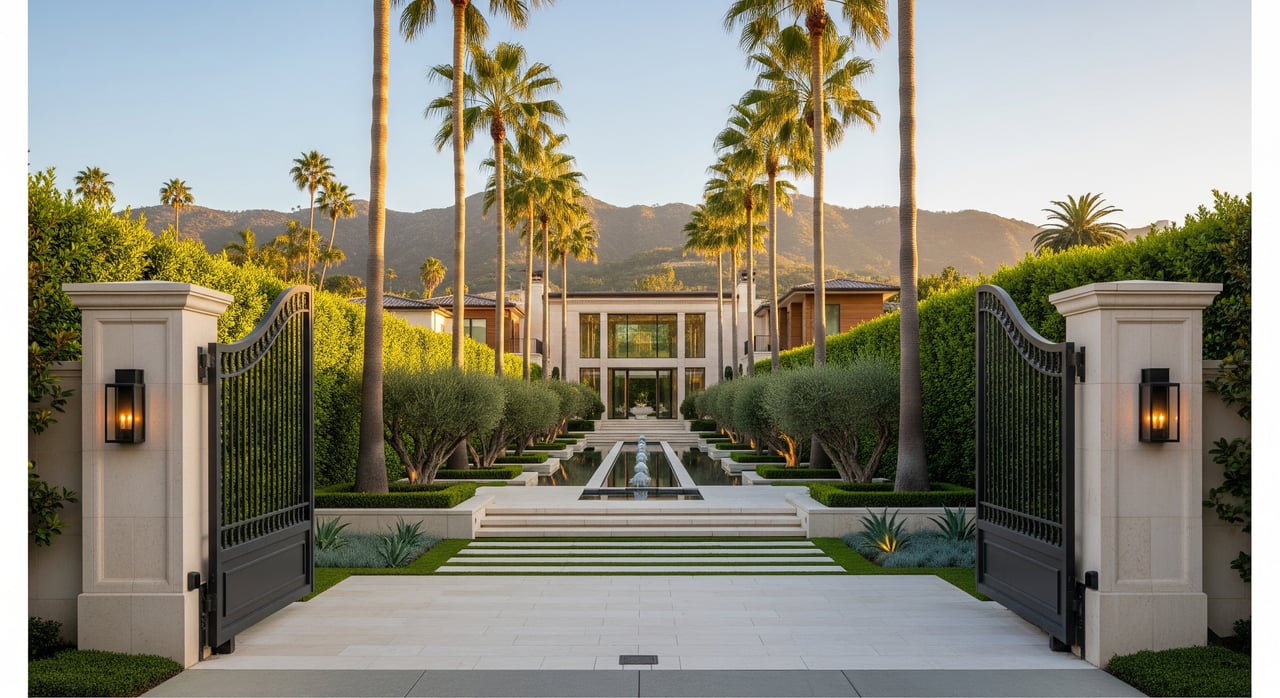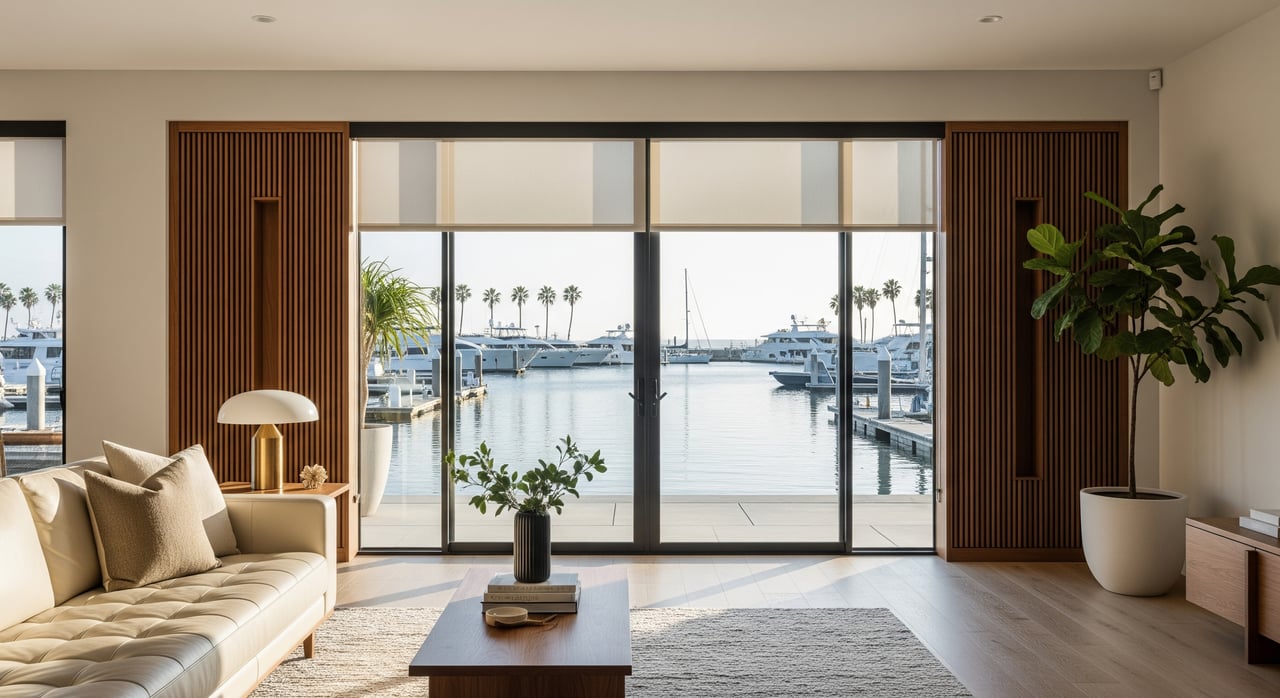
Privacy, security, and quiet streets are big reasons you might be drawn to gated living in Brentwood. You want the ease of controlled access without sacrificing convenience to Sunset, the 405, or canyon trails. In this guide, you’ll learn how gated and guard-gated communities work in 90049, where they are, how HOAs operate, and what to check before you buy. Let’s dive in.
Gated vs. guard-gated basics
Not all gates are the same. A “gated” neighborhood can be a set of formerly public streets that were legally closed and converted to private control, which shifts street maintenance and access rules to residents. A “guard-gated” community typically has a staffed gatehouse and patrol services, which adds a layer of human screening and concierge-style control. These differences change costs, rules, and even how emergency services enter.
Brentwood Circle is a prime example of neighborhood gating that followed a specific city action. The streets were closed with the support of a Los Angeles City Council vote in the 1990s, and the Getty Trust contributed to initial gate construction because of nearby access routes during the Getty Center build. You can read about the council action and funding in the original Los Angeles Times coverage of Brentwood Circle’s gating.
Guard-gated living in Brentwood is concentrated in small, private enclaves that contract for 24-hour staffing and patrol. The operating model is closer to a private campus than a simple automated gate, and it usually comes with higher HOA budgets to fund personnel and infrastructure.
Where to find gated living in Brentwood
Brentwood Circle
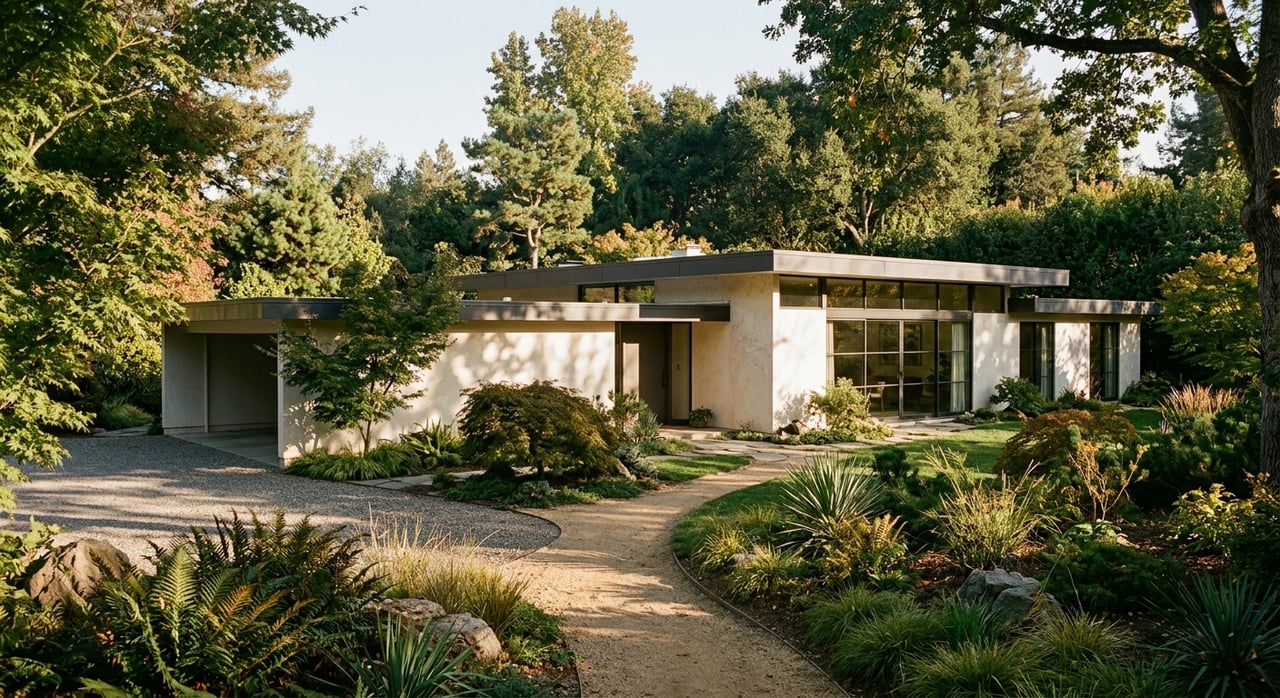
Tucked just north of Sunset near the 405, Brentwood Circle is an established, low-turnover neighborhood that became gated through the city’s formal street-closure process. Homes range from mid-century and traditional ranch styles to rebuilt estates on deeper lots by Westside standards. The enclave is private and discreet, and sales often occur with minimal public marketing.
Brentwood Country Estates
Set in Lower Mandeville Canyon, Brentwood Country Estates is a very small, tightly held guard-gated enclave developed in the 1990s. It is known for large estate sites with canyon and ocean outlooks and for manned security with limited access. Inventory is scarce, and offerings tend to sit at the top of the local market due to lot size, privacy, and design scale.
MountainGate
Atop the Sepulveda Pass, MountainGate is a planned, gated community with several sub-neighborhoods and a private club environment. You’ll find both attached townhome clusters with lower-maintenance living and custom estates behind additional gates. For community context, the MountainGate Country Club site helps illustrate the setting and amenities that many residents value.
Other private gates and cul-de-sacs
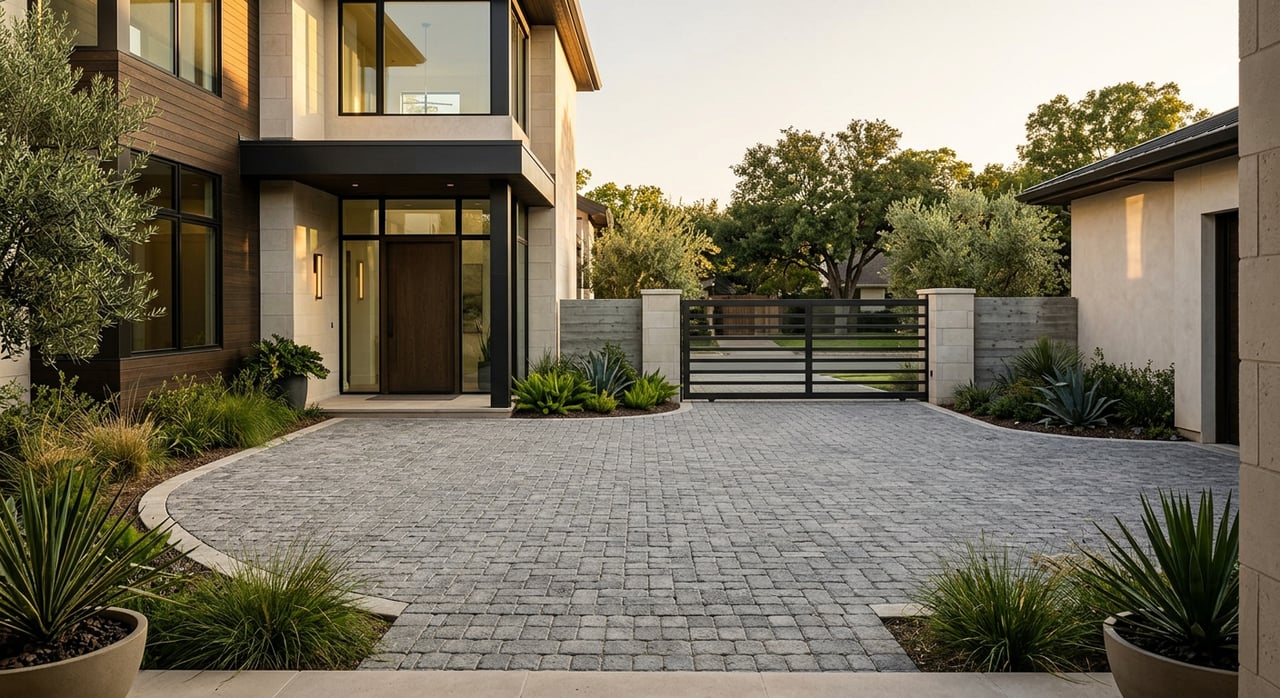
Beyond these named enclaves, Brentwood includes custom estates behind private driveway gates and small, gated cul-de-sacs. Many of these properties trade quietly. If discretion is important, you can expect off-market conversations and controlled private showings.
HOA governance that shapes your experience
In California, common-interest communities are governed by the Davis-Stirling Common Interest Development Act. This framework dictates board duties, open meeting rules, disclosure requirements, and what you are entitled to receive during a resale. Understanding these rules helps you evaluate fees, special-assessment risk, and how security policies are set.
Reserve funding is a key lens for any gated or guard-gated HOA. California Civil Code 5550 requires associations to obtain a professional reserve study on a set schedule when major components meet value thresholds, then review that study annually. This is where you see long-term funding for gate operators, guardhouses, private streets, lighting, and landscaping. For a practical overview, review this summary of California Civil Code 5550 reserve study requirements.
In places like Brentwood Circle, where the city vacated public streets, residents assumed certain maintenance responsibilities. That decision changes budgets and liabilities, since streets and related infrastructure become part of the association’s long-term plan. It is important to confirm how your particular HOA allocates those costs.
Security, privacy, and emergency access
Staffing vs. technology
Guard-gated communities fund personnel who screen visitors and manage deliveries. The benefit is judgment and service, which many executives and public-facing clients value. Automated or remote-monitored gates reduce staffing costs yet rely more on intercoms, transmitters, keypads, and redundant power systems that require consistent maintenance.
Fire code and emergency access
Any gate across a fire department access road must comply with local code and approved emergency operation methods. That typically includes an authorized key switch or box, radio receiver, or other approved device, plus a fail-open setting during power loss and a valid permit. Before buying, verify the gate’s permit and maintenance practices against the approved emergency access requirements. Ask the HOA and, if needed, the local Fire Prevention office for documentation.
Everyday operations that matter
Day-to-day living behind a gate can change how guests, couriers, and service providers access your property. You will want clear vendor instructions, a process for recurring contractors, and call-ahead protocols for events. If privacy is a priority, also review signage rules, camera and fencing guidelines, and how the community handles showing approvals for listings.
Resale and market dynamics in 90049
Gated and guard-gated pockets in Brentwood are small and low-turnover. Limited inventory can support price stability at the high end, yet it also narrows the buyer pool when overall demand softens. In practice, the strongest value drivers remain lot size, views, architecture, and micro-location. The presence of a gate is one factor among many and should be weighed alongside recent comparable sales and days-on-market trends.
For the most accurate picture, review a fresh comp set that distinguishes guard-gated estate sites from gated townhome enclaves. The ownership experience and fee structures differ, and buyers compare them differently at resale.
Buyer checklist for gated living
Use this list before you write an offer or schedule a private tour. Ask the seller or HOA to provide the following in writing:
- Full CC&Rs, bylaws, and all gate, guest, and contractor access rules. The Davis-Stirling Act outlines disclosures you can request.
- Current HOA budget, insurance certificates, the security contract, and recent invoices for gate and guard services.
- Latest reserve study and the board’s reserve funding policy. See the overview of Civil Code 5550 reserve study requirements.
- Gate permits and fire department approvals that show emergency access compliance. Reference local standards summarized in this gate access ordinance excerpt.
- Records of special assessments, capital projects for gate operators or guardhouse repairs, and any open litigation or enforcement actions.
- Privacy practices that matter to you, including showing protocols, off-market strategies, and options for confidentiality in escrow.
- Operational details like visitor sign-in, contractor scheduling, EV charger and solar policies, package handling, and parking or valet rules.
Is gated living right for you
If you value controlled access, fewer passersby, and a community with defined standards, gated or guard-gated life in Brentwood may fit you well. The tradeoff is higher HOA involvement and infrastructure that must be funded and maintained. Your best move is to pair property-level due diligence with a close read of the association’s financials and rules, then decide which security model and neighborhood character match your lifestyle.
When you want discreet access to opportunities in Brentwood Circle, Brentwood Country Estates, MountainGate, and private-gated estates nearby, connect with Gina Martino. You will get hyper-local guidance, off-market reach, and a calm, confidential process from search to closing.
FAQs
What is the difference between gated and guard-gated communities in Brentwood
- Gated neighborhoods use controlled entries, while guard-gated enclaves add staffed gatehouses and patrols that manage visitor screening and access in real time.
How do HOAs in gated enclaves set rules and fees
- HOAs operate under the Davis-Stirling Act, publish budgets and reserve studies, and enforce CC&Rs that cover security, streets, landscaping, and architectural standards.
How do emergency services access gated communities in Los Angeles
- Gates on fire department access roads must have approved override systems, fail-open features, and valid permits, which the HOA maintains and provides to responders.
What types of homes are in MountainGate versus Brentwood Circle
- MountainGate mixes townhomes and custom estates across sub-neighborhoods, while Brentwood Circle is primarily single-family homes on private, gated streets.
Do gates increase resale value in Brentwood’s 90049 market
- A gate can help when privacy is scarce, but price is usually driven by lot, views, architecture, and location, so evaluate recent comps for a true picture.
How do deliveries and contractors work behind a guard-gate
- You or the HOA set vendor lists and call-ahead procedures, and guards verify entry, so plan clear instructions for couriers, recurring services, and event parking.