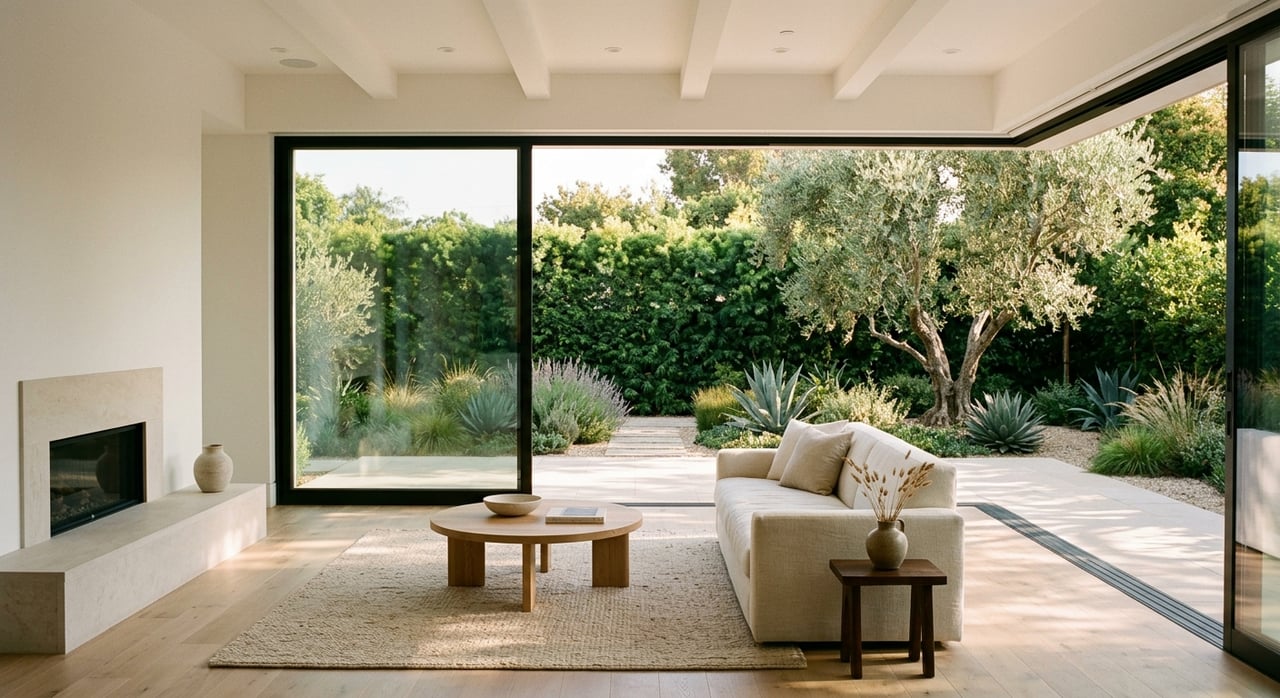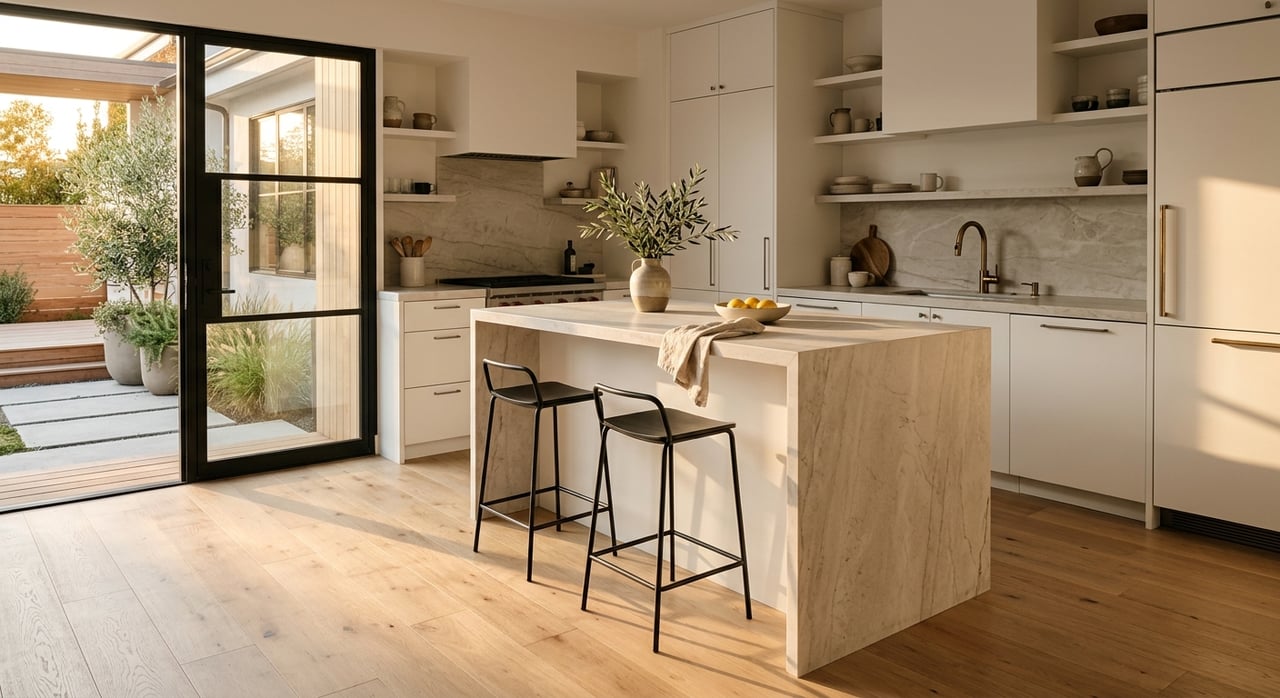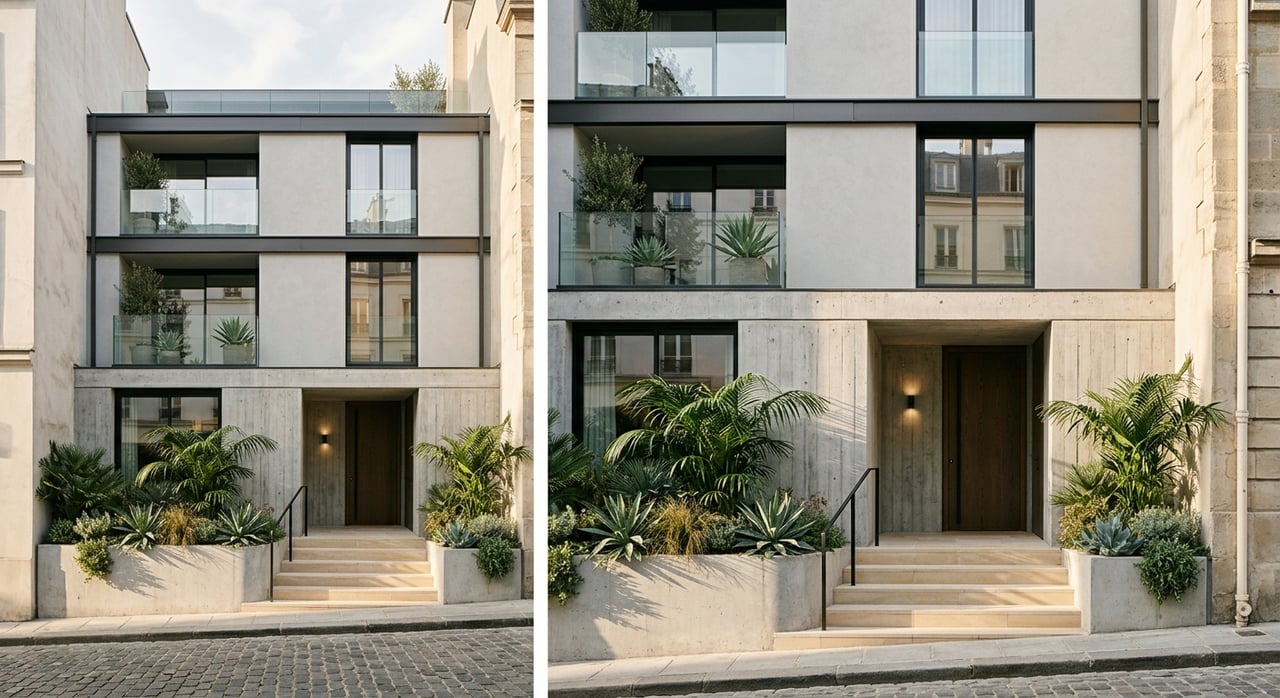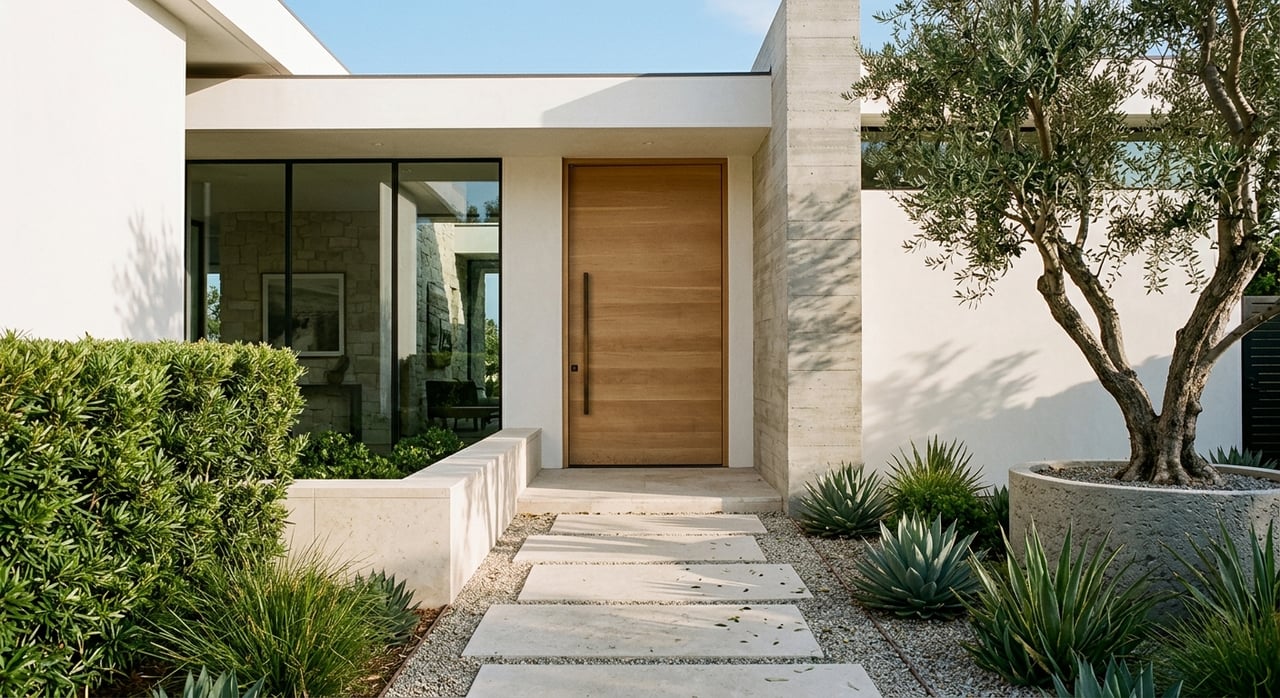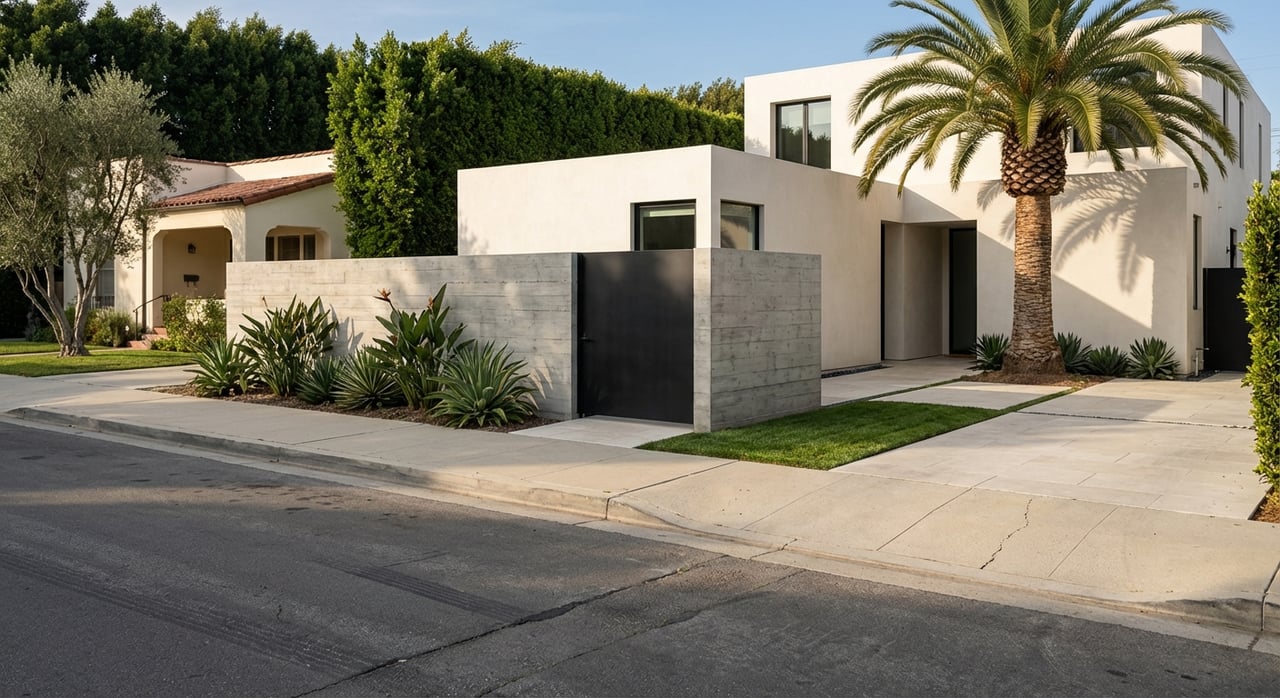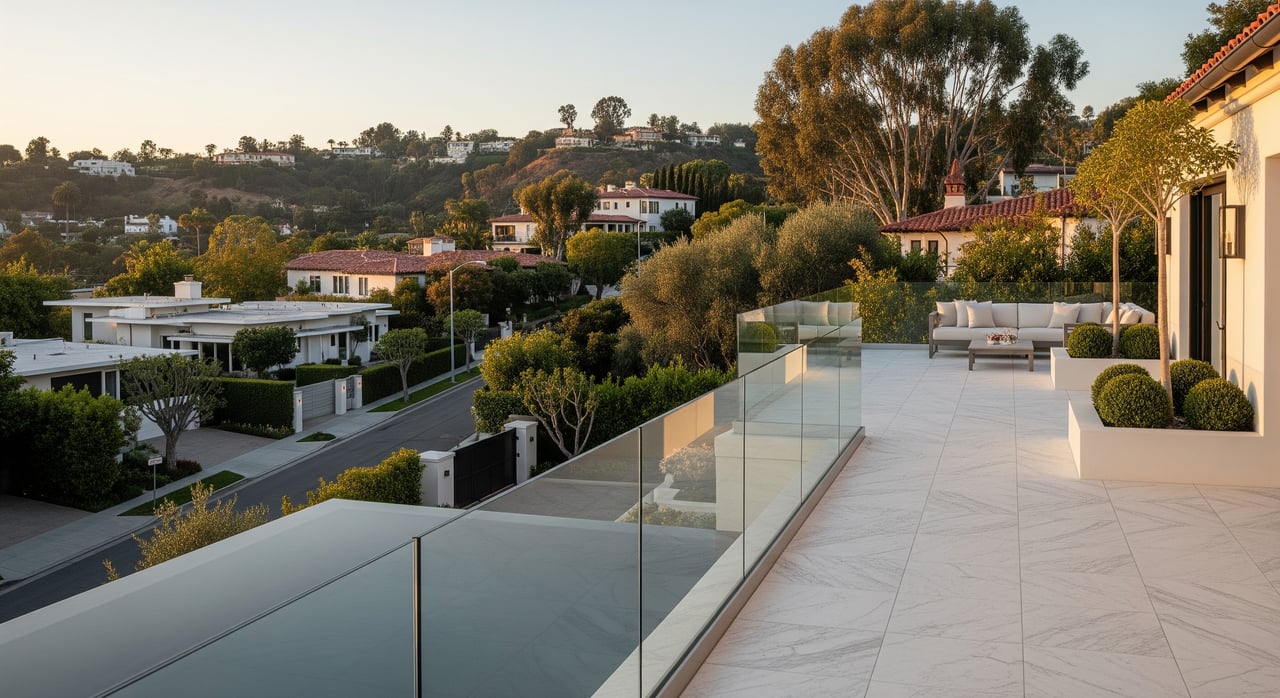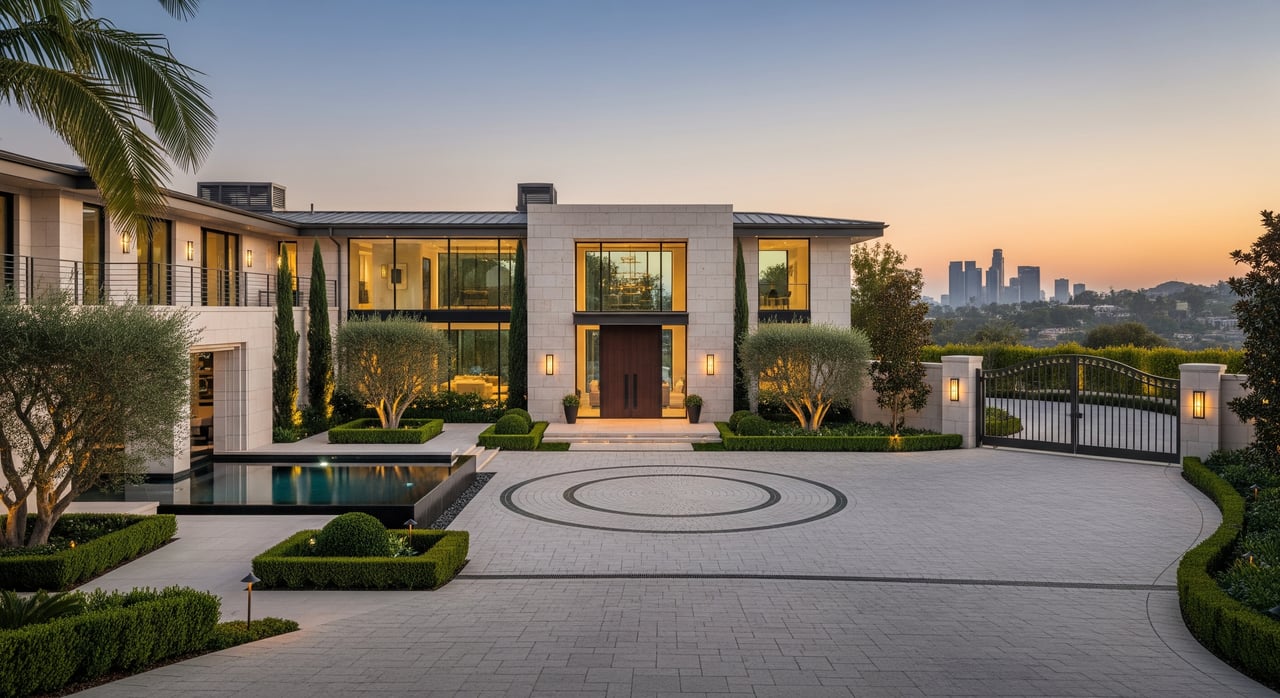
If you are looking at an older Beverly Hills home, the real question is often not can you improve it, but whether the lot allows you to create more value by renovating or starting over. That choice can feel especially complex here because Beverly Hills has different rules for different single-family areas, plus added layers like historic review, hillside constraints, and demolition requirements. In this guide, you will learn the local signals that usually point toward renovation, the factors that can support a teardown, and the due diligence steps that can help you make a smarter decision before you commit. Let’s dive in.
Why Beverly Hills Is Different
In Beverly Hills, lot value can outweigh the condition of the existing house because land is limited and development rules vary by location. The city separates single-family properties into the Central Area, Hillside Area, and Trousdale Estates, and each one comes with its own building envelope and review path, as outlined in the city’s single-family regulations.
That means there is no one-size-fits-all answer. Beverly Hills does not use a single universal maximum house size, and the allowed floor area and height depend on the area, lot size, and whether the site is level or sloped, according to the city’s single-family development standards summary.
Start With the Buildable Envelope
Before you compare construction budgets, you need to understand how much of the lot’s legal envelope is still unused. In many Beverly Hills deals, that is the pivot point between a smart renovation and an expensive teardown that does not deliver enough upside.
If the existing home already sits close to setback, height, or floor-area limits, renovation may be the more practical move. If the lot still has meaningful unused capacity and the current home is functionally outdated, teardown can become more compelling.
Central Area Rules to Know
For many Beverly Hills properties, the Central Area is where renovation-versus-teardown decisions get more nuanced.
Central Area floor area and height
In the Central Area, a single-family home generally must be at least 1,600 square feet. Total floor area is capped at 1,500 square feet plus 40% of the site area, based on the city code’s Central Area standards.
Height also varies. Depending on where the property sits relative to Santa Monica Boulevard, along with roof form and side-yard width, the maximum height generally ranges from about 25 to 34 feet.
Central Area design review
In the Central Area, exterior work visible from a public street can trigger design review. That matters because a large renovation may not be just a construction question. It may also become an approval-path question.
The city allows staff-level Track 1 review only when the project is designed by a California-licensed architect and qualifies as a pure architectural style. For owners who want a simpler path, that review layer can make renovation more attractive if you can work within the home’s existing form.
Hillside Area Can Change the Math Fast
In the Hillside Area, the limits are often less about appearance and more about physical constraints.
Hillside floor area and pad limits
Hillside homes also require a minimum of 1,600 square feet. The code allows up to 4,500 square feet of total floor area in some cases, but off-pad floor area is capped at 1,000 square feet unless a Hillside R-1 permit is granted, according to the city’s Hillside Area regulations.
That means a large lot does not always equal a large building opportunity. Slope and level-pad conditions can sharply reduce what is practical to build.
Hillside height and setbacks
The default height limit in the Hillside Area is 26 feet, with a 30-foot height envelope allowed in certain configurations. Side setbacks are generally 10 feet or 12% of lot width, whichever is greater.
The city also notes that there is no design review process in the Hillside Area. So the main risk is usually not façade approval. It is whether the site conditions, grading realities, and pad constraints support the plan you have in mind.
Trousdale Estates Often Favors Renovation
Trousdale Estates deserves its own category because redevelopment can be especially restrictive there.
Under the current code, new construction must stay within the existing level pad. The city’s SB 9 standards also state that no new level pad may be created and no part of units may be built off the existing level pad in Hillside or Trousdale areas, based on the city code’s Trousdale Estates standards.
The floor-area rule mirrors the formula used elsewhere: 1,500 square feet plus 40% of site area. The current side setback is 5 feet. In practical terms, if the existing house already fits well within the usable pad and setback envelope, renovation may be much more efficient than a teardown.
Historic Review Can Be a Major Filter
One of the biggest issues buyers and owners overlook is historic review. In Beverly Hills, demolition is not just a construction decision.
A property may qualify as a local landmark if it is at least 45 years old or has extraordinary significance, retains substantial integrity, and continues to hold historic value to the community, according to the city’s landmark designation guidelines. The city also states that historic preservation verification must be completed before any demolition permit is issued.
This can materially affect timeline, certainty, and cost. It can also shift the best strategy if the home has possible designation risk.
When historic status may support renovation
If a property is designated, the city’s Historic Incentive Permit may waive or modify standards such as height, floor area, setbacks, ADUs, fence heights, and slope regulations. Landmark status may also create potential access to a Mills Act tax benefit.
So while historic status can complicate demolition, it may also create a path where preserving and improving the home makes more financial sense than replacing it.
Timing and Permits Matter More Than You Think
In Beverly Hills, project timing can change the economics of the deal almost as much as construction cost.
The city’s plan review and permitting guide lists new single-family homes on a level pad under a 3-week expedited plan-check path, while new hillside single-family projects fall into a more complex 7-week category. That difference alone can affect your carry costs and planning calendar.
Demolition also involves more than pulling down the structure. The city’s checklist requires historic-preservation clearance first, then additional items such as landscape, irrigation, fencing, and property-maintenance plans, a covenant and agreement, and a vacant lot bond.
Holding Costs and Interim Use
If you are buying for a value-add strategy, interim flexibility matters too.
Beverly Hills prohibits short-term rentals citywide, and the minimum initial lease term is 12 months, as stated on the city’s short-term rental rules page. Single-family residences are exempt from the city’s Rent Stabilization Ordinance, but the lack of short-term rental flexibility can still make holding periods less forgiving for investors.
For some owners, that pushes the numbers toward a faster renovation rather than a longer entitlement and rebuild cycle.
Fire Zone Issues Can Affect North-End Lots
For properties near the hills, the equation may include fire-related compliance as well.
The city says its interim SB 9 urgency ordinance was updated in 2025 and, after a June 17, 2025 extension, is set to expire on May 5, 2026 unless extended again, according to the city’s planning policy efforts page. That same page notes that the Building Official must review SB 9 projects in the Very High Fire Hazard Severity Zone for specific adverse public-safety impacts.
Separately, the Beverly Hills Fire Department conducts annual brush-clearance inspections in the Very High Fire Hazard Severity Zone, requiring defensible space and vegetation removal around structures, as explained in the city’s Brush Clearance Program. If your lot sits in the north end or hillside area, those ongoing obligations should be part of your holding-cost analysis.
When Renovation Usually Makes More Sense
In Beverly Hills, renovation often becomes the better option when local rules limit the upside of a fresh rebuild.
You may lean toward renovation when:
- The existing house already sits close to setback, height, or floor-area limits
- The property is in the Central Area and visible exterior changes could trigger design review
- The home may have historic significance or demolition-review risk
- The lot is in Trousdale Estates and the existing level pad leaves little room for a better replacement strategy
- You want to shorten timelines and reduce entitlement uncertainty
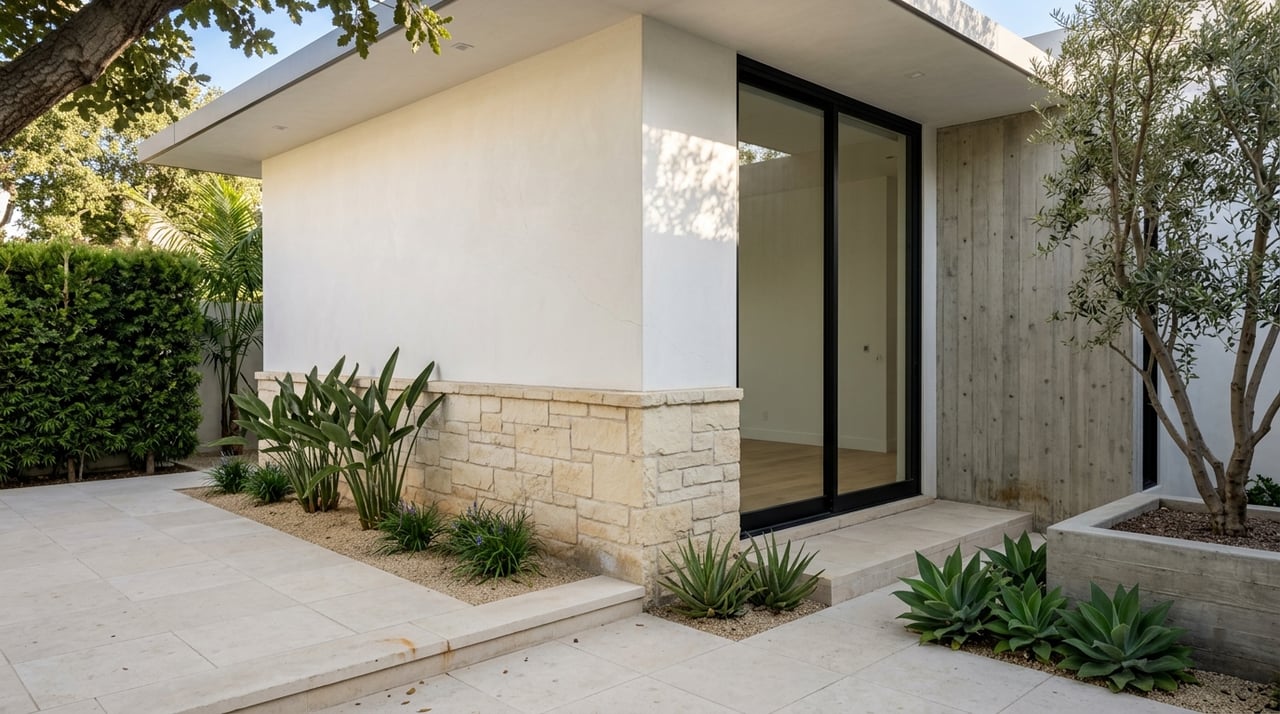
Renovation can also make sense when an accessory structure adds utility without requiring a full rebuild.
When Teardown May Be the Better Play
A teardown can still be the right move when the lot offers meaningful unused envelope and the existing home no longer fits modern needs.
You may lean toward teardown when:
- The lot has clear unused buildable capacity under current rules
- The current house is functionally obsolete
- A preliminary historic screen comes back clean
- The expected value of a replacement home justifies the added timeline, permitting, and carrying costs
- The site conditions support the design you want without major pad or slope limitations
The key is to test the upside against the real approval path, not the best-case scenario.
ADUs Can Shift the Strategy
Not every value-add plan requires a teardown. In some cases, an ADU can improve utility and long-term flexibility while preserving the main house.
Beverly Hills allows an additional incentive ADU on single-family properties with 13,000 square feet or more of lot area, and the city reviews those projects through building-permit plan check, as noted on the city’s long-range planning and policy page. For the right property, that can make renovation more competitive than replacement.
A Smart Beverly Hills Due Diligence Checklist
Before you decide to renovate or tear down, work through the local filters in the right order. This can save you time, money, and avoidable disappointment.
Start with this checklist:
- Confirm the property’s single-family area using the city’s zoning code maps
- Verify the setback record and applicable development standards
- Screen for historic designation or any survey mention
- Check whether the lot sits in the Very High Fire Hazard Severity Zone
- Determine whether ADU or SB 9 options are realistically usable
- Compare permit timing and holding costs against the value added by renovation versus replacement
In my experience, this is where local, block-level analysis matters. Two Beverly Hills properties with similar square footage can have very different redevelopment potential based on area designation, pad conditions, visibility, or historic risk.
The Bottom Line for Beverly Hills Buyers and Owners
In Beverly Hills, the best answer is rarely emotional and almost never generic. It comes down to the lot’s legal envelope, the home’s historic and functional profile, the project timeline, and how much value you can realistically create under current city rules.
If you are considering a purchase, preparing a sale, or evaluating a value-add opportunity in Beverly Hills, I can help you look at the property through both a market and execution lens. For discreet guidance on renovation upside, teardown potential, and off-market opportunities, connect with Gina Martino.
FAQs
Should you renovate or tear down a Beverly Hills house first?
- You should first confirm the property’s area designation, buildable envelope, setback record, historic status, and any fire-zone issues before deciding whether renovation or teardown creates more value.
What rules affect a Beverly Hills teardown most?
- The biggest filters are area-specific floor area and height rules, level-pad and slope limits, historic-preservation clearance, demolition checklist requirements, and project timing.
Does the Central Area in Beverly Hills make renovation harder?
- It can, because exterior work visible from a public street may trigger design review, which can add complexity to a major remodel or replacement project.
Why does Trousdale Estates often favor renovation over teardown?
- Trousdale can favor renovation because new construction must stay within the existing level pad, which can limit how much a replacement home can improve on the current structure.
Can an ADU make renovation a better option in Beverly Hills?
- Yes, in some cases, because Beverly Hills allows an additional incentive ADU on single-family lots of 13,000 square feet or more, which can add utility without requiring a full rebuild.