What does “outdoor living” really look like in Pacific Palisades? Here, it is not just a weekend perk or a marketing phrase. It is part of the area’s daily rhythm, shaped by beaches, canyons, mesas, trails, and a village pattern that supports time outside. If you are thinking about buying, selling, or simply understanding the lifestyle, this guide will help you see how outdoor access works across Pacific Palisades today, including a few important recovery updates after the 2025 fire. Let’s dive in.
Outdoor Living Starts With the Setting
Pacific Palisades sits about 15 miles west of downtown Los Angeles, between the Pacific Ocean and the Santa Monica Mountains. In the broader Brentwood-Pacific Palisades Community Plan Area, more than 55% of the gross land area is public open space. That is a meaningful figure because it helps explain why the area feels so tied to the outdoors.
The landscape is defined by mesas separated by Santa Monica, Rustic, Temescal, and Santa Ynez canyons. Along the southern edge, the coastline influences day-to-day routines. Further inland, canyon and ridgeline terrain affects how streets, lots, and open spaces are laid out.
Beaches and Trails Shape Daily Routines
For many people, outdoor living in Pacific Palisades starts with direct access to beach time, trail time, or both. Rather than one central park serving everything, the area offers a mix of coastal recreation, neighborhood park space, and larger regional trail connections.
This matters when you are evaluating a home. Your day-to-day experience can vary based on whether you want quick access to the beach, easier trail entry, or a location closer to the commercial core.
Will Rogers State Beach for Everyday Coastal Use
Will Rogers State Beach is one of the clearest outdoor anchors in the area. Los Angeles County lists more than 3 miles of beach frontage and about 103 acres, with amenities that support regular use instead of occasional visits.
Available features include beach access mats, beach wheelchairs, bike path access, picnic tables, restrooms, and showers. Common activities include biking, surfing, swimming, volleyball, fishing, diving, and windsurfing. For current planning, it is worth noting that Lot 5 is closed due to wildfire recovery work.
Temescal Gateway Park for Canyon Access
Temescal Gateway Park offers a different kind of outdoor routine. This 141-acre park sits at the inland edge of the community and includes oak and sycamore canyons along with ridge-top views.
It also connects to miles of trails in Topanga State Park, Will Rogers State Historic Park, and the broader Santa Monica Mountains network. The park can be reached by Los Angeles Metro bus and Santa Monica Blue Bus routes, which adds another layer of practical access.
Will Rogers State Historic Park for Trails and Open Space
Will Rogers State Historic Park remains a major part of the area’s outdoor identity. California State Parks notes that it is open with restrictions, with day-use parking available from 8:00 a.m. to sunset.
Current uses include hiking trails, horseback riding, picnic areas, guided tours, and the visitor experience around the historic ranch site. Trail options include the 2-mile loop to Inspiration Point, the 2.1-mile Rivas Canyon Trail to Temescal Gateway Park, and access to the Backbone Trail into the Santa Monica Mountains.
Topanga State Park Expands the Trail Network
Topanga State Park adds scale to the Palisades outdoor experience. California State Parks says the park spans 11,525 acres and includes a 36-mile canyon-and-ridgeline trail system.
For residents, that means outdoor living can stretch well beyond a single neighborhood walk. It supports everything from short local outings to longer trail days, depending on how you like to spend your time outside.
Neighborhood Parks Still Matter
Large destinations get most of the attention, but smaller parks often shape everyday life more directly. City Recreation and Parks lists both Rivas Canyon Park and Santa Ynez Canyon Park in Pacific Palisades, with dawn-to-dusk hours.
These neighborhood-scale spaces matter because they offer more casual, repeat use. They can support a quick morning walk, a reset after work, or a simple way to spend time outdoors without planning a full outing.
There is also an important recovery note here. Temescal Canyon Park is currently in restoration after fire damage, with work underway on landscaping, plantings, trails, irrigation, and erosion control.
The Village Adds a Walkable Layer
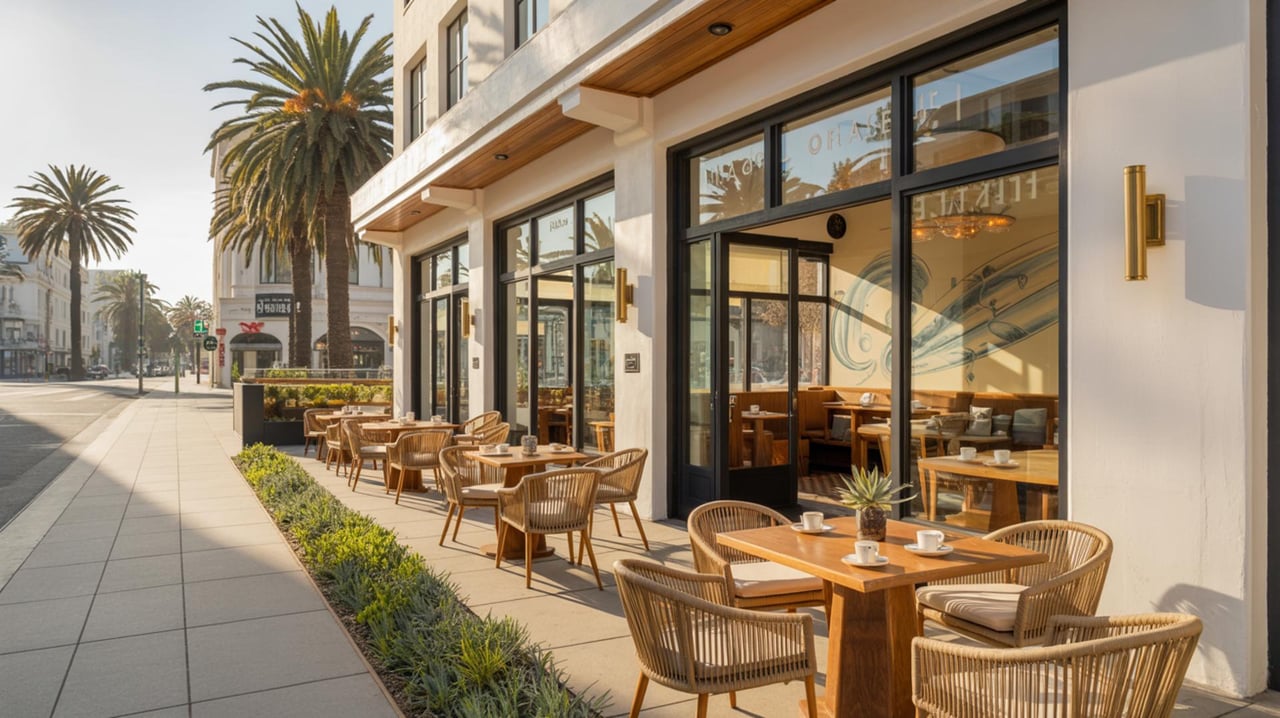
Outdoor living in Pacific Palisades is not only about parks and trails. It also shows up in the way the commercial core is organized.
The Pacific Palisades Commercial Village and Neighborhoods Specific Plan is intended to keep the Village and nearby commercial areas functioning as significant commercial centers, preserve low-intensity community-oriented uses, and enhance pedestrian orientation. In simple terms, that supports a more walkable, everyday pattern for errands, meals, and services.
The plan area covers the central Village as well as the Marquez, Santa Monica Canyon, and Sunset/PCH commercial areas. For buyers and sellers, that can help frame how different locations connect to daily routines.
Everyday Wellness and Daily-Use Amenities
Palisades Village’s directory is organized around daily-use categories such as Beauty & Wellness, Athletic Wear, Food & Beverages, Cinema, and Services. The current site snapshot labels the center temporarily closed, but the structure of the directory still reflects how the area supports lifestyle-oriented errands and routines.
There is also a weekly outdoor rhythm built into the community. The Pacific Palisades Certified Farmers’ Market takes place at 1038 N. Swarthmore Ave. on Sundays, year-round, from 8:00 a.m. to 2:00 p.m.
That kind of recurring, open-air destination often matters more than buyers expect. It gives shape to the week and adds a familiar local pattern that many people value when choosing where to live.
Recreation Centers and Programs
Public recreation programming adds another layer to the local wellness picture. Rustic Canyon Recreation Center currently lists sports and fitness programs including tennis, fitness exercise, basketball, dance, pickleball, volleyball, and health training.
Palisades Recreation Center lists a similar mix of sports and fitness programming, but it is currently closed for recreational programming until further notice following the Palisades Fire. If you are evaluating lifestyle access today, it helps to separate long-term neighborhood character from short-term recovery conditions.
How Terrain Affects the Way You Live
One of the most useful ways to think about Pacific Palisades is by understanding its micro-areas and topography. City survey material identifies Santa Monica Canyon, Rustic Canyon, the Founders Tracts, The Riviera, Castellammare, Miramar, and Huntington Palisades as distinct neighborhoods within the community.
The same survey notes that the area is characterized by mesas separated by canyons, and that canyon street patterns are often meandering and dictated by topography. That means outdoor living is not identical from one part of Pacific Palisades to another.
Village-Adjacent, Canyon, and Coastal Patterns
Some locations are more closely tied to the historic center near Sunset and Via de la Paz. Others connect more naturally to canyon trails, quieter winding streets, or the coastal corridor near Pacific Coast Highway.
The Riviera sits on the inland edge of Pacific Palisades, which helps illustrate how access patterns can shift within the broader area. Rather than thinking in terms of better or worse, it is often more useful to think in terms of fit.
Here are a few lifestyle questions worth asking when comparing homes:
- Do you want easier access to beach time or trail time?
- Would you use a walkable commercial area regularly?
- Do you prefer a street pattern shaped by flatter mesas or canyon topography?
- Are you looking for quick outdoor use during the week, or longer weekend recreation?
- How important is current access to public recreation programming?
Recovery Updates Matter Right Now
Pacific Palisades still offers a strong outdoor identity, but access is uneven in the wake of the 2025 fire. If you are buying or planning a move, current conditions should be part of your decision-making.
Will Rogers State Historic Park is open with restrictions, and the West Inspiration Loop trail and road are temporarily closed. California State Parks also notes that the January 2025 Palisades Fire damaged the historic ranch buildings.
Will Rogers State Beach remains open, though Lot 5 is closed due to wildfire recovery efforts. Temescal Canyon Park is still in restoration, and Palisades Recreation Center remains closed for recreational programming until further notice.
These details do not erase the area’s outdoor appeal. They simply mean that local knowledge matters more right now, especially if your home search is closely tied to a specific routine or amenity.
What This Means for Buyers and Sellers
If you are a buyer, Pacific Palisades rewards a more nuanced home search. Outdoor living here is highly real, but it shows up differently depending on whether you prioritize beach access, trail access, walkable errands, or a terrain-driven residential setting.
If you are a seller, this is also a reminder that lifestyle positioning should be precise. The strongest property story is usually the one that clearly explains how a home connects to the specific outdoor patterns nearby, while staying accurate about current recovery conditions.
In a market like Pacific Palisades, lifestyle is not a generic feature. It is hyper-local, shaped by geography, public open space, and the way each micro-area connects to the coast, the canyons, and the Village.
If you are considering a move in Pacific Palisades and want neighborhood-level guidance grounded in how people actually live day to day, Gina Martino offers the kind of thoughtful, discreet insight that can help you evaluate the right fit with clarity.
FAQs
What makes outdoor living in Pacific Palisades different from other Los Angeles neighborhoods?
- Pacific Palisades combines coastline, canyon terrain, mesas, and a large share of public open space, which creates multiple kinds of outdoor access in one community.
What outdoor destinations are most central to Pacific Palisades living?
- Key outdoor anchors include Will Rogers State Beach, Temescal Gateway Park, Will Rogers State Historic Park, Topanga State Park, Rivas Canyon Park, and Santa Ynez Canyon Park.
What should Pacific Palisades homebuyers know about outdoor access after the 2025 fire?
- Some amenities are still in recovery, including restrictions at Will Rogers State Historic Park, closure of Lot 5 at Will Rogers State Beach, restoration work at Temescal Canyon Park, and the closure of Palisades Recreation Center for recreational programming.
How does terrain affect daily life in Pacific Palisades neighborhoods?
- The area’s mesas and canyons shape street patterns, access routes, and how closely different homes connect to beaches, trails, parks, and commercial areas.
Is there a walkable commercial area that supports outdoor-oriented routines in Pacific Palisades?
- Yes. The Village and nearby commercial areas are planned to support pedestrian orientation, and the area also includes the year-round Pacific Palisades Certified Farmers’ Market on Sundays.
Are there recreation and fitness options in Pacific Palisades beyond trails and beaches?
- Yes. Rustic Canyon Recreation Center currently lists sports and fitness programs including tennis, fitness exercise, basketball, dance, pickleball, volleyball, and health training.