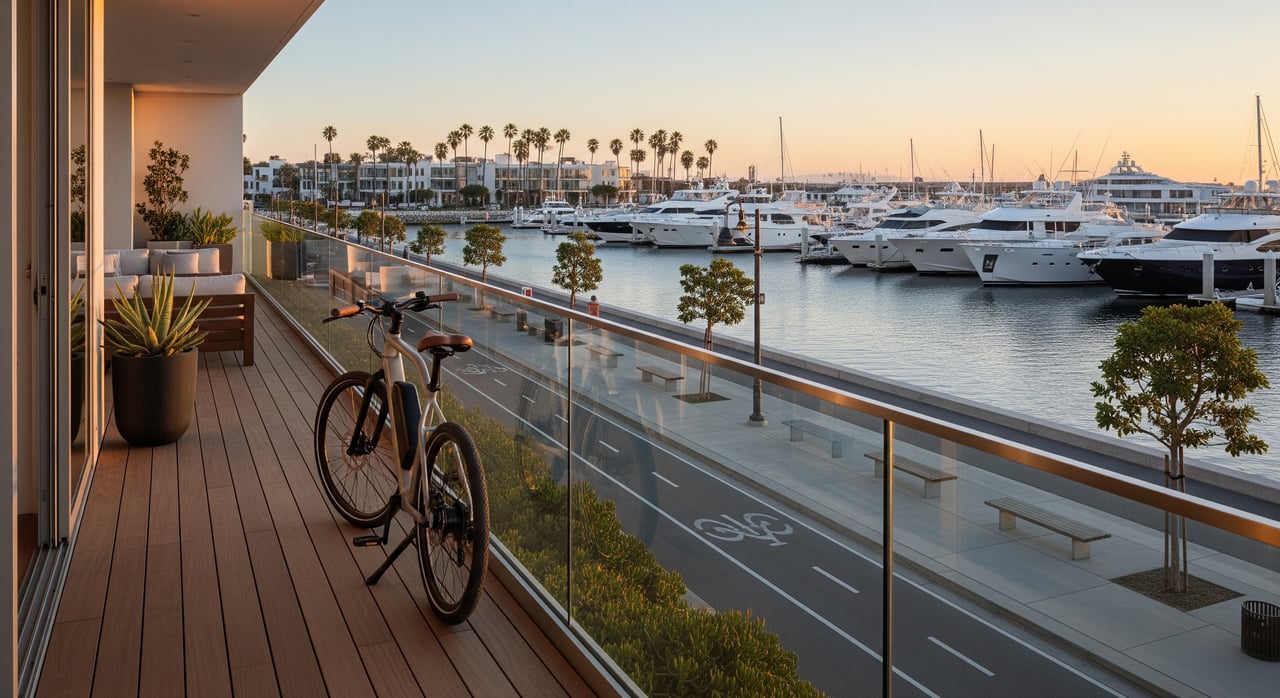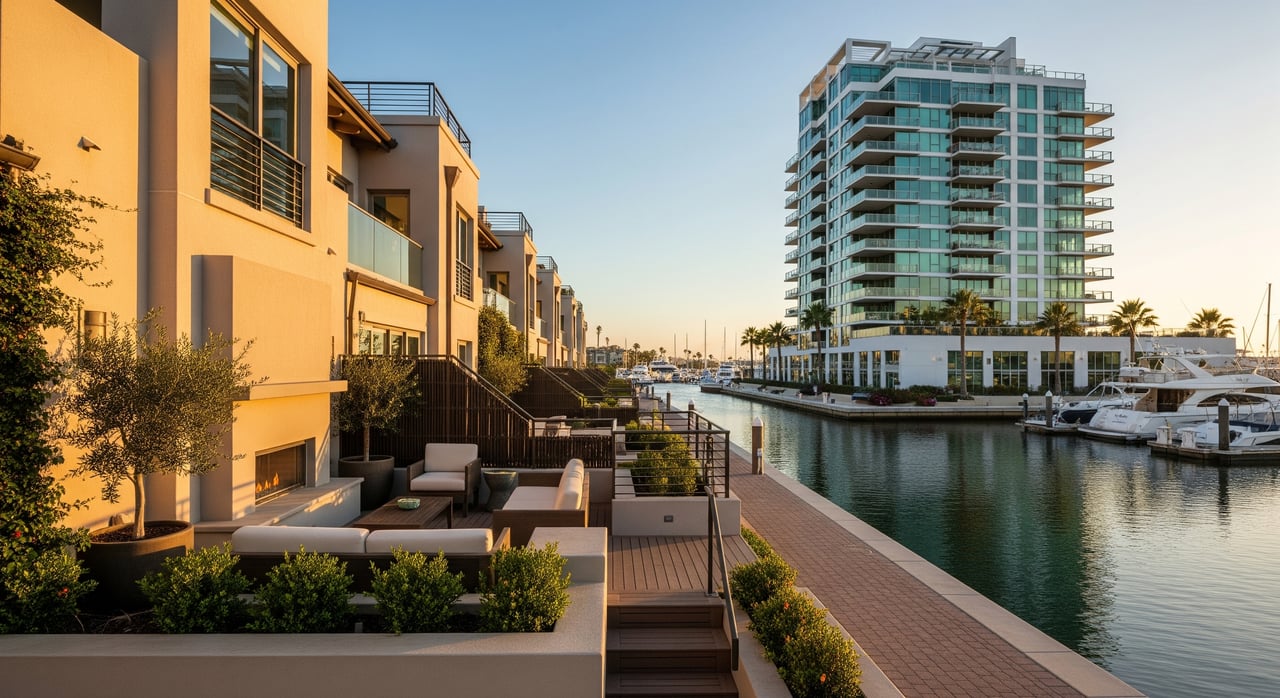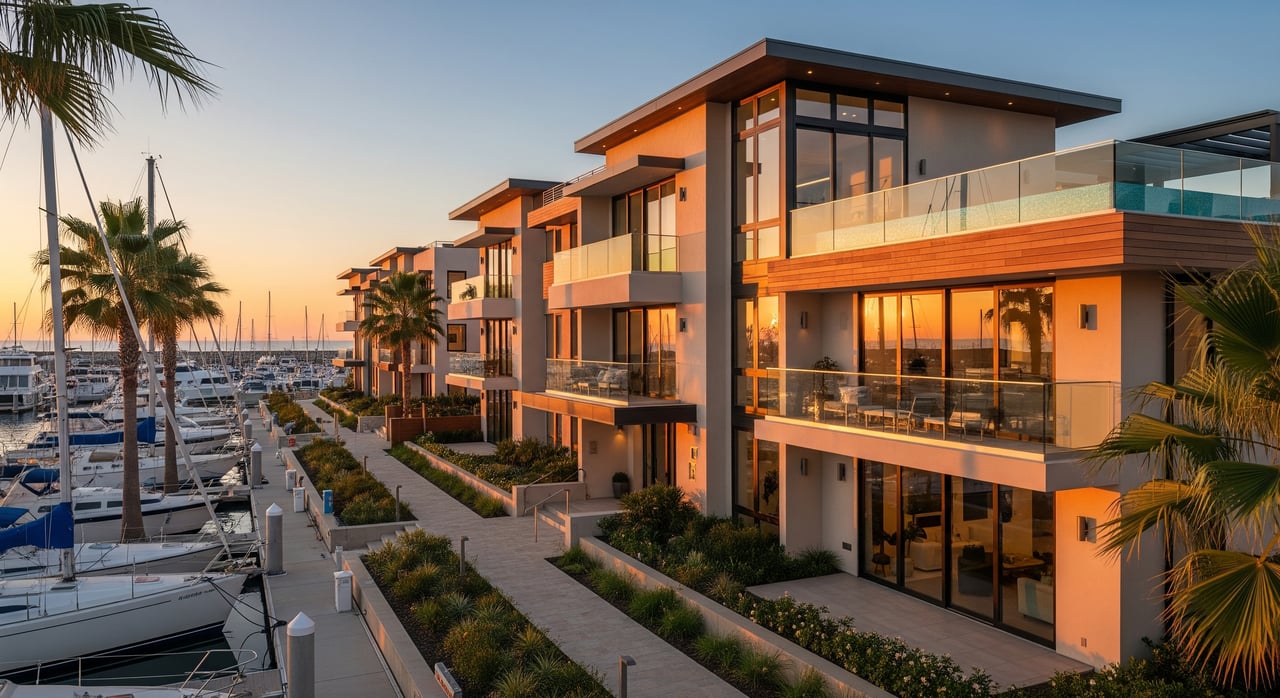
Buying a condo in Marina del Rey can look simple on the surface: you find the right view, the right floor plan, and an HOA fee that seems manageable. But in this market, the monthly dues are only part of the story. If you are comparing buildings in Marina del Rey, understanding the HOA structure, ownership setup, and long-term building health can help you make a far more confident decision. Let’s dive in.
Why Marina del Rey Condos Need Extra Diligence
Marina del Rey is not a typical condo market. It is an unincorporated coastal area overseen by Los Angeles County, and the County describes it as an 804-acre County-owned marina.
That local structure matters because some condo communities here involve county land-use oversight and lease administration. In practical terms, two condos with similar price points can carry very different ownership terms, monthly costs, and long-term considerations.
Fee Simple vs Leasehold Matters
One of the first questions to ask is whether a condo is fee simple, leasehold, or part of a subleasehold structure. This is especially important in Marina del Rey, where some projects sit on land owned by the County and operate through layered lease arrangements.
A County presentation for Marina City Club offers a useful example. In that structure, the County owns the land, leases it to a lessee, and individual owners purchase through a master condo sublease structure. That can create added costs beyond regular HOA dues, including County rent and required building contributions for maintenance or capital improvements.
If you are buying in a leasehold project, you will want to understand the remaining lease term and any renewal structure before you write an offer. Those details can affect your monthly carrying costs, financing options, and future resale appeal.
Look Beyond the Monthly HOA Fee
A published HOA fee can make a building seem more or less attractive at first glance, but the number alone rarely tells the full story. In Marina del Rey, your true cost of ownership may include regular assessments, special assessments, insurance-related costs, and in some communities, ground rent or other lease payments.
That is why it helps to compare buildings based on the full cost stack, not just the sticker price of dues. A condo with higher monthly HOA fees may actually be better positioned if reserves are stronger and major repairs are already planned for.
What California Sellers Must Disclose
California law gives condo buyers an important baseline for HOA review. Under Civil Code Section 4525, sellers must provide governing documents, the most recent annual budget materials, current statements of regular and special assessments, unresolved violation notices, any approved but not-yet-due assessment changes, rental restriction statements if applicable, and the most recent inspection report under Section 5551, among other required items.
This document package is where you start comparing lifestyle, cost, and risk from one building to another. It gives you a clearer picture of how the association operates and whether there are known financial or physical issues that could affect your ownership experience.
California Civil Code Section 4530 also says sellers must provide current copies of required documents at no cost if they already have them. That helps protect buyers from relying on incomplete packets or polished summaries that leave out critical details.
Key HOA Documents to Review
When you are evaluating a Marina del Rey condo, these are some of the most important items to review carefully:
- CC&Rs, bylaws, and operating rules
- The most recent annual budget report
- Current regular and special assessment disclosures
- Reserve study information and reserve funding summary
- The prior 12 months of board minutes, if requested
- The most recent exterior elevated elements inspection report under Section 5551
- Insurance summary, including deductibles and coverage types
- Any rental restriction statements
- Notices of unresolved violations or approved assessment increases
These records often reveal the practical reality of a building. You may learn about recurring repairs, delayed maintenance, insurance changes, waterproofing work, balcony issues, or pending rule updates that would not be obvious from a showing.
Reserve Funding Can Change the Whole Equation
Reserve strength is one of the most important factors in condo ownership. California law requires HOA boards to conduct a visual reserve study inspection at least once every three years, and the reserve funding plan must show the date and amount of any needed assessment changes.
The reserve summary should also show estimated replacement costs, remaining useful life of major components, current reserve cash, the funding percentage, and the per-unit reserve deficiency. For buyers, this makes it much easier to compare two similar buildings that may have very different financial footing.
A building with low dues but weak reserves may be more exposed to future special assessments. A building with better reserve planning may offer more predictability, even if the monthly fee is higher.
Pay Close Attention to Special Assessments
Special assessments can materially change the cost of ownership after closing. That is why you should review whether any assessments are already approved, anticipated, or tied to deferred repairs.
The annual budget materials must include statements about anticipated special assessments and deferred major repairs. If a building has postponed major work or has a reserve shortfall, that may point to future costs that are not yet fully reflected in the standard dues.
Balcony and Exterior Inspections Are Especially Relevant Here
Many Marina del Rey condo buildings make strong use of balconies, decks, walkways, and other exposed exterior features. California law now requires condominium projects with exterior elevated elements to have these components visually inspected at least once every nine years, with the first deadline having been January 1, 2025.
The inspector must issue a written report, and that report becomes part of the reserve study process. If an element creates an immediate safety threat, the HOA must restrict access until repairs are inspected and approved.
For buyers, this means the Section 5551 report is not just another form in the disclosure package. It can be a valuable tool for understanding whether the building has identified deficiencies and whether the association is actively addressing them.
Insurance Deserves a Closer Look
The HOA’s master policy is important, but it is not the same as your own condo insurance. California’s annual budget disclosure rules require an insurance summary that lists property, general liability, earthquake, flood, and fidelity coverage, along with insurers, policy limits, and deductibles.
That summary can help you understand what the HOA covers and where you may need your own policy to fill gaps. The California Department of Insurance notes that unit-owner coverage generally addresses personal property, loss of use, personal liability, and certain interiors or improvements the owner is responsible for maintaining under the governing documents.
Loss-assessment coverage and earthquake coverage may also be important considerations, depending on the project and your insurer’s guidance. Reviewing deductibles early can help you avoid surprises later.
Marina Amenities May Be Separate
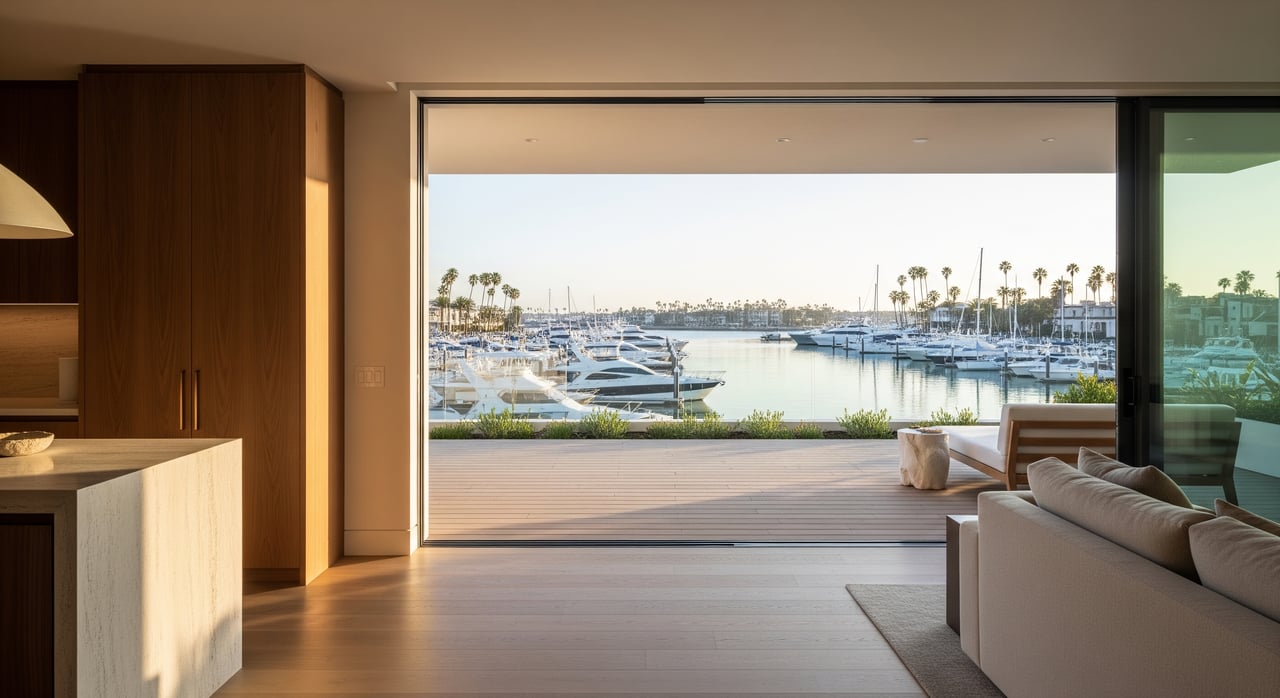
If a condo advertises marina access or waterfront perks, do not assume every amenity is included in the HOA. In Marina del Rey, boat slips are a separate diligence item.
Los Angeles County Beaches and Harbors notes that Marina del Rey has more than 4,600 boat slips across 23 marinas, and each anchorage is independently managed. Pricing and leasing are typically handled by a dockmaster, management company, yacht club, hotel, or apartment management group.
That means a condo’s lifestyle appeal may depend on a separate slip arrangement rather than an automatic HOA right. If dock access matters to you, confirm exactly what is included, what is leased separately, and whether there is a waitlist.
Smart Questions to Ask Before You Offer
Before you move forward on a Marina del Rey condo, it helps to ask direct, practical questions:
- Is the project fee simple, leasehold, or subleasehold?
- If land is leased, what is the remaining lease term or renewal structure?
- What exactly do the monthly dues cover?
- How much of the budget is going to reserves?
- Are any special assessments already approved or anticipated?
- What is the reserve funding percentage and per-unit deficiency?
- Are any major repairs being deferred?
- What do the latest board minutes say about recurring repairs or rule changes?
- Is there a current Section 5551 inspection report, and were any deficiencies found?
- Are there rental restrictions, minimum lease terms, or occupancy rules?
- Does the project have FHA or VA approval if financing flexibility matters to you?
- Are parking, storage, boat slips, or marina-related amenities included, separately leased, or waitlisted?
- What are the HOA’s insurance deductibles, and what should your own insurer review with you?
These questions can quickly separate a beautiful listing from a sound ownership opportunity.
Why a Careful Review Protects You
In Marina del Rey, condo buying is often about more than finishes, views, and amenities. Ownership structure, reserve health, inspection history, insurance details, and amenity access all shape the long-term value of what you are buying.
California’s Department of Real Estate advises buyers to read all transaction documents and seek professional advice if any part of the deal is unclear. In a market like Marina del Rey, that usually means coordinating closely with your lender, escrow and title team, insurance broker, and when needed, legal counsel.
A well-run building can support both lifestyle and resale value. A rushed review can leave you absorbing risks that were discoverable before closing.
If you are considering a condo in Marina del Rey and want discreet, detail-oriented guidance through the building review process, Gina Martino can help you evaluate the ownership structure, monthly cost picture, and the questions that matter before you commit.
FAQs
What HOA documents should Marina del Rey condo buyers review?
- You should review the governing documents, annual budget materials, assessment disclosures, reserve summary, board minutes, insurance summary, rental restriction statements, and the most recent Section 5551 inspection report.
Why are Marina del Rey condo ownership structures different?
- Some Marina del Rey projects involve county-owned land and leasehold or subleasehold structures, which can add another layer of cost and complexity beyond standard HOA dues.
What should buyers know about Marina del Rey condo reserves?
- Buyers should check reserve funding levels, per-unit reserve deficiency, deferred repairs, and whether the reserve study shows likely assessment increases in the future.
Are boat slips included with Marina del Rey condos?
- Not always. In Marina del Rey, slip access may be managed separately by a dockmaster or another operator, so you should confirm whether it is included, leased separately, or subject to a waitlist.
Why does the Section 5551 inspection matter for Marina del Rey condos?
- It matters because many buildings feature balconies, decks, stairways, and walkways, and the inspection report can reveal whether exterior elevated elements need repair or have created access restrictions.
Does the HOA master policy replace a buyer’s condo insurance?
- No. The HOA master policy is not a substitute for your own condo insurance, and you should review deductibles, interior coverage responsibilities, and possible loss-assessment or earthquake needs with your insurer.