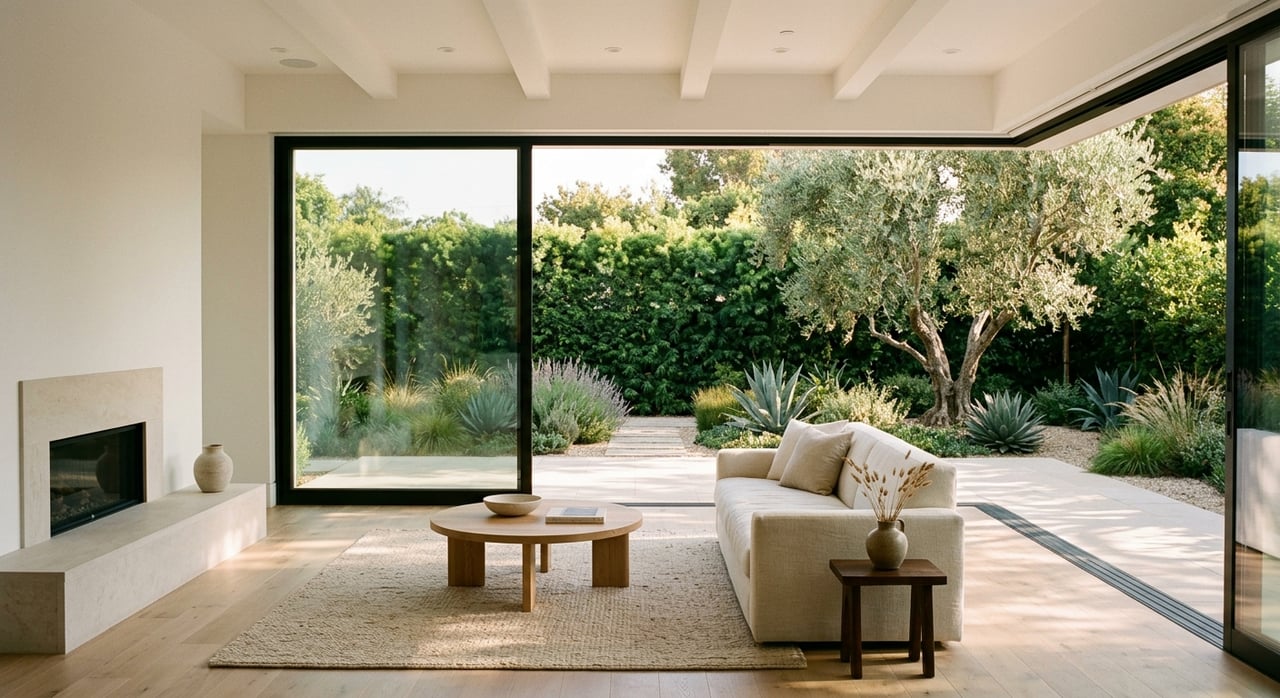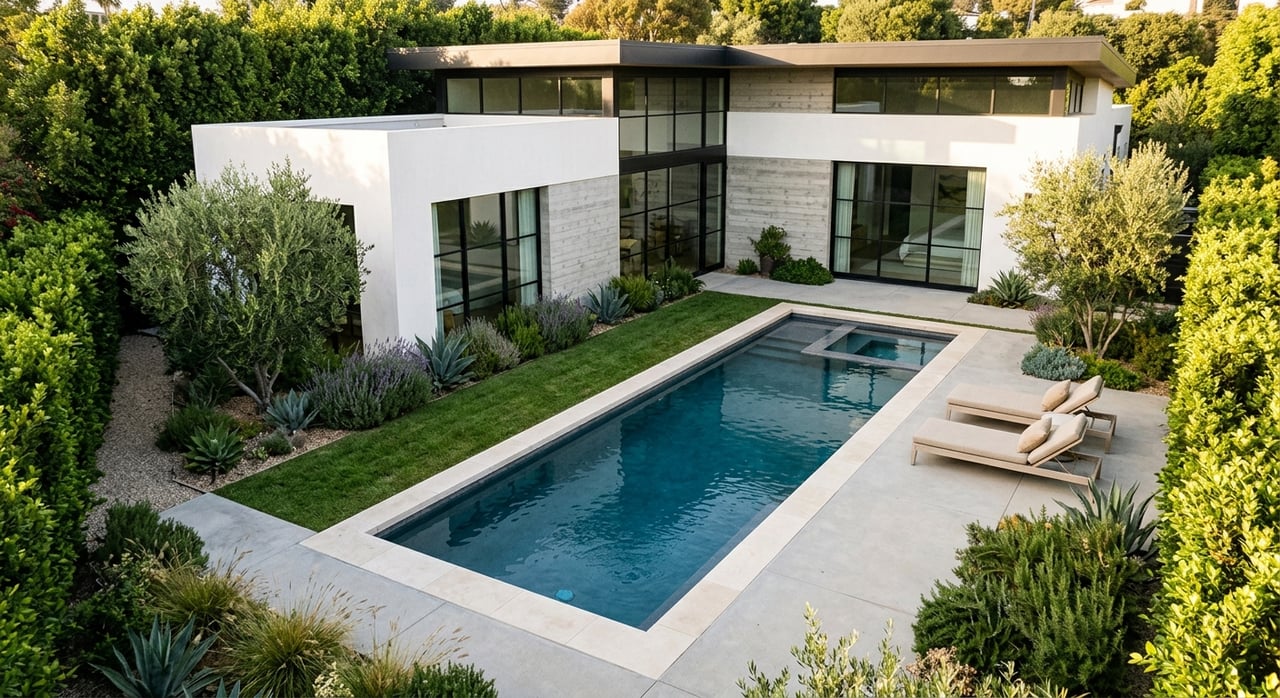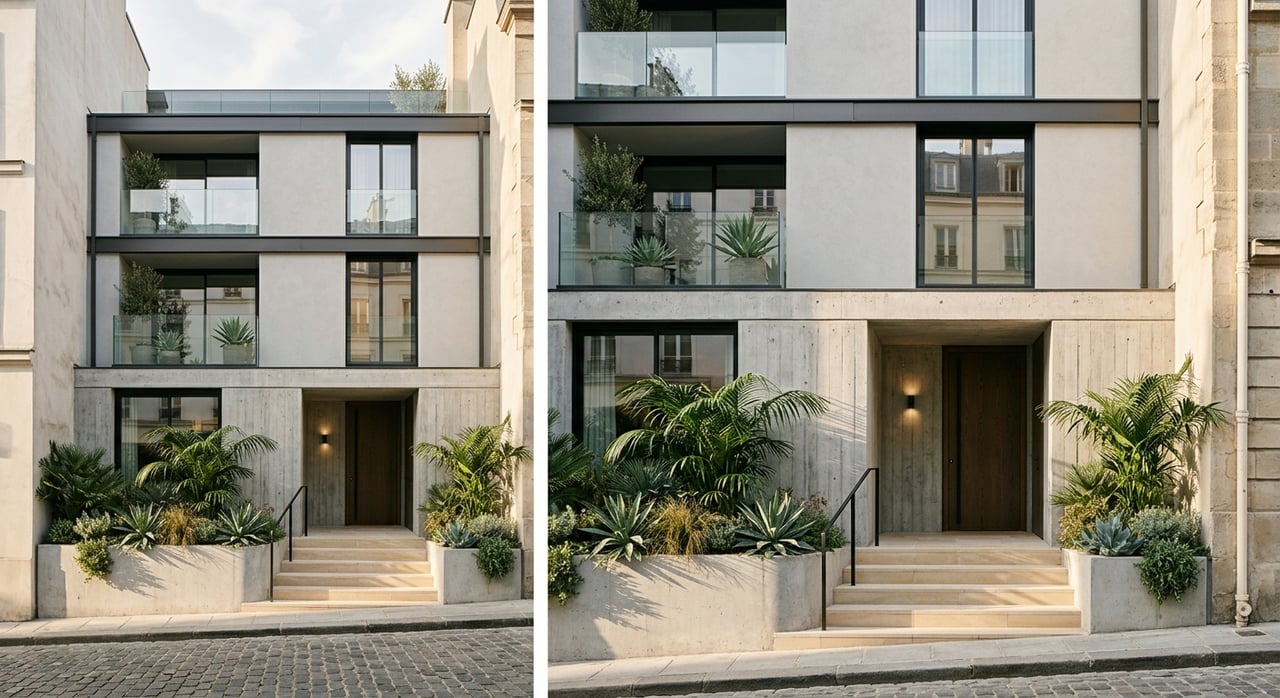
If you are buying in Bel Air, privacy and security are not side issues. They are part of how you evaluate the home, the street, and your day-to-day comfort. In a hillside neighborhood where access, visibility, wildfire planning, and home technology all matter, the right property is about more than square footage or finishes. This guide will help you think through the privacy-security balance so you can buy with more clarity and confidence. Let’s dive in.
Why this matters in Bel Air
In Bel Air, privacy and security are woven into the local conversation. The Bel-Air Association describes safety, security, neighborhood watch, preparedness, and wildlife watch as part of its mission, and its security resources note camera installation at entrances and other high-traffic ingress and egress points.
That local context matters because security here is not just one gate or one alarm system. It is a mix of private property features, association communication, emergency-preparedness tools, and public coordination. Bel Air also falls within the LAPD West Los Angeles area, where the Neighborhood Watch model is built around resident and police coordination.
For you as a buyer, that means the smartest approach is practical and layered. You want a home that supports privacy, but you also want one that works well for access, visibility, emergency response, and everyday operations.
Look beyond the front gate
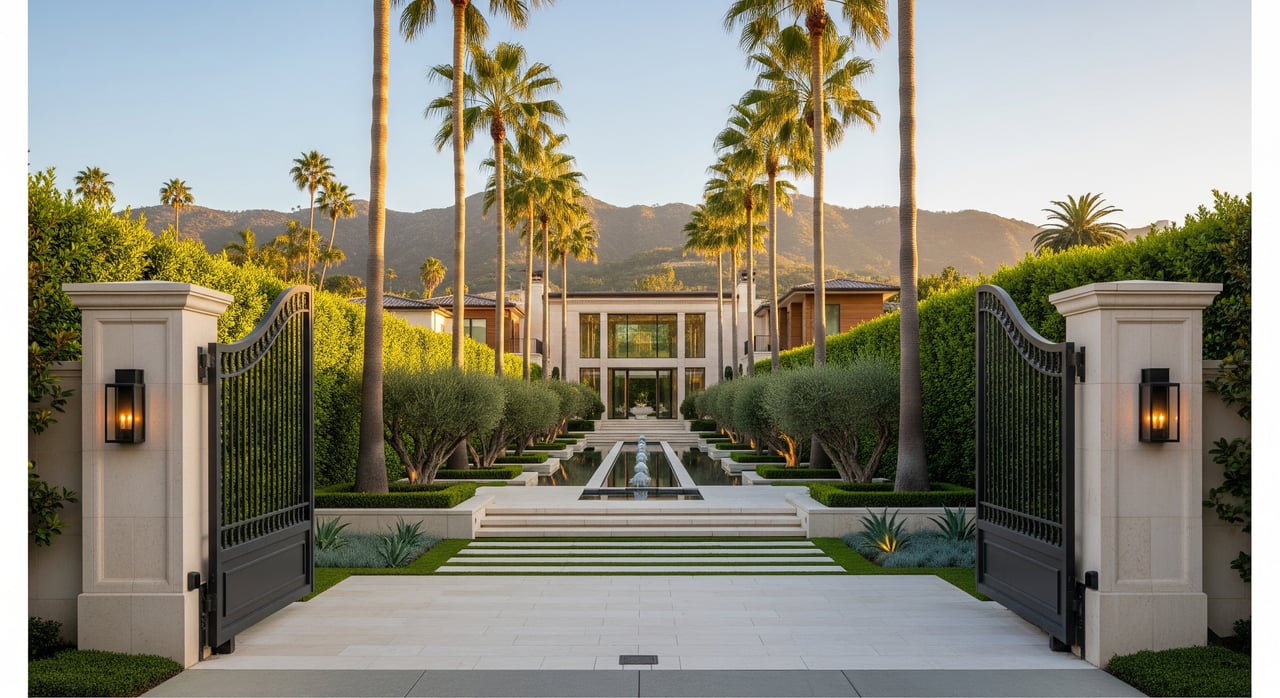
A gated entry can feel reassuring, but it should never be the only thing you evaluate. Crime-prevention guidance from the National Institute of Justice emphasizes natural access control, natural surveillance, and territorial reinforcement.
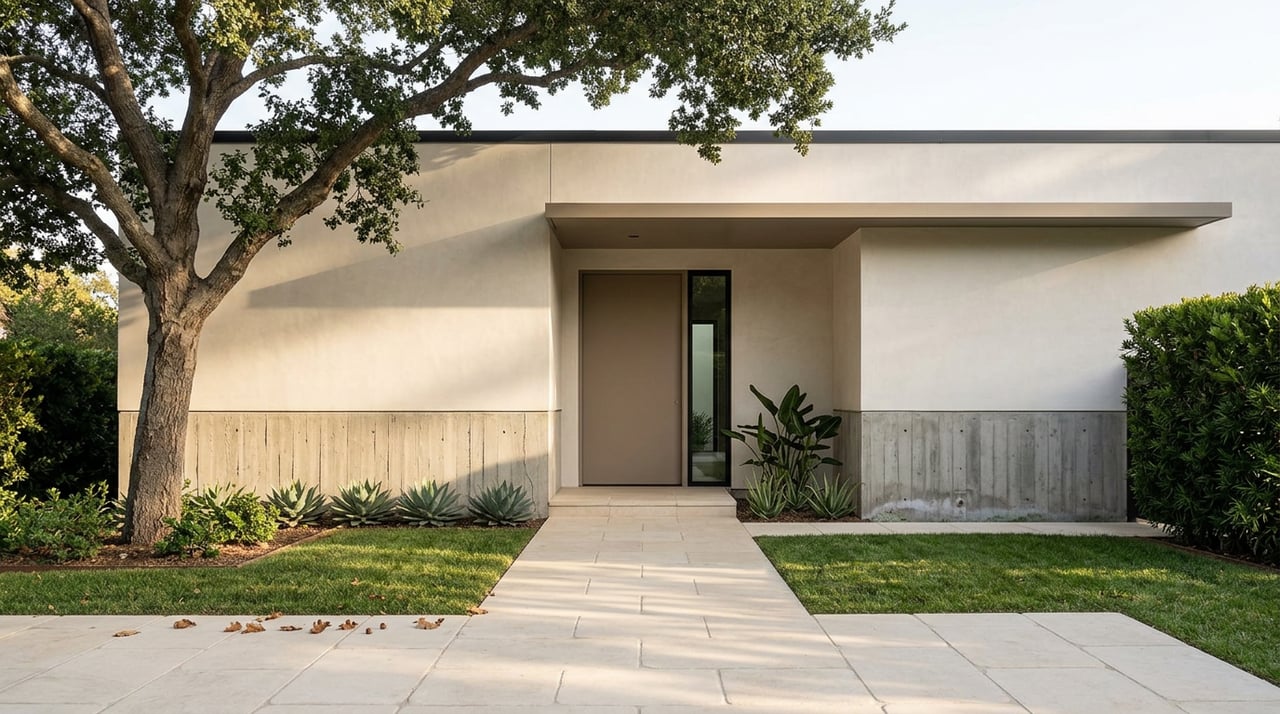
In simple terms, you should study how a property is approached and used. Ask yourself how many entry points there are, whether the main path is obvious, and whether the layout helps people move through the property in a controlled, visible way.
Review entry points carefully
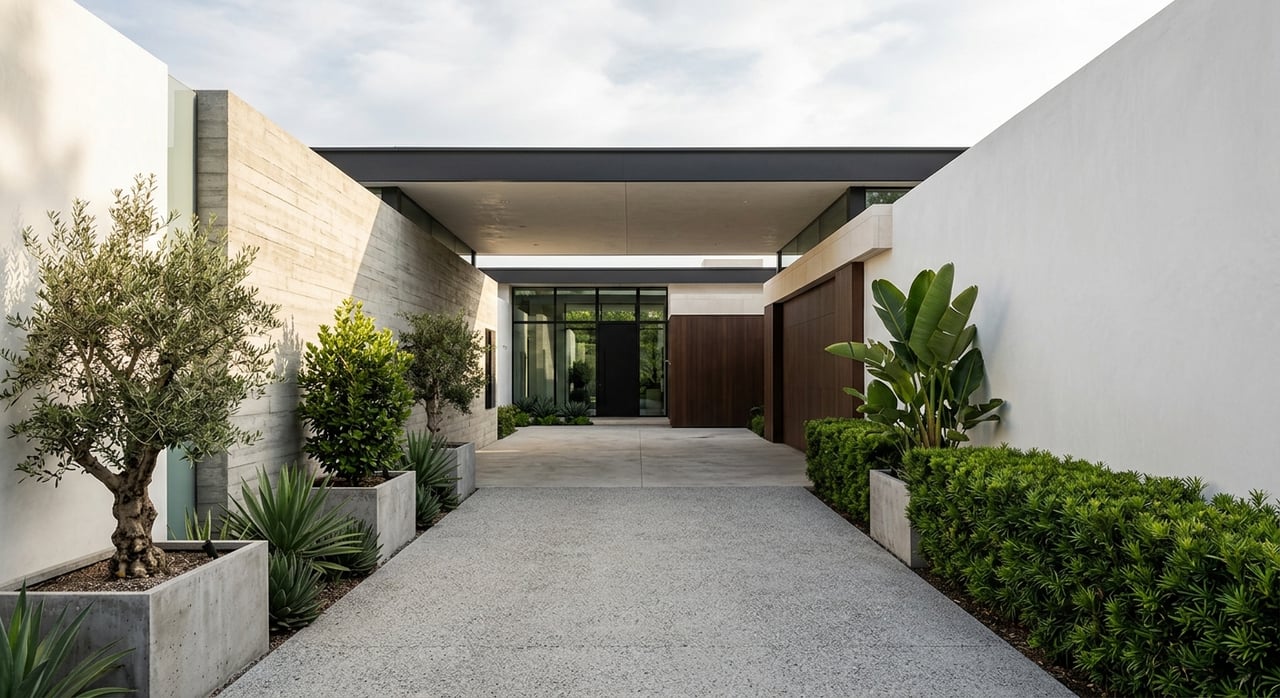
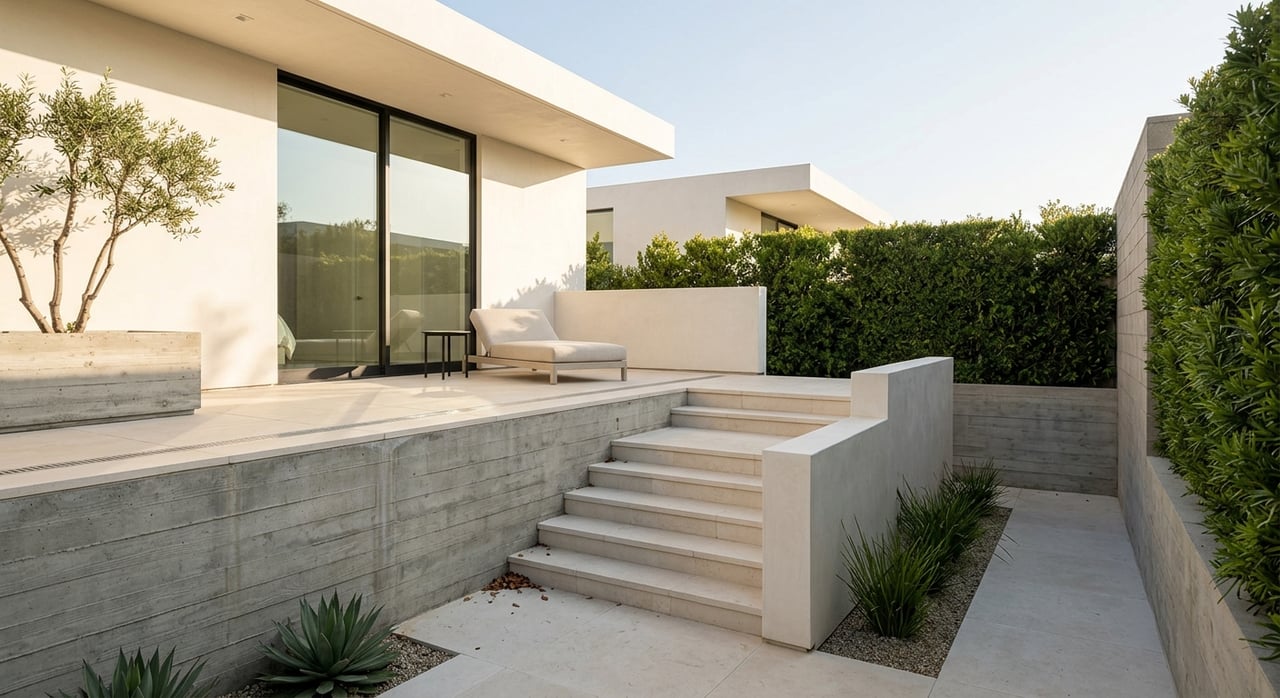
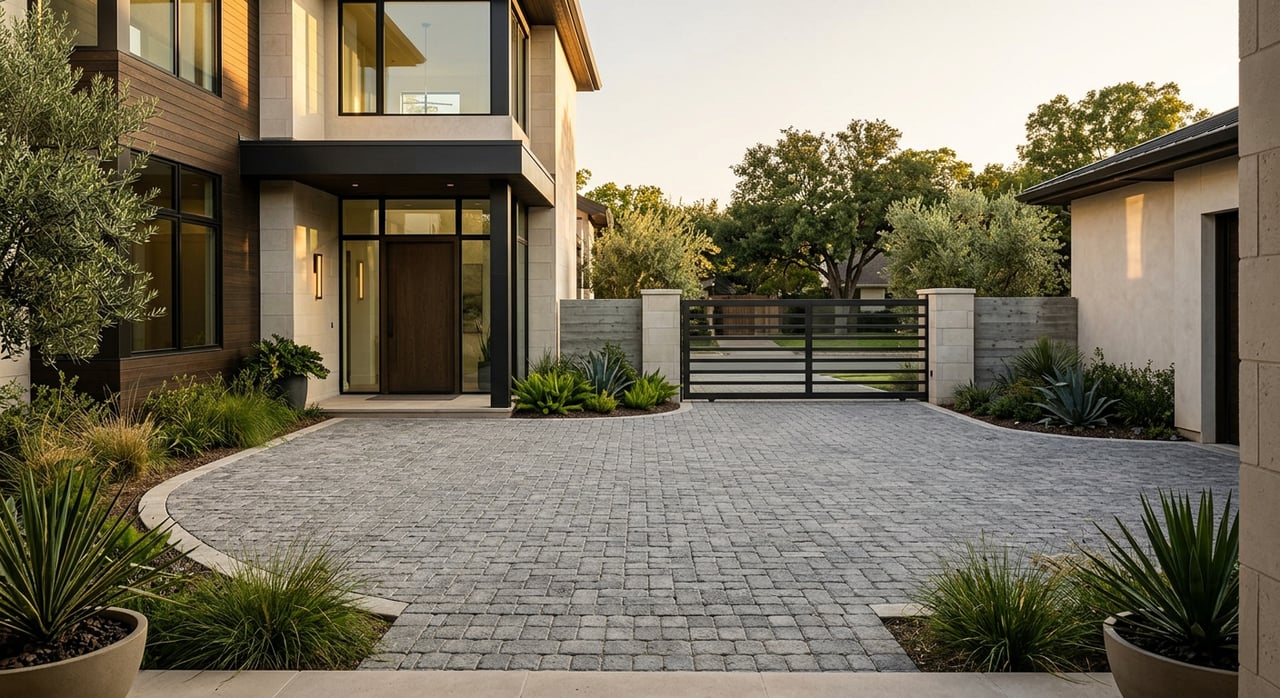
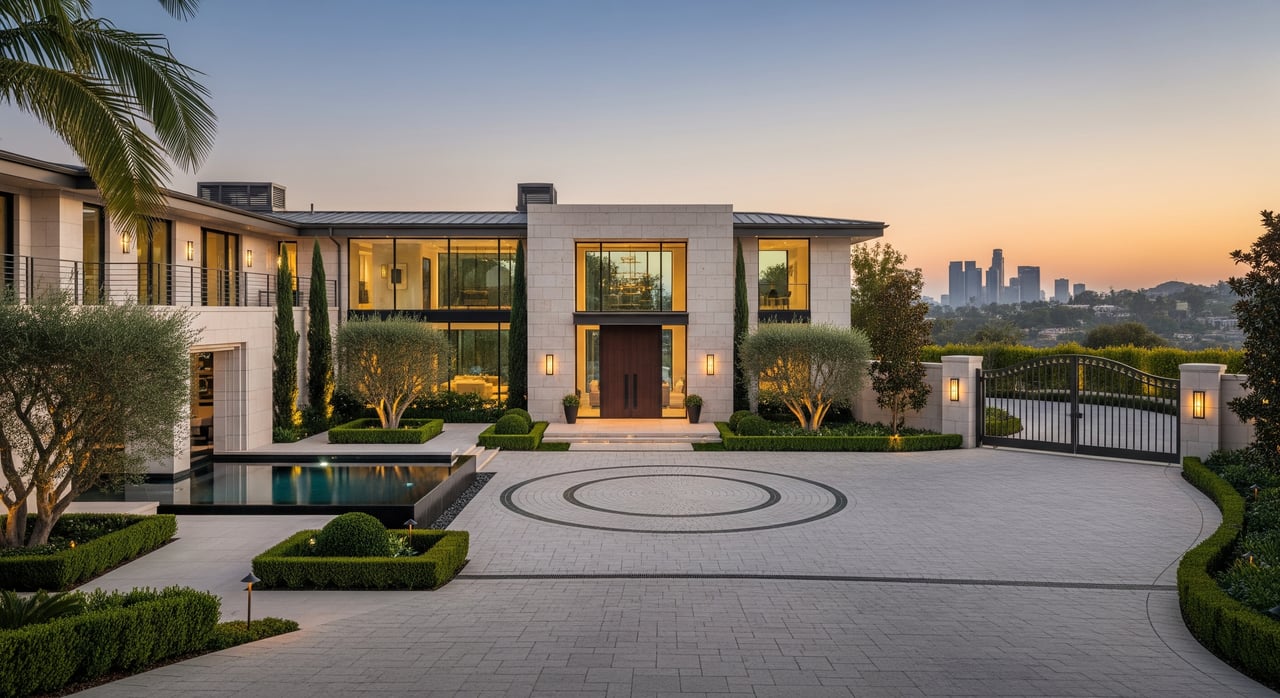
A Bel Air home may have a main gate, side access, service entrances, and long driveways. More access points can improve convenience, but they also create more places to monitor and manage.
During a showing or walkthrough, pay close attention to:
- Main pedestrian entry
- Vehicle gate location and visibility
- Side-yard access
- Guest and vendor arrival routes
- Secondary doors from garages or service areas
The goal is not to eliminate every access point. It is to understand whether access feels intentional, manageable, and aligned with how you plan to live in the home.
Think about daily flow
In Bel Air, daily logistics are part of the privacy and security conversation. The Bel-Air Association’s community guidance notes that narrow streets, blind curves, and road constraints can affect deliveries, trash pickup, and temporary road closures.
That may sound minor at first, but it has real implications. If a driveway is hard to navigate, if guest drop-off creates bottlenecks, or if vendors regularly block access, the home may feel less functional and less secure in daily use.
Privacy should not create blind spots
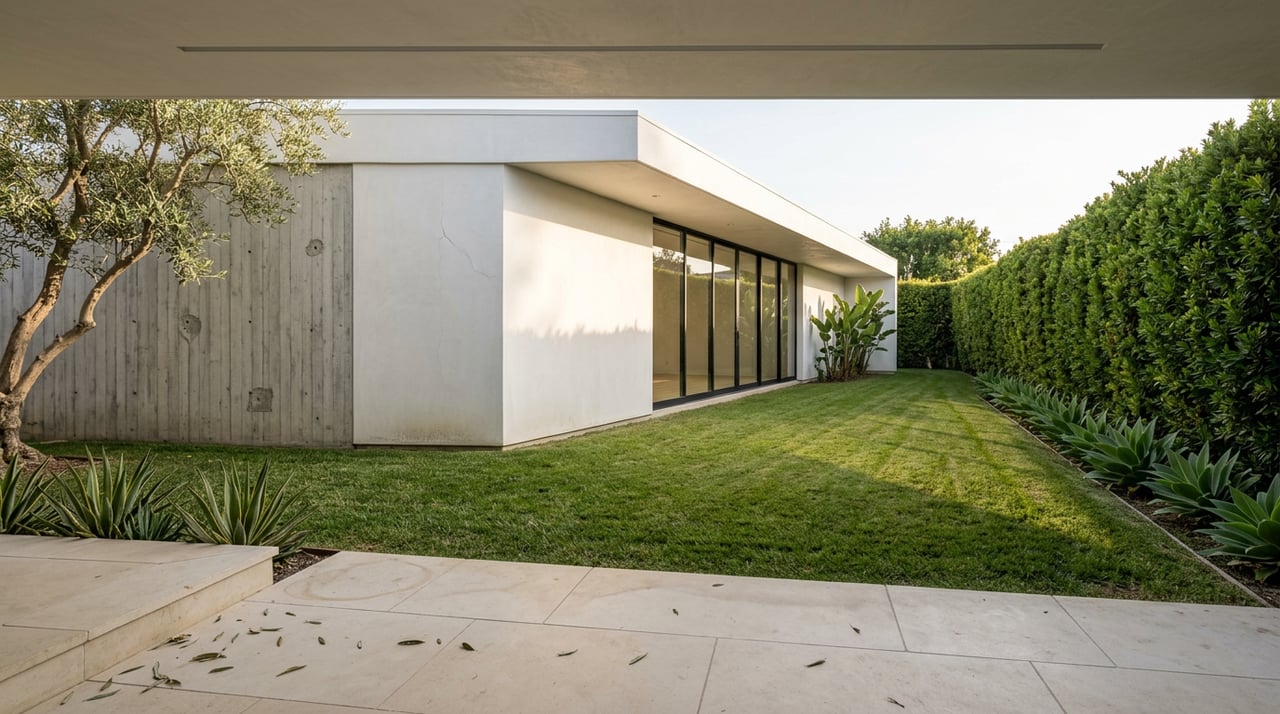
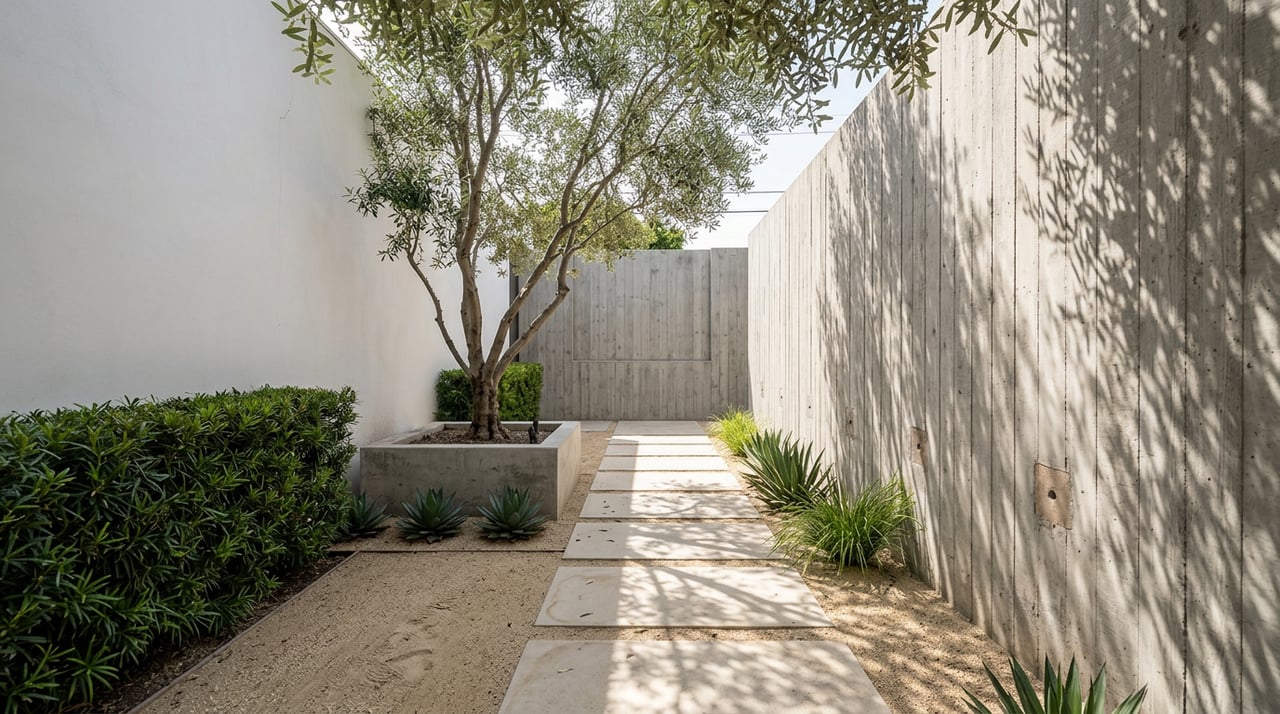
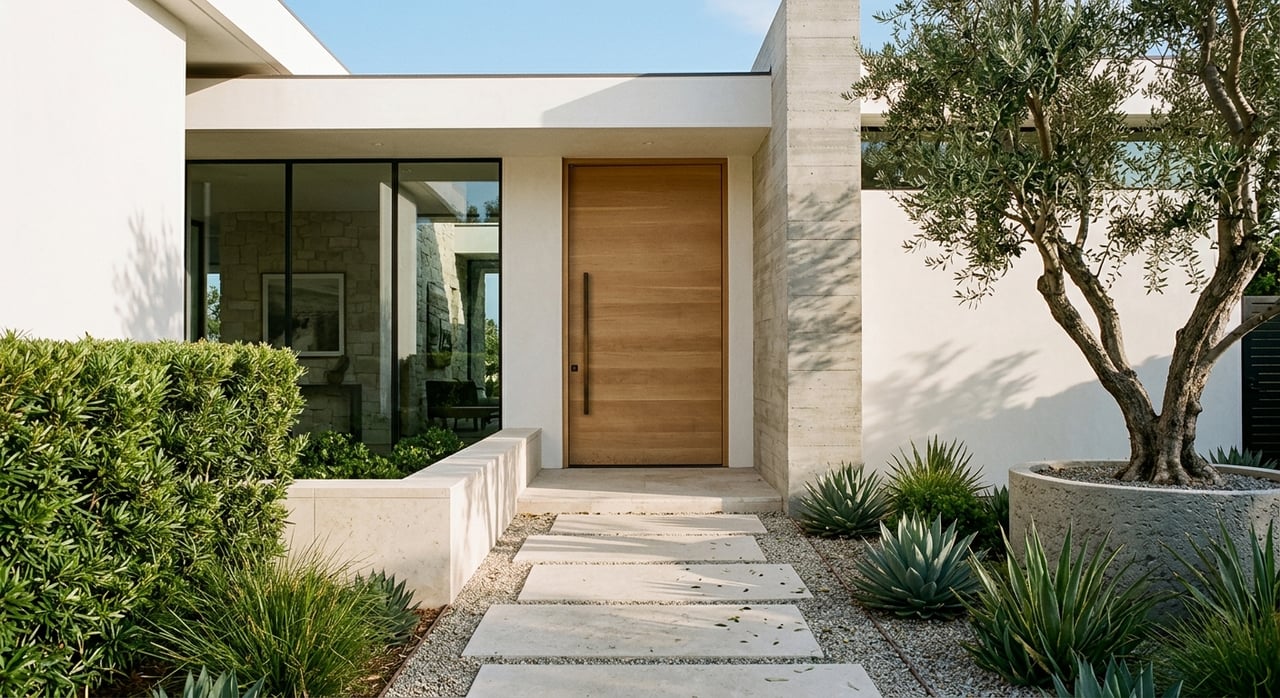
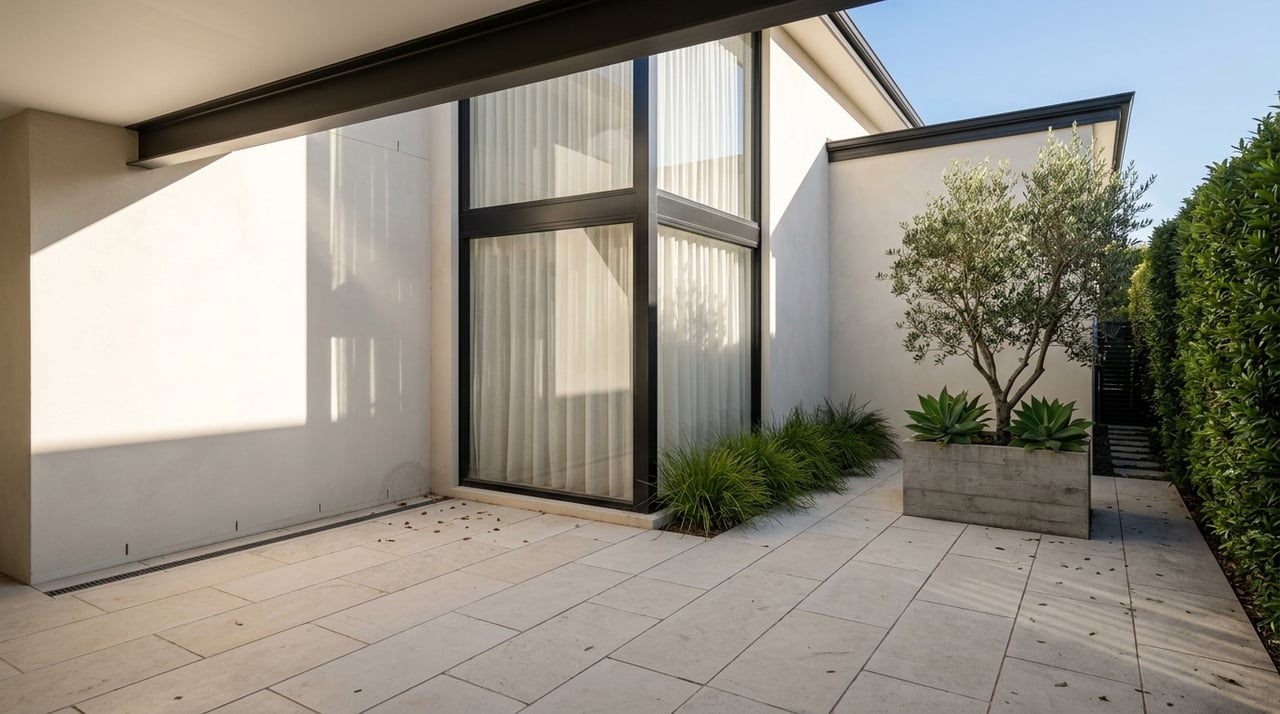
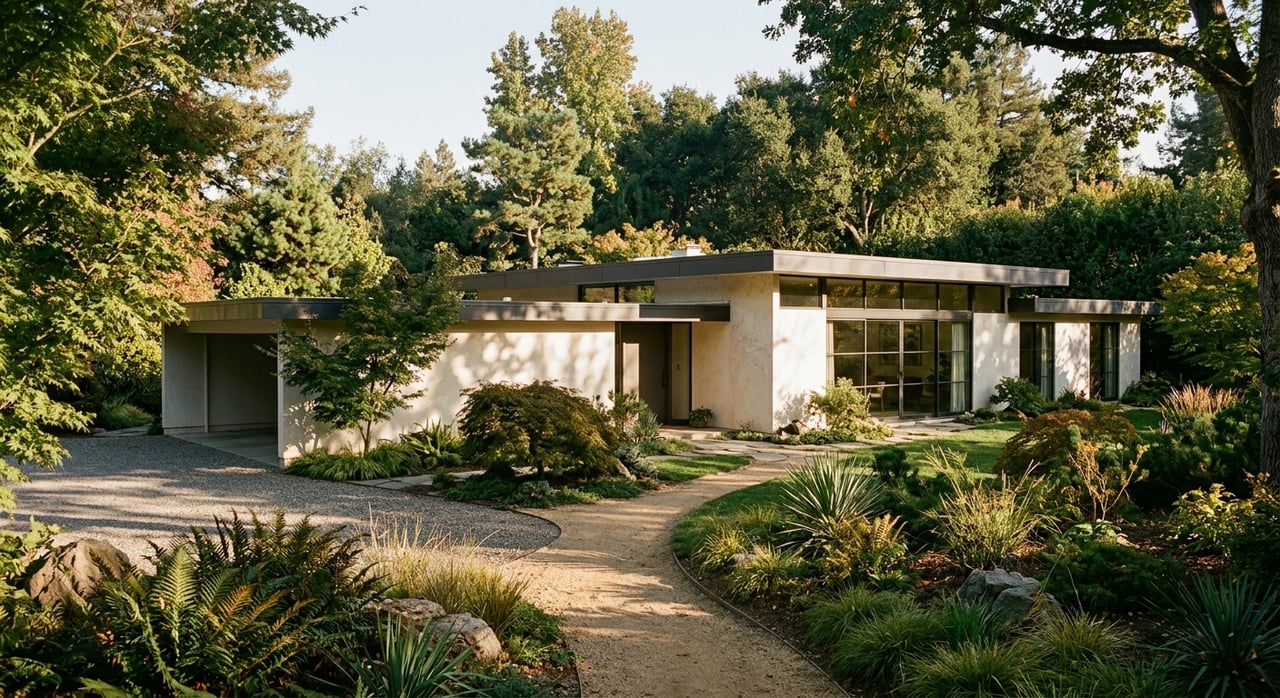
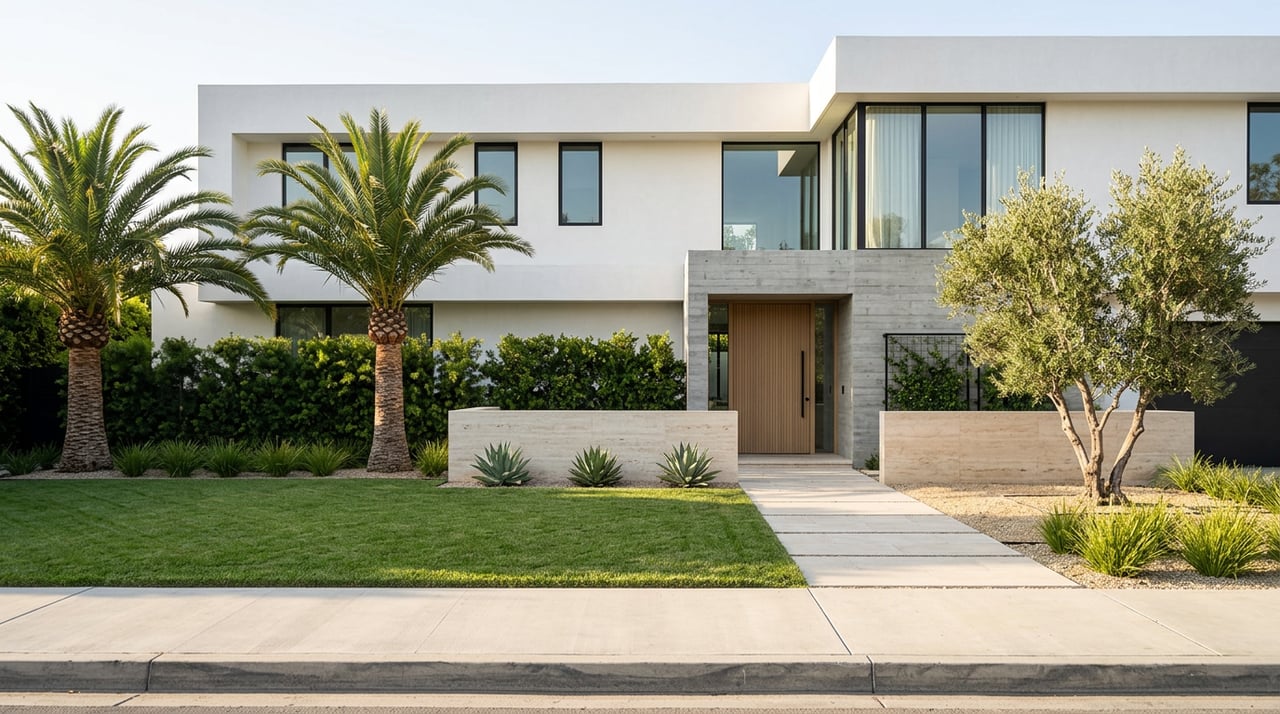
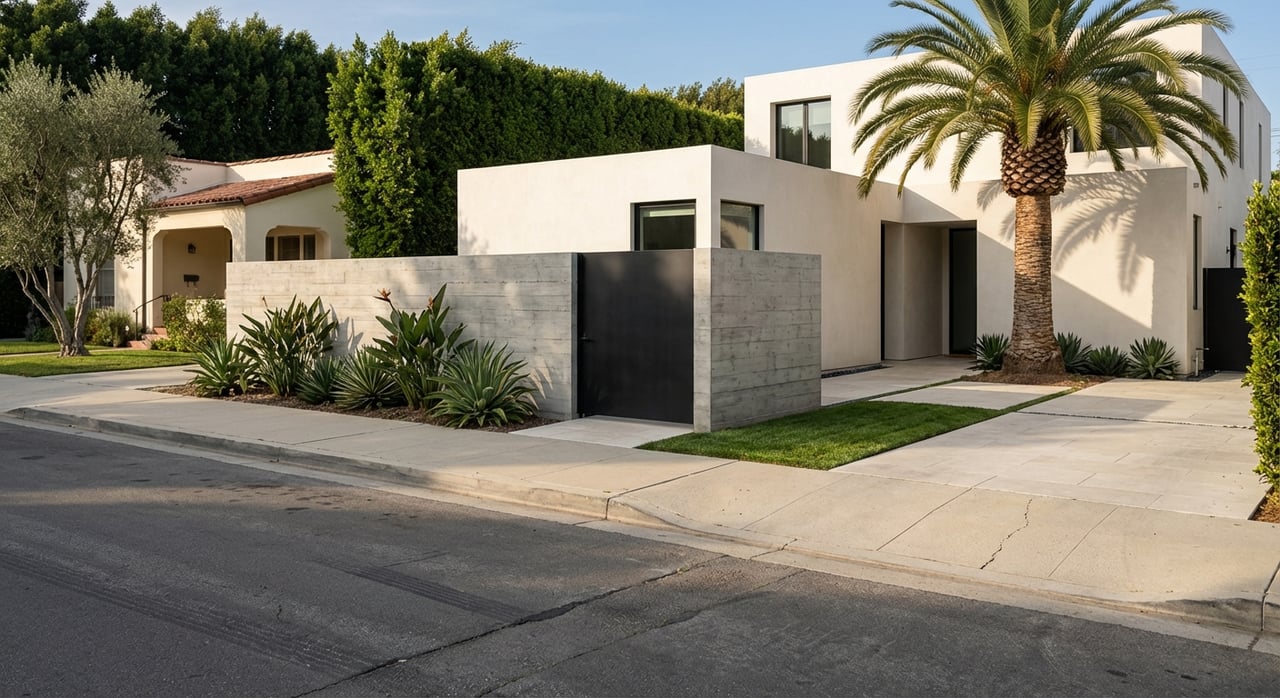
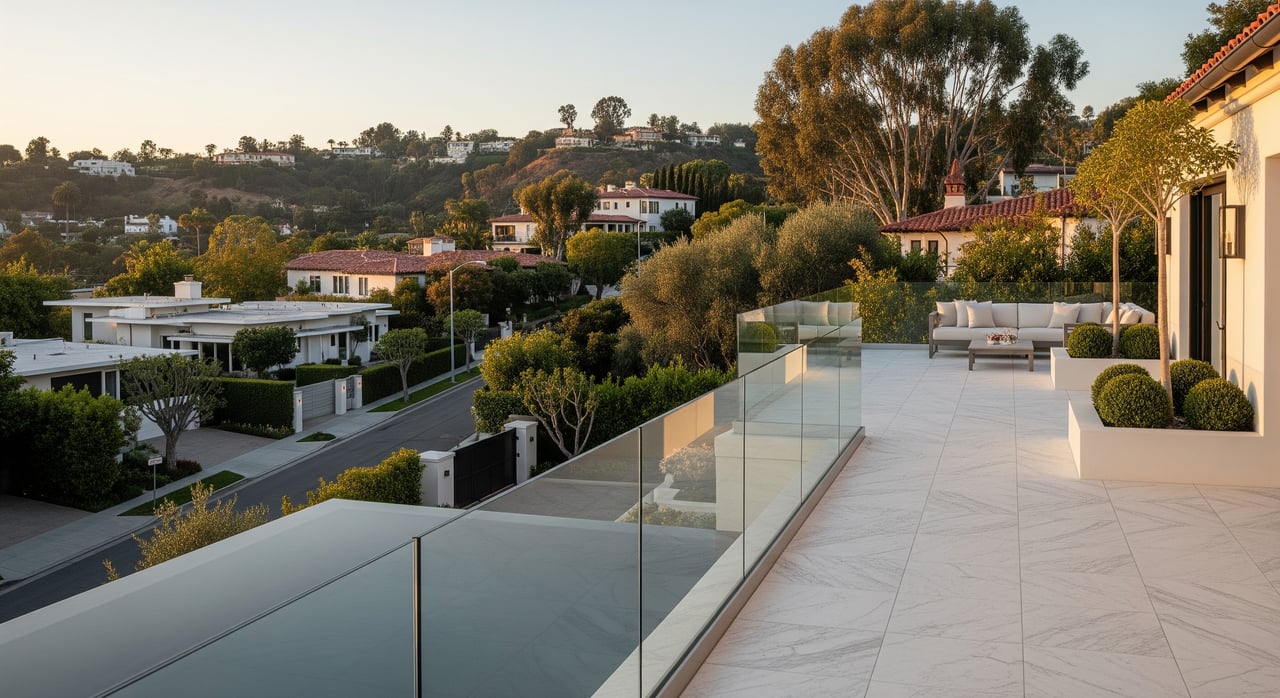
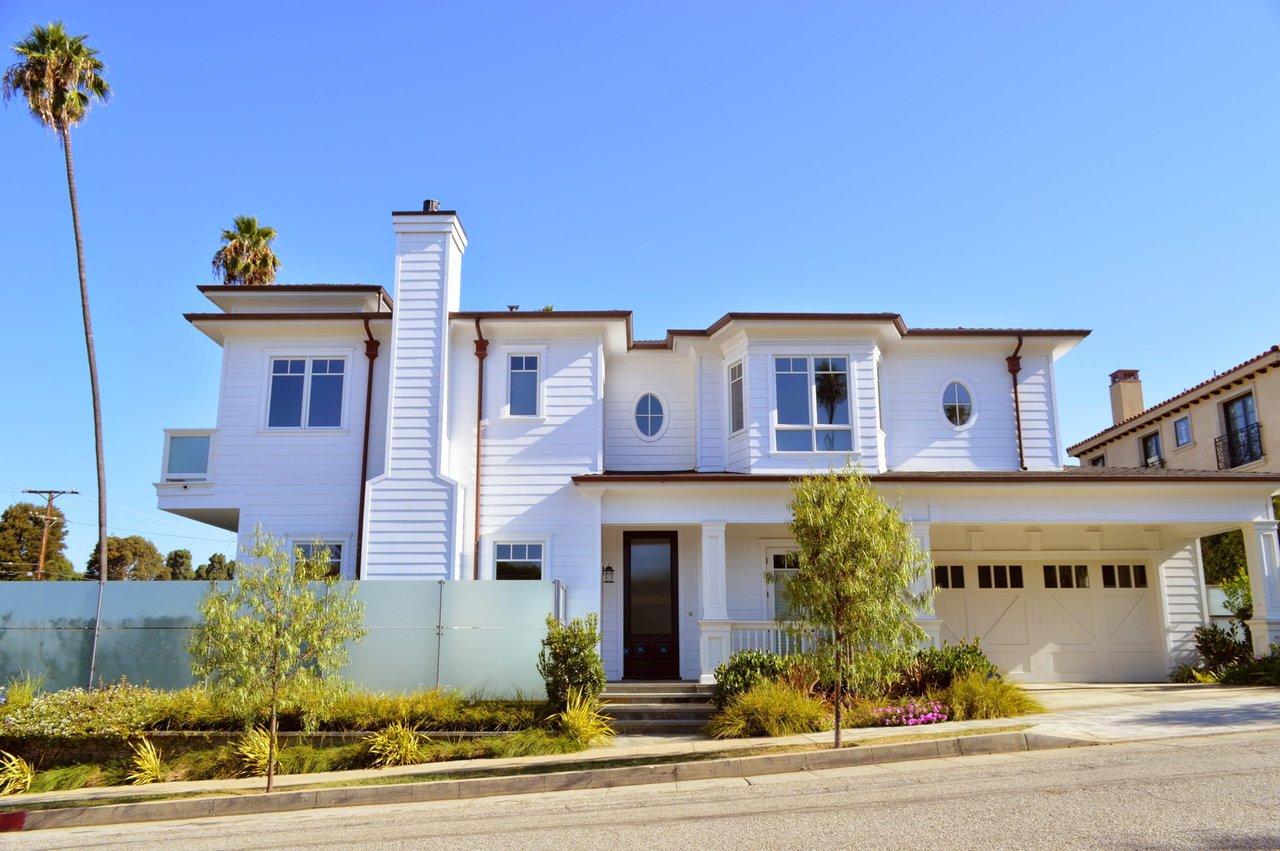
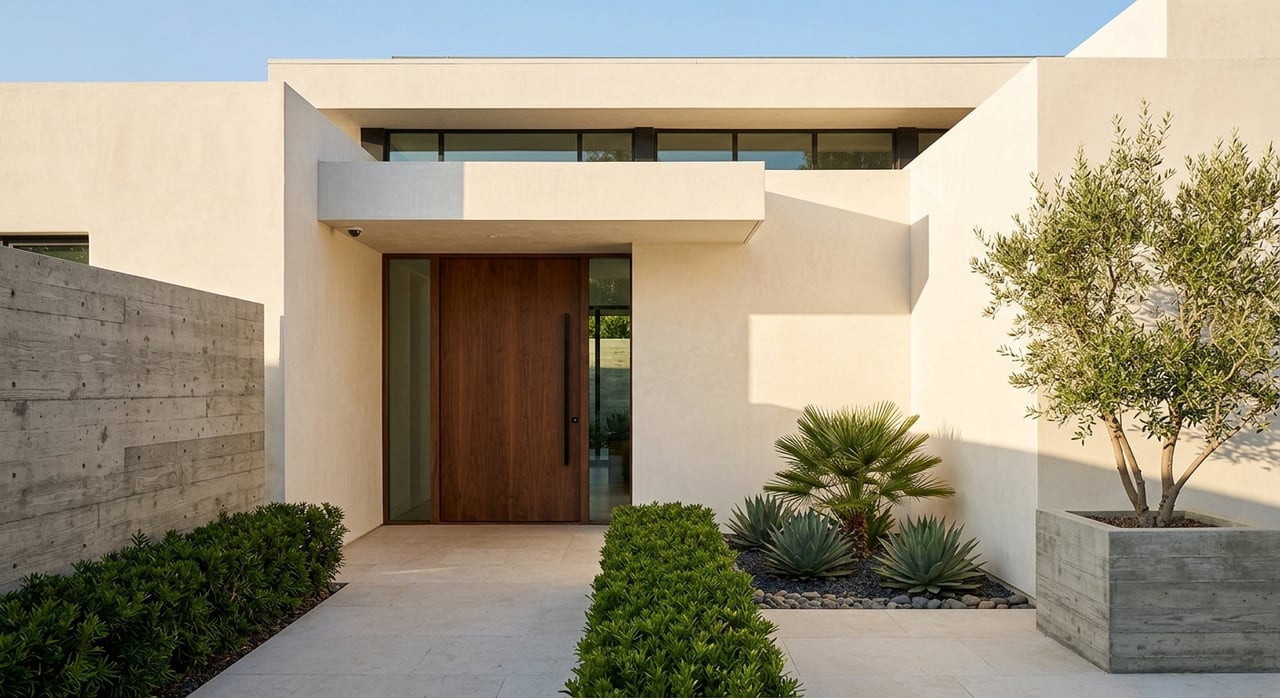
Many Bel Air buyers want mature landscaping, perimeter walls, and visual screening. Those features can absolutely support privacy, but they need to be balanced with clear sightlines.
According to CPTED guidance from the National Institute of Justice, open visibility around entries, driveways, and exterior spaces helps reduce concealment opportunities. In practice, that means dense hedges or oversized plantings should not block the front door, side gates, driveway approach, or key camera views.
Check sightlines at key locations
As you tour a property, pause at the places that matter most:
- The front entry
- The driveway and motor court
- Side-yard paths
- Rear access points
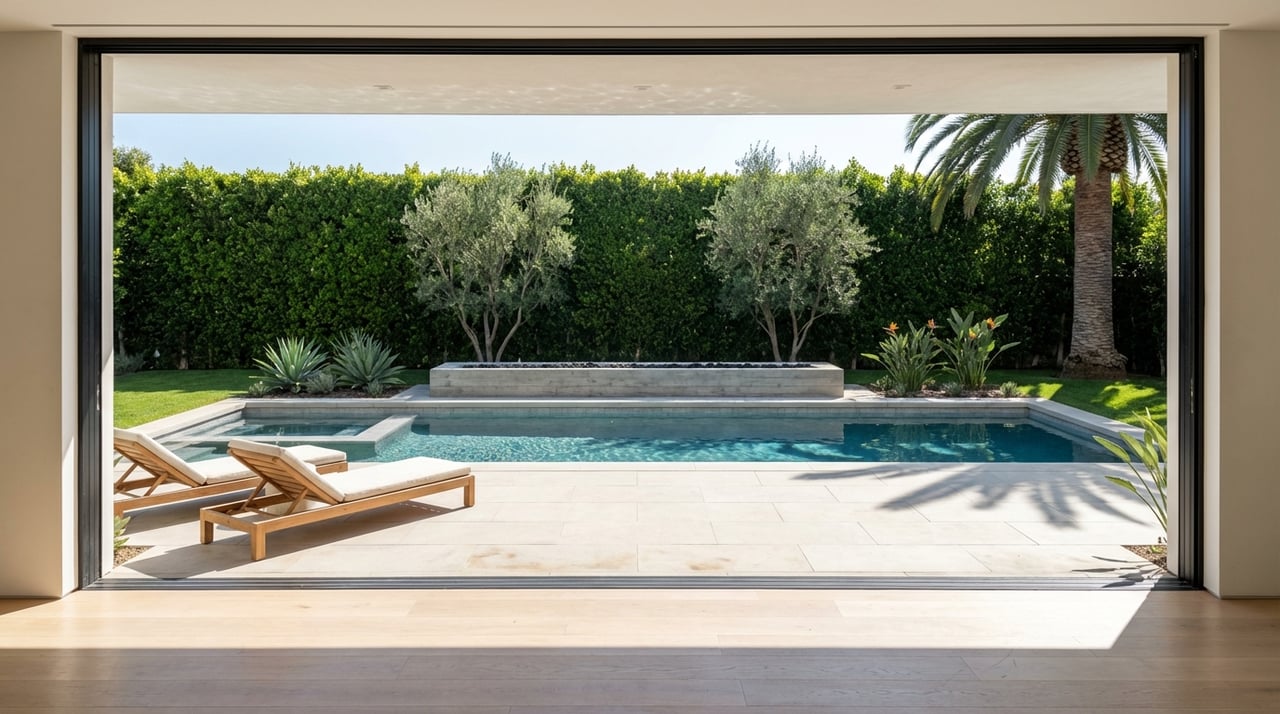
- Pool and terrace connections to the house
If landscaping creates complete visual blockage in those areas, you may gain privacy but lose awareness. The strongest setups usually create screening from the street while still preserving visibility where people enter and move around the property.
Exterior lighting matters too
Lighting can quietly shape how secure a property feels after dark. You want lighting that supports visibility at entries, walkways, and transitions without turning the home into a spotlight.
This is especially important on hillside lots or streets with limited visibility. Bel Air Association notices have highlighted narrow roads, blind curves, and areas where vegetation can block signs or lighting, so the relationship between landscaping and visibility deserves careful attention.
Smart-home features need smart setup
Luxury buyers often expect cameras, video doorbells, remote locks, and app-based monitoring. These tools can be useful, but they are only as strong as the network and protocols behind them.
A West Los Angeles burglary alert republished by the Bel-Air Association warned that organized crews had targeted large homes that appeared unoccupied and, in some cases, used Wi-Fi jammers against wireless residential cameras. The same alert noted elevated risk when homes lacked video surveillance, alarm systems, or active security patrol.
Ask how the system is protected
If a property includes connected security devices, it is worth asking practical questions before you close. Guidance from CISA and the FTC recommends strong passwords, regular software updates, encryption, WPA2 or WPA3 network protection, and, when possible, a separate network for cameras.
Here are smart questions to raise during due diligence:
- Are cameras and doorbells regularly updated?
- Is footage encrypted?
- Are security devices on a separate network?
- Who currently has access to the feeds?
- Which devices and passwords will need to be transferred or reset at closing?
This is one of the easiest areas to overlook, especially in larger homes with many integrated systems. Yet it has a direct impact on both privacy and security from day one.
Be thoughtful about camera placement
More cameras are not always better. The FTC guidance cited by CISA also encourages homeowners to think carefully before enabling remote viewing in highly private interior areas.
For you as a buyer, that means reviewing where cameras are located and whether that setup matches your comfort level. Good security should support peace of mind without creating unnecessary exposure inside the home.
Staff and vendor access should be clear
Some Bel Air properties involve regular help from estate staff, private security, house managers, landscapers, or service vendors. In those homes, privacy is not just architectural. It is operational.
The Bel-Air Association’s guidance on private security companies urges homeowners to ask about licensing, references, insurance, monitoring, reporting, 24-hour emergency communication, and training. California also regulates private security providers, and private patrol operators must maintain at least $1 million in general liability insurance.
Create simple access rules
If you expect regular staff or vendors, think through the system you want before you buy. Useful questions include:
- Who receives gate codes or access credentials?
- Who can view camera footage?
- How are deliveries logged?
- How are overnight issues handled?
- How quickly can access be changed if a vendor relationship ends?
These details may sound administrative, but they often shape how private and controlled a property feels in real life.
Wildfire planning is part of security
In Bel Air, personal security and property resilience also include wildfire readiness. The Los Angeles Fire Department states that the city’s Very High Fire Hazard Severity Zone includes portions of Bel Air Estates, and local neighborhood council guidance says the broader Bel Air-Beverly Crest area is within a designated very high fire hazard zone.
That makes wildfire planning part of the buying conversation from the start. A beautiful hillside setting can come with added maintenance, mitigation, and insurance considerations that you will want to understand before closing.
Evaluate defensible space and hardening
CAL FIRE recommends both home hardening and defensible space, including 100 feet of defensible space and annual grass maintained to a maximum height of 4 inches. For buyers, that means looking at more than curb appeal.
Pay attention to:
- Roof materials
- Vents and openings
- Windows and glazing
- Decks and overhangs
- Slope conditions
- Brush clearance routines
- Ongoing landscape maintenance needs
A home may appear private and lush, but if planting and brush management are not aligned with fire-readiness standards, the long-term picture can change quickly.
Ask insurance questions early
Insurance should be part of your early diligence, not a last-minute item. The California Department of Insurance says home and community hardening standards are intended to improve insurance access, and current FAIR Plan guidance includes residential coverage up to $3 million with wildfire discounts of up to 20% for eligible mitigation.
That means a smart buyer asks two things right away: can the home be insured, and what mitigation is needed to keep coverage workable over time? In Bel Air, those answers can matter just as much as the purchase price.
A practical Bel Air walkthrough checklist
When you tour homes in Bel Air, it helps to use a simple lens. Instead of asking only whether a property feels private, ask whether it feels private, usable, and well-supported.
Use this checklist as a starting point:
- How many access points does the property have?
- Can guests, vendors, and emergency vehicles enter without difficulty?
- Do gates and landscaping support privacy without blocking key sightlines?
- Are exterior lighting and camera positions practical?
- Are connected security devices updated and protected?
- Is staff or vendor access easy to control and change?
- Is the property in a high fire-risk area, and what mitigation may be needed?
- Have insurance questions been addressed early?
This type of review can help you compare properties more clearly, especially when several homes offer a similar level of design or scale.
Work with a strategy, not just a wish list
Bel Air buyers often start with a clear vision: privacy, calm, design, and seamless living. The best outcomes happen when that vision is matched with a strategy that also accounts for access, technology, emergency planning, and long-term insurability.
That is where local perspective matters. A home can photograph beautifully and still raise practical issues once you look at driveway geometry, sightlines, network security, or wildfire mitigation. Buying well means seeing the whole picture.
If you want discreet guidance as you evaluate Bel Air homes, off-market opportunities, or privacy-sensitive purchases across the Westside, connect with Gina Martino. You will get thoughtful, one-to-one support grounded in local knowledge, clear strategy, and a calm, confidential approach.
FAQs
What should buyers in Bel Air look for beyond gates and walls?
- Buyers in Bel Air should review entry points, sightlines, driveway access, lighting, camera setup, vendor flow, and wildfire-readiness features, not just whether the home is gated.
How do privacy and landscaping affect security at a Bel Air home?
- Landscaping can support privacy, but it should not block visibility at the front door, driveway, side entries, or other key access points.
What should buyers ask about smart-home security in Bel Air?
- Ask whether cameras and connected devices are updated, encrypted, placed on a protected network, and fully transferred or reset at closing.
Why does wildfire planning matter when buying in Bel Air?
- Parts of Bel Air are in a very high fire hazard area, so defensible space, home hardening, and insurance eligibility can directly affect long-term ownership.
What should buyers ask before hiring private security for a Bel Air property?
- Ask about licensing, references, insurance, monitoring, reporting, training, and 24-hour emergency communication procedures before signing any agreement.