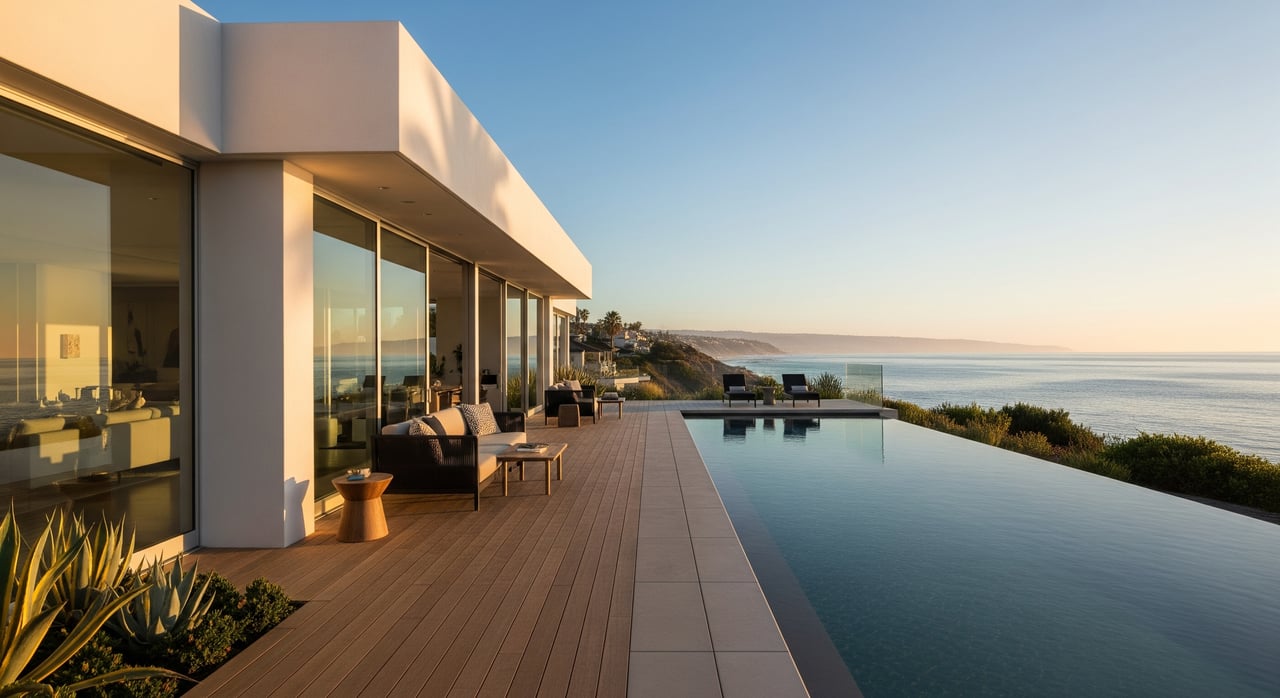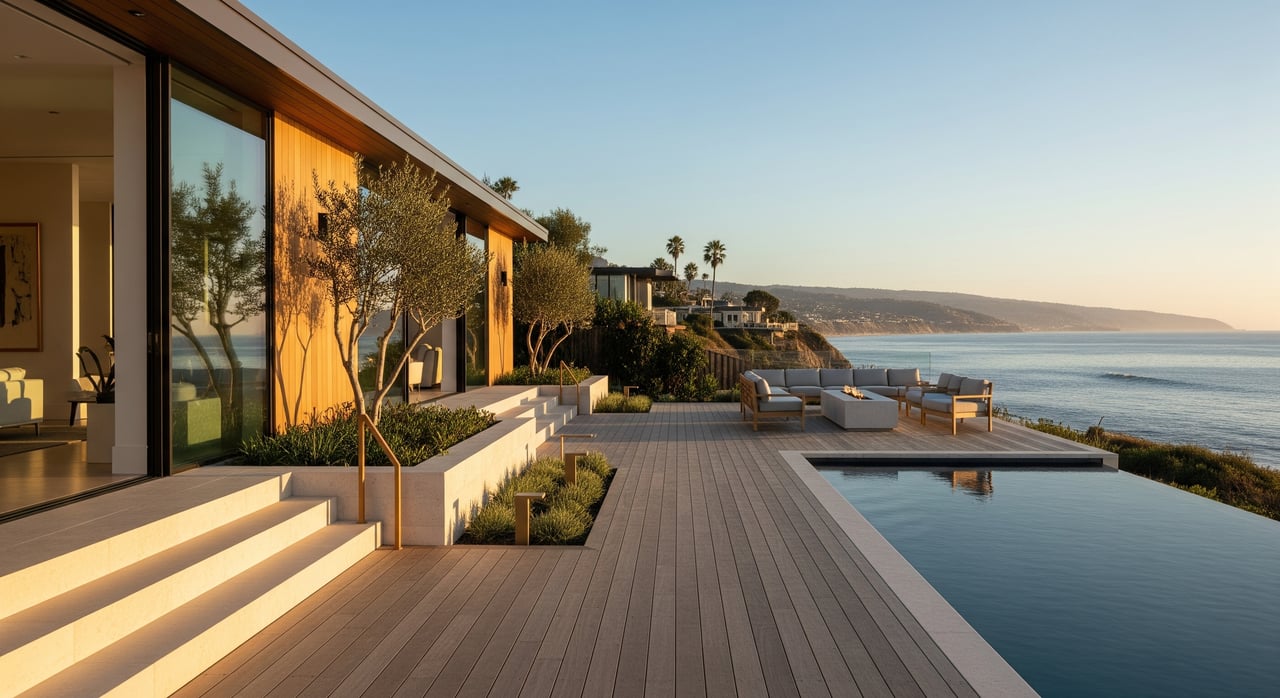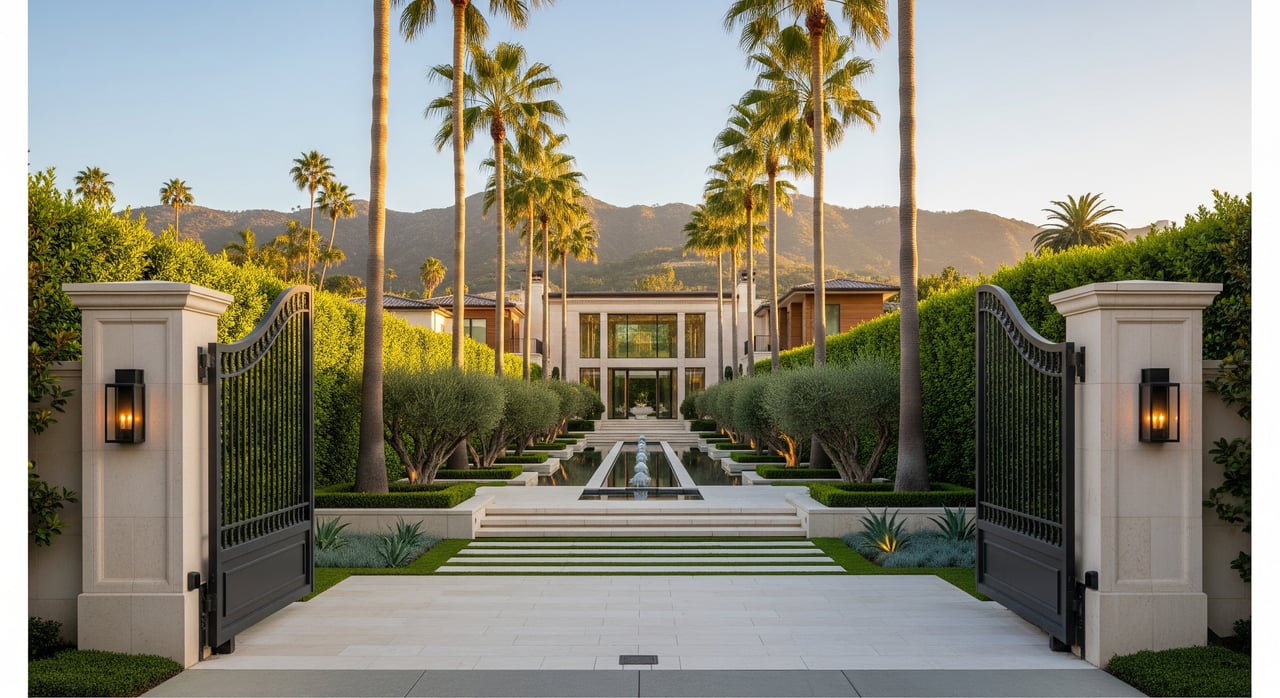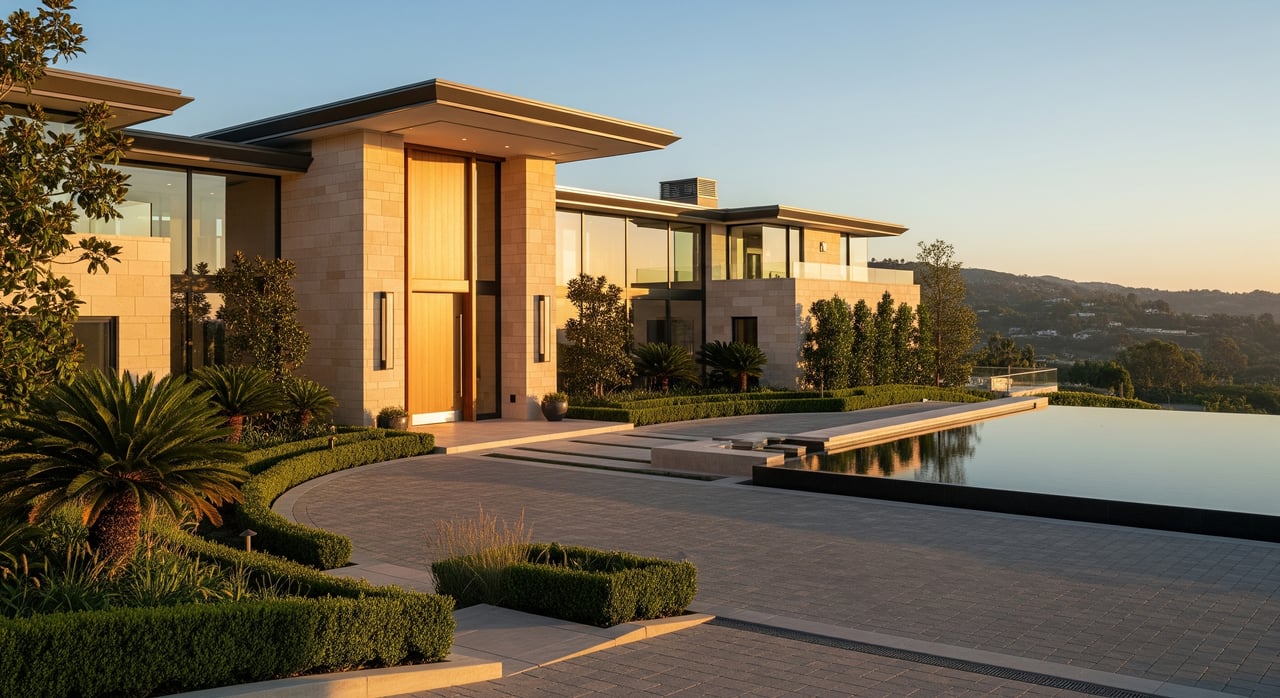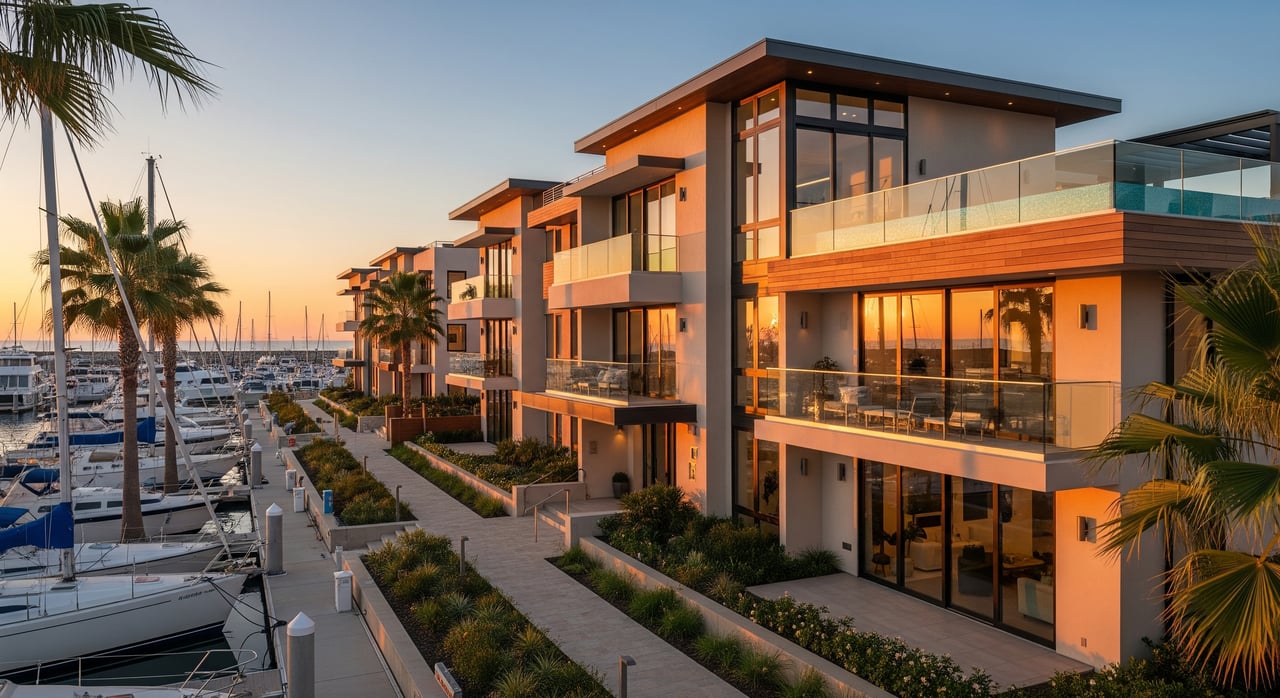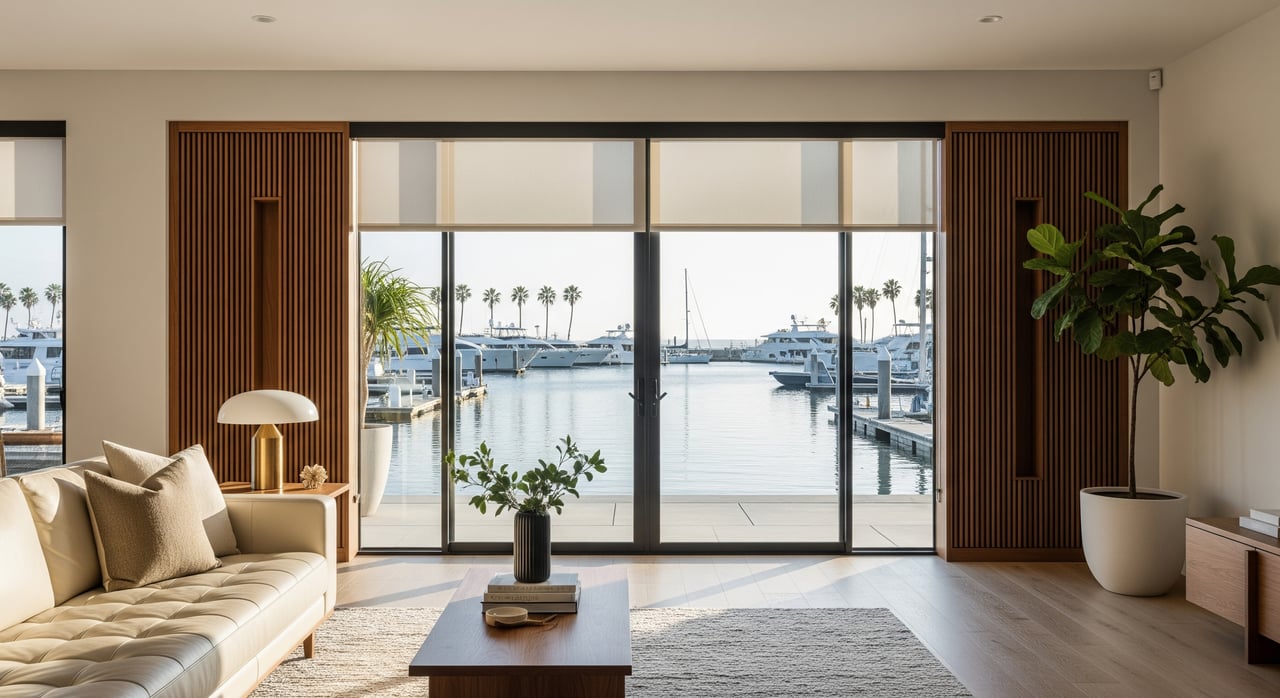
Selling quietly does not mean selling casually. In Pacific Palisades, where the median sale price was $3.0 million and median days on market reached 64 in March 2026, a discreet sale still depends on strong presentation, clear strategy, and realistic timing. If you want privacy without sacrificing momentum, the right preparation can help you limit disruption while still attracting serious buyers. Let’s dive in.
Start With the Right Quiet-Sale Strategy
A quiet sale can mean different things depending on how much privacy you want. Some sellers prefer an office exclusive, which is not publicly marketed or shared through the broader MLS system. Others choose a delayed-marketing path that gives them more control over timing before wider exposure begins.
That tradeoff matters. More discretion usually means narrower exposure, so your launch plan needs to be intentional from the start. In a market like Pacific Palisades, buyers still pay close attention to presentation and price, even when a property is marketed more selectively.
For some sellers, a middle-ground option may be useful. CRMLS Coming Soon status allows up to 21 days to stage, photograph, and prepare a property without showings, then the listing moves to Active on the scheduled date or day 22. It can be a useful pre-launch tool, but it is not the same as a fully private sale because it can still appear in IDX and portal feeds.
Declutter Before You Do Anything Else
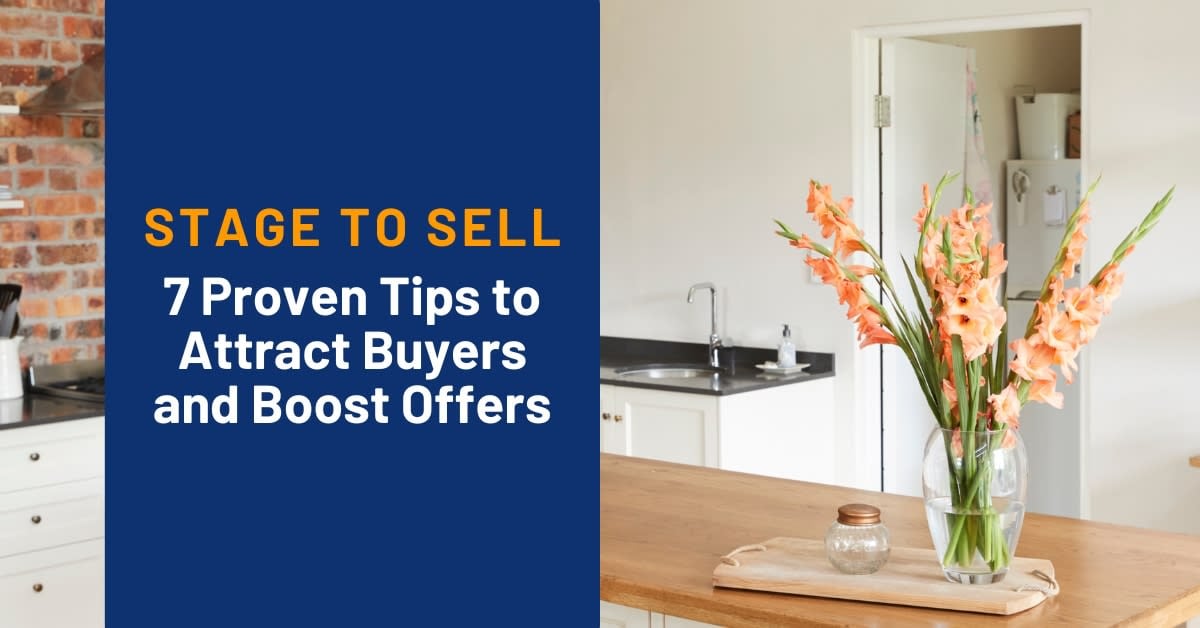
If your goal is a polished but low-profile launch, begin with the simplest high-impact steps. According to the National Association of Realtors 2023 staging profile, the most common seller preparation recommendations were decluttering, cleaning the entire home, removing pets during showings, making minor repairs, using professional photos, and depersonalizing the home.
For a quiet sale, that checklist works especially well because it improves presentation without turning your home into a construction zone. You do not need a dramatic overhaul to make a strong impression. You need a calm, edited environment that photographs well and feels easy for buyers to understand.
Depersonalizing also supports privacy. Removing family photos, personal paperwork, custom identifiers, and overly specific decor can help protect your day-to-day life while making the home feel more universally appealing.
Focus on the Rooms That Matter Most
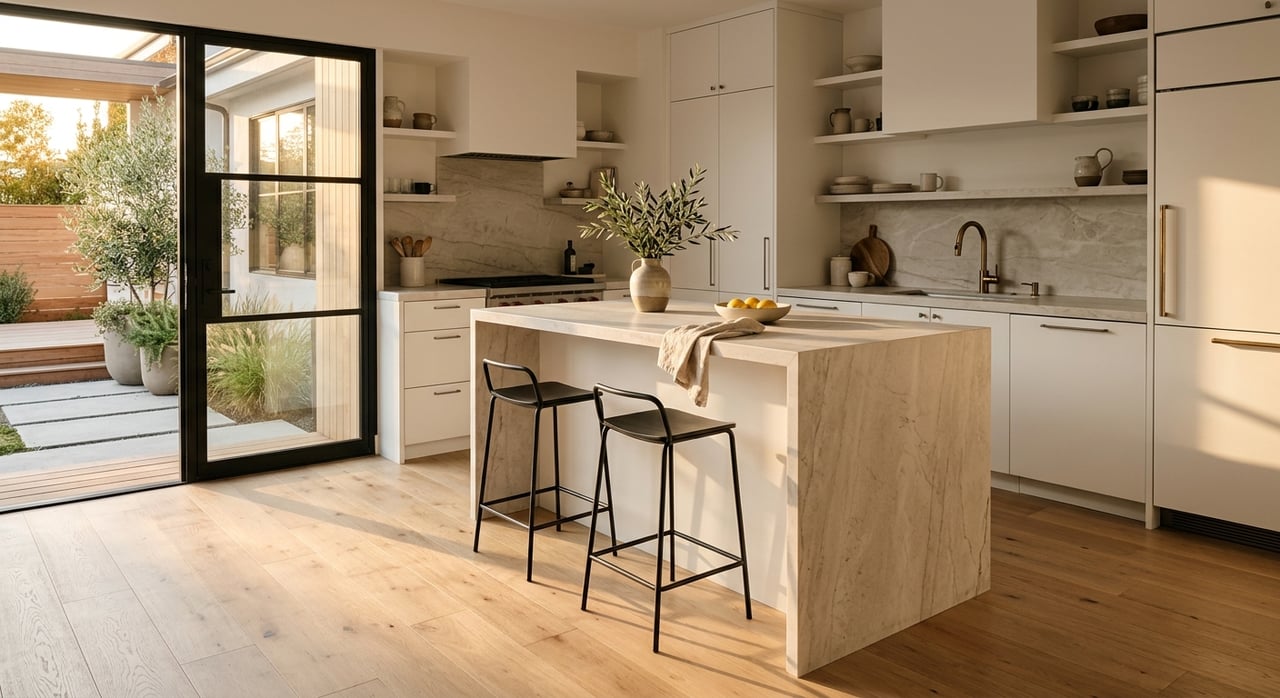
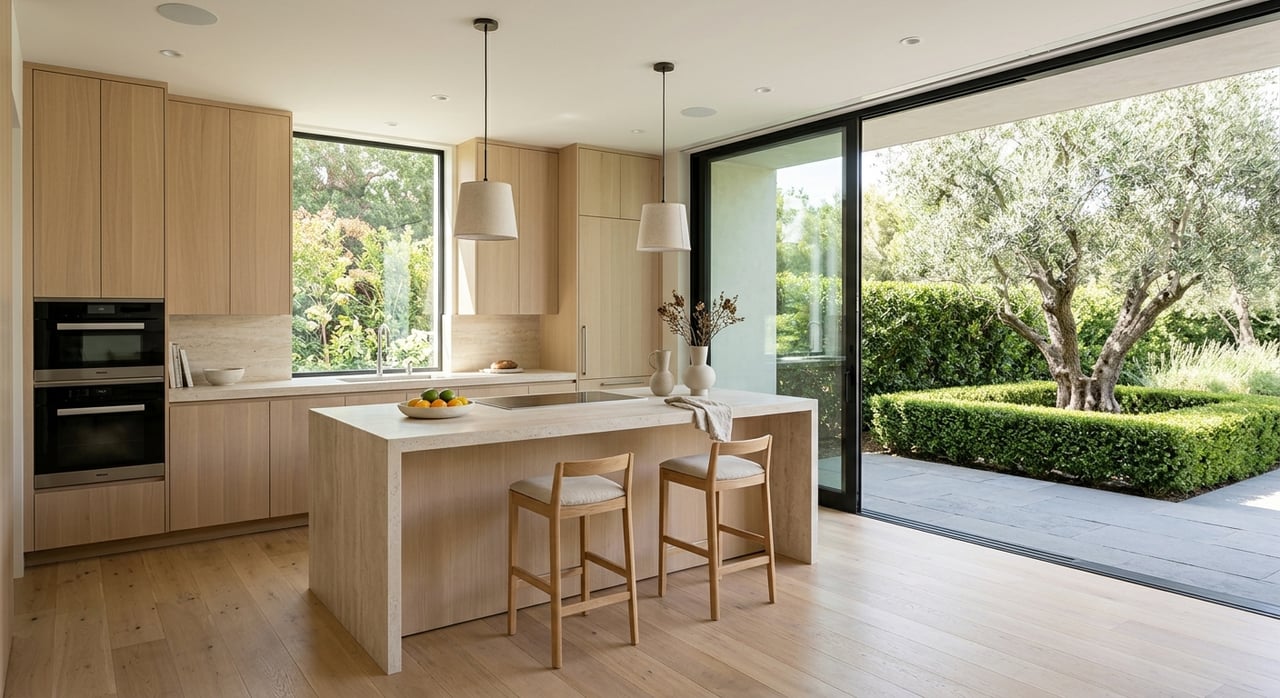
Not every room needs the same level of attention. The same NAR report found that the living room, primary bedroom, and kitchen mattered most to buyers when it came to staging. That is good news if you want to prepare efficiently.
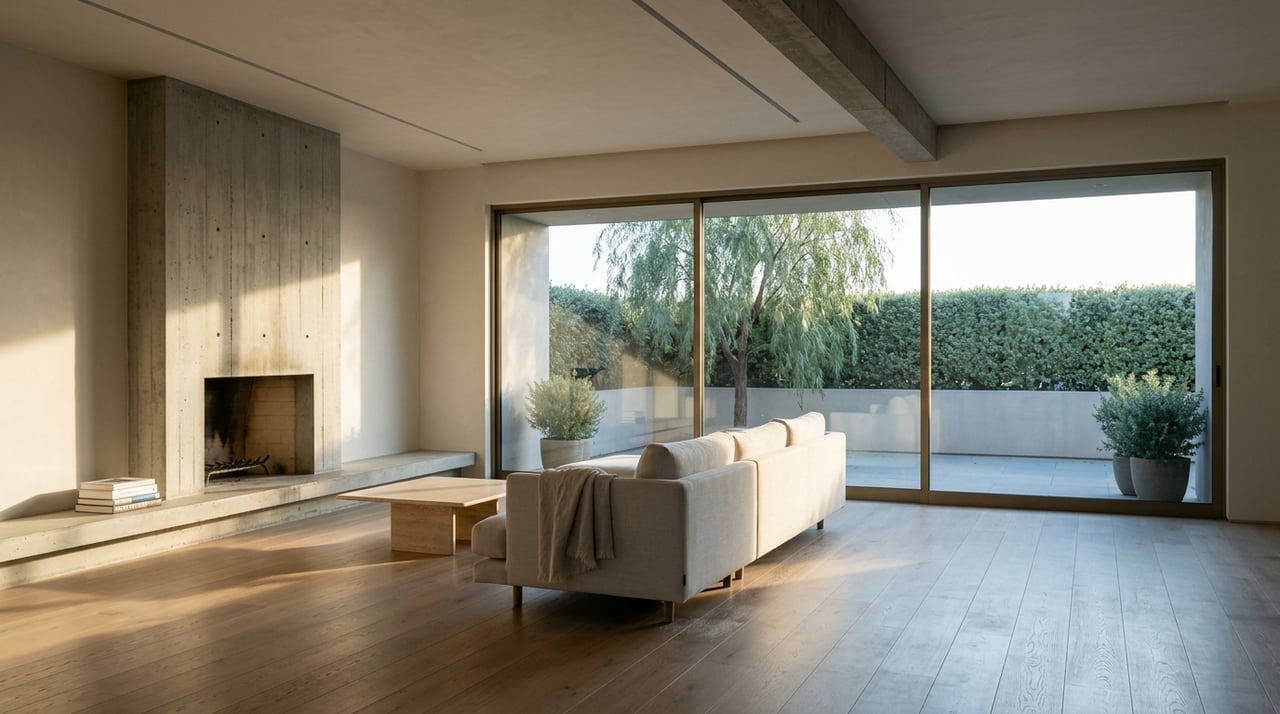
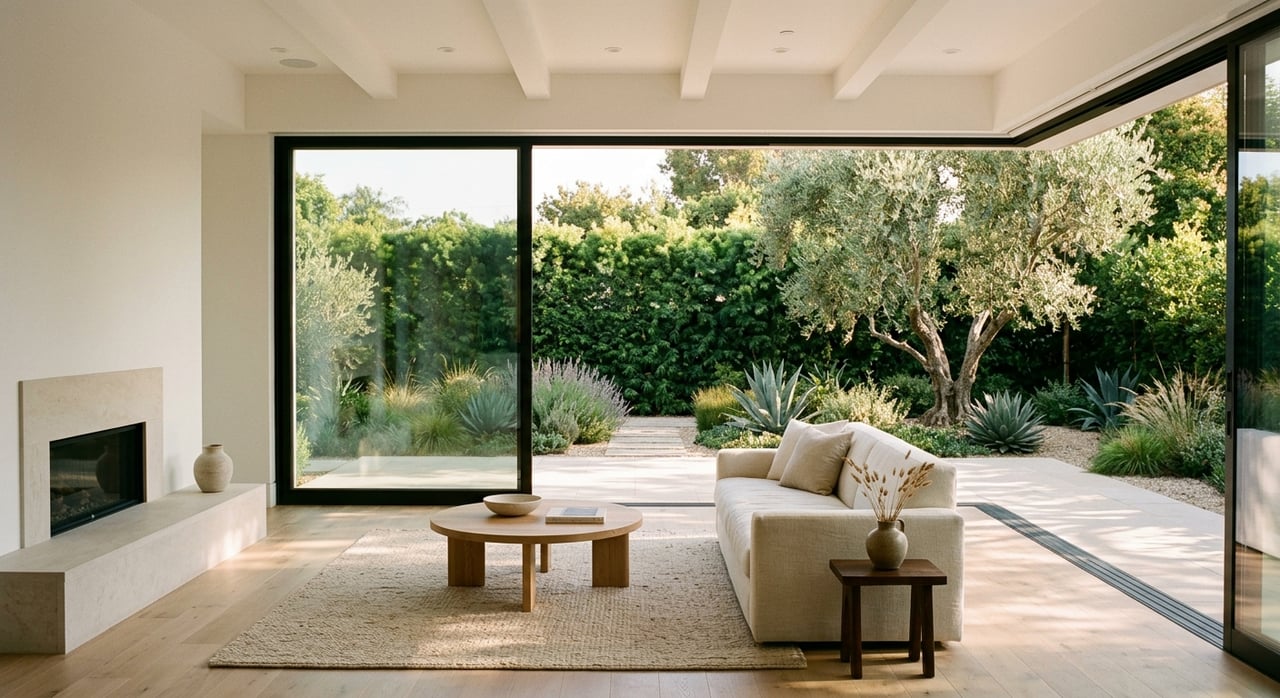
Instead of updating every corner, focus your energy where it counts most. Clean lines, neutral styling, balanced lighting, and minimal visual clutter can help those spaces carry the listing. In a design-conscious market like Pacific Palisades, buyers often respond to homes that feel composed and easy to picture themselves in.
Staging can also support value perception. NAR found that 20% of buyers’ agents said staging increased the dollar value offered by 1% to 5% compared with similar unstaged homes. That is not a guarantee, but it does reinforce how strategic presentation can help a private or low-profile listing compete.
Build a Strong Digital First Impression
Even if you want fewer people through the front door, buyers still need enough information to take the next step. Many begin online, and NAR’s 2025 buyer-seller research says 81% of buyers rated listing photos as the most useful feature in their search, while 52% found the home they purchased online.
That means your digital package has to do more work upfront. Strong photography, thoughtful photo sequencing, and optional video or virtual tour assets can help serious buyers evaluate the home before requesting a private showing. When the online presentation is complete, you may be able to reduce unnecessary traffic and keep in-person access more controlled.
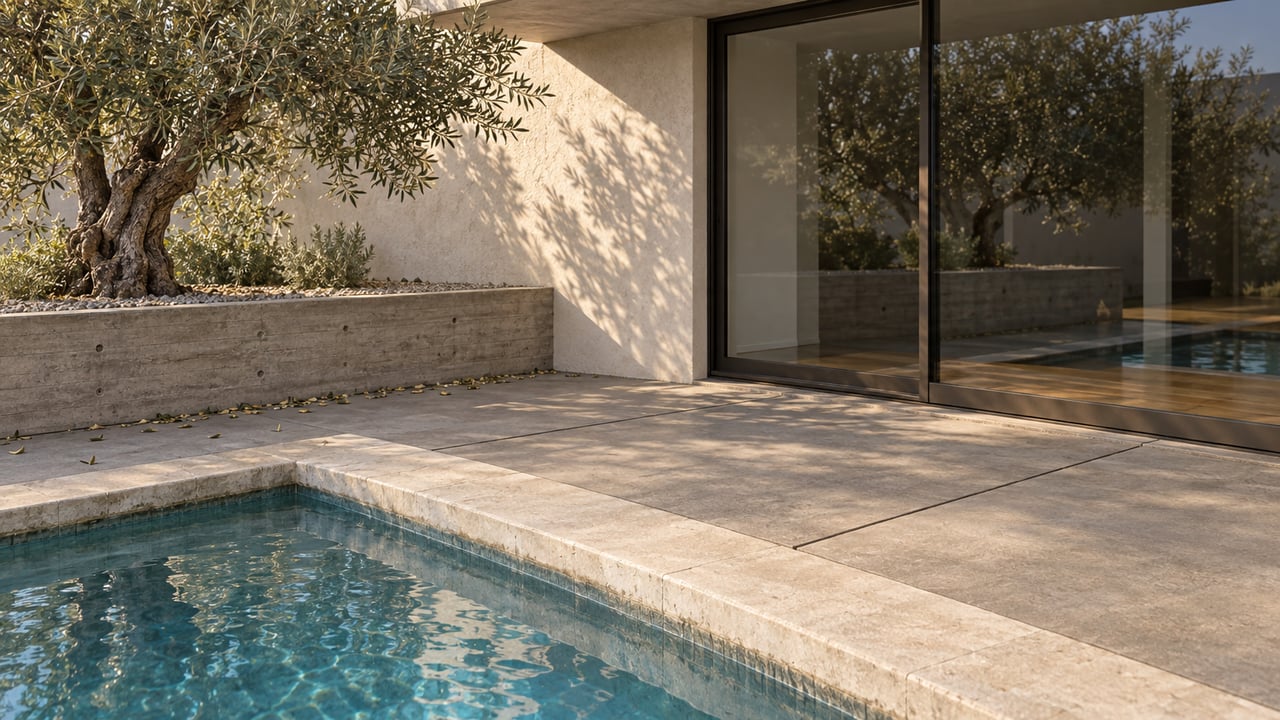
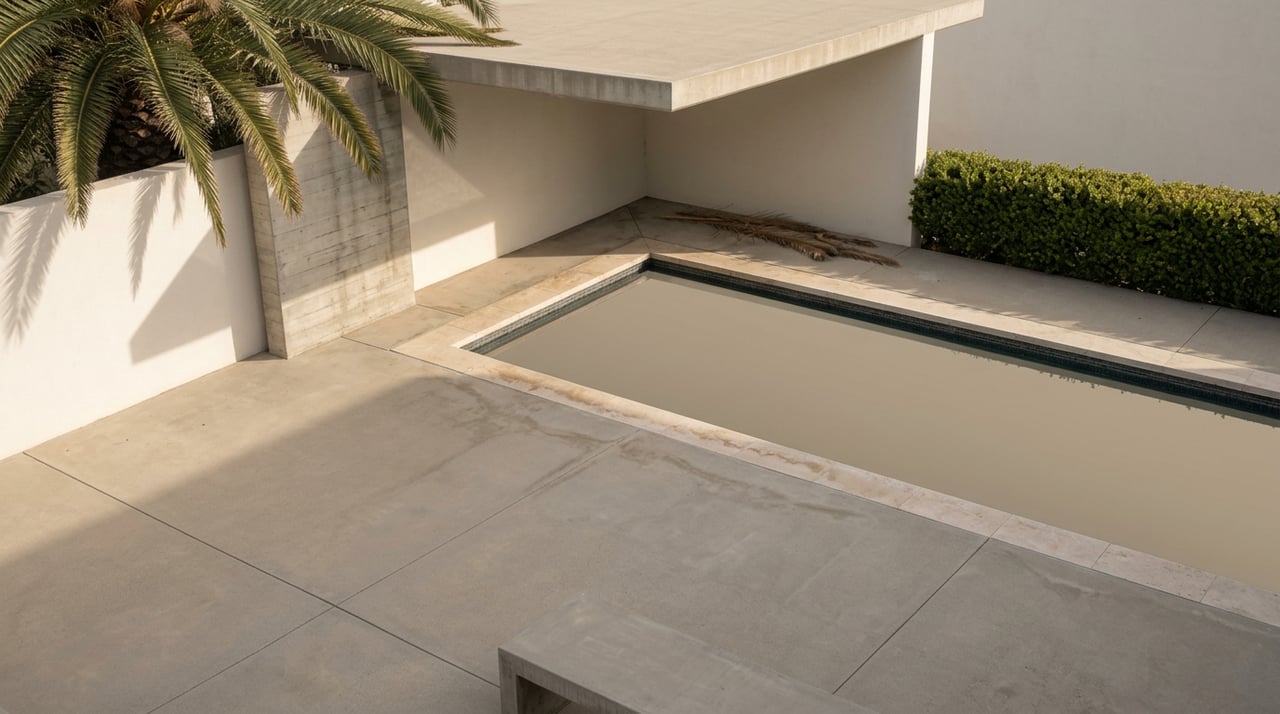
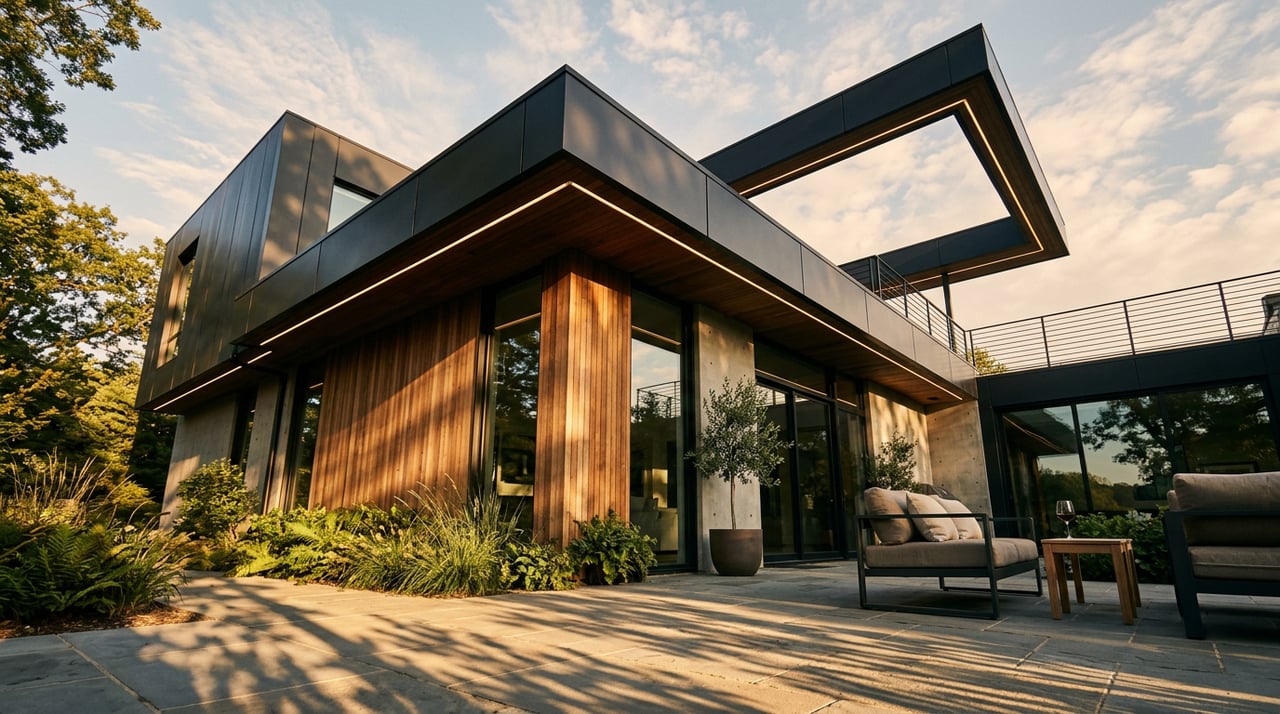
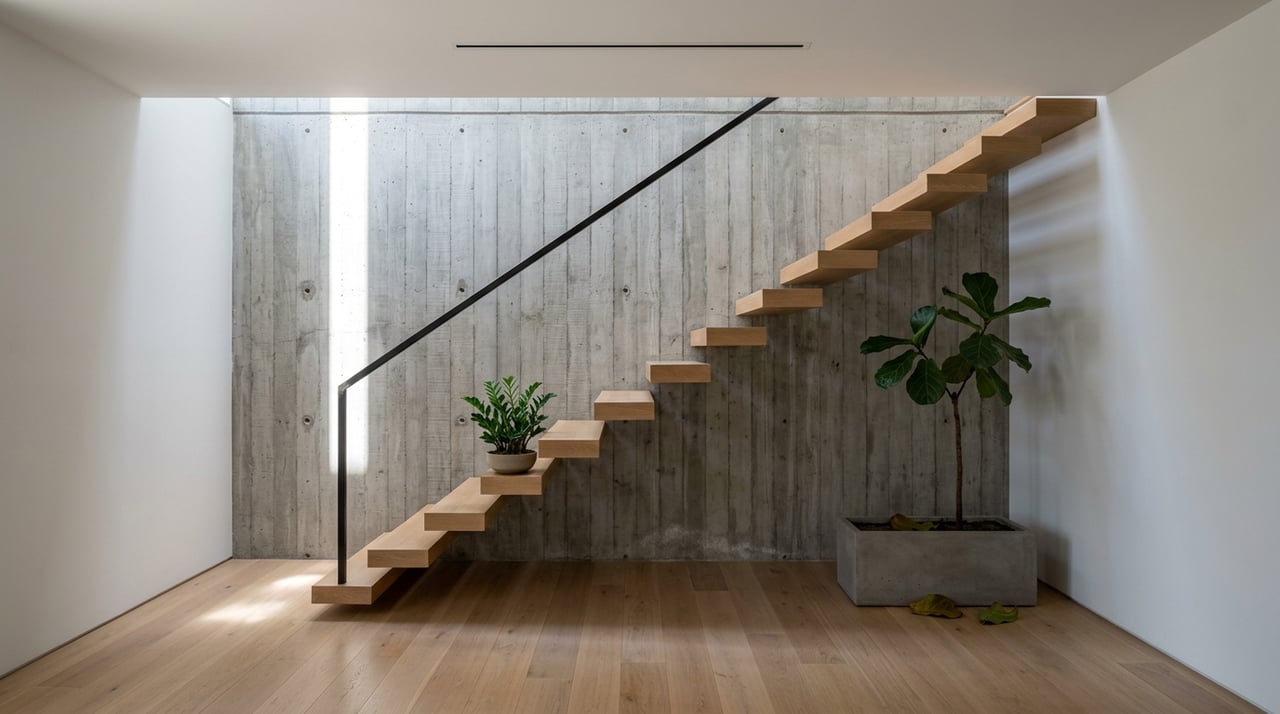
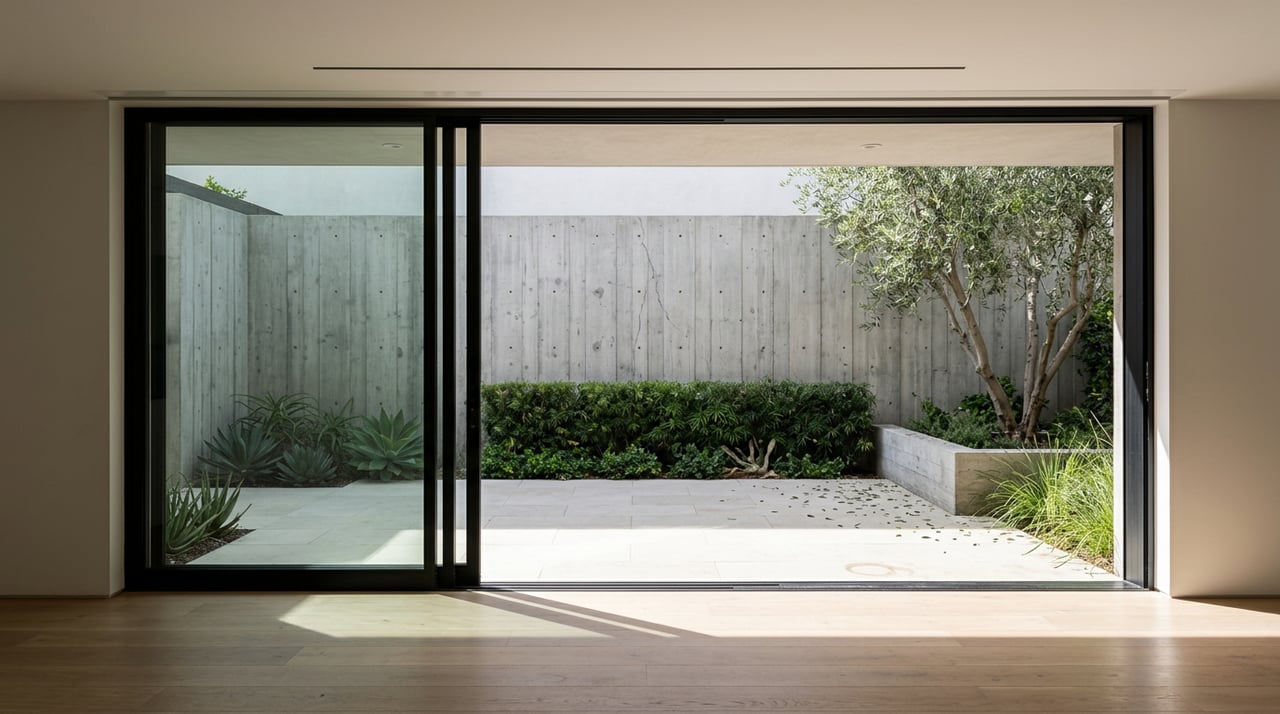
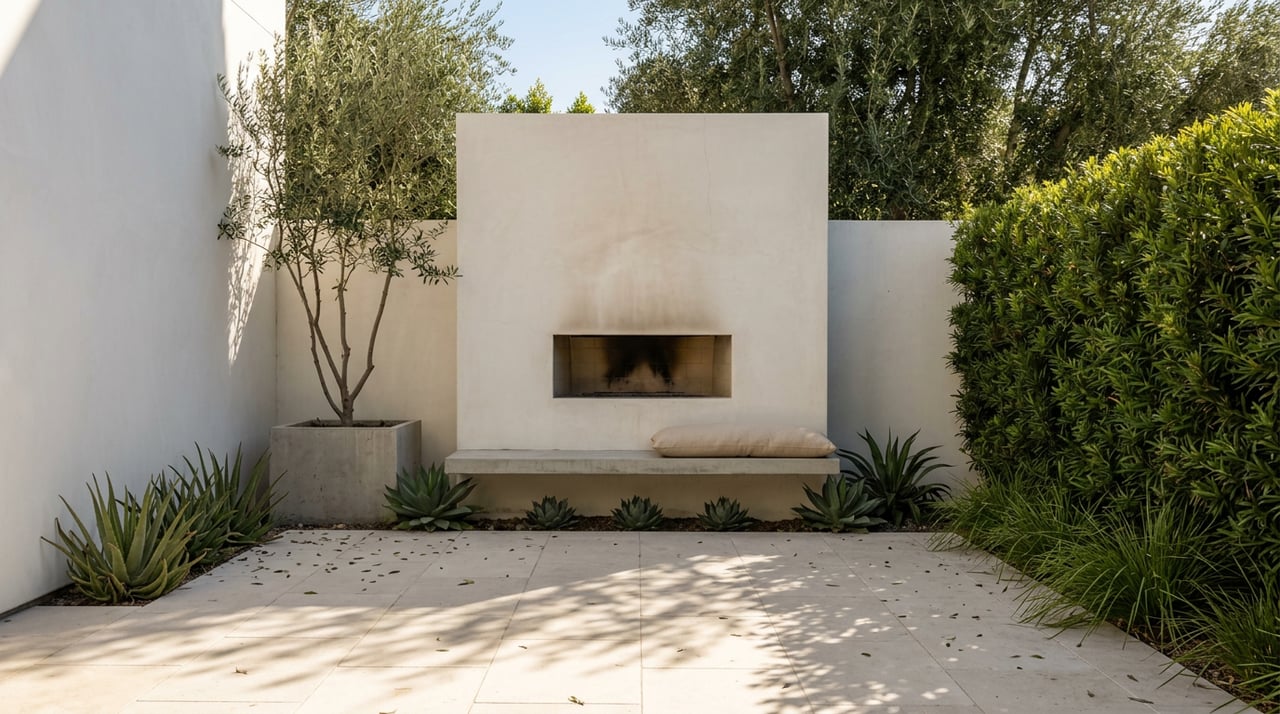
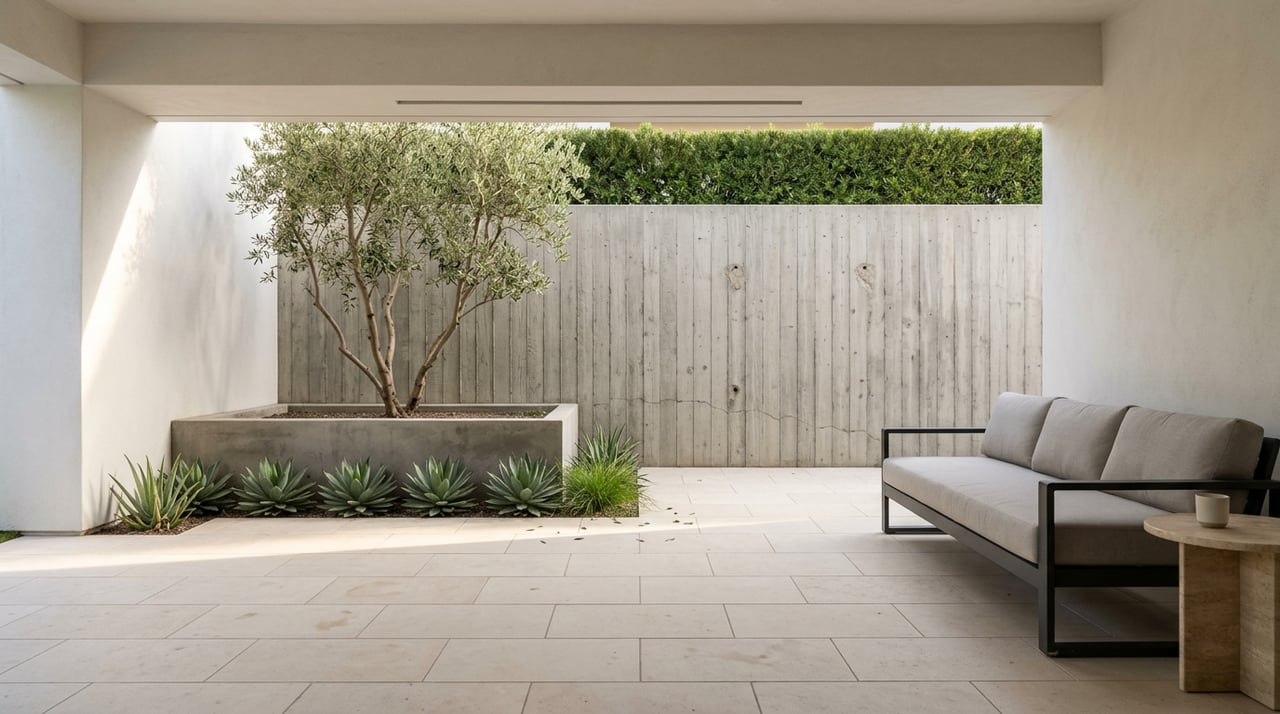
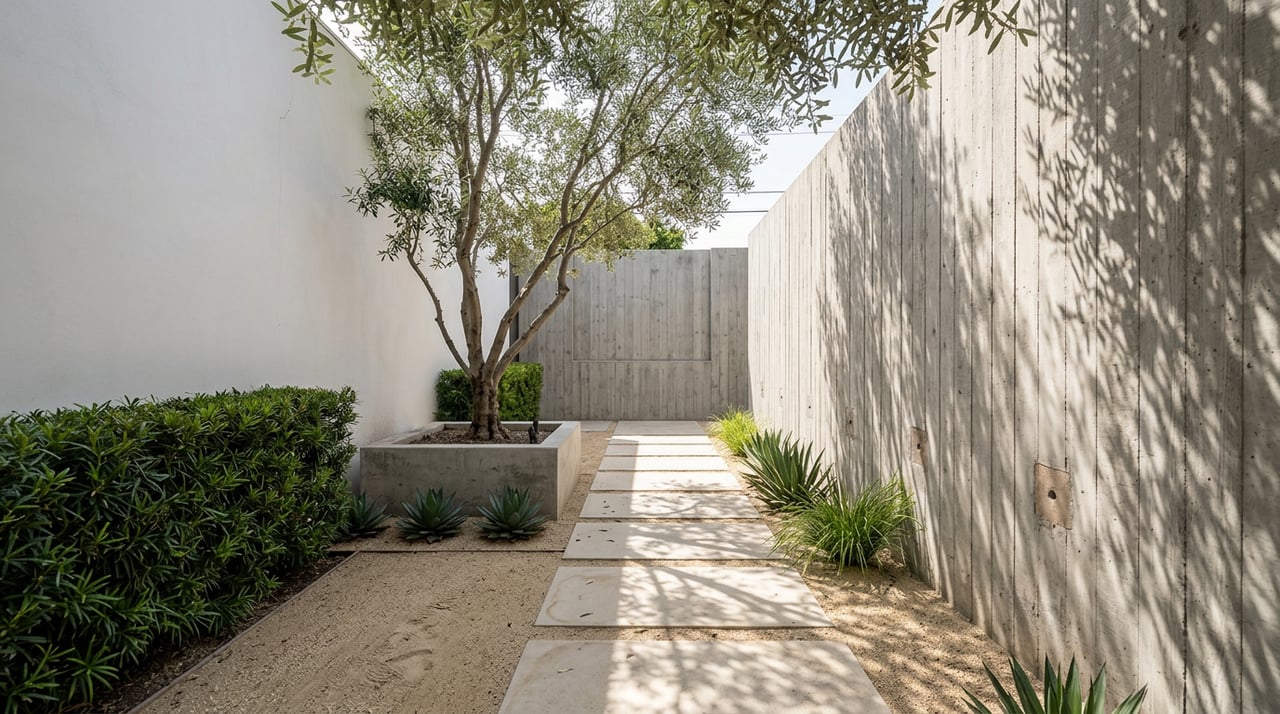
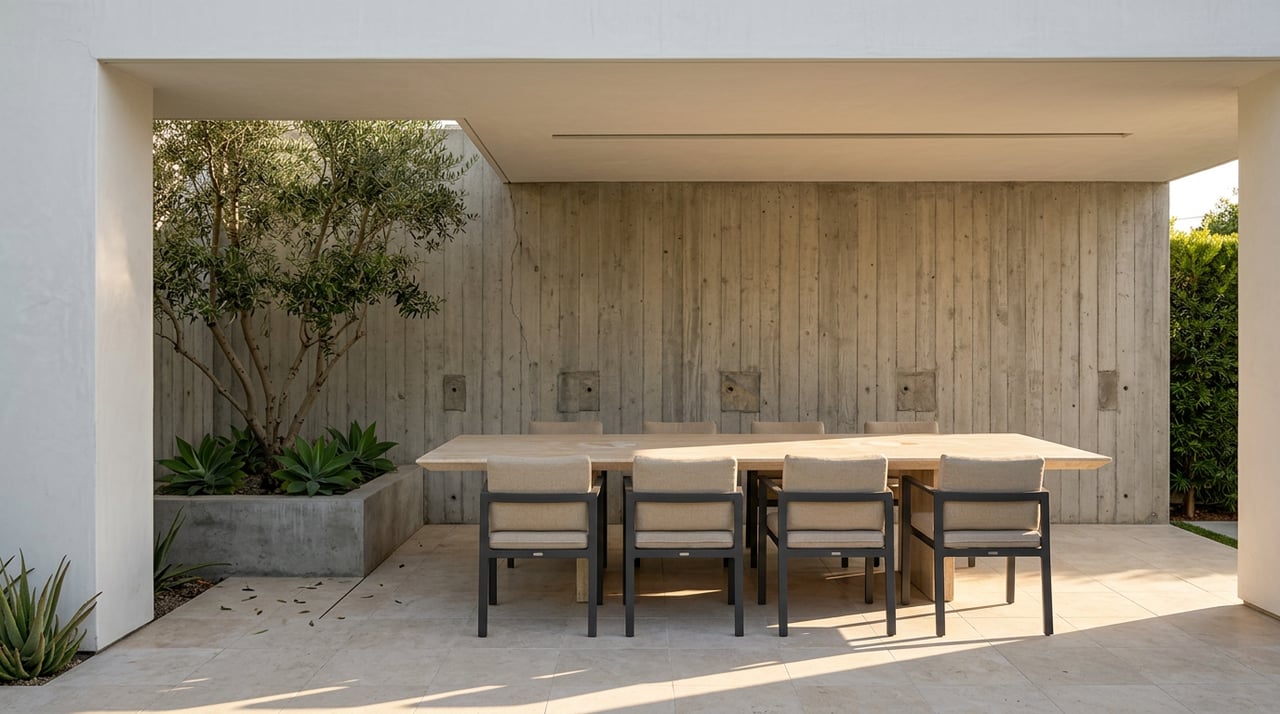
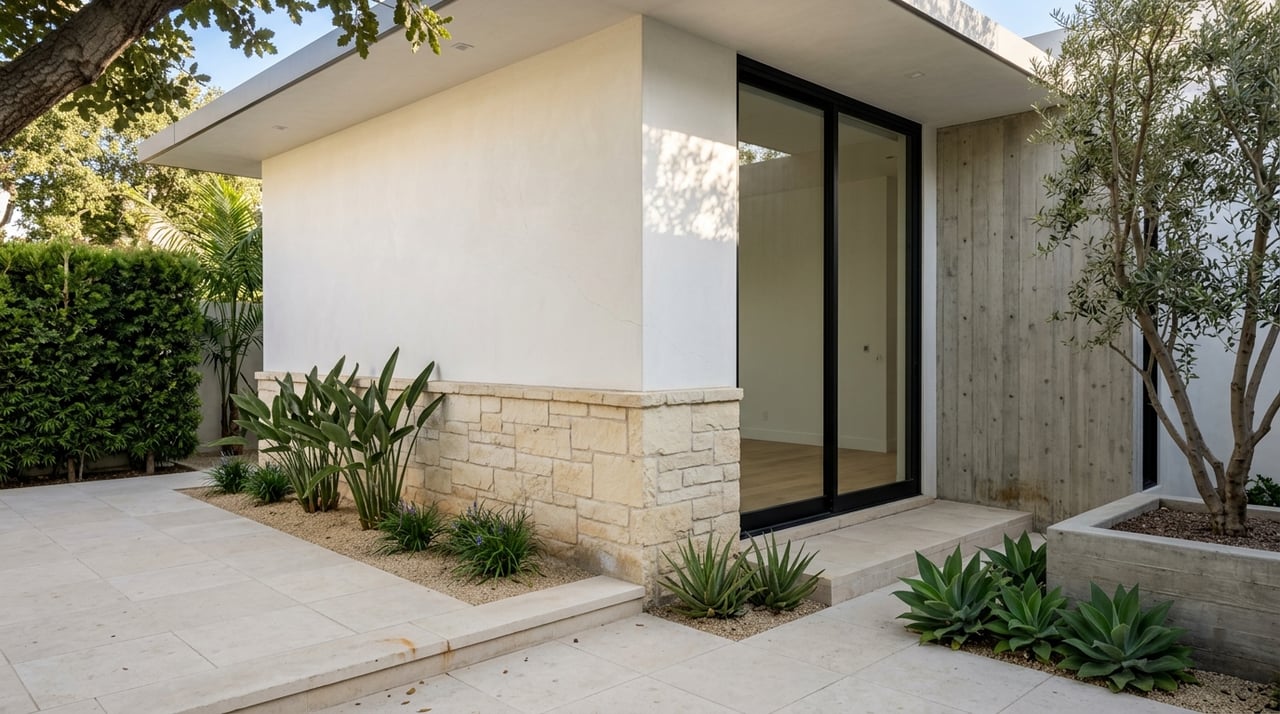
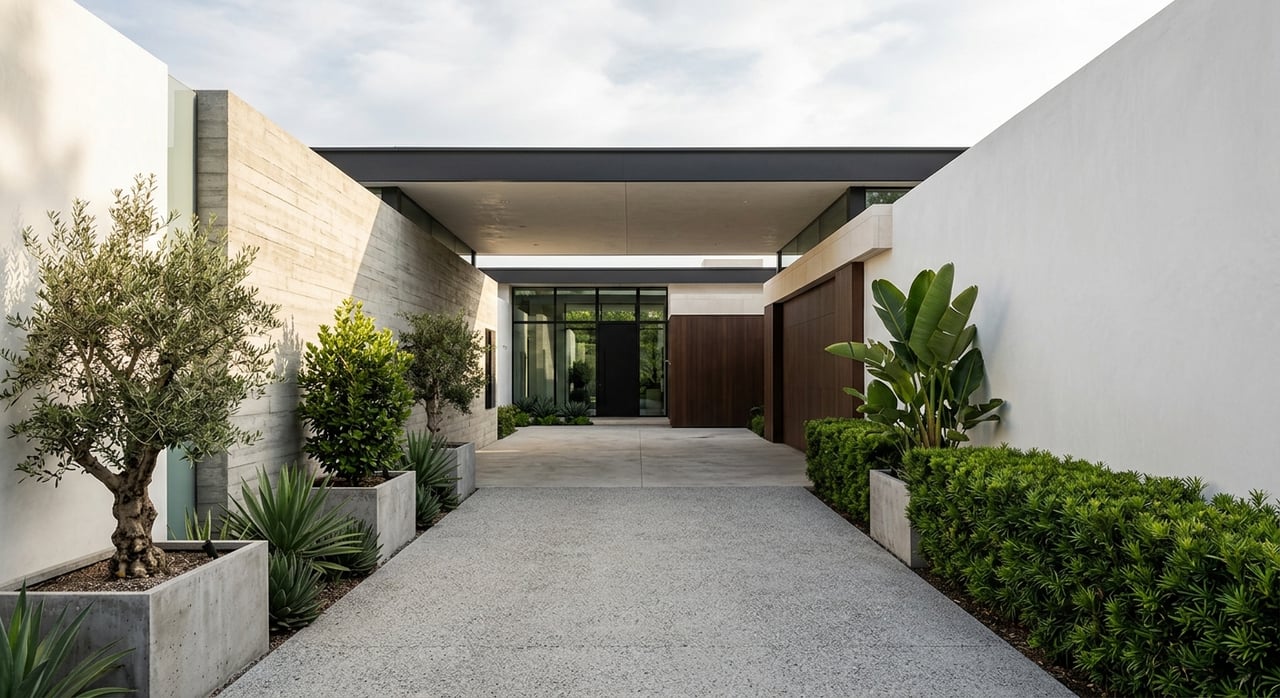
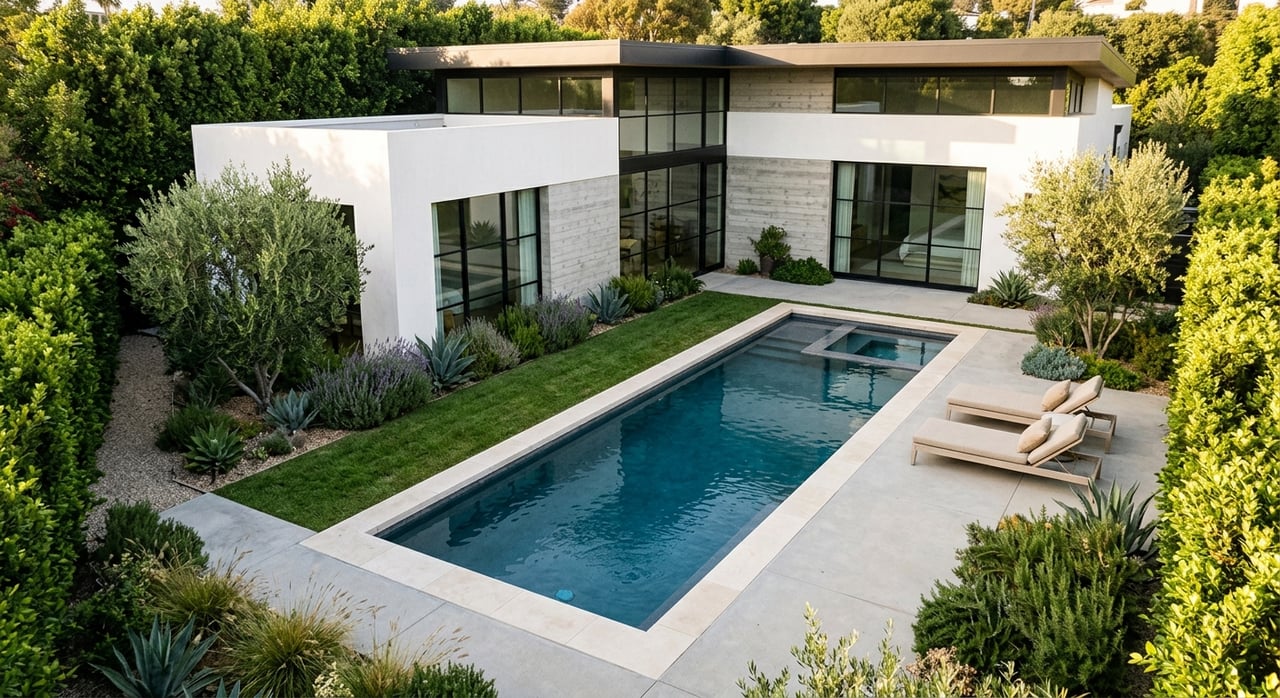
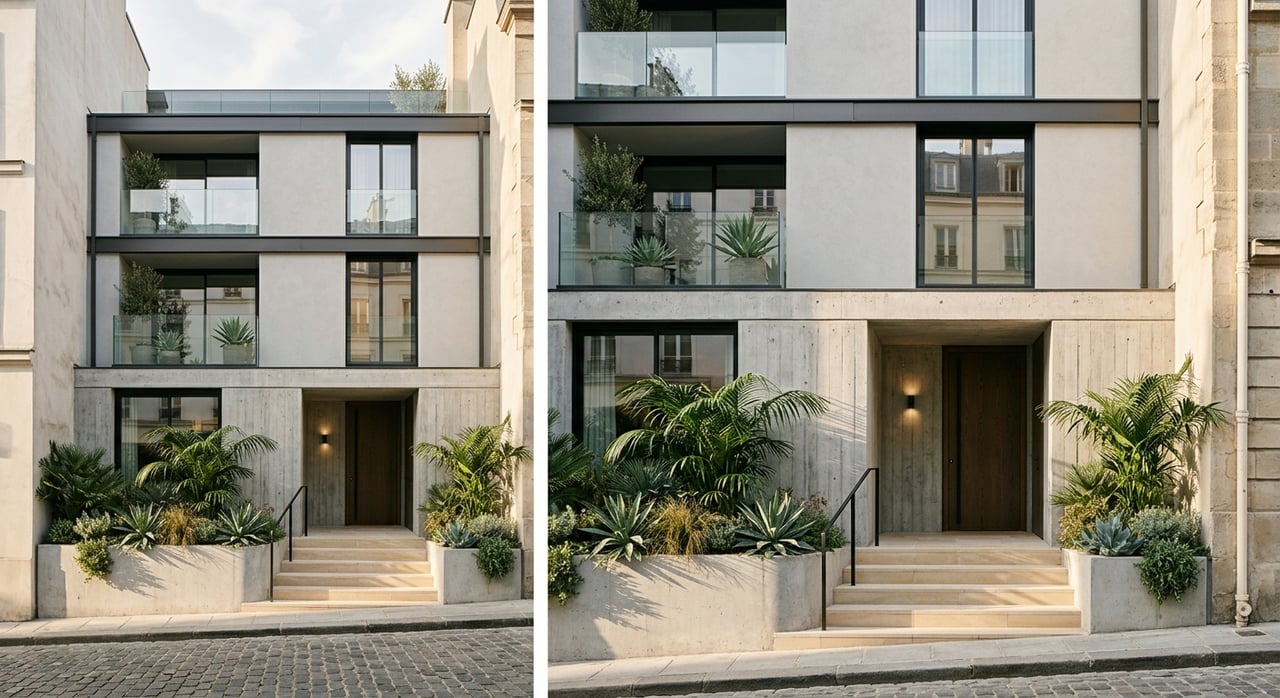
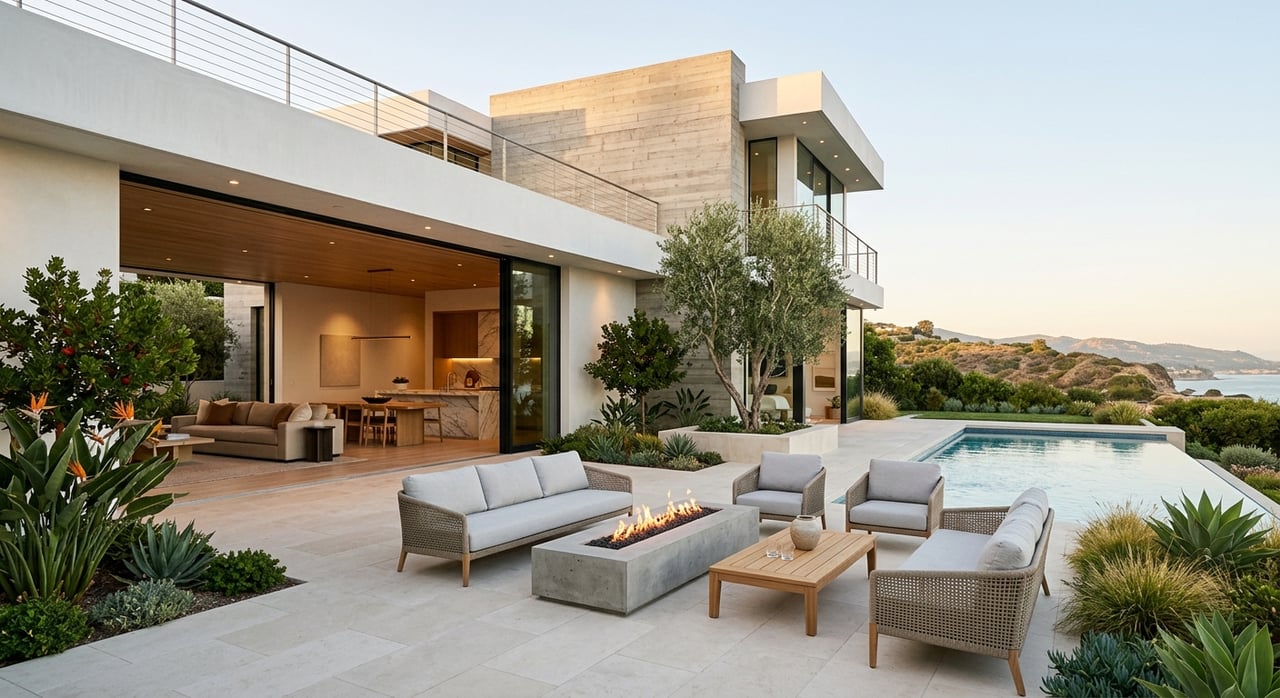
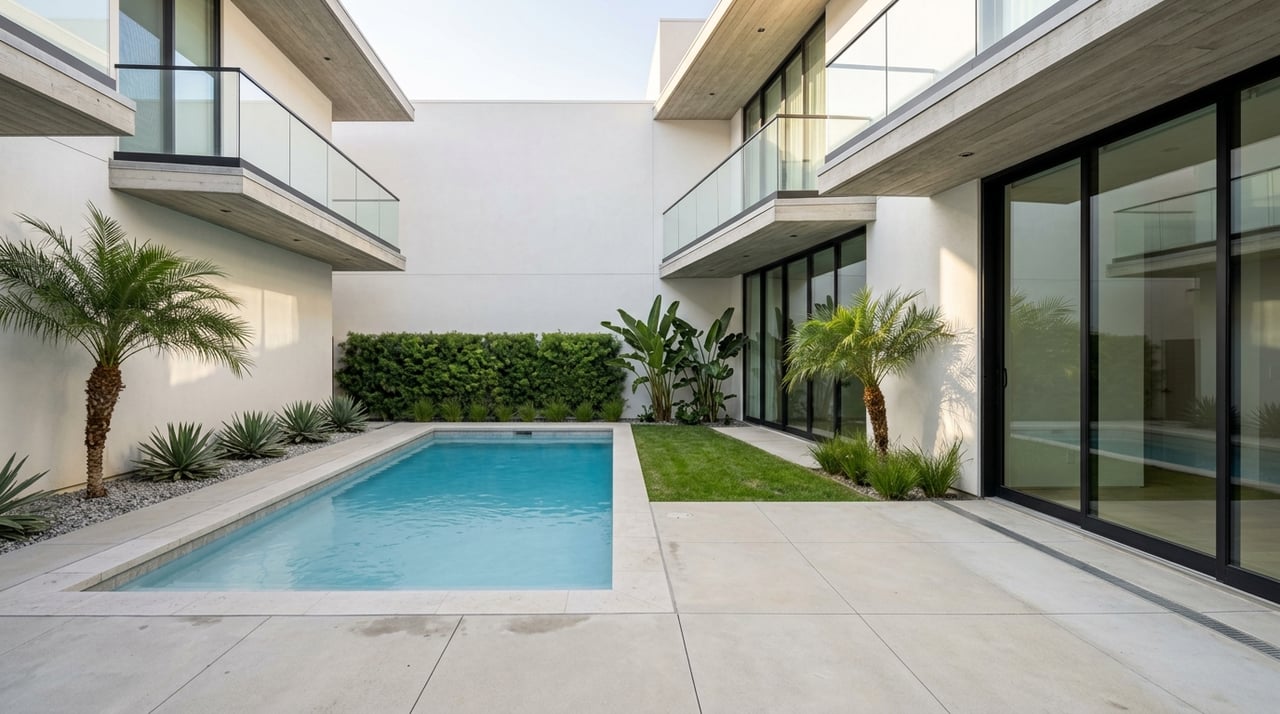
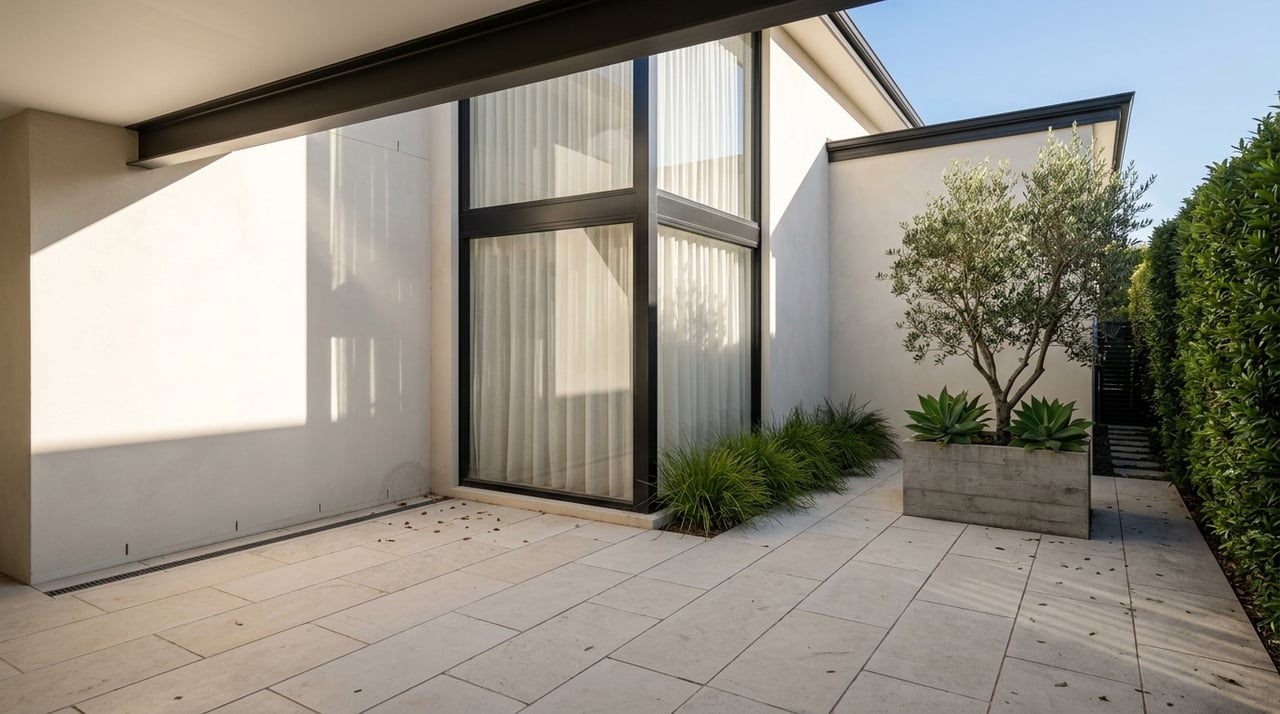
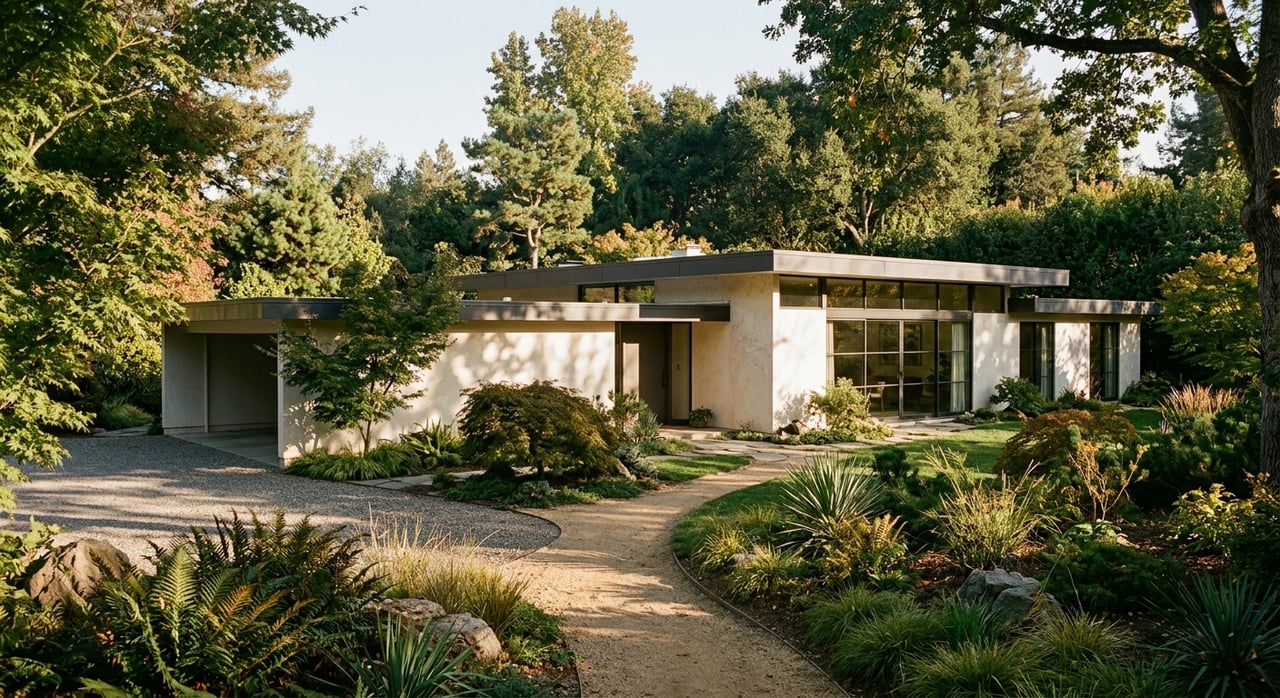
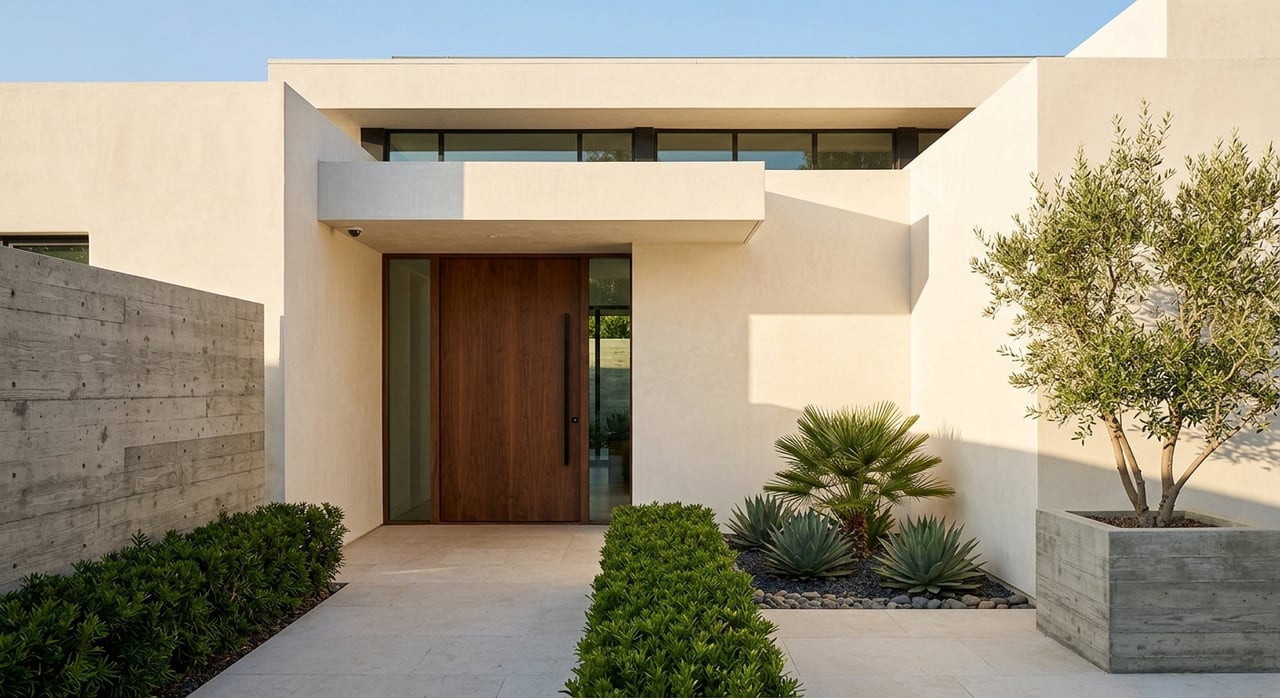
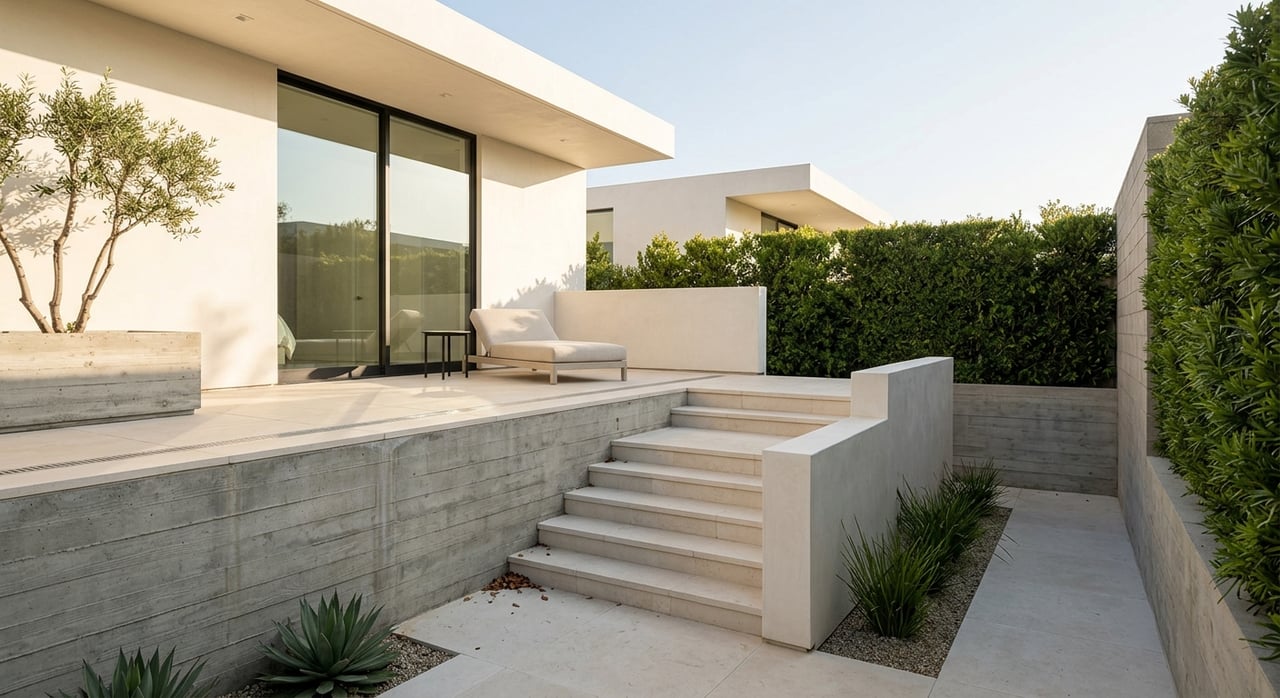
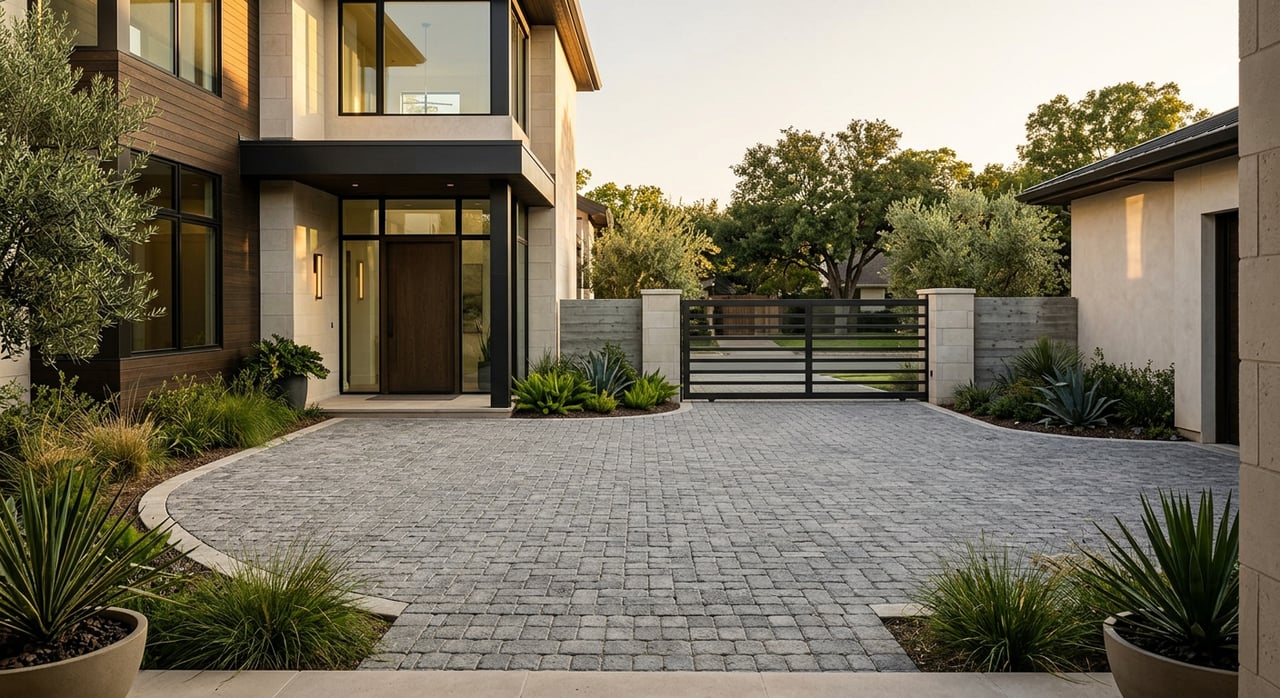
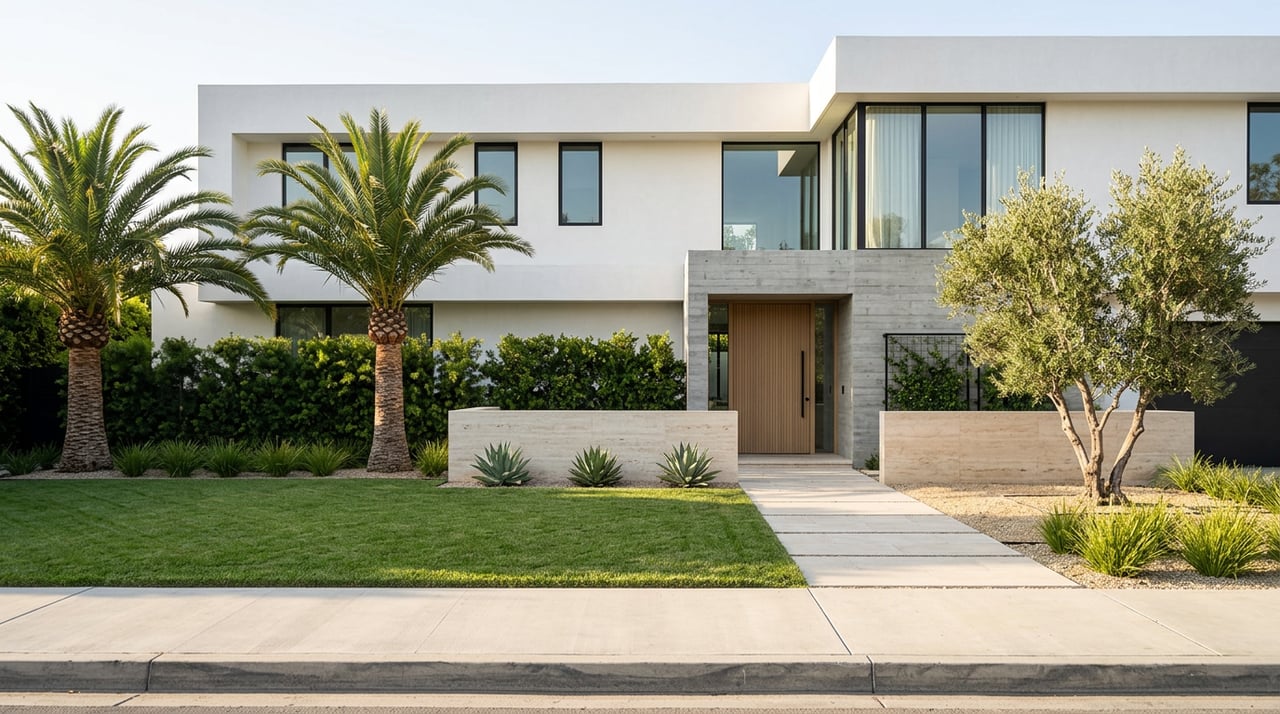
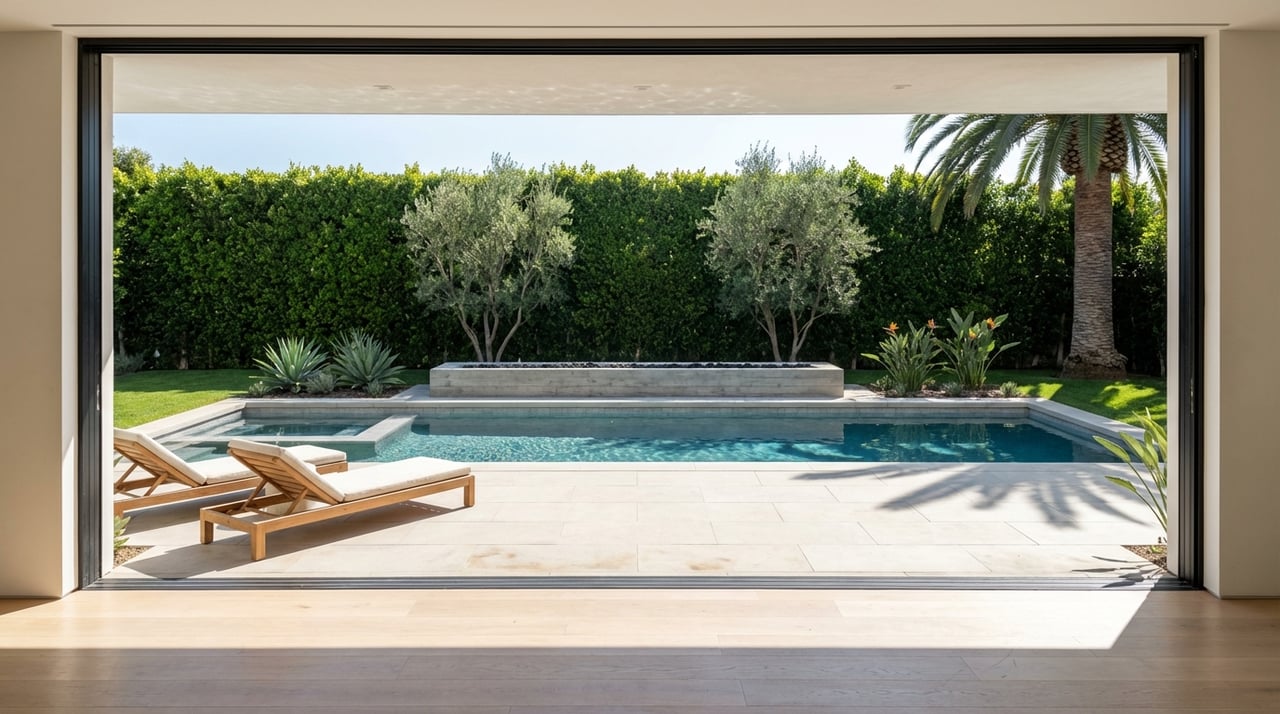
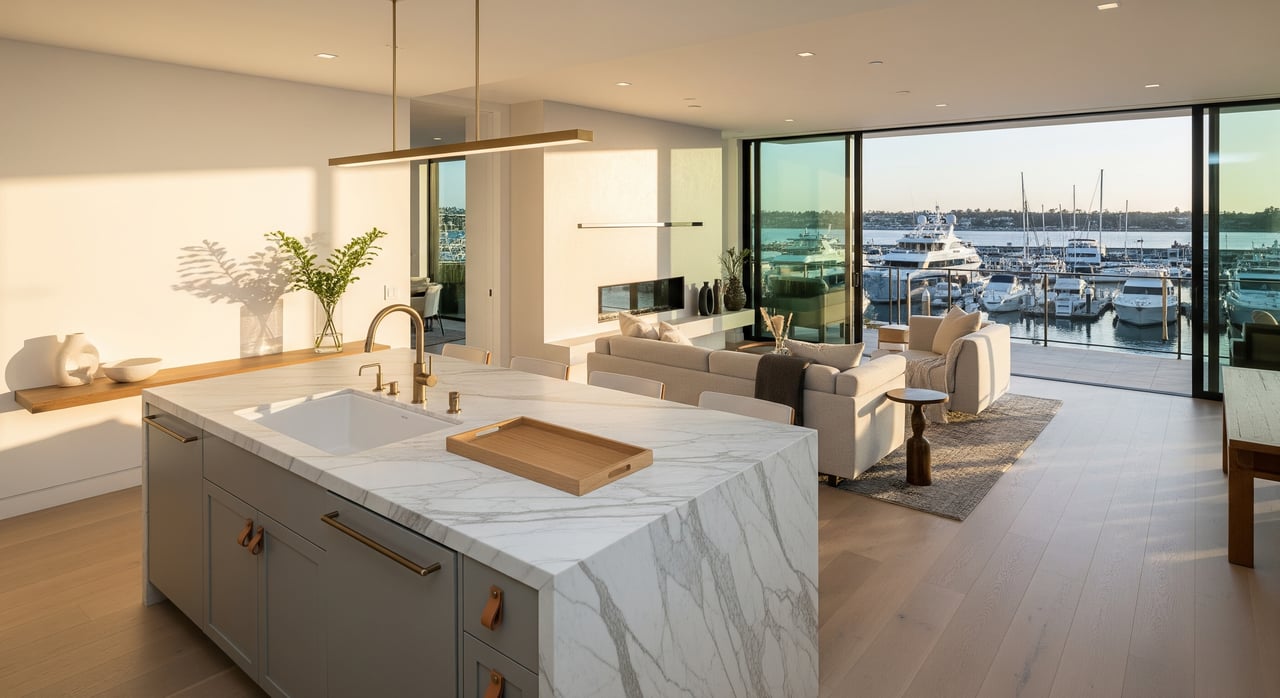
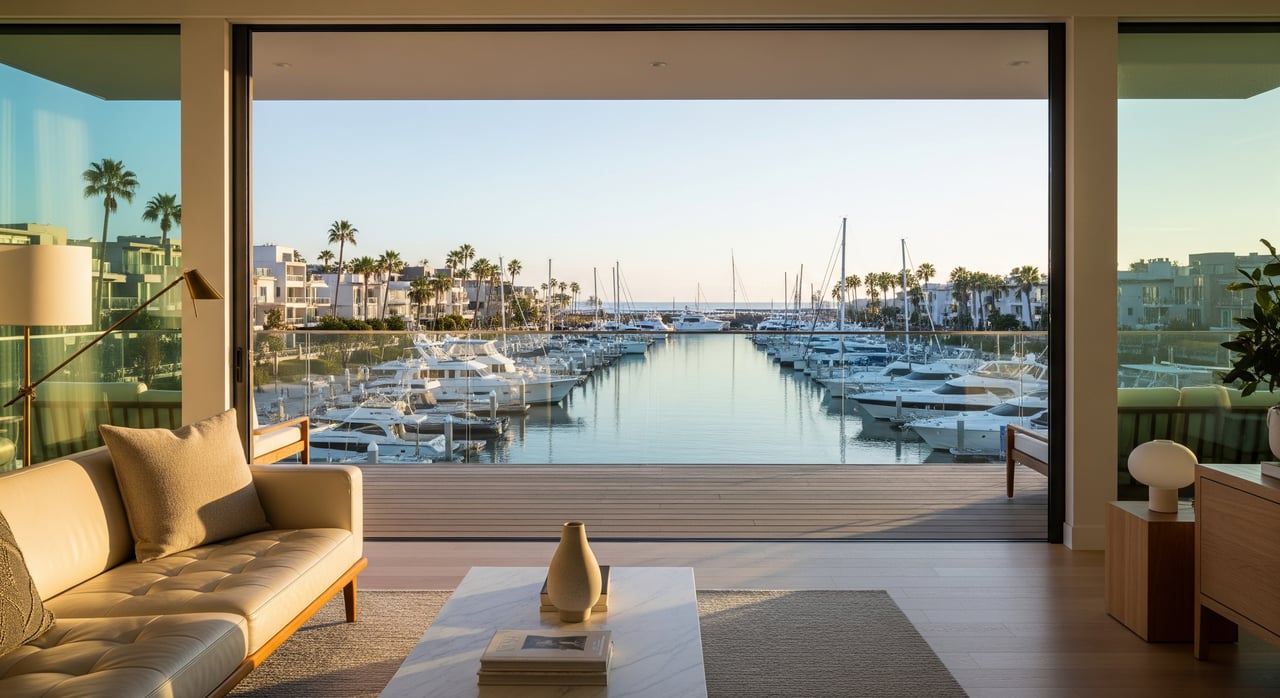
Professional photography should also be treated like an asset, not an afterthought. The imagery needs to feel polished, accurate, and intentional. For a boutique, discreet sale, that often means highlighting architecture, natural light, and indoor-outdoor flow while avoiding anything overly revealing about the owner’s routines or personal life.
Keep Photos Polished and Truthful
In California, digitally altered listing images come with specific rules. Under Civil Code 10140.8, if a broker or salesperson uses a digitally altered image in sale advertising, the material must include a clear disclosure and a way for viewers to access the original unaltered image. Ordinary edits like cropping, exposure correction, lighting adjustment, and color correction are excluded if they do not change the property’s representation.
The practical takeaway is simple. Your listing photos can and should look refined, but they also need to remain truthful. If virtual staging or other significant alterations are used, they should be clearly labeled.
For a quiet sale, this matters even more because buyers may rely heavily on the online package before ever stepping inside. Trust starts with accurate representation.
Plan Showings With Privacy in Mind
A discreet launch works best when showing access is structured, not reactive. If you are trying to limit visibility, random open access can undercut the entire strategy. A better approach is to create a process that screens interest and schedules appointments thoughtfully.
That might mean concentrating private showings into specific windows, requiring advance notice, or waiting until the home is fully prepared before allowing any in-person access. The goal is to protect your routine while still giving qualified buyers a clear path to view the property.
This is where timing matters. Based on CRMLS prep windows and local market pace, a quiet sale should usually be viewed as a multi-week process rather than a quick one-week push. Preparation, photography, disclosure review, launch timing, and buyer follow-up all need room to work.
Handle Disclosures Early
A quiet sale does not reduce disclosure requirements in California. Civil Code 1102 applies to transfers of single-family residential property, and any waiver of those disclosure requirements is void. California guidance also explains that sellers must disclose the property’s physical condition and potential hazards or defects, while the buyer’s agent has a duty to visually inspect and disclose readily observable issues.
That is why disclosure preparation should happen early, not after interest appears. If you wait until a buyer is already engaged, missing information can slow the process and create avoidable friction. Early review helps keep the transaction composed and better aligned with a controlled launch.
In practical terms, this means gathering records, reviewing known conditions, and discussing any visible issues before your property is introduced to the market in any form. Privacy and preparedness should work together, not compete.
Review Natural Hazard Disclosure Carefully
Natural Hazard Disclosure rules also apply when relevant in California. Civil Code 1103 and 1103.2 require disclosure of certain hazard-zone statuses, including flood areas, very high fire hazard severity zones, earthquake fault zones, seismic hazard zones, and wildland fire areas.
For Pacific Palisades sellers, this is an important part of pre-list planning. Hazard status can affect development, insurance, or disaster assistance, so it should be reviewed before launch rather than addressed later under pressure. A complete hazard review supports a cleaner transaction and helps serious buyers evaluate the property with fewer surprises.
This is especially important in a privacy-conscious sale, where you may be limiting buyer traffic and relying more heavily on a tight, informed process. The fewer loose ends you carry into launch, the better.
Match Pricing and Timing to the Market
Discretion does not replace market reality. Redfin’s March 2026 data for Pacific Palisades shows a median sale price of $3.0 million, a median of 64 days on market, and a 95.3% sale-to-list ratio. Those numbers suggest that buyers are still active, but they are also paying attention.
A quiet sale should be priced with the same discipline as a public one. If exposure is narrower, pricing and presentation need to be even sharper because you may have fewer chances to capture the right buyer quickly. Strong prep helps, but it does not erase the importance of positioning.
That is why discreet sales tend to perform best when they combine privacy with polished execution. The home looks ready, the materials are complete, the showing process is controlled, and the pricing reflects actual market conditions.
A Smart Quiet Sale Is Still a Full Strategy
The most effective quiet sales are not improvised. They are carefully prepared launches built around presentation, privacy, disclosure readiness, and realistic expectations. In Pacific Palisades, where buyers still rely heavily on photos and online discovery, a discreet approach works best when the home is market-ready before it is shown to anyone.
If you are considering a private or low-profile sale, the goal is not simply to stay out of the spotlight. It is to create the kind of thoughtful, design-aware presentation that gives serious buyers confidence while protecting your comfort and privacy.
If you are thinking about a discreet sale in Pacific Palisades, Gina Martino can help you build a tailored launch strategy with polished presentation, controlled exposure, and calm, high-touch guidance from start to finish.
FAQs
What does a quiet sale mean for a Pacific Palisades home?
- A quiet sale usually means selling with more privacy and control, such as through an office exclusive, delayed marketing approach, or a carefully managed pre-launch strategy.
How should you prepare a Pacific Palisades home for a discreet sale?
- Start with decluttering, whole-home cleaning, depersonalizing, minor repairs, and focused staging in the living room, primary bedroom, and kitchen.
Why are listing photos important in a private Pacific Palisades home sale?
- Many buyers start online, and strong listing photos can help serious buyers evaluate the home before requesting a private showing, which may reduce unnecessary in-person traffic.
Can you use virtually staged photos when selling a home in California?
- Yes, but if images are digitally altered in a way that changes the property’s representation, California requires clear disclosure and access to the original unaltered image.
Do California disclosure rules still apply in a quiet home sale?
- Yes, a quiet sale does not change California disclosure requirements, including property condition disclosures and any applicable Natural Hazard Disclosure obligations.
How long should you expect a quiet sale to take in Pacific Palisades?
- It is best to plan for a multi-week process that includes preparation, photography, disclosure review, controlled launch, and market time, rather than expecting an immediate sale.