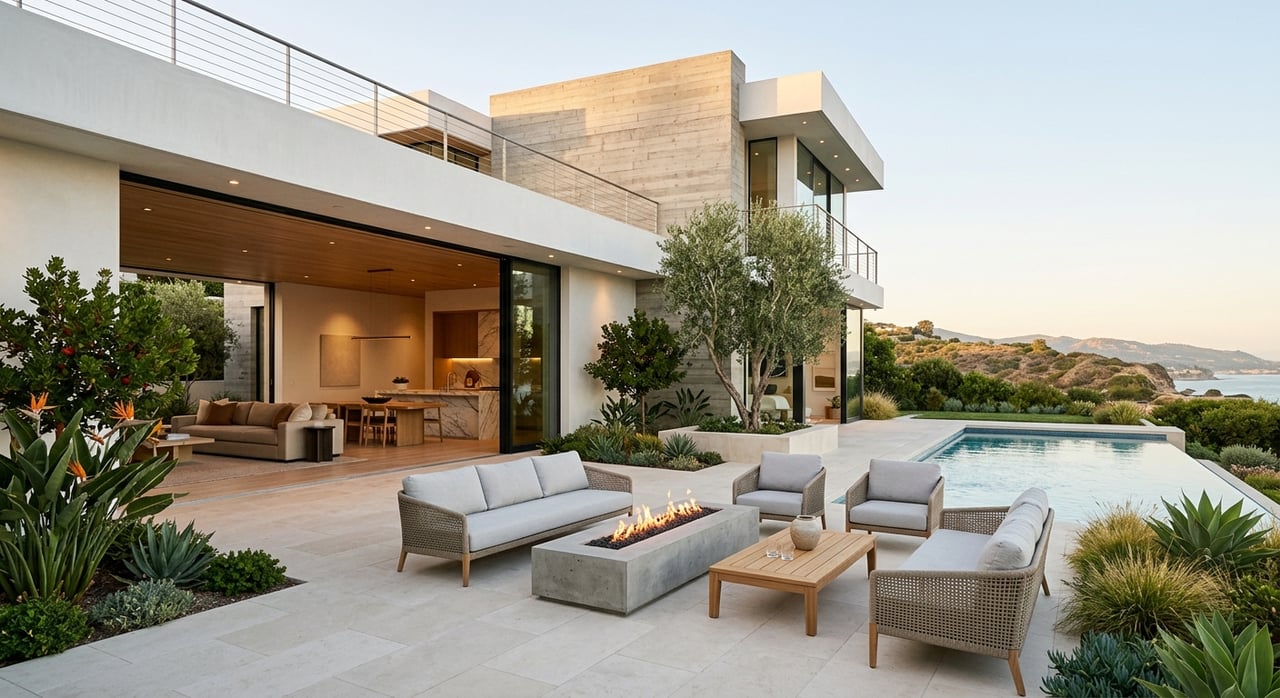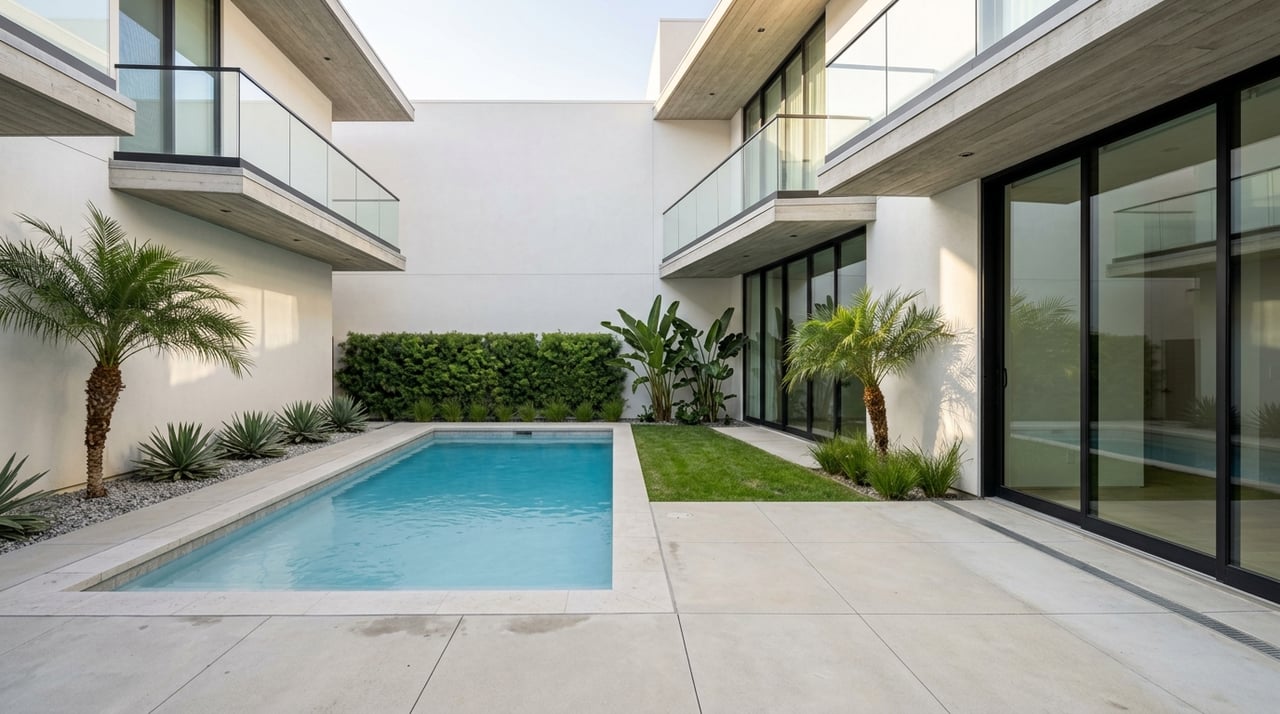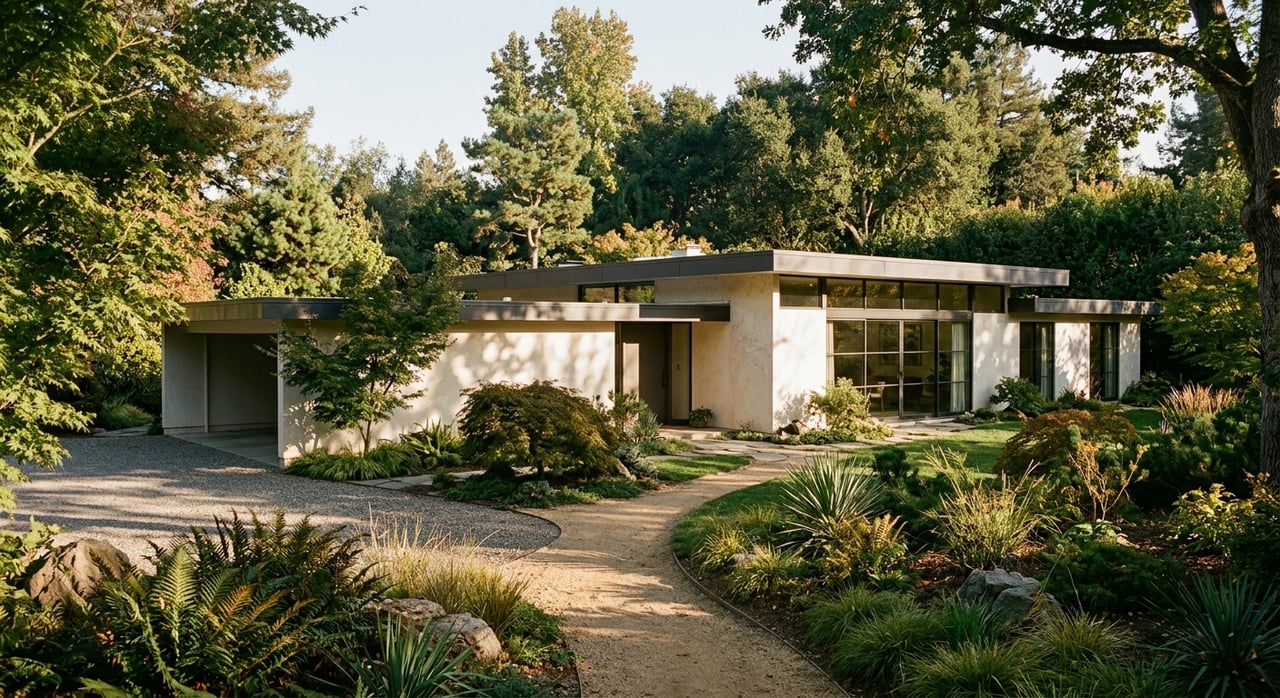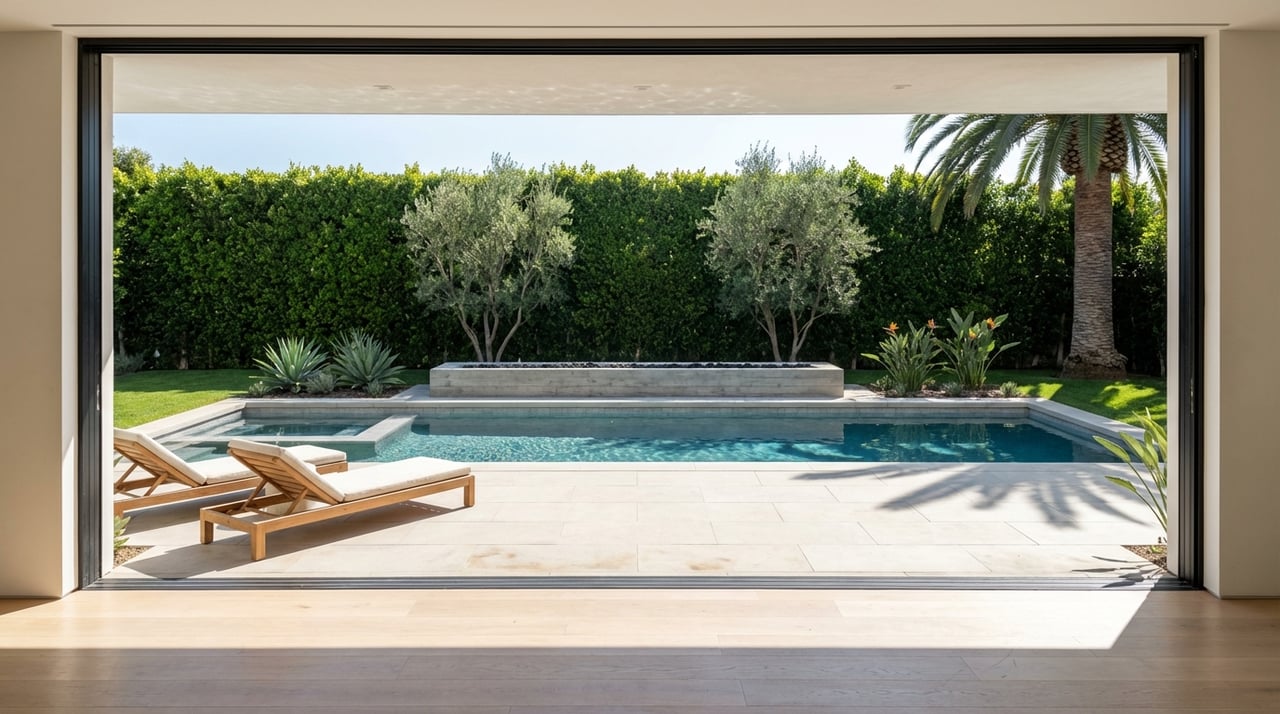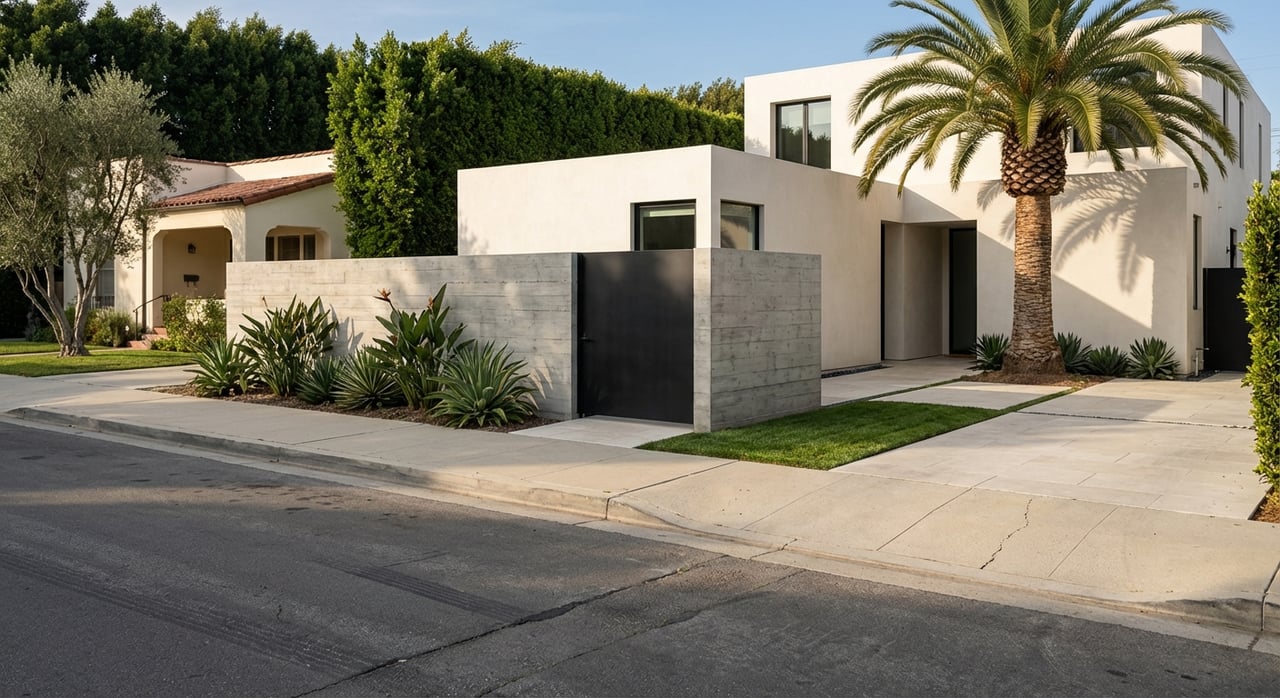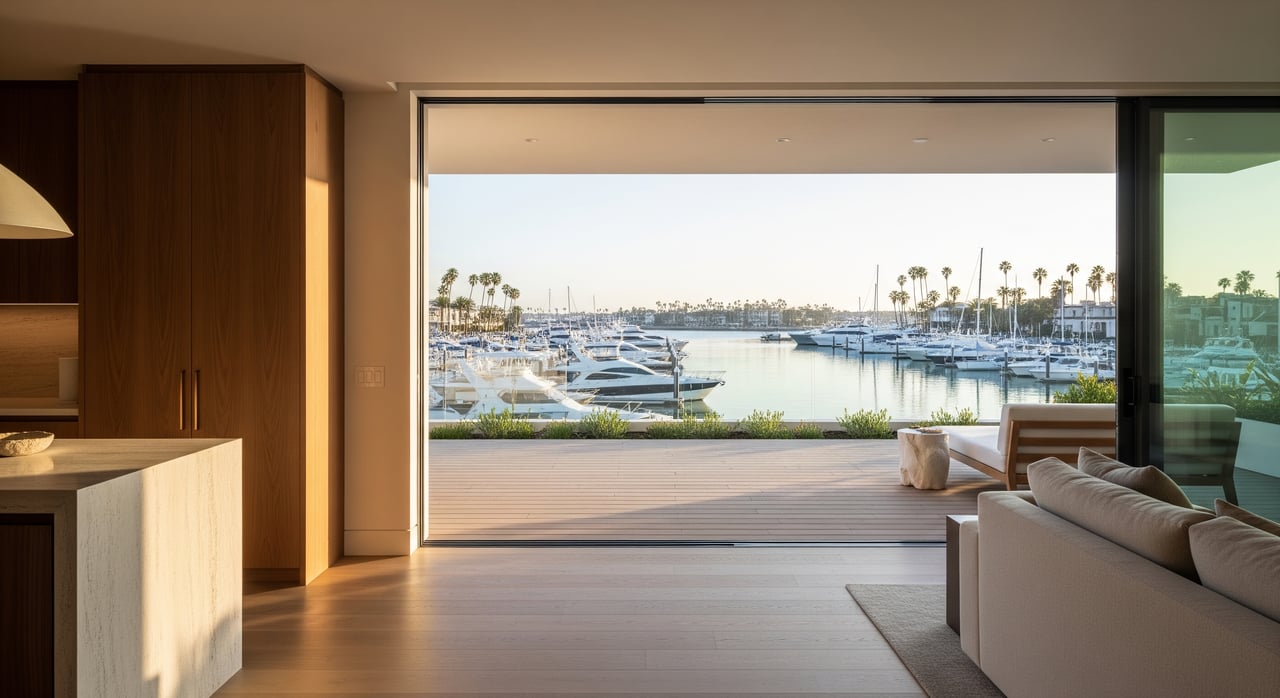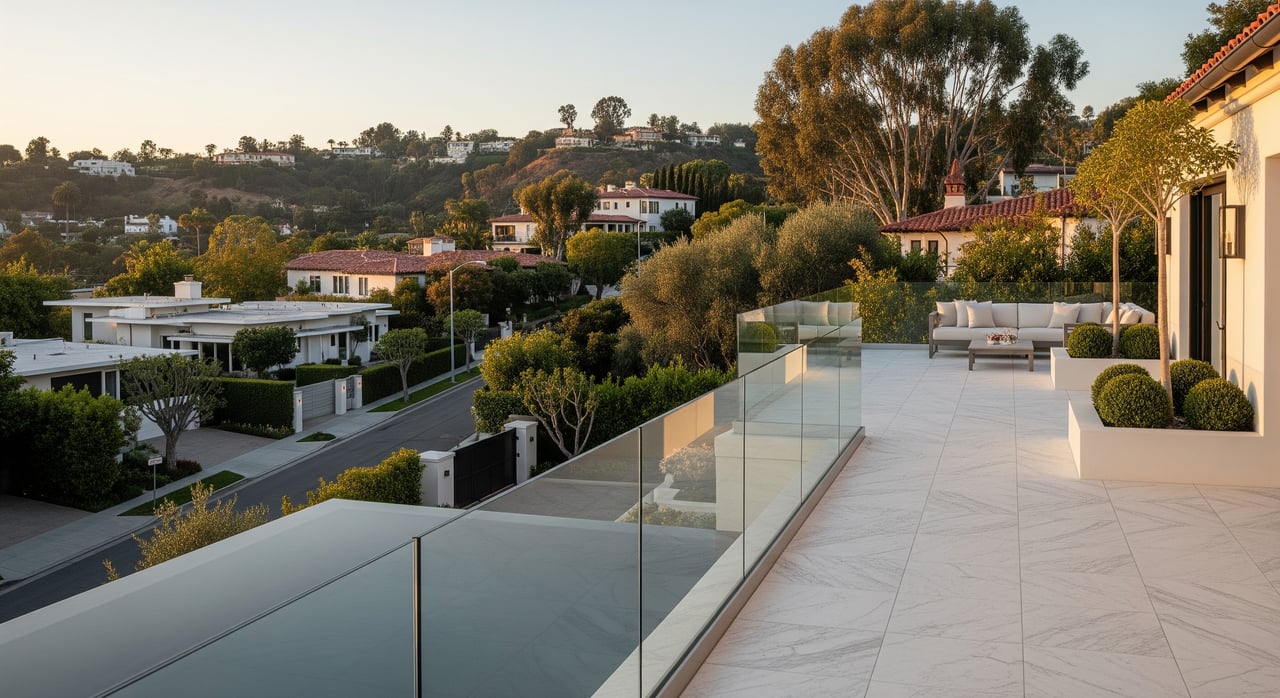
If you look at Bel Air as one market, you can miss what really drives value. In practice, Bel Air behaves like several smaller markets, each shaped by its land, access, views, and development history. If you are planning to buy here, understanding those micro-market tiers can help you narrow your search, set smarter expectations, and focus on the kind of property that actually fits your goals. Let’s dive in.
Why Bel Air Works Like Several Markets
Bel Air sits within the Bel Air-Beverly Crest Community Plan area, a roughly 9,900-acre district with a planning framework that emphasizes low-density single-family character, open-land preservation, scenic compatibility, and hillside constraints tied to slope, access, utilities, fire protection, and the Hillside Ordinance and community plan. That matters because the rules affecting a flatter estate lot can feel very different from the realities of a steeper hillside parcel.
Bel Air was also designed as an estate district from the beginning. According to SurveyLA’s Bel Air-Beverly Crest historic survey report, the neighborhood originally included east and west entrance gates, an architectural design committee, and large estate planning standards that helped shape a distinct residential enclave.
That history still shows up in today’s housing stock. SurveyLA identifies separate historic planning districts within Bel Air, including the Bel Air Estates Residential Planning District and the Stone Canyon Road Residential Historic District, which reinforces that Bel Air is not one uniform product type. For buyers, that means you should think in tiers, not just by ZIP code or headline price.
The Three Bel Air Tiers Buyers Compare
East Gate and Old Bel Air
East Gate is the historic core of Bel Air and one of the neighborhood’s most established estate settings. SurveyLA notes that the original development near the East Gate included several-acre estates, guesthouses, pool houses, tennis courts, and landscape design by prominent architects and landscape architects.
This is where land, privacy, and pedigree tend to carry major weight. Recent examples reported by the Los Angeles Times include a 1926 Mediterranean-style villa on more than 1.5 acres with city-to-ocean views, and the Johnny Carson estate on Saint Cloud Road, listed at $39.995 million on roughly 1.5 acres with private gates and a security booth.
If you are drawn to mature landscaping, a long-established estate feel, and homes where the setting is part of the value story, East Gate often stands out. In this tier, buyers are frequently paying for more than the house itself. They are paying for site quality, privacy, and legacy character.
West Gate and Lower Bel Air
West Gate and Lower Bel Air are often associated with the flatter estate band north of Sunset Boulevard. A Los Angeles Times Bel Air neighborhood profile describes the lower portion as relatively flat, with acre-plus older estates.
That topography changes the buying equation. Flatter lots can offer easier circulation, more usable outdoor space, and stronger estate-style building envelopes than steeper hillside properties. Another Los Angeles Times feature highlighted a Bellagio Road estate on nearly an acre, while the paper has also described Bellagio Road as notable for views of the Bel Air Country Club and the ocean, with many pancake-flat lots.
For buyers, this tier often appeals if you want a classic compound feel and more straightforward site usability. While these are market inferences rather than official city designations, the source descriptions point to a practical advantage: flatter land can support a very different ownership experience than a steep hillside site.
Upper Bel Air
Upper Bel Air climbs into the foothills and shifts the conversation toward elevation, views, and terrain. The Los Angeles Times describes this area as meandering north toward the Santa Monica Mountains, with somewhat smaller post-World War II homes, while SurveyLA notes that northern and western Bel Air saw postwar ranch variations and mid-century modern homes, many oriented toward rear views.
In this tier, the lot can matter as much as the architecture. View corridors, slope, driveway access, and buildability can all shape both value and future plans. The Bel Air-Beverly Crest Community Plan makes clear that hillside development is affected by factors such as slope, circulation, utilities, and fire protection, so upper-tier purchases often require more diligence before you commit.
If your priority is outlook, elevation, or a more flexible architectural mix, Upper Bel Air may be compelling. You just need to be comfortable with the tradeoff that comes with hillside ownership: less flat usable land and more planning complexity.
What Pricing Data Really Tells You
Bel Air’s pricing data supports the idea that one headline number can be misleading. Public sources show wide variation depending on which properties are included and when they trade.
For example, Redfin’s Bel Air housing market data shows a February 2026 median sale price of $3.2555 million and a median market time of 78 days. Zillow, Sotheby’s, and Altos reported different medians and market pace figures over nearby periods, with notable spreads in list and sale benchmarks. That does not necessarily mean the data conflicts. It usually reflects thin inventory and very different mixes of homes.
Real listing examples show the same range. A Bellagio Road estate in West Gate was marketed at $9.995 million, while the Saint Cloud Road Carson estate in East Gate was listed at $39.995 million. Another Bel Air property overlooking the Bel Air Country Club was listed at $38.5 million on 1.25 acres, according to The Los Angeles Times.
The takeaway is simple: in Bel Air, site quality often matters more than the ZIP code label alone. Land, privacy, views, topography, and prestige can pull pricing apart very quickly from one street, or even one lot, to the next.
How To Match the Right Tier to Your Goals
If You Want Historic Estate Character
East Gate may be the best fit if you value mature grounds, legacy architecture, and deep privacy. In this part of Bel Air, the setting often feels just as important as the square footage.
This tier can suit buyers who want an established estate environment and are willing to pay a premium for land, history, and presence. If your focus is long-term hold value tied to rare sites, this is often where that conversation starts.
If You Want Flat, Usable Land
West Gate and Lower Bel Air may be worth prioritizing if your goal is a more traditional estate lot with easier day-to-day circulation. Flatter parcels can change how a property lives, especially if you care about motor court space, outdoor entertaining, or a broad lawn-and-pool layout.
For some buyers, this tier also offers a clearer path to evaluating the property as an estate compound rather than a steep-site architectural exercise. In a market like Bel Air, usability can have a major effect on both enjoyment and resale appeal.
If You Want Views and Elevation
Upper Bel Air may be the right tier if your priorities center on outlook, privacy, and a hillside setting. It can also appeal to buyers who are open to a broader mix of postwar, ranch, and mid-century influenced homes.
That said, you should go in with clear eyes. In hillside areas, the property search should include not only design and view analysis, but also practical review of slope, access, and what the site can realistically support over time.
Due Diligence That Matters in Bel Air
In Bel Air, the land story is often the value story. That is why your due diligence should go beyond finishes and bedroom count.
As you compare properties, focus on:
- Lot usability
- Slope and grading conditions
- Driveway access and circulation
- Height and massing limits
- Potential feasibility for guesthouse or pool-house features
- How much value is tied to the land versus the existing structure
These points are especially important because the City’s planning framework for the area ties development potential to hillside conditions, infrastructure, and fire protection considerations. A property that looks similar on paper can perform very differently once you study the site.
Why a Tiered Strategy Helps Buyers
A tiered approach can save you time and help you avoid chasing the wrong inventory. Instead of searching all of Bel Air at once, you can start by deciding whether your ideal property is a historic estate, a flatter classic compound, or a view-oriented hillside home.
That clarity helps with pricing expectations too. Bel Air’s broad median numbers can be useful for headlines, but they are not enough to guide a serious buying strategy. The better approach is to compare like with like, then evaluate whether the premium is being driven by land, topography, privacy, or improvements.
If you are considering Bel Air and want a more precise read on which micro-market tier matches your goals, Gina Martino offers discreet, neighborhood-level guidance tailored to the way you want to live, invest, and buy on the Westside.
FAQs
What does East Gate Bel Air usually offer buyers?
- East Gate Bel Air is generally associated with the neighborhood’s historic core, where buyers often prioritize privacy, mature landscaping, estate-scale lots, and legacy character.
What makes West Gate and Lower Bel Air different from Upper Bel Air?
- West Gate and Lower Bel Air are often linked to flatter estate lots and easier site usability, while Upper Bel Air is more closely tied to elevation, views, and hillside complexity.
Why can Bel Air home prices vary so much from one property to another?
- Bel Air pricing can vary widely because value is often shaped by land quality, privacy, views, lot topography, and location within a specific micro-market tier rather than by the broader neighborhood label alone.
What should buyers review before purchasing a Bel Air hillside property?
- Buyers should closely review slope, grading, driveway access, development constraints, height and massing limits, utilities, and fire protection considerations before moving forward with a hillside purchase.
Why is one median home price not enough for Bel Air buyers?
- A single median can hide major differences between historic estates, flatter lower-lot properties, and hillside view homes, so buyers usually need a more tier-specific comparison set to understand true market value.