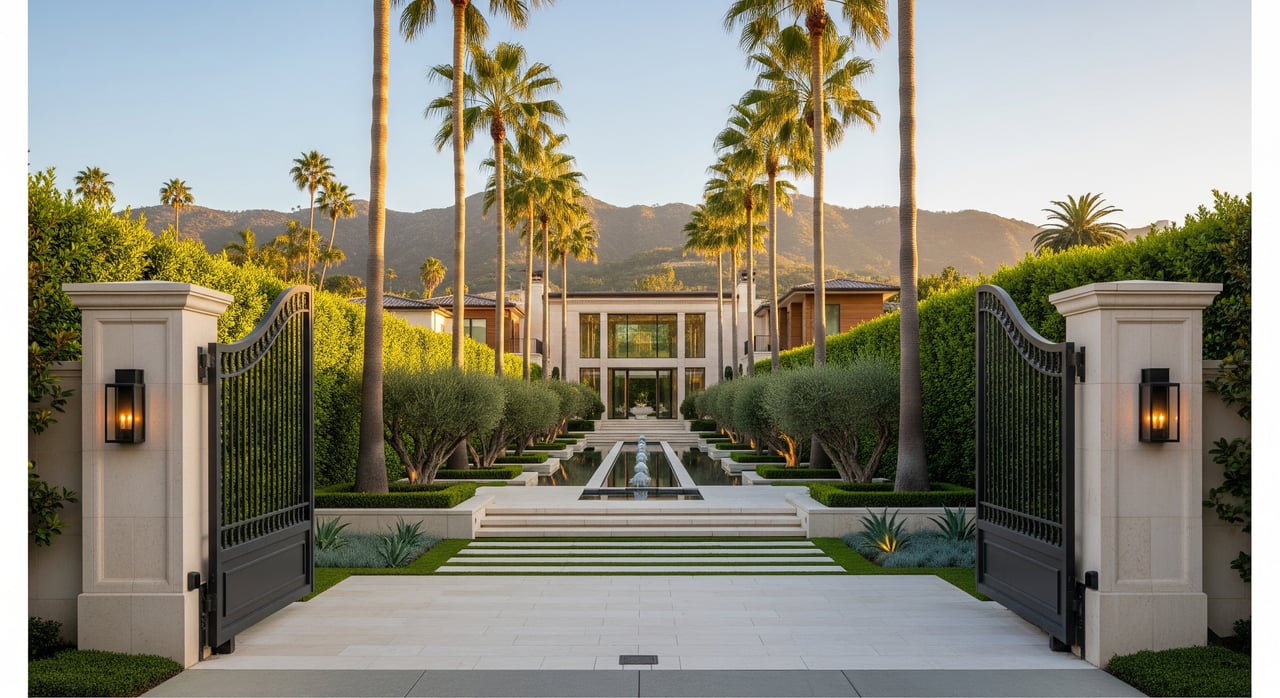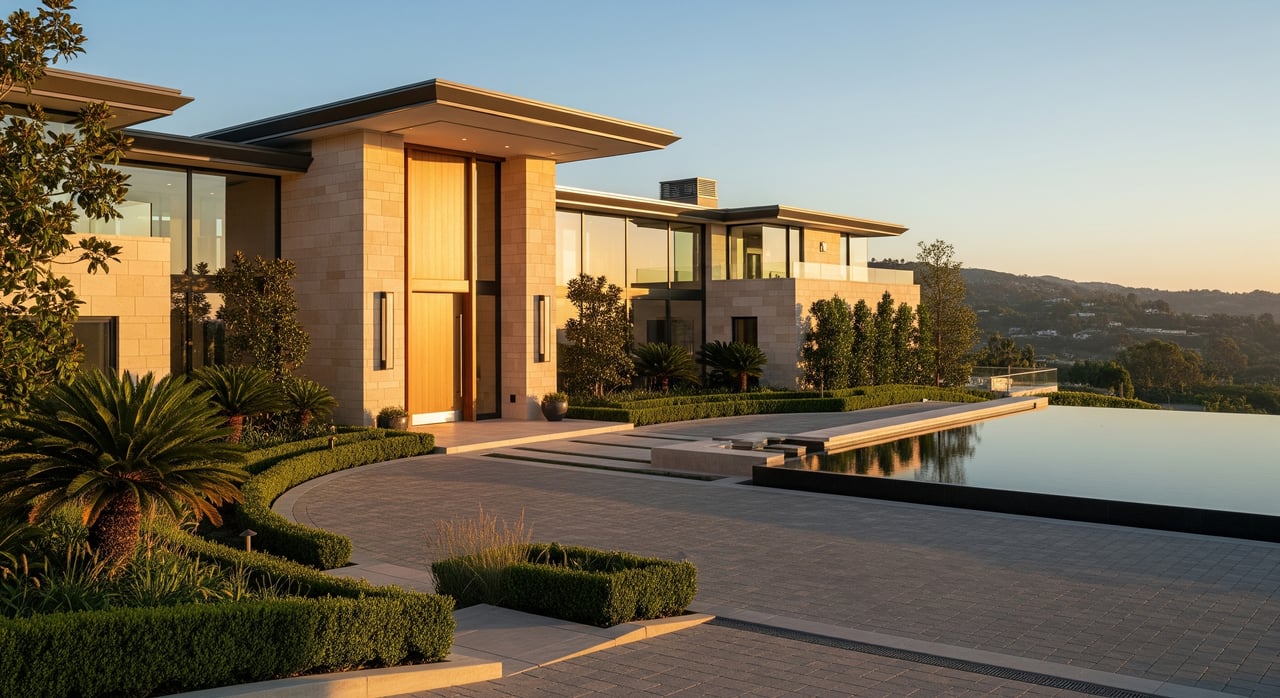
If you have ever heard that a Beverly Hills home sold quietly before it ever hit the public market, you may have wondered how that actually works. In luxury real estate, off-market sales can offer privacy, control, and highly targeted exposure, but they also come with real tradeoffs. If you are considering buying or selling this way, it helps to understand the rules, the process, and when this strategy makes sense. Let’s dive in.
What off-market means in Beverly Hills
In Beverly Hills, “off-market” is not just one thing. It usually refers to an office exclusive that is not shared through the MLS, a delayed marketing exempt listing that is entered into the MLS but held back from IDX and syndication for a limited period, or a privately shared broker-to-broker opportunity.
According to the National Association of Realtors 2025 MLS policy update, Clear Cooperation remains in place, but sellers can still choose office exclusive or delayed marketing options with the required disclosures. NAR also states that once a property is publicly marketed, it must be filed with the MLS within one business day.
For Beverly Hills sellers, that matters because many quiet deals start with private outreach rather than public promotion. NAR further clarifies in its seller offers FAQ that one-to-one broker communication does not trigger Clear Cooperation, while broader multi-brokerage promotion can.
Why quiet sales appeal in Beverly Hills
Privacy is one of the biggest reasons sellers choose an off-market strategy. In a market like Beverly Hills, some owners want to limit photos, reduce foot traffic, or avoid public attention around a move, family matter, or security concern.
Luxury agents interviewed by Inman also described private listings as a way to test pricing before full public exposure. That can be useful when a seller wants feedback from a smaller, vetted audience before deciding whether to launch broadly.
This approach fits the local market in some cases because Beverly Hills is both high-value and selective. Zillow reported the average home value in 90210 at $5,192,181 as of March 31, 2026, while Redfin showed a March 2026 median sale price of $4.42 million, median days on market of 123, and a 93.1% sale-to-list ratio.
At the top of the market, buyer pools are naturally smaller. Realtor.com’s September 2025 luxury housing report found that top-tier homes tend to stay on market longer than average, with the top 1% taking a median of 103 days to sell.
How off-market deals are usually shared
Most off-market opportunities in Beverly Hills move through relationships. Instead of appearing on major search portals, they are often introduced through direct agent calls, trusted co-broker networks, and in-house brokerage channels.
That structure is one reason local connections matter. Because one-to-one broker outreach is allowed under current NAR guidance, many of the most discreet opportunities are circulated privately before a wider audience ever sees them.
For buyers, that means access is often less about refreshing listing sites and more about being connected to an agent with active local relationships. For sellers, it means your representative needs a clear plan for who will be contacted, how the property will be positioned, and what level of confidentiality you want to maintain.
What buyers should expect
If you are buying off-market in Beverly Hills, expect a more selective process from the start. Sellers commonly want to confirm that you are serious and financially prepared before sharing details, arranging a showing, or discussing terms.
Realtor.com explains that proof of funds or a pre-approval letter is often used as an early filter because sellers do not want to take a property off the market path without confidence in a buyer’s ability to perform. In some luxury situations, an NDA may also be requested when confidentiality is especially important.
That screening is not unusual in the upper end of the market. Realtor.com reported in 2025 that 32.8% of U.S. home sales were all-cash, and more than half of homes above $2 million were purchased with cash.
What sellers give up with less exposure
The biggest tradeoff in an off-market sale is exposure. When fewer buyers know a property is available, you may reduce interruptions and maintain control, but you also reduce the chance of broader price discovery and competitive bidding.
That tradeoff is supported by recent research. Zillow’s 2025 analysis of 10 million transactions found that sellers who stayed off the MLS left an estimated $1.06 billion on the table in 2023 and 2024. The median loss was 1.5% nationwide, 3.7% in California, and 0.4% in the luxury tier.
The luxury-tier figure is smaller, which is important in Beverly Hills, but it still suggests that broader exposure often helps pricing. Zillow’s findings do not mean every off-market sale is underpriced. They do mean sellers should choose the strategy intentionally, with a clear understanding of what they may be gaining in privacy and what they may be sacrificing in market reach.
Pricing is harder off-market
Pricing a luxury property is already part art, part market science. Off-market, it gets harder because there are fewer active signals, fewer competing offers, and less public feedback.
Redfin noted in its report on the most expensive U.S. home sales that ultra-luxury homes often sell well below asking because there are so few comparable sales and negotiation is expected. In April 2025, Beverly Hills accounted for two of the country’s 10 most expensive home sales at $60 million and $51.8 million.
This is where careful strategy matters. A seller may choose a quiet launch to test response, but if pricing feedback is weak, moving to a broader public campaign may be the stronger next step.
California disclosure rules still apply
A private sale is still a real estate sale, and California disclosure requirements do not disappear just because the listing is quiet. Sellers must still provide required information to buyers within the transaction timeline.
The California Department of Real Estate states in its Real Estate Transfer Disclosure Statement guidance that the disclosure must be delivered as soon as practicable and before transfer of title. Natural hazard disclosures may also apply when relevant.
For both buyers and sellers, this is an important point. Off-market can change how a home is introduced and marketed, but it does not remove the legal and practical steps needed for a compliant transaction.
When off-market makes sense
An off-market strategy can be the right fit when your top priorities are discretion, controlled access, or a carefully screened buyer pool. It can also make sense if you want to quietly test pricing before deciding whether to go fully public.
In Beverly Hills, this often appeals to privacy-conscious owners, high-profile clients, and sellers who want fewer showings with more qualified interest. It may also appeal to buyers who value access to curated inventory that is not broadly advertised.
That said, off-market is usually not the default choice if your main goal is maximum exposure and the strongest possible bidding environment. As NAR’s 2025 policy update makes clear, these listing options are best understood as tools that expand seller choice, not as one universal solution.
How to decide which route fits your goals
The right path depends on what matters most to you. If privacy, schedule control, and discretion come first, an off-market or limited-exposure strategy may align well with your goals.
If your priority is to reach the widest possible audience and let the market fully respond, public exposure may offer a stronger pricing advantage. In many cases, the best plan is not purely one or the other. It is a thoughtful sequence, such as a short private test followed by a broader launch if needed.
That is where local judgment becomes valuable. In a market as nuanced as Beverly Hills, strategy should reflect the property, the timing, and your comfort level with exposure.
Whether you are exploring a discreet sale or hoping to gain access to exclusive inventory, working with someone who understands both the private and public sides of the Beverly Hills luxury market can make the process more informed and more intentional. If you want a tailored strategy or discreet access to available opportunities, connect with Gina Martino.
FAQs
What does off-market mean in Beverly Hills real estate?
- In Beverly Hills, off-market usually means an office exclusive, a delayed marketing exempt listing, or a privately shared broker-to-broker opportunity that is not broadly displayed on public home search sites.
Are off-market Beverly Hills listings legal under current MLS rules?
- Yes. NAR’s 2025 policy still allows office exclusive and delayed marketing options when sellers provide the required disclosures and public marketing rules are followed.
Do off-market homes in Beverly Hills sell for less?
- Sometimes they can. Research cited by Zillow suggests off-MLS homes often sell for less than broadly marketed homes, although the pricing gap in the luxury tier is smaller than in the general market.
How do buyers find off-market luxury homes in Beverly Hills?
- Most access comes through direct agent relationships, brokerage networks, and private broker-to-broker communication rather than public listing portals.
Do buyers need proof of funds for Beverly Hills off-market homes?
- Usually, yes. Sellers often ask for proof of funds or financing documentation early because off-market deals typically involve a more screened and selective process.
Do California disclosures still apply to off-market Beverly Hills sales?
- Yes. Required disclosures, including the Transfer Disclosure Statement and applicable natural hazard disclosures, still apply even when a sale is handled privately.