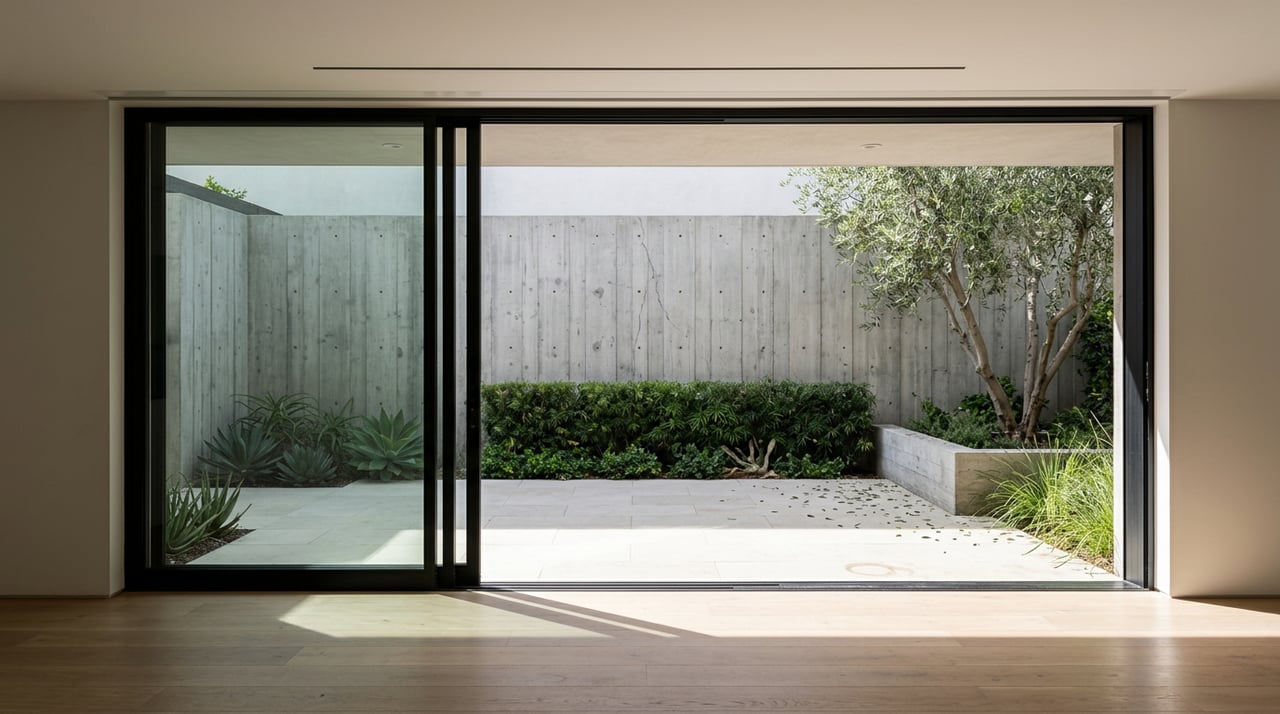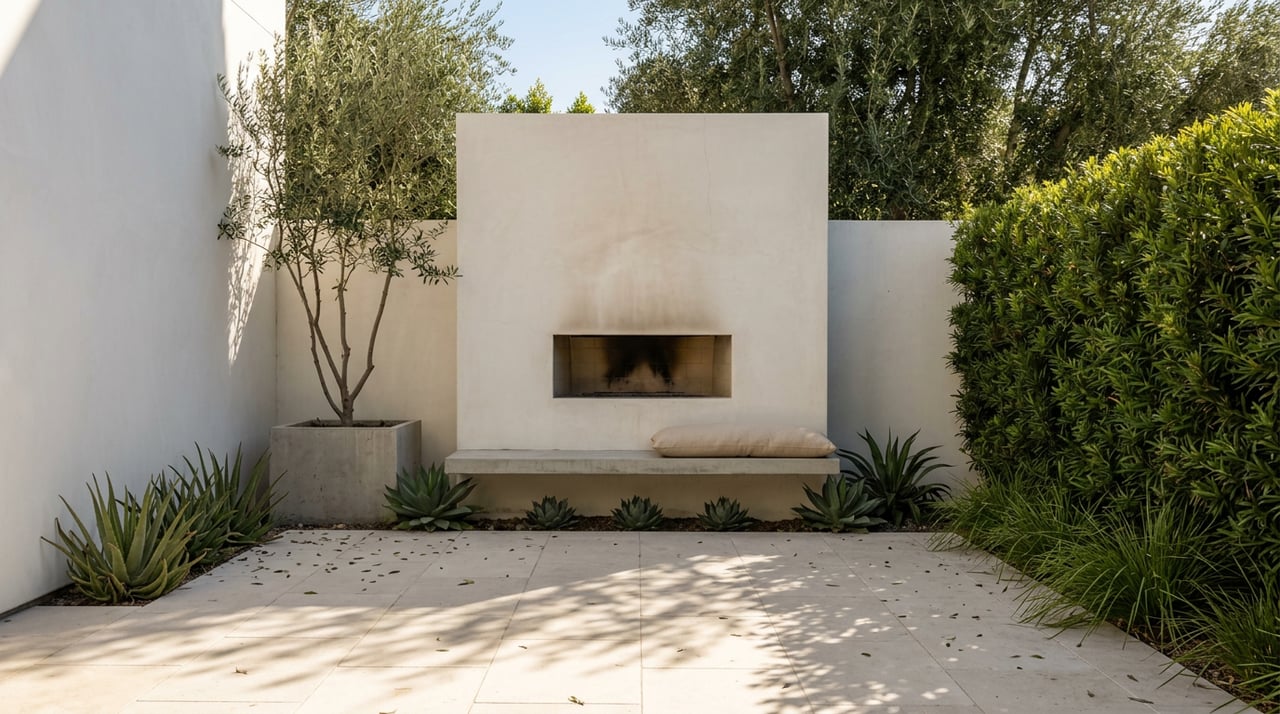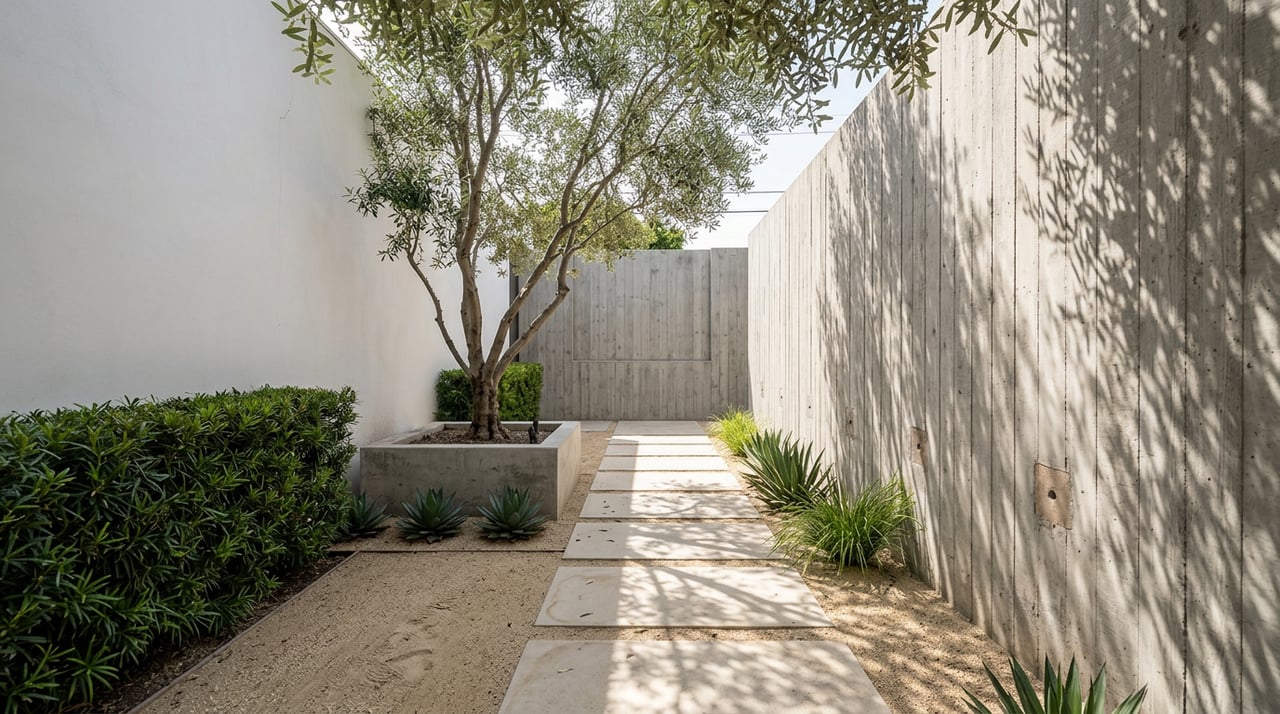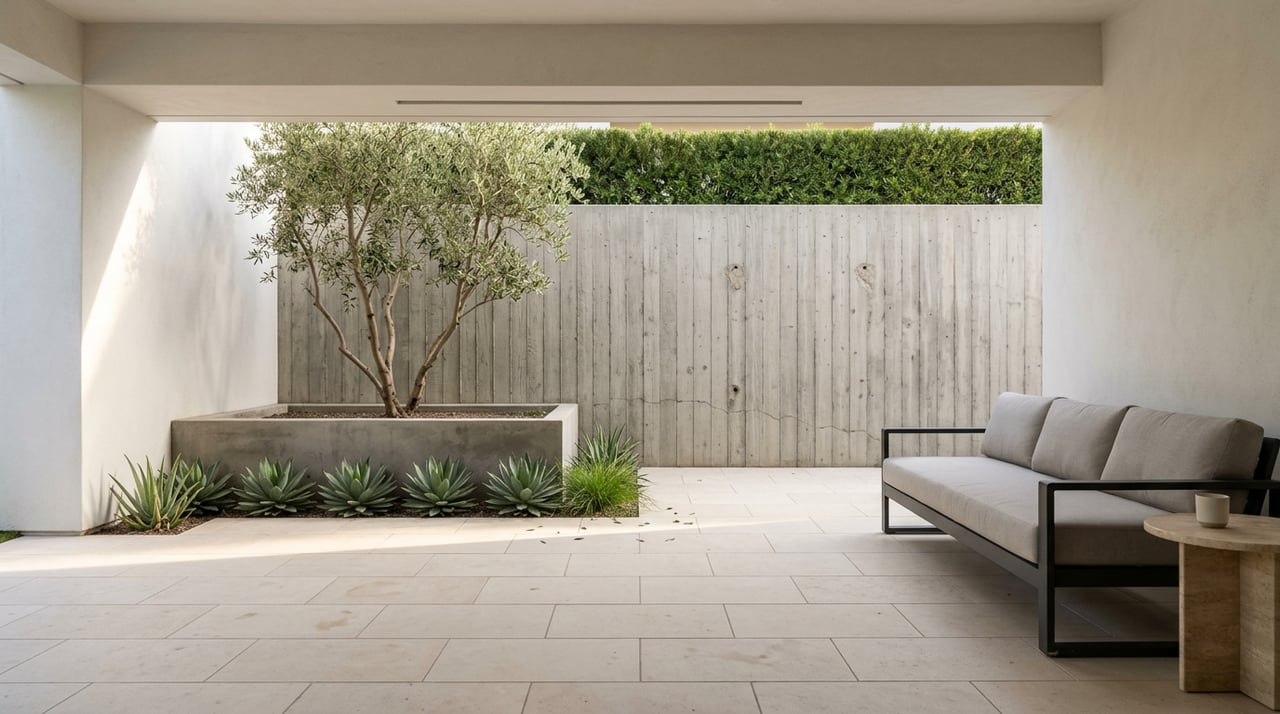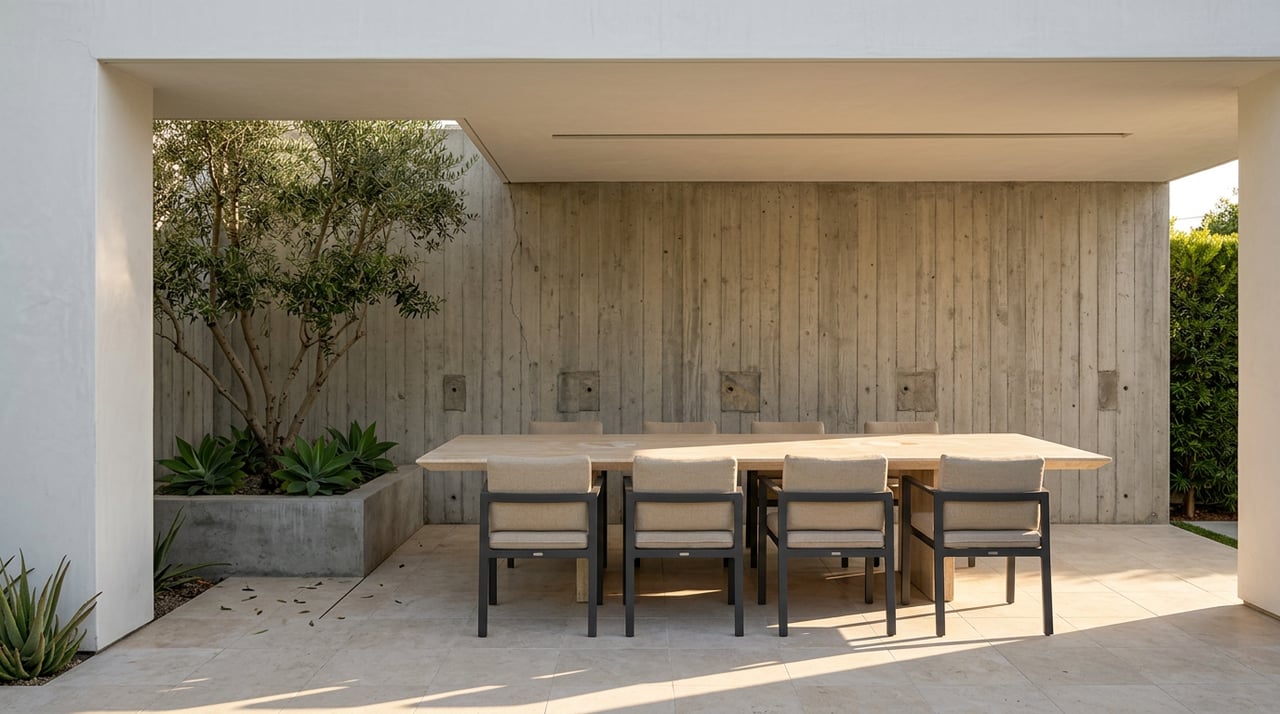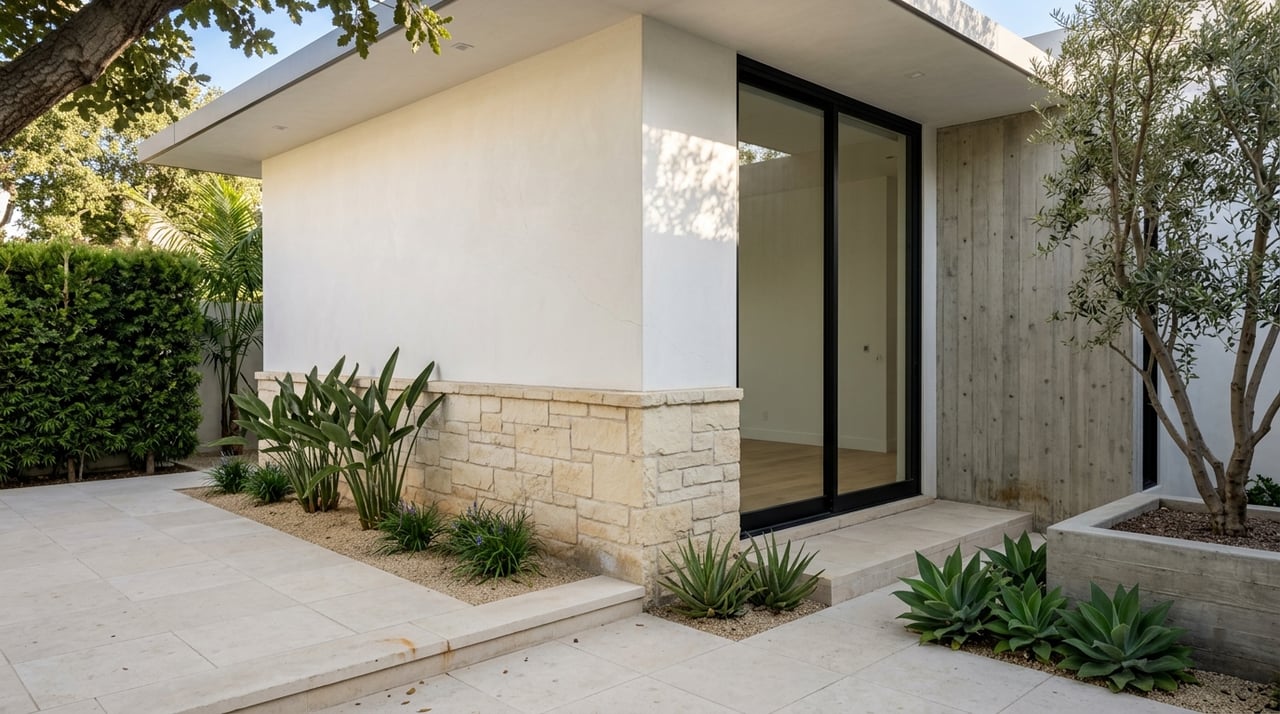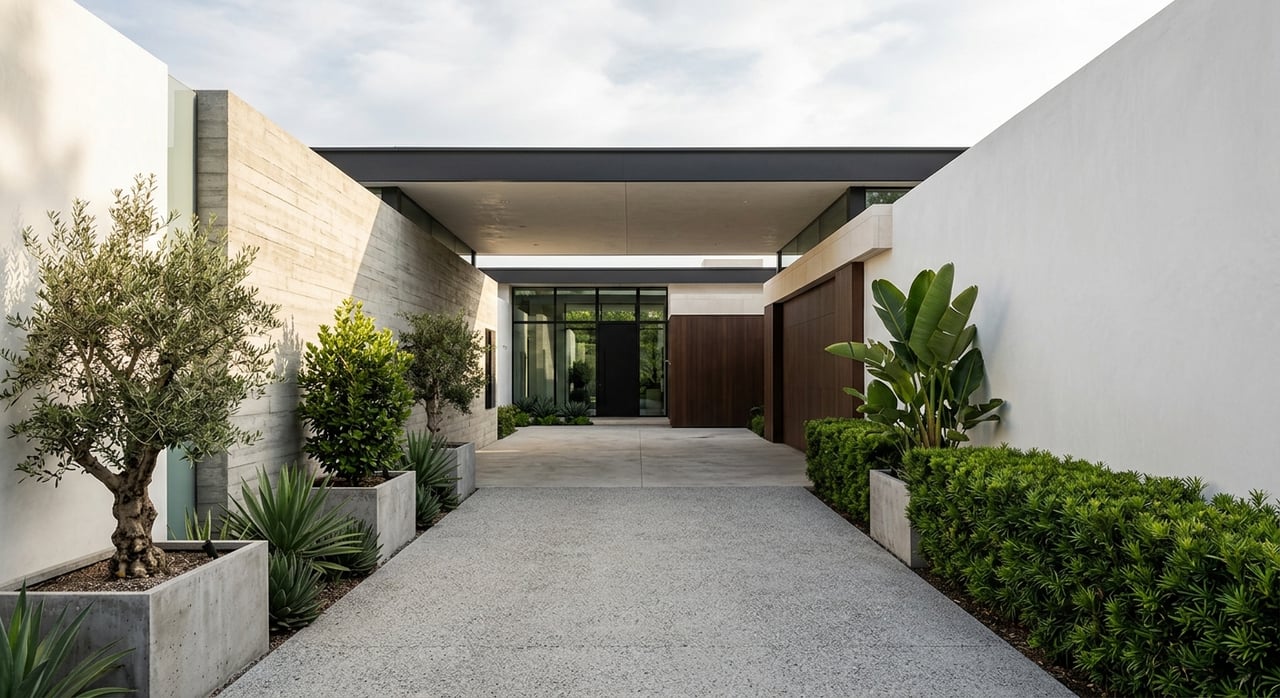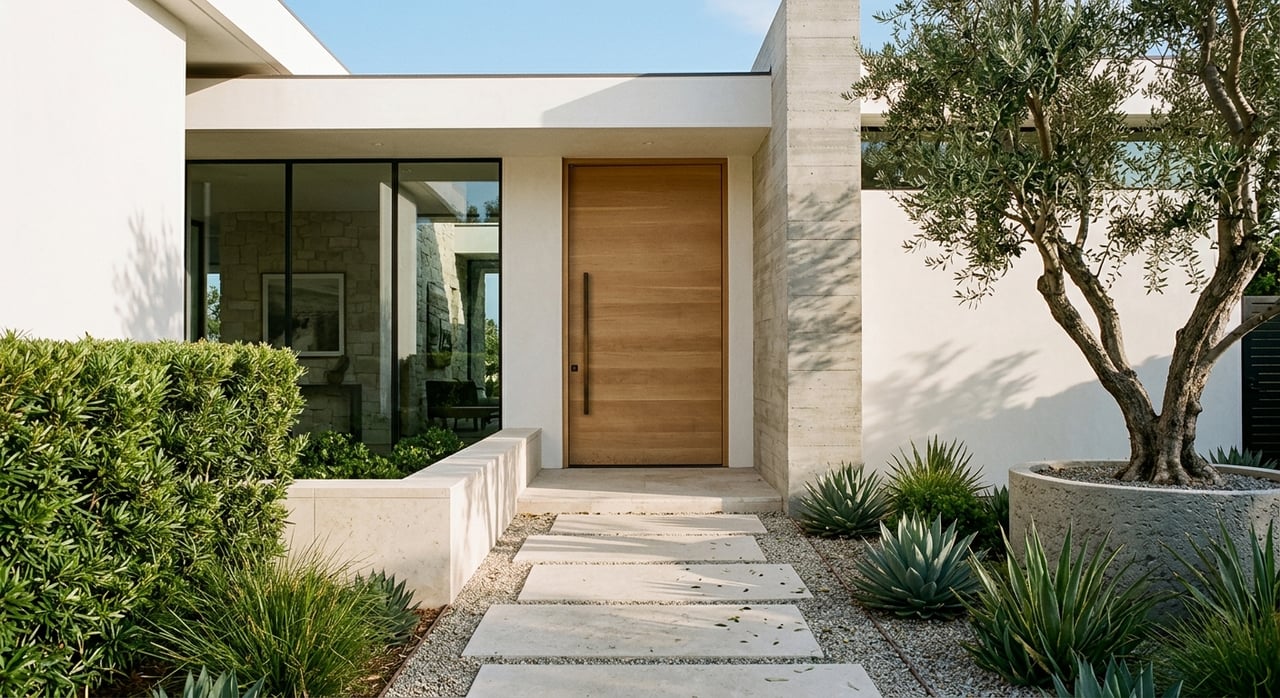
If you are getting ready to sell in Santa Monica, the work you do before listing can shape how quickly buyers engage and how confidently they respond. In a premium coastal market where home values are commonly tracked in the mid-$1 million to high-$1 million range and homes may take about 32 to 52 days to move depending on the source, thoughtful prep matters. The good news is that you do not need to guess what deserves attention first. With the right checklist, you can focus on the updates, documents, and presentation details that help your home show at its best. Let’s dive in.
Start With Santa Monica Market Reality
Santa Monica is a beachside city with three miles of Pacific beaches and a large daytime population, and that coastal setting influences buyer expectations. In a market like this, buyers often notice presentation right away, both online and in person. That makes pre-listing prep less about dramatic overhauls and more about creating a clean, polished, well-documented impression.
Because pricing and timing can vary by property, your goal should be to remove distractions before your home hits the market. When buyers see clutter, deferred maintenance, or unfinished details, they may focus on those issues instead of the home itself. A smart checklist helps you control that first impression.
Focus on High-Impact Cosmetic Prep
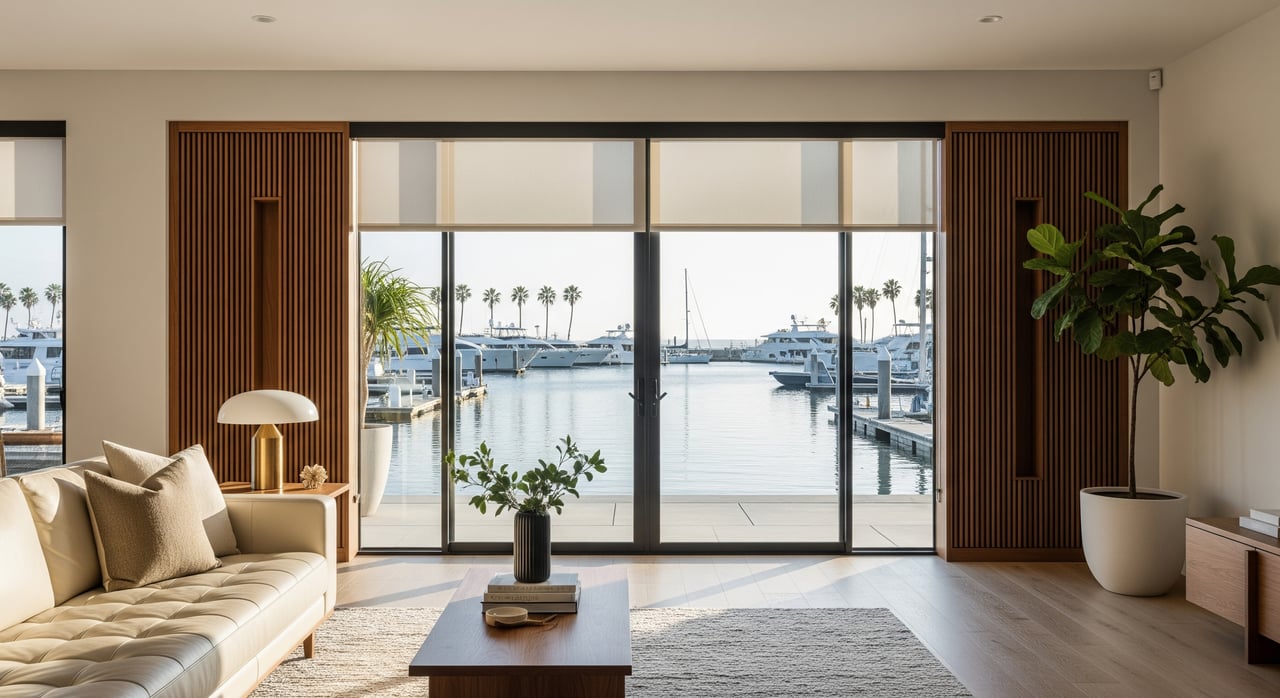
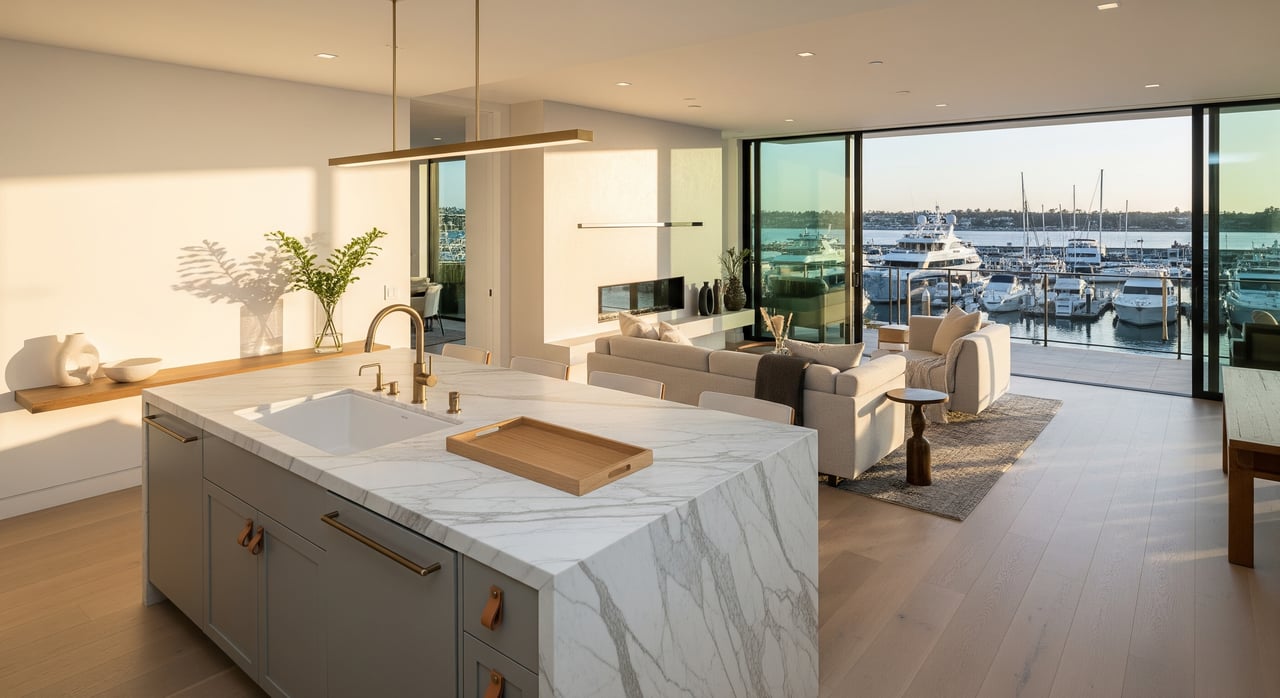
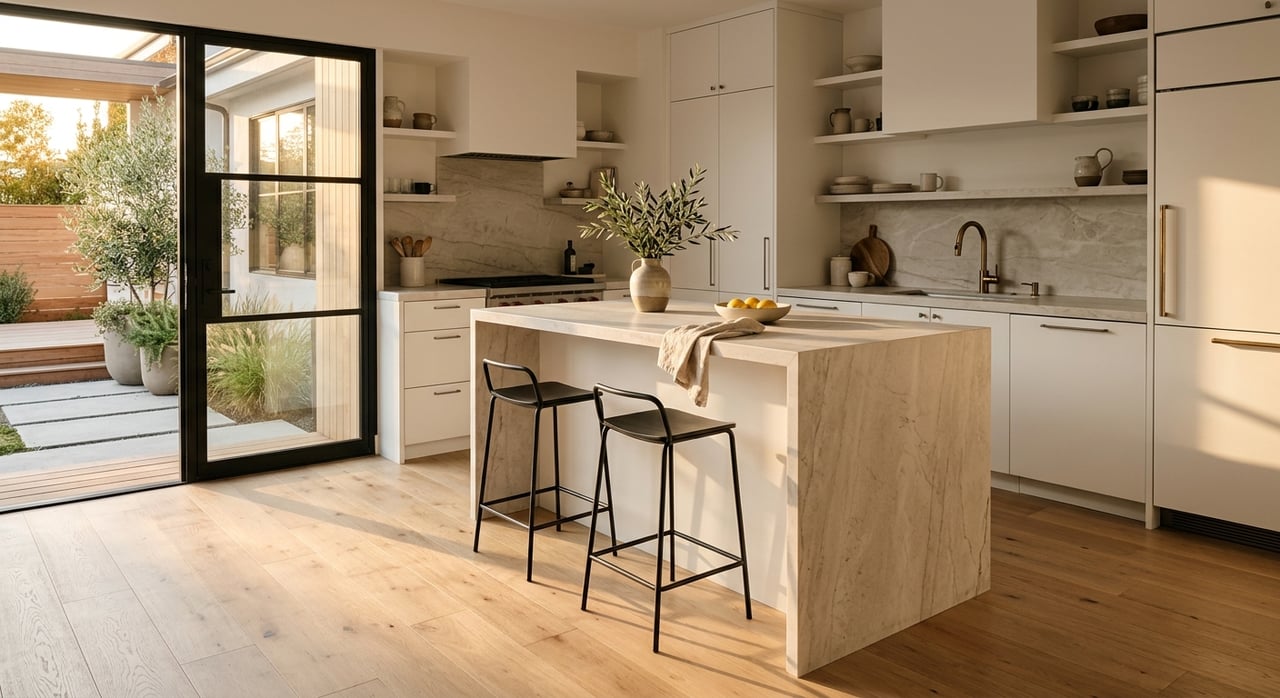
Before you spend money on major projects, start with the areas buyers are most likely to notice in photos and first showings. According to the 2025 staging report from the National Association of Realtors, 83% of buyers’ agents said staging makes it easier for buyers to visualize a property as their future home. The same report found that photos mattered even more to buyers than physical staging, video, or virtual tours.
That is why your first attention should usually go to the living room, kitchen, and primary bedroom. These spaces often carry the visual story of the home. If they feel bright, open, and cared for, the whole property tends to show better.
Prioritize Cleaning and Decluttering
A deep clean is one of the simplest ways to improve presentation. Clear counters, remove excess décor, simplify shelves, and reduce anything that interrupts sightlines. Buyers respond better when rooms feel easy to understand at a glance.
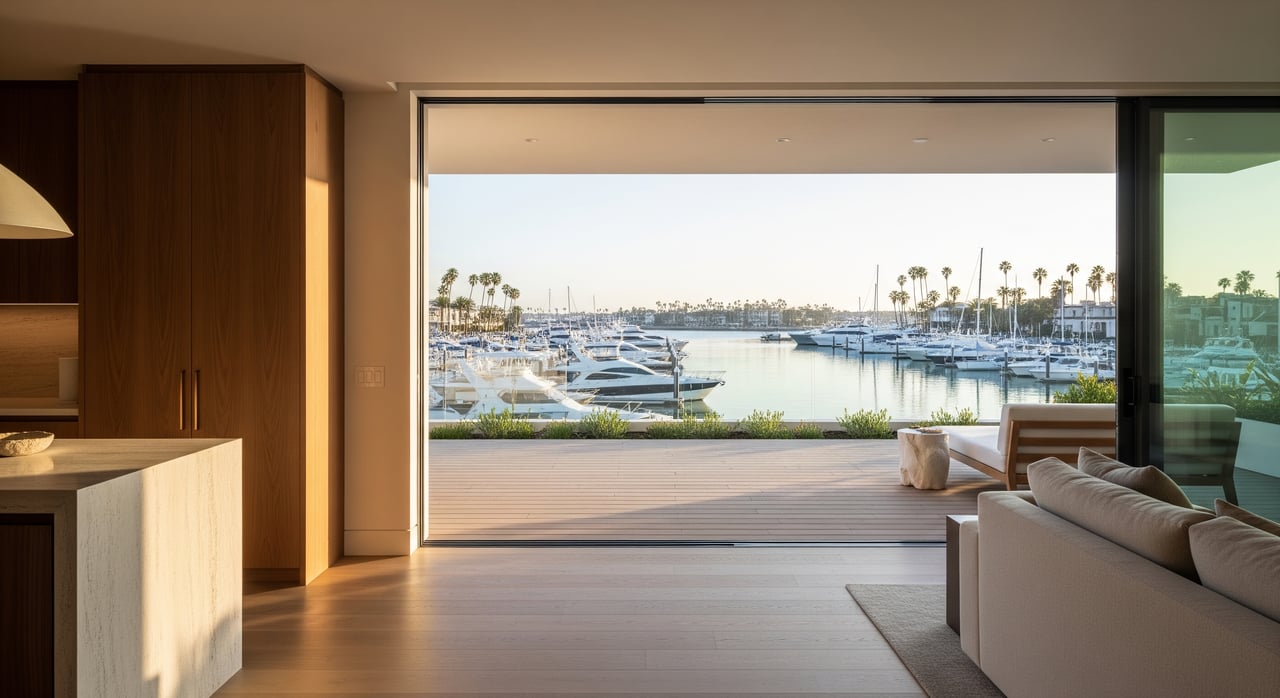
Window cleaning also matters in Santa Monica. Natural light is a selling feature, and clean glass can help both listing photos and in-person showings feel sharper and brighter. Small visual improvements can have an outsized impact once the home is photographed.
Touch Up Visible Wear
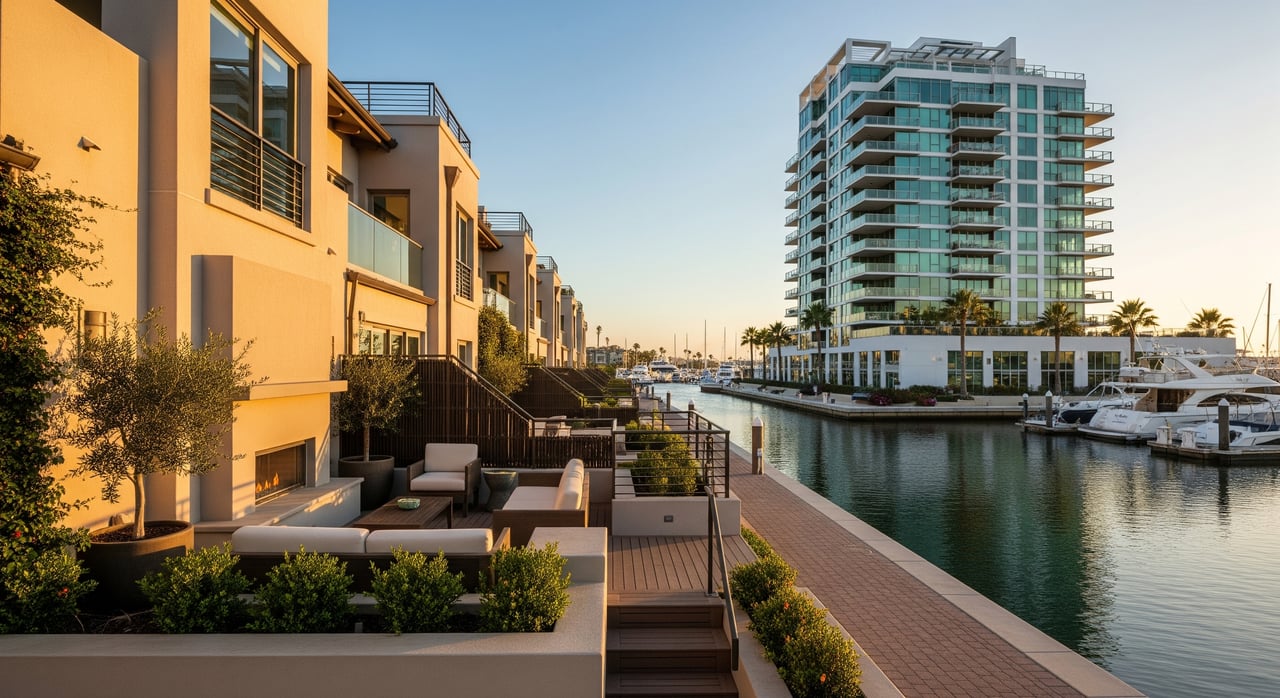
Coastal conditions can make minor wear more noticeable. Salt spray and onshore winds can accelerate corrosion in coastal areas, so visible metal details like railings, gates, exterior light fixtures, and hardware deserve a close look. If they appear rusted or worn, they can make the property feel less maintained than it is.
Inside and out, look for obvious cosmetic issues such as peeling caulk, scuffed paint, tired surfaces, and worn finishes. Neutral touch-ups usually make more sense than highly customized updates. The goal is to freshen the home so buyers can focus on the space, not the maintenance list.
Use Caution With Older Homes
If your home was built before 1978, be careful with any work that disturbs paint. Pre-1978 homes may contain lead-based paint, and buyers must receive lead information before they become obligated under a sale contract. Contractors doing renovation, repair, or painting that disturbs lead-based paint must follow lead-safe work practices.
That means casual scraping or sanding is not a smart last-minute project unless you fully understand the requirements or hire a lead-safe certified contractor. A rushed DIY job can create problems instead of solving them.
Time the Work Around Weather and Light
Santa Monica has a mild climate, but timing still matters. NOAA climate normals show about 12.17 inches of annual precipitation, with most of that rainfall concentrated in winter and early spring. If you are planning exterior touch-ups, landscaping refreshes, or paint work, late spring through early fall is often a more practical window.
That does not mean every season is off limits. It simply means weather planning should be part of your checklist, especially if you want your home looking polished on launch day. Giving yourself extra lead time can help you avoid rushing exterior work around damp conditions.
Plan for Marine Layer Mornings
Santa Monica’s coastal light can change quickly. NOAA and National Weather Service guidance note that marine-layer clouds can bring low clouds or fog into Southern California, especially on summer mornings. For sellers, that affects more than comfort. It can change how your home looks in exterior photos and during early showings.
In practical terms, very early morning photography may leave the home looking gray or damp compared with how it appears later in the day. If possible, schedule exterior photos and showing prep with light conditions in mind. This small adjustment can make your listing look more inviting from the start.
Coordinate Vendors in the Right Order
Even simple listing prep often involves several moving parts. You may need cleaners, a handyman, painters, landscapers, a stager, and a photographer. If those appointments happen out of order, you can lose time and create avoidable stress.
California’s Contractors State License Board recommends checking a contractor’s license, shopping around, and getting at least three written bids before hiring. That is especially useful when you are trying to balance quality, timing, and budget before listing. A deliberate sequence usually works better than trying to tackle everything at once.
A Simple Pre-Listing Vendor Sequence
A clean order of operations can keep your launch on track:
- Walk through the property and make a punch list.
- Gather bids for repairs or touch-up work.
- Schedule handyman, painter, or trade work first.
- Complete exterior refresh items.
- Bring in cleaners after repair work is done.
- Stage or style the home if needed.
- Schedule photography once the home is fully ready.
This approach helps protect the quality of the final presentation. It also reduces the chance that a cleaned or staged space gets disrupted by later work.
Verify Permits Before You List
Documentation is a major part of seller prep in Santa Monica. The city offers an Active Building Permits map that lets users search by address or keyword, and the city’s records resources also point to public permit information. This can help you confirm what work was permitted, whether anything is still active, and whether past upgrades were wrapped up cleanly.
If you are unsure about a prior remodel, addition, window replacement, roofing job, or systems update, checking permit history before listing is a smart step. Buyers often ask for this information during escrow, and having answers ready can reduce friction later.
Review Permit Needs for Last-Minute Work
If you are planning improvements before going live, review permit requirements early. Santa Monica says a single-trade permit application is used for certain minor projects such as door or window replacement, fences and walls, mechanical, electrical, plumbing, stucco or plastering, and roofing. The city also uses a paperless process with project documents uploaded to its Electronic Plan Review system before a counter visit.
That means even smaller projects may take more planning than sellers expect. If the work needs city approval, do not assume it can be completed right before photography or showings. Build in enough time to do it properly.
Check for Historic Preservation Rules
Santa Monica also has local historic preservation rules. The city notes that it continues to establish landmarks and historic districts, and a Certificate of Appropriateness may be required for alterations, restorations, construction, removal, relocation, or demolition affecting landmarks or properties in historic districts.
If your home is historic or may fall within a historic district, even exterior changes that seem minor should be screened before work begins. This is an easy issue to miss if you are focused only on speed.
Assemble Disclosures and Property Records Early
One of the best ways to make your sale feel smoother is to organize your paperwork before the listing goes live. California’s transfer disclosure rules apply to many residential sales, and the seller completes the Transfer Disclosure Statement. California also requires disclosure of mapped natural hazard areas.
For pre-1978 homes, lead-based paint disclosures also apply. In Santa Monica, there is an additional local disclosure for properties with permanent urban-runoff best management practices, which must be identified, inspected annually, and disclosed to buyers, with a copy emailed to the city as evidence of compliance.
Documents to Gather Before Launch
Try to assemble the following before photography or showings begin:
- Permit records
- Receipts for completed work
- Contractor invoices
- Warranties and manuals
- Inspection reports, if available
- Transfer disclosure materials
- Natural hazard disclosure materials
- Lead-related information for pre-1978 homes
- Any records tied to permanent urban-runoff BMPs, if applicable
When you can provide a clear property paper trail, buyers and their agents often feel more confident in the home’s history. That can help reduce last-minute questions once you are under contract.
Treat Photography as Part of the Prep
Photography is not the last step. It is part of your selling strategy. The same 2025 NAR staging report found that 73% of buyers’ agents said listing photos were much more important, more important, or equally important to clients compared with other presentation tools.
That matters in Santa Monica, where buyers often begin their search online and decide quickly whether a property deserves a visit. If your photos feel dark, cluttered, or visually confusing, you may lose attention before a showing is ever scheduled.
Prepare the Home for the Camera
Before the photographer arrives, stand in each room and look at the home the way a buyer will see it in a still image. Remove anything that distracts from the room’s size, light, or layout. Keep surfaces simple, make beds neatly, and reduce personal items where possible.
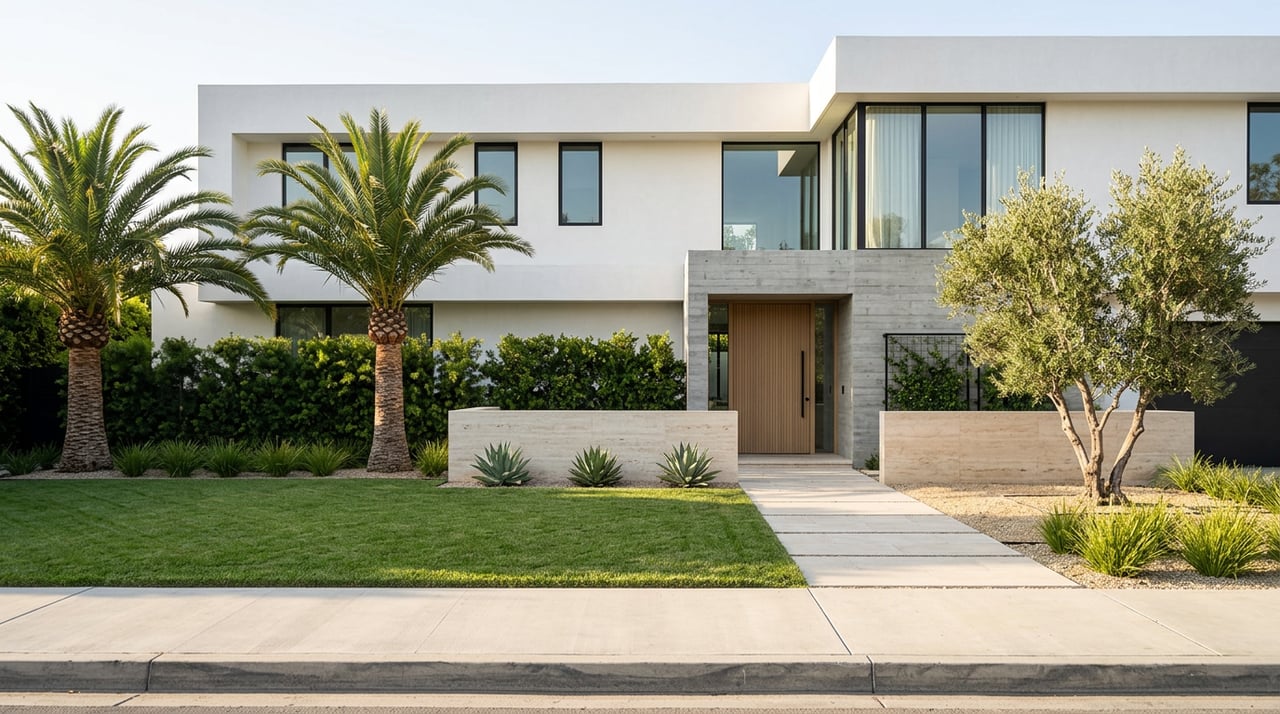
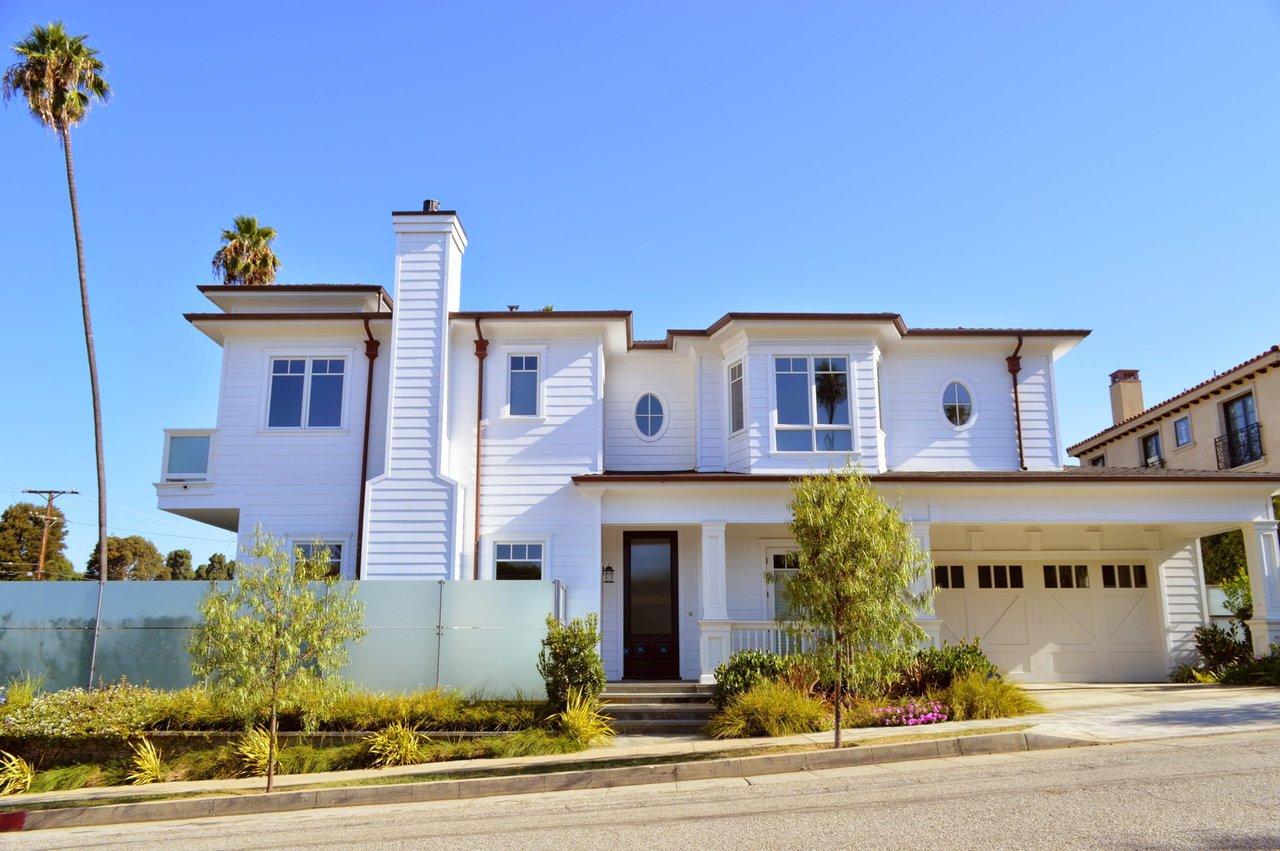
Then step outside and repeat the process from the curb. Notice whether railings, hardware, outdoor lighting, gates, paint, or landscaping look tired. In a coastal setting, these details can stand out more than sellers realize.
Do a Final Buyer Walk-Through
Right before launch, do one last walk-through as if you were seeing the home for the first time. Start at the street, move to the entry, then go room by room. Pay attention to what feels unfinished, cluttered, rusted, damp, or overly personal.
This final pass is also your chance to ask a practical question in each space: if a buyer asked about this room or feature, do I have the answer or documentation ready? That mindset can help you catch both visual issues and paperwork gaps before they become negotiation points.
In Santa Monica, a strong pre-listing strategy is often less about major renovation and more about presentation, timing, and documentation. When your home looks clean, photographs well, and comes to market with organized records, you give buyers fewer reasons to hesitate and more reasons to move forward.
If you are preparing to sell in Santa Monica and want discreet, design-aware guidance on timing, presentation, and market positioning, Gina Martino offers boutique representation with thoughtful marketing counsel tailored to Westside coastal homes.
FAQs
What should Santa Monica sellers fix before listing a home?
- Focus first on visible cosmetic issues, deep cleaning, decluttering, worn exterior details, rusted metal elements, peeling caulk, and touch-up work in key rooms like the living room, kitchen, and primary bedroom.
How does Santa Monica weather affect home selling prep?
- Santa Monica’s mild coastal climate helps, but winter and early spring tend to bring more rain, and summer mornings can have marine-layer clouds or fog that affect exterior work, photography, and showing conditions.
What permit records should Santa Monica home sellers check?
- You should review the property’s permit history through the city’s available permit resources to confirm prior work, check whether any permits are still active, and identify issues before buyers raise questions.
What disclosures do Santa Monica home sellers need before listing?
- Many sellers will need California transfer disclosures, natural hazard disclosures, lead-based paint disclosures for pre-1978 homes, and in some cases Santa Monica’s local disclosure related to permanent urban-runoff best management practices.
When should Santa Monica listing photos be scheduled?
- Photos should be scheduled after repairs, cleaning, and staging are complete, and exterior shots often benefit from timing that avoids early morning marine-layer conditions when the home may appear grayer or damper.
Should Santa Monica sellers do major renovations before listing?
- Not always. Based on the research, many sellers benefit more from smart cosmetic prep, visible maintenance, and better presentation than from rushing into major, highly customized remodeling before going to market.