Wondering whether to renovate your older Bel Air estate or bring it to market as-is? It is a high-stakes decision, especially in a neighborhood where architecture, privacy, views, and land value can matter just as much as interior finishes. If you are weighing cost, timing, and resale potential, this guide will help you think through what actually moves the needle in today’s Bel Air market. Let’s dive in.
Bel Air value starts with the property itself
With older Bel Air estates, there is rarely a one-size-fits-all answer. Some homes have strong architecture, generous lots, and a setting that still reads as special, even if the finishes feel dated. Others may have deeper issues tied to layout, deferred maintenance, or hillside conditions that change the financial picture quickly.
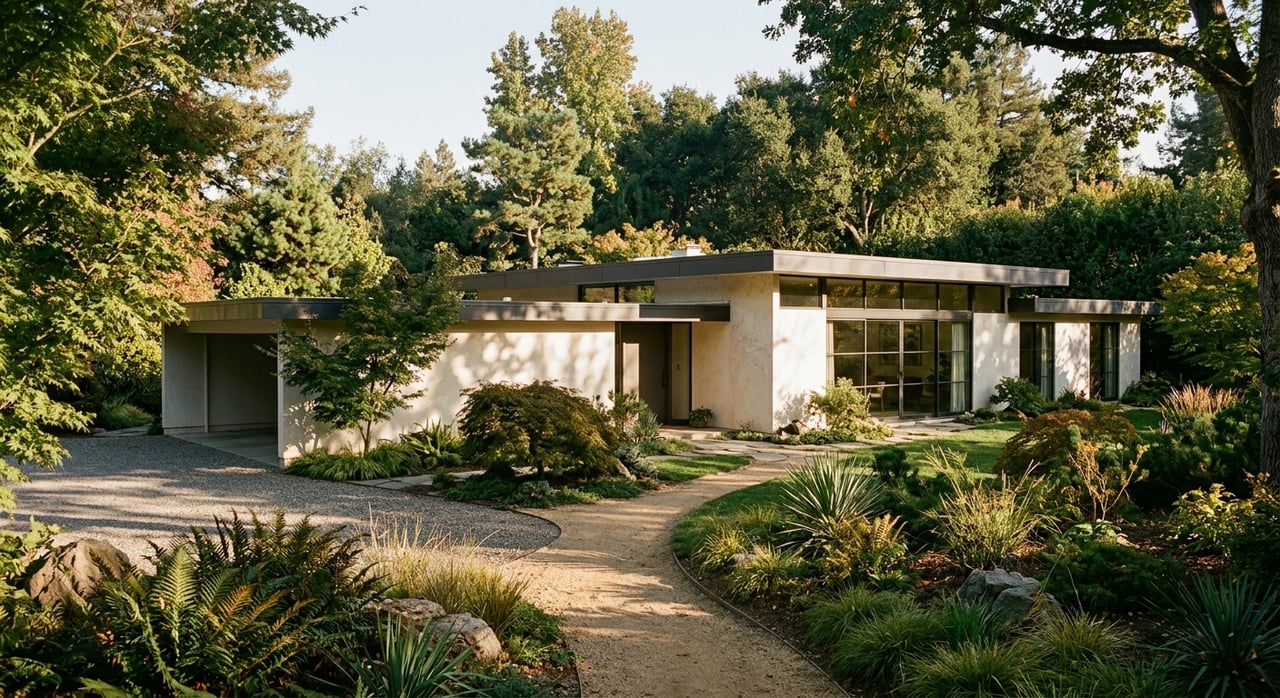
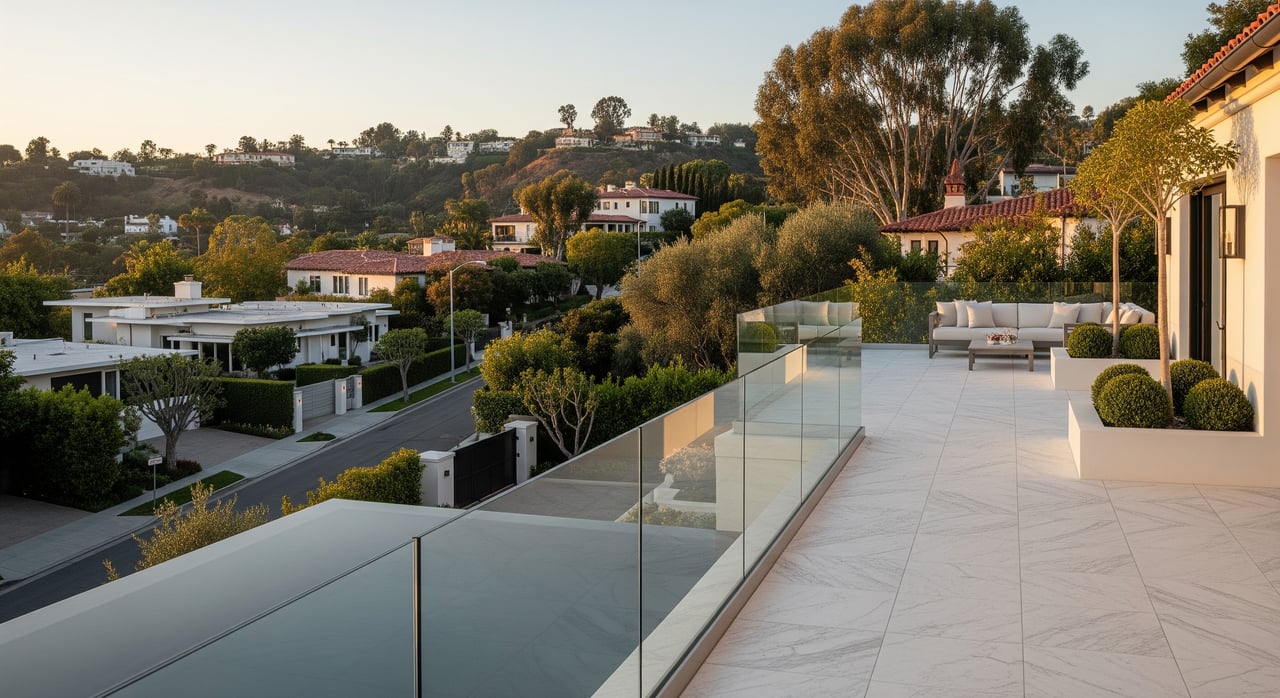
That is why the update-or-sell decision should begin with the property’s fundamentals. In Bel Air, buyers often respond to lot size, privacy, views, and architectural character as much as they do to a new kitchen or polished baths. If the home already has a strong foundation from a design and setting standpoint, selective improvements may be enough to sharpen value.
Bel Air market conditions matter
As of May 2026, Realtor.com showed 163 homes for sale in Bel Air, with a median listing price of $7.495 million, median days on market of 62, and a 94% sale-to-list ratio. The market was characterized there as a buyer’s market. For you as a seller, that means location alone may not be enough to command a premium.
In a market like this, buyers have options. That tends to reward homes that are well presented, clearly priced, and easy to understand from a value standpoint. If your estate competes against polished luxury inventory nearby, even modest signs of wear can affect how buyers perceive your asking price.
When updating makes sense
If your estate is fundamentally sound and the issues are mostly cosmetic, updating before listing can be the smarter move. This is especially true when the goal is to appeal to end-users who want a home that feels ready to enjoy.
You may benefit from pre-sale updates when:
- The home has good bones and a strong layout
- Finishes feel dated, but not damaged or obsolete
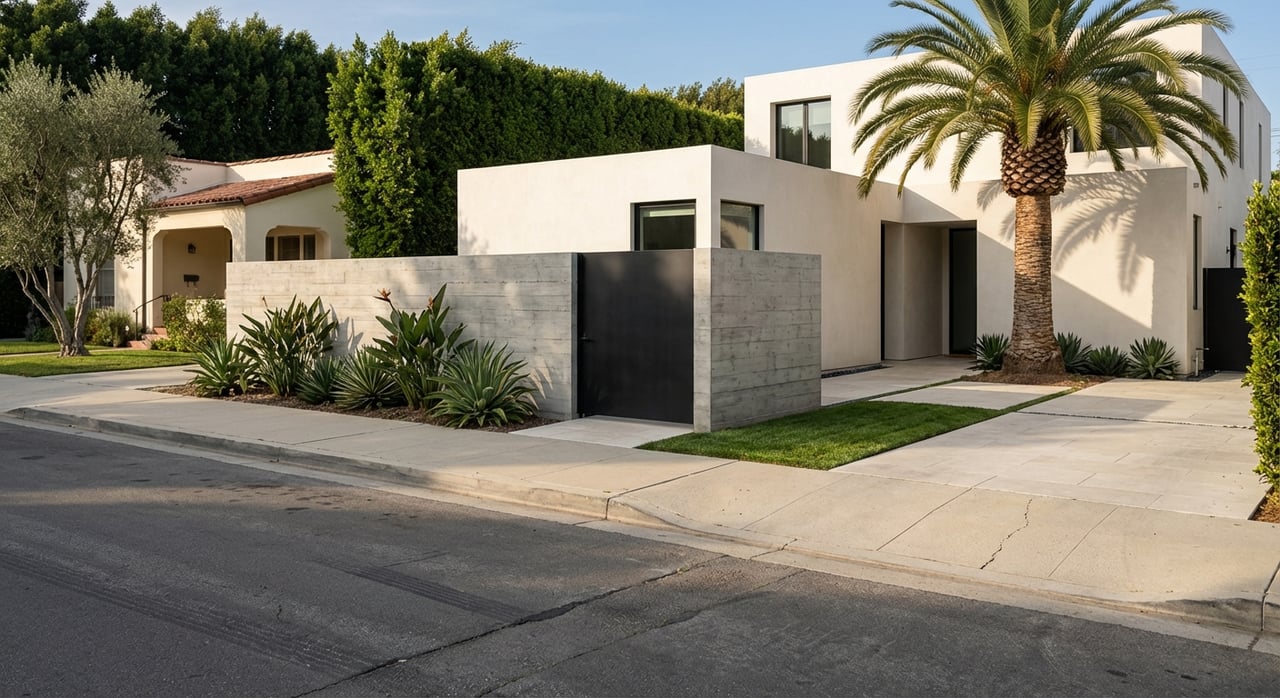
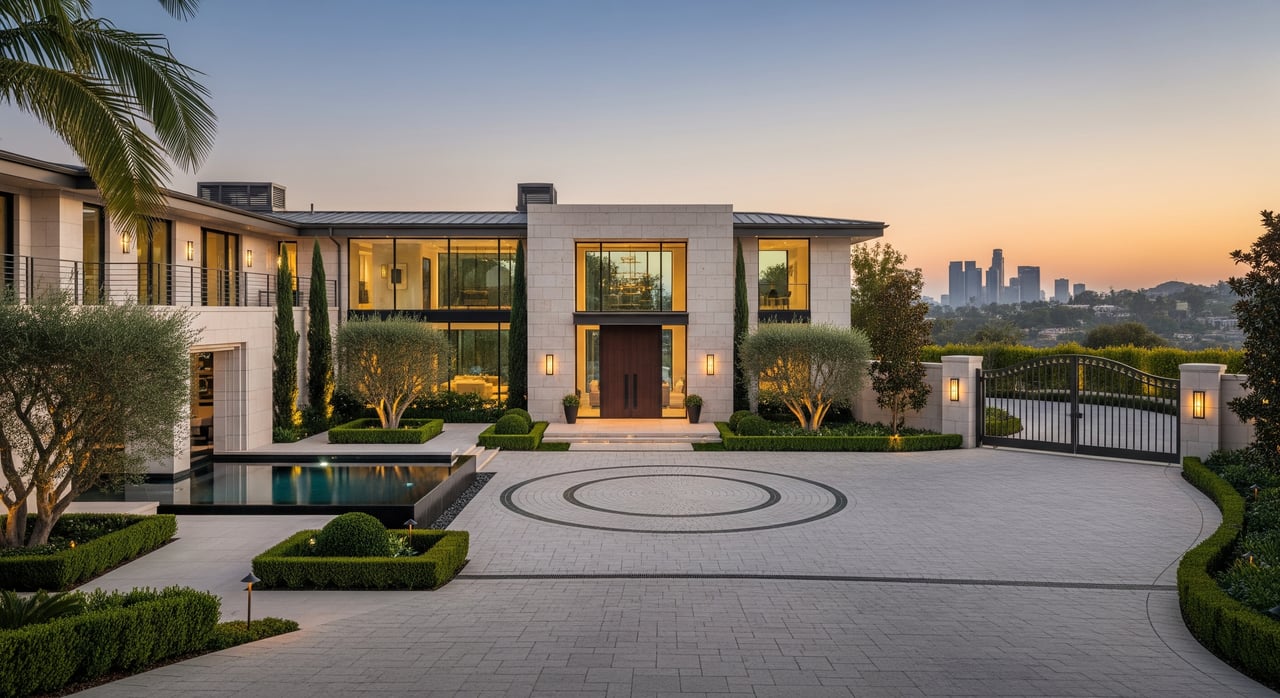
- Landscaping, lighting, and curb appeal need attention
- Kitchens and baths need a refresh, not a full rebuild
- You want to attract more move-in-ready buyers
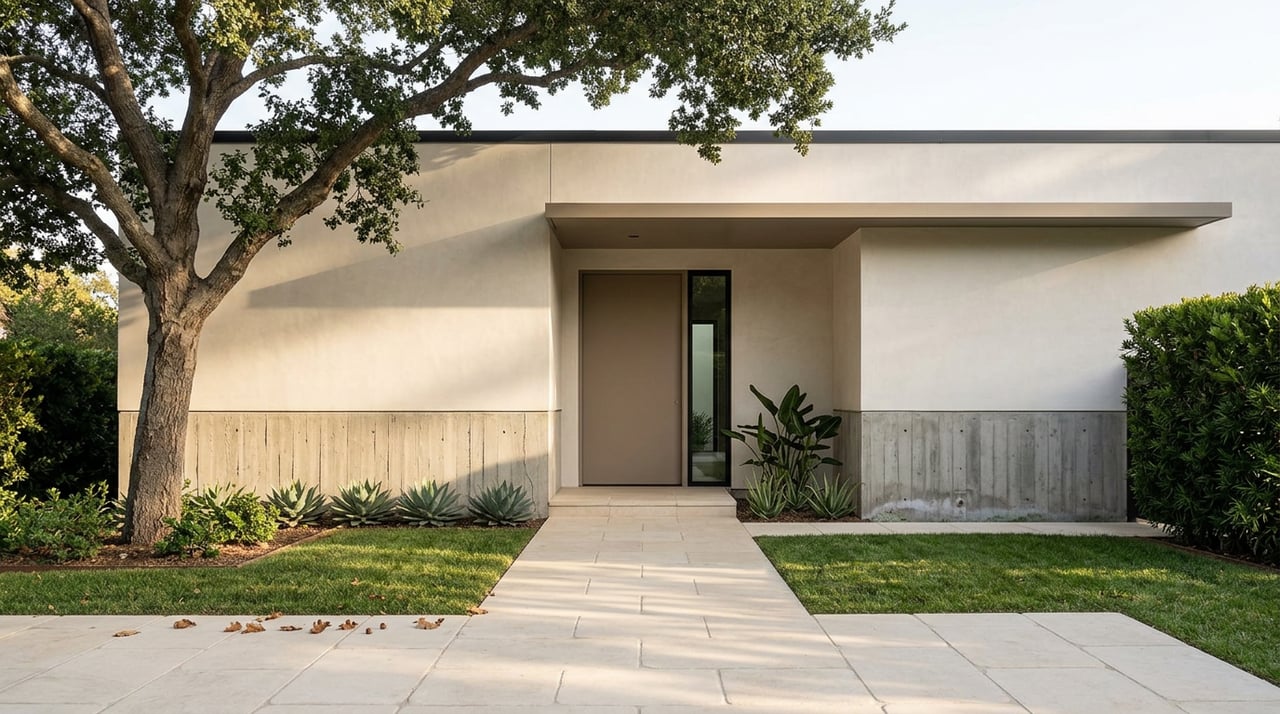
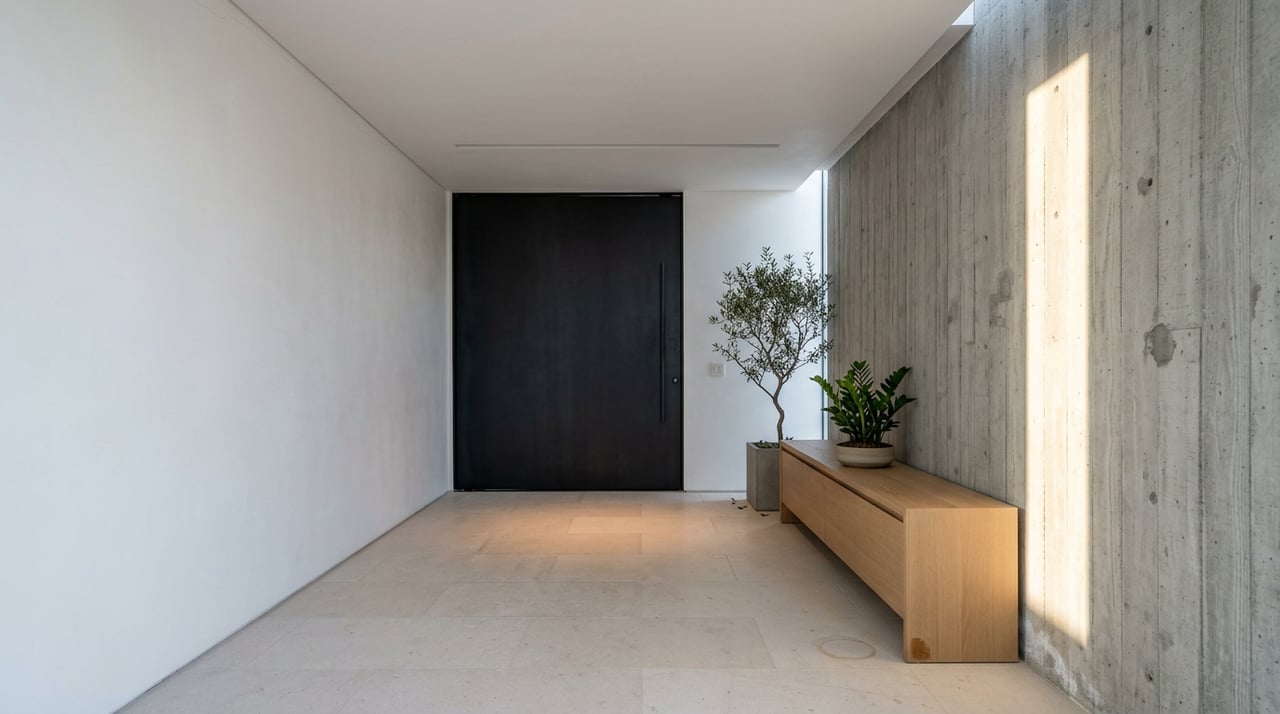
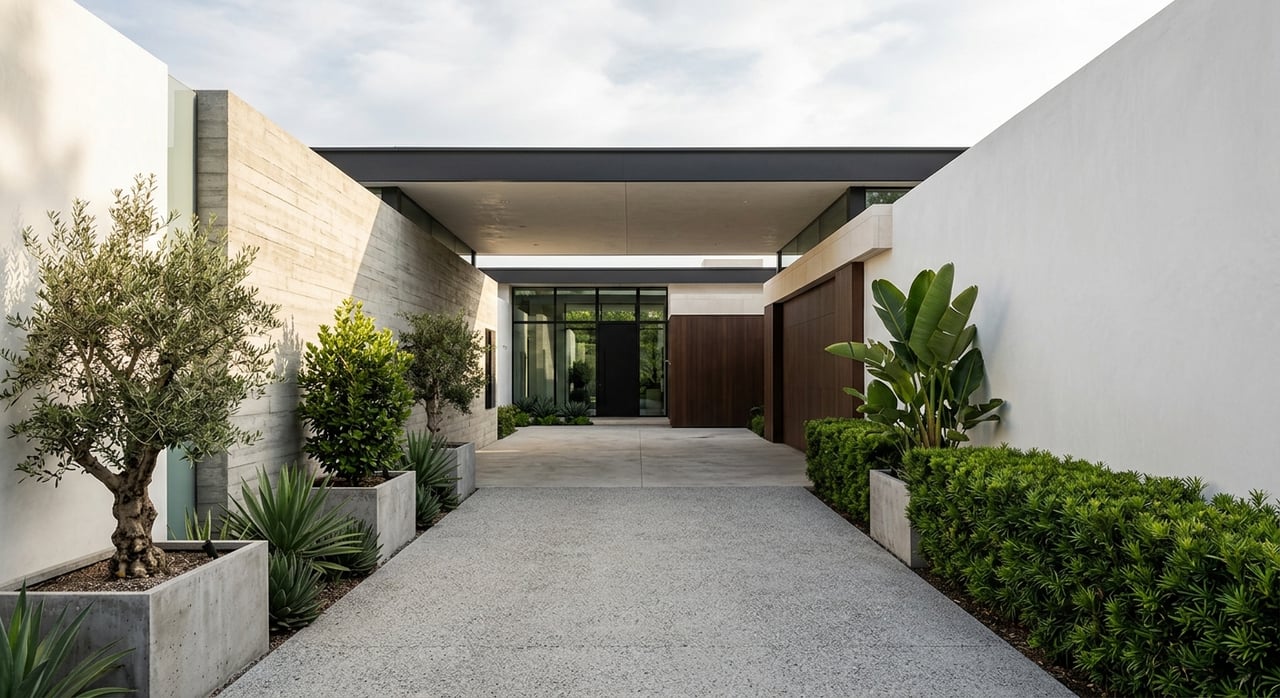
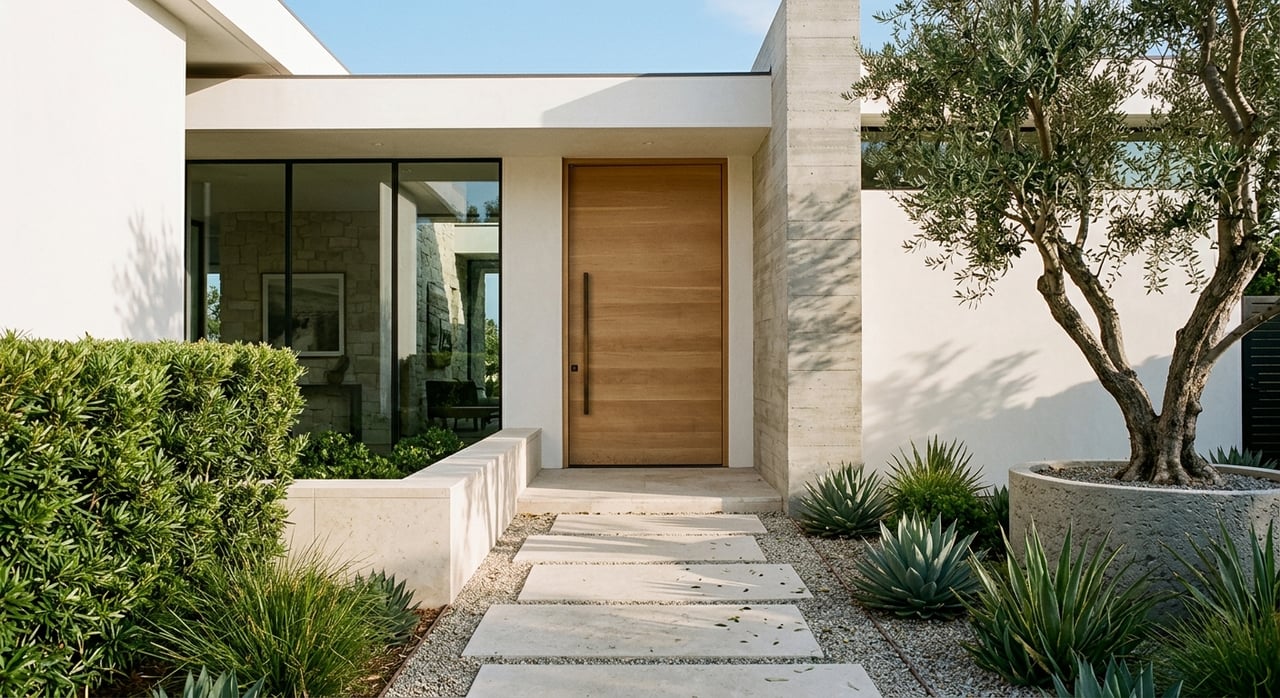
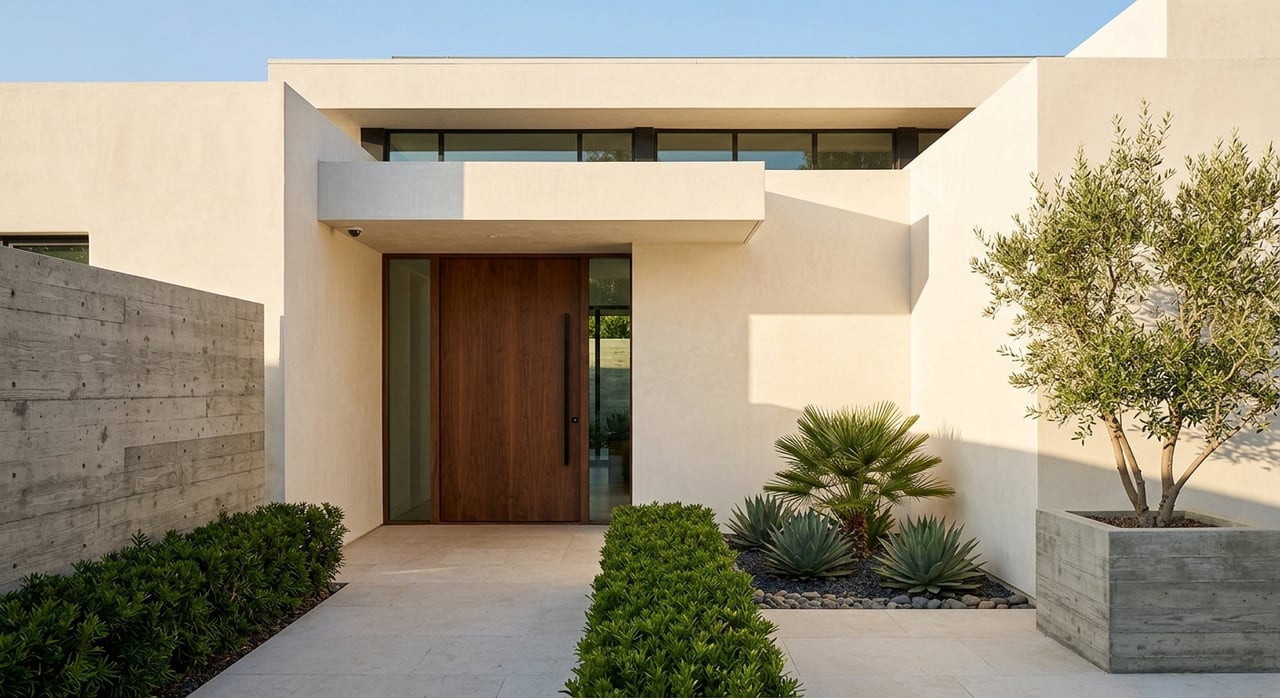
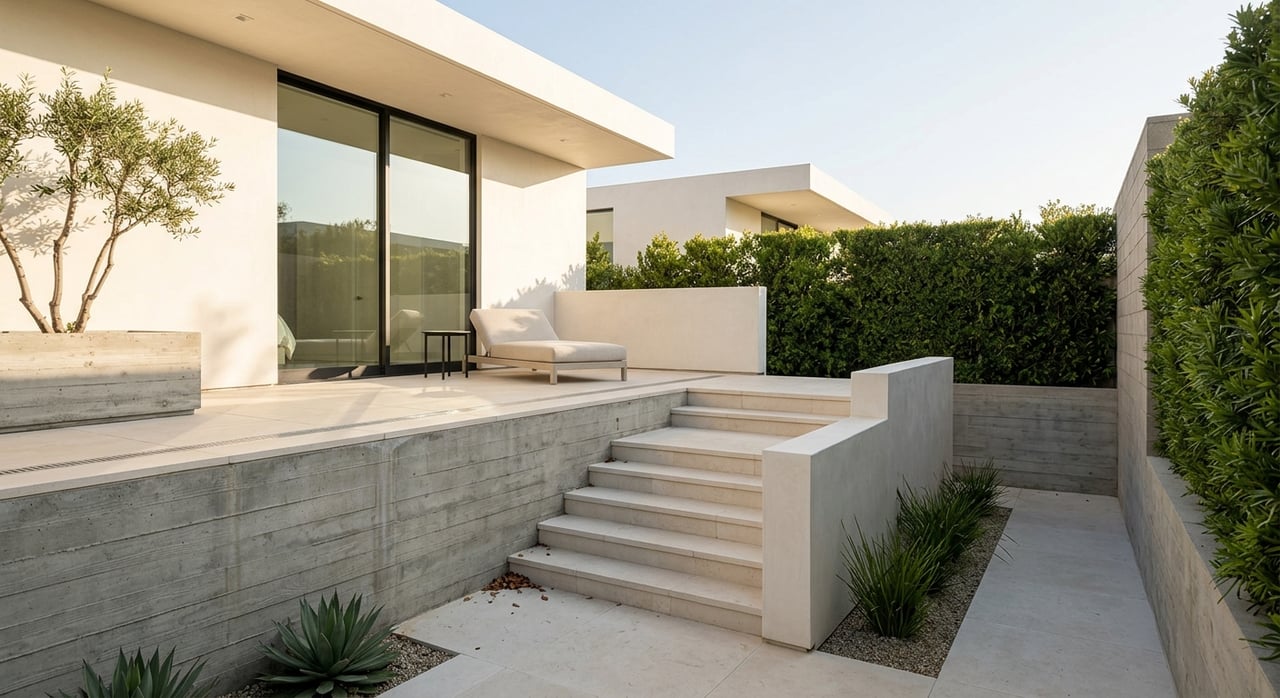
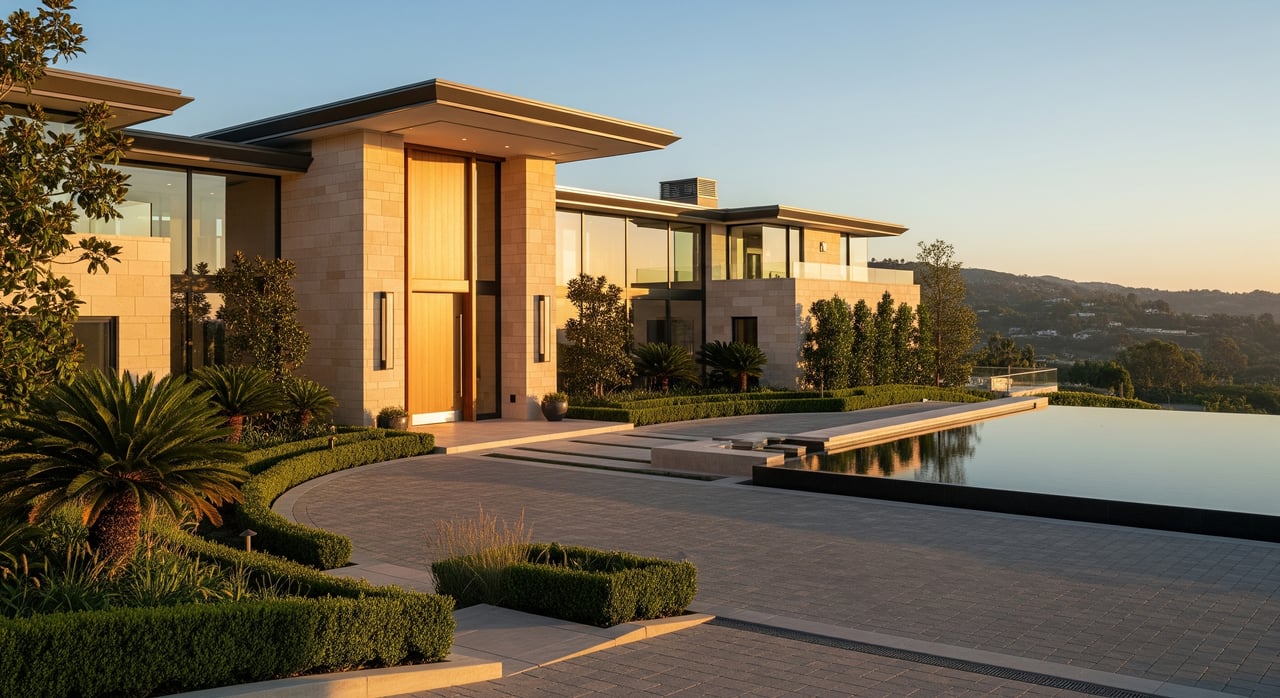
The most compelling case for updating is when modest work helps the home’s best features show more clearly. On an older Bel Air estate, that might mean opening up sightlines, refining the entry sequence, refreshing exterior surfaces, or making outdoor areas feel more usable and intentional.
The updates most likely to matter
Not every renovation pays off equally. Research summarized by Builder from the 2024 Cost vs. Value findings showed that nine of the top ten highest-ROI remodeling projects were exterior improvements. Nationally, garage door replacement came in around 194% ROI, exterior door replacement around 188%, manufactured stone veneer around 153%, and a minor kitchen remodel around 96%.
For a Bel Air seller, the takeaway is practical. You do not necessarily need a full luxury gut renovation to improve marketability. Often, targeted improvements that strengthen first impressions and reduce buyer objections can do more than a massive project with a long timeline.
Focus on first impressions
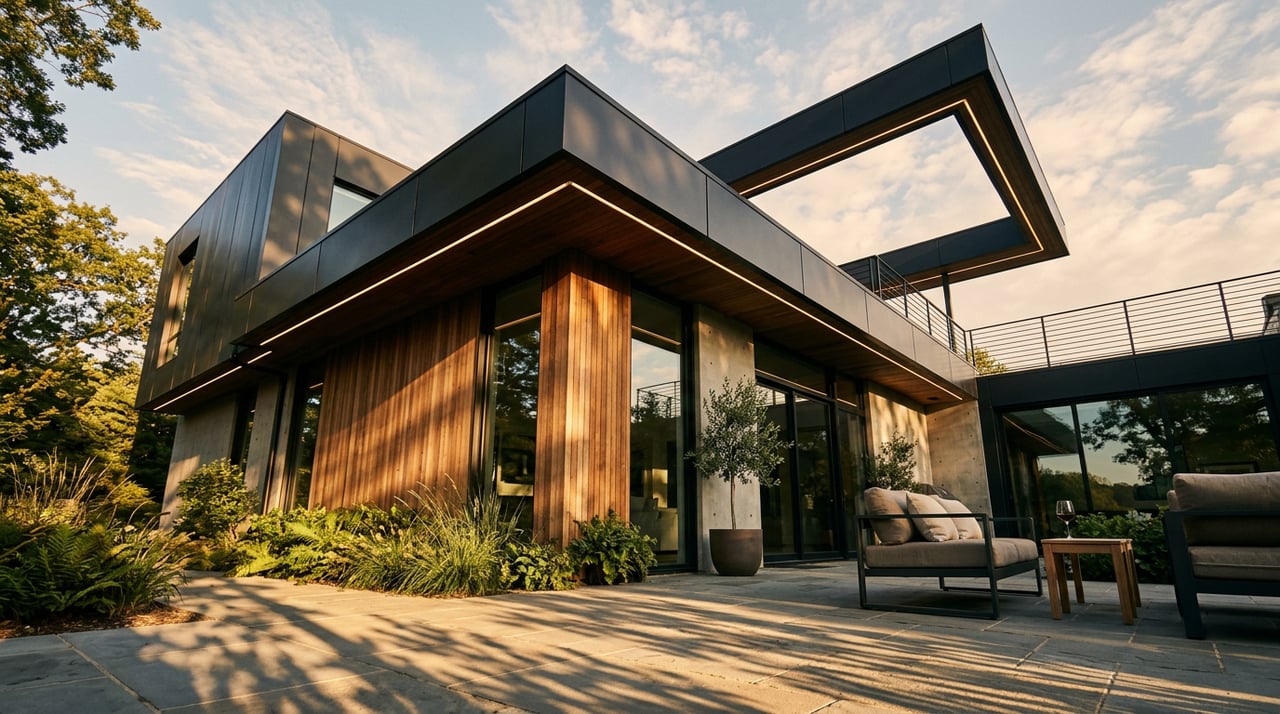
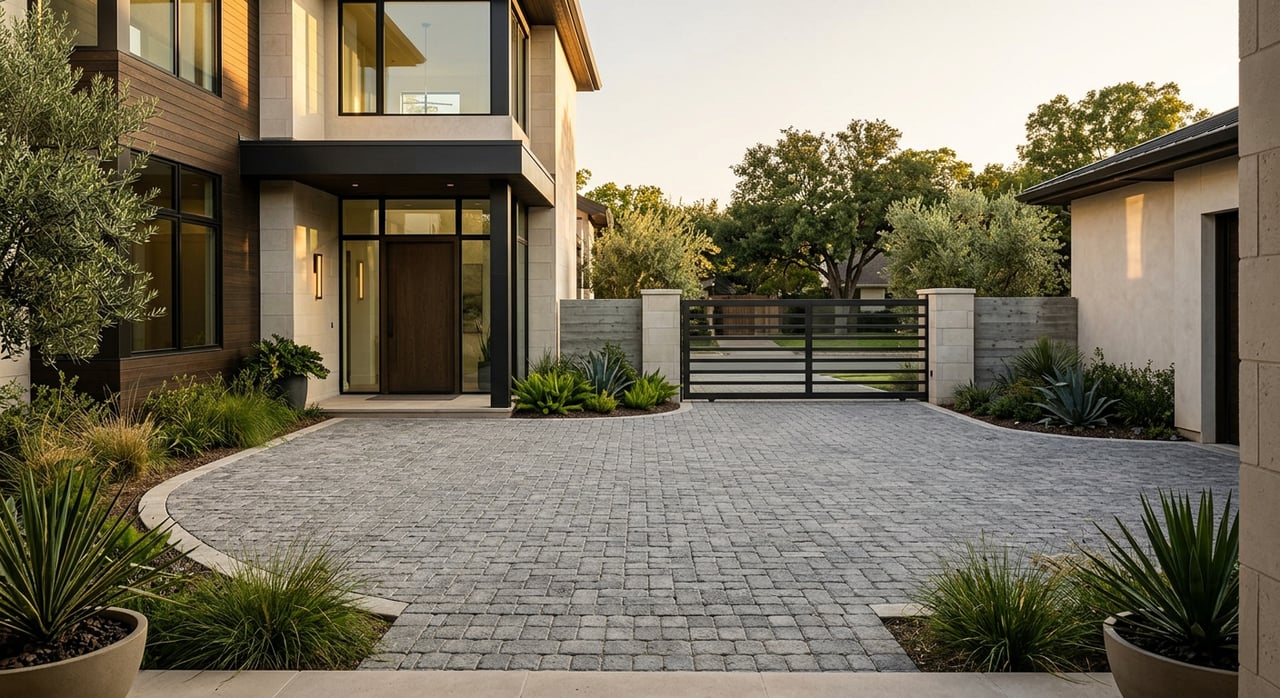
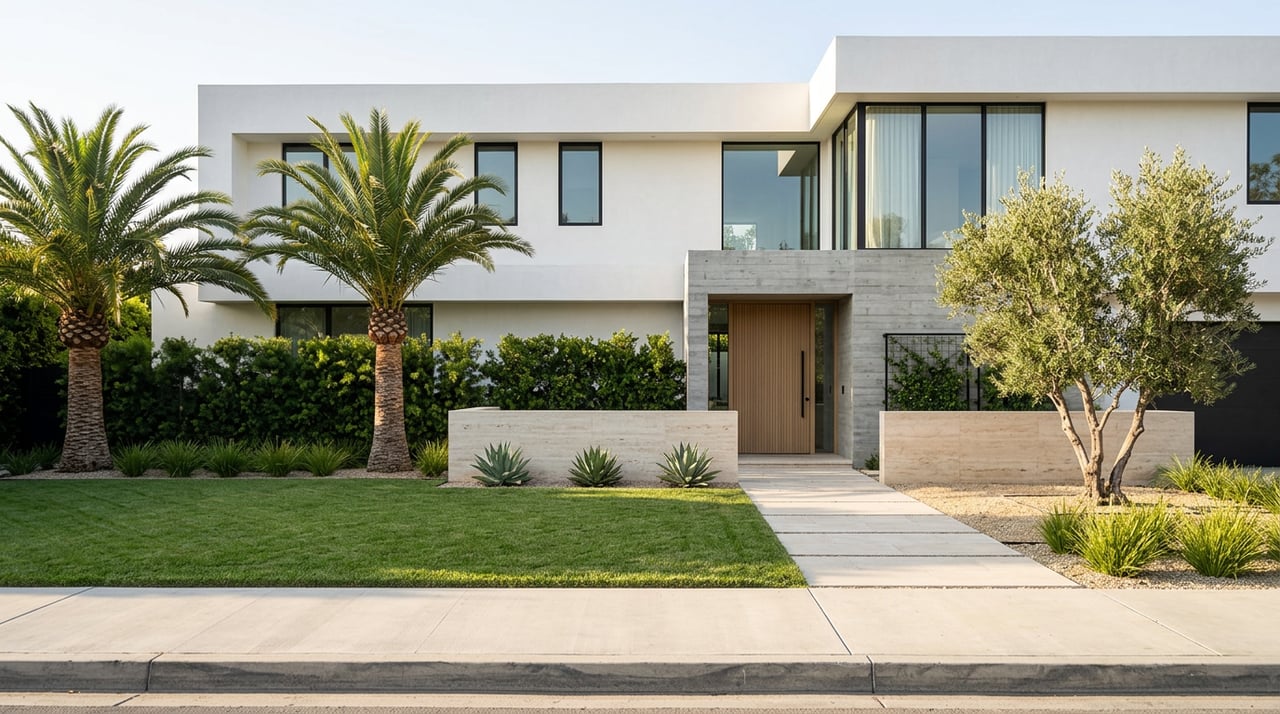
If you are going to spend before listing, start where buyers notice it immediately. Exterior presentation can shape the tone of the entire showing experience.
Priority items often include:
- Exterior paint or refinishing
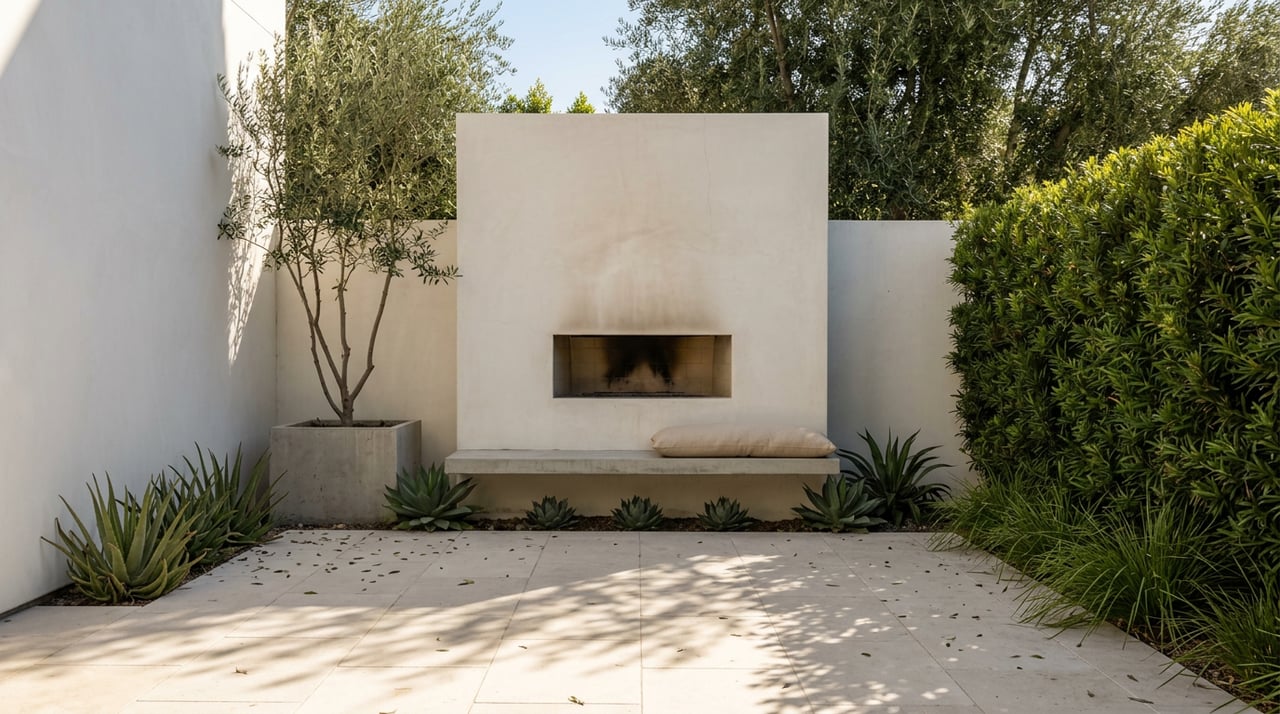
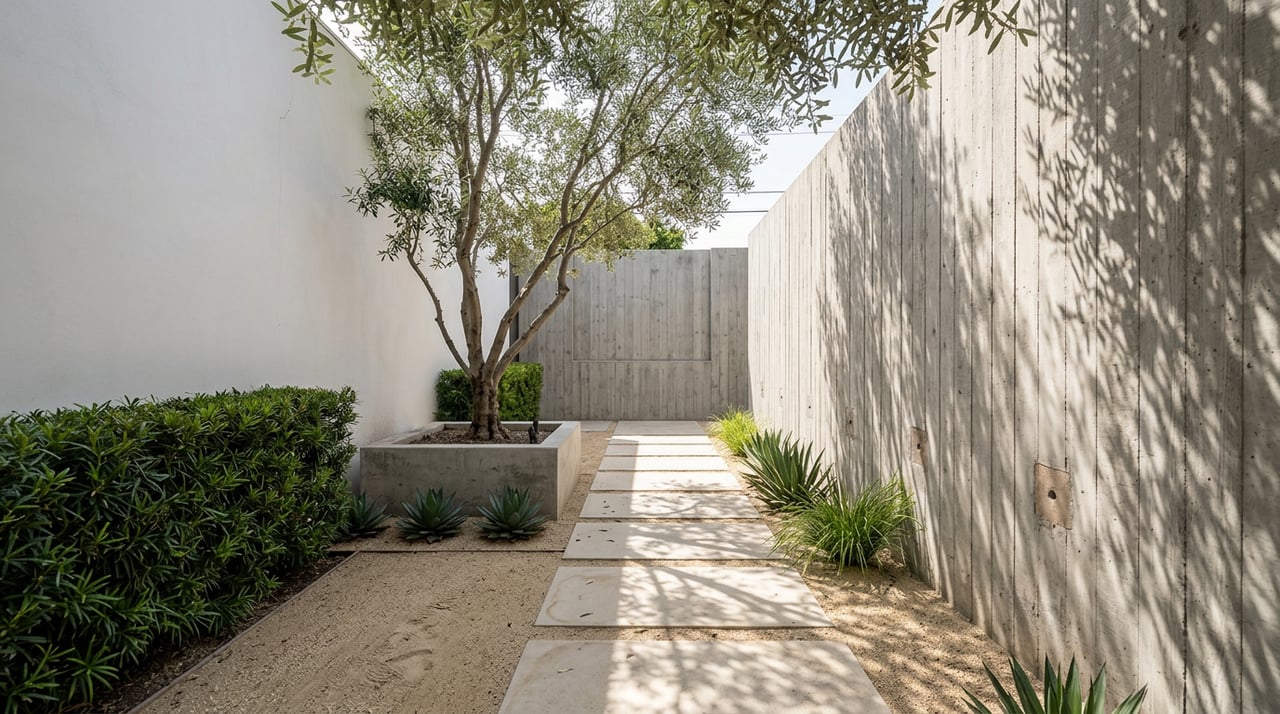
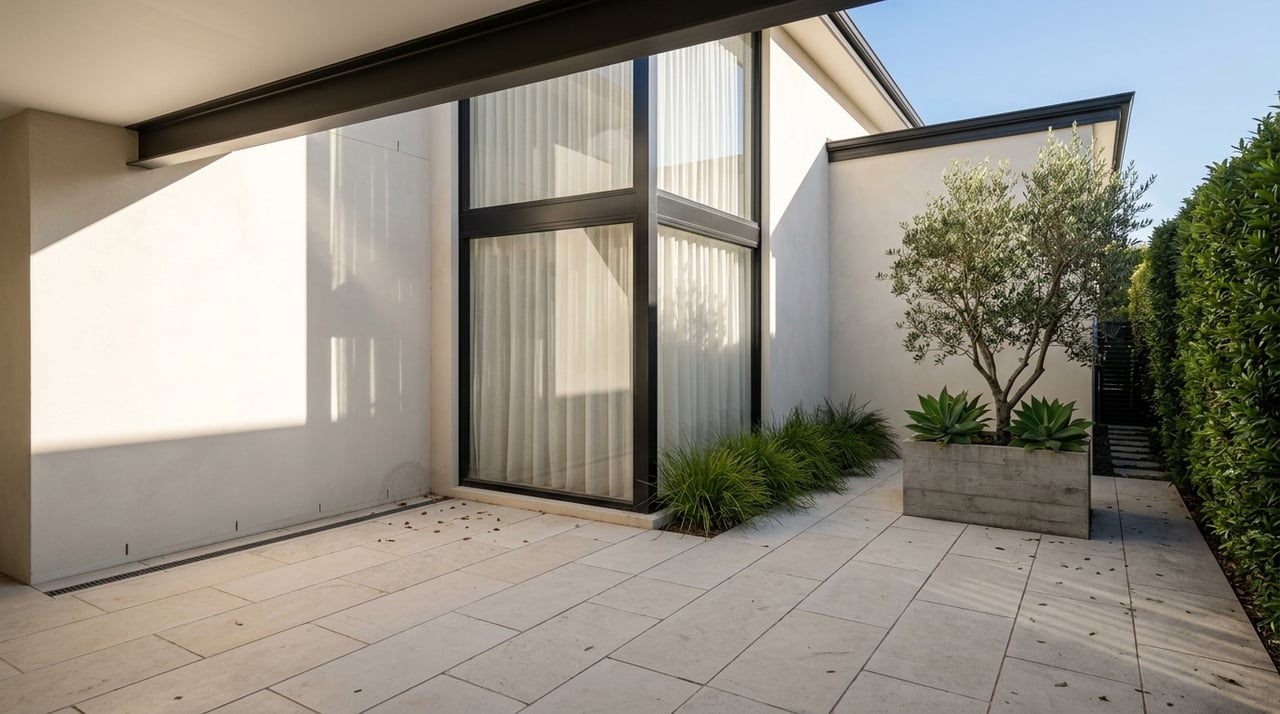
- Landscape refresh and cleanup
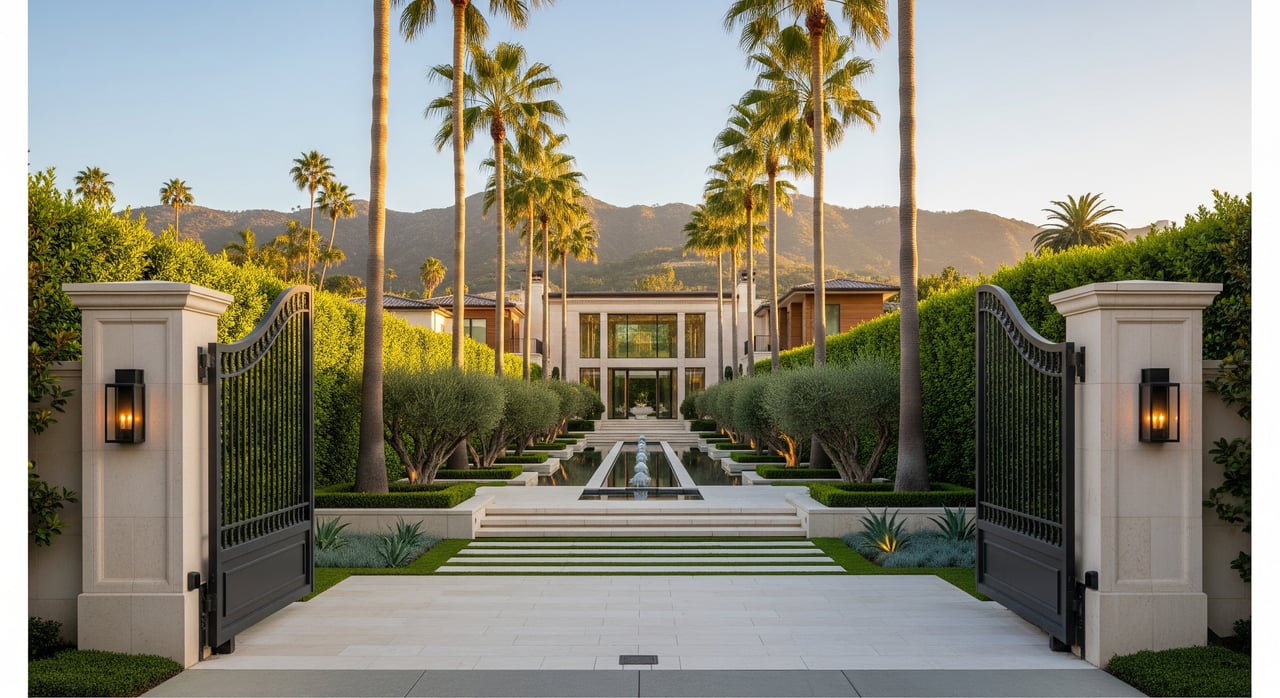
- Driveway and entry improvements
- Updated exterior lighting
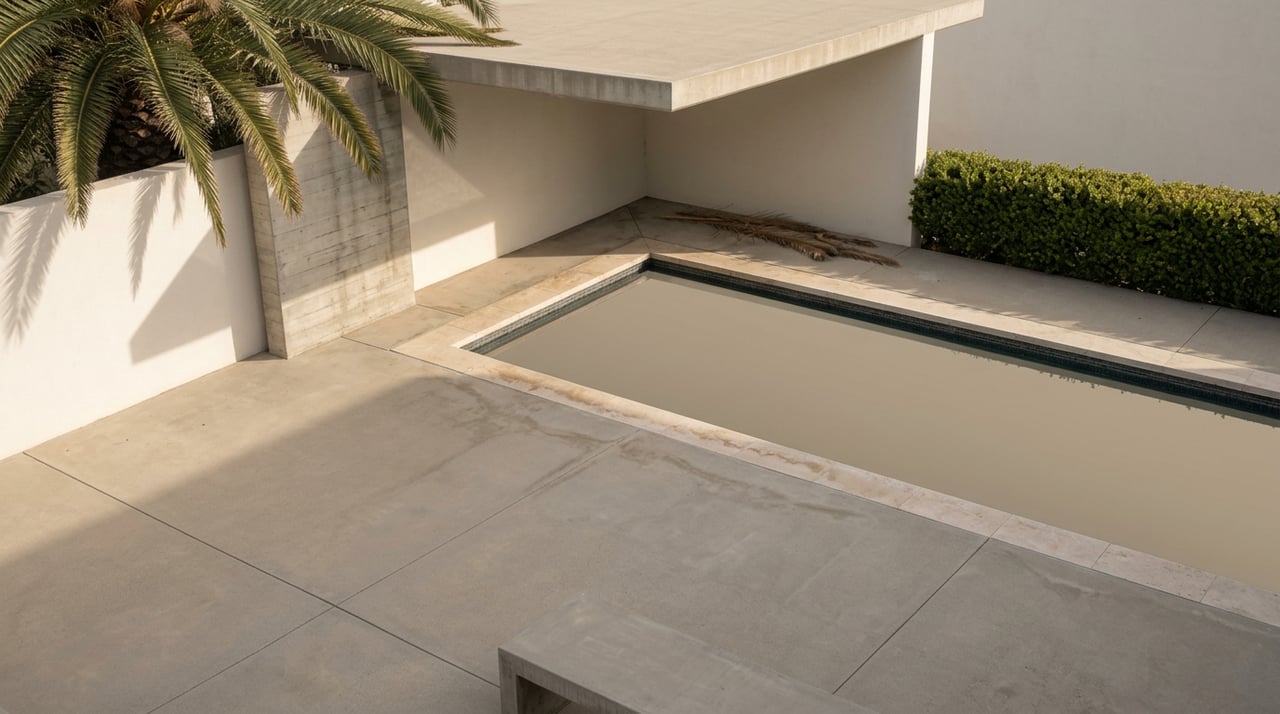
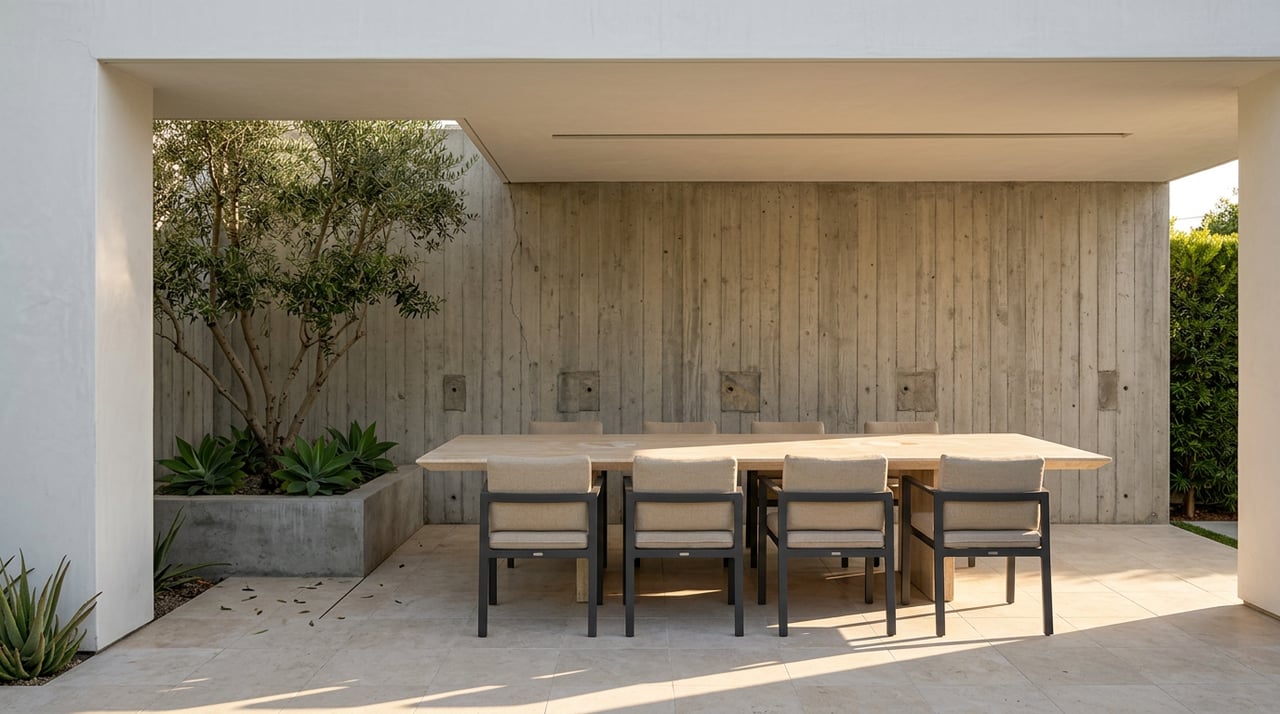
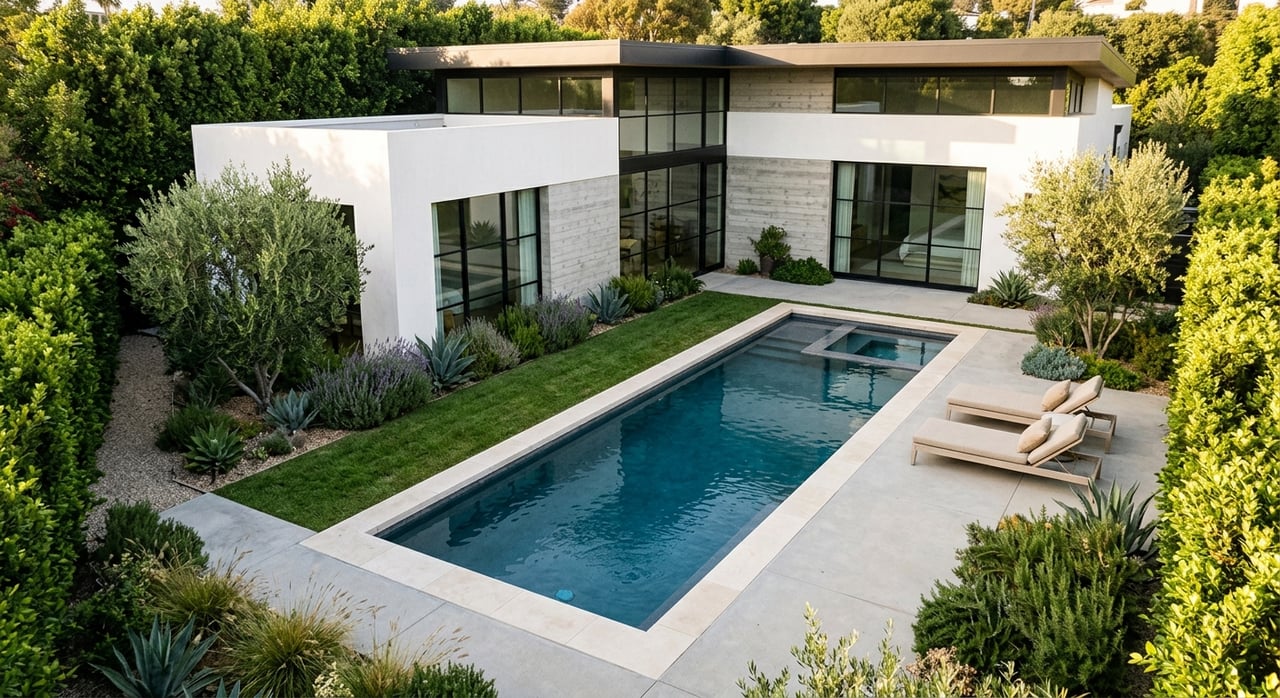
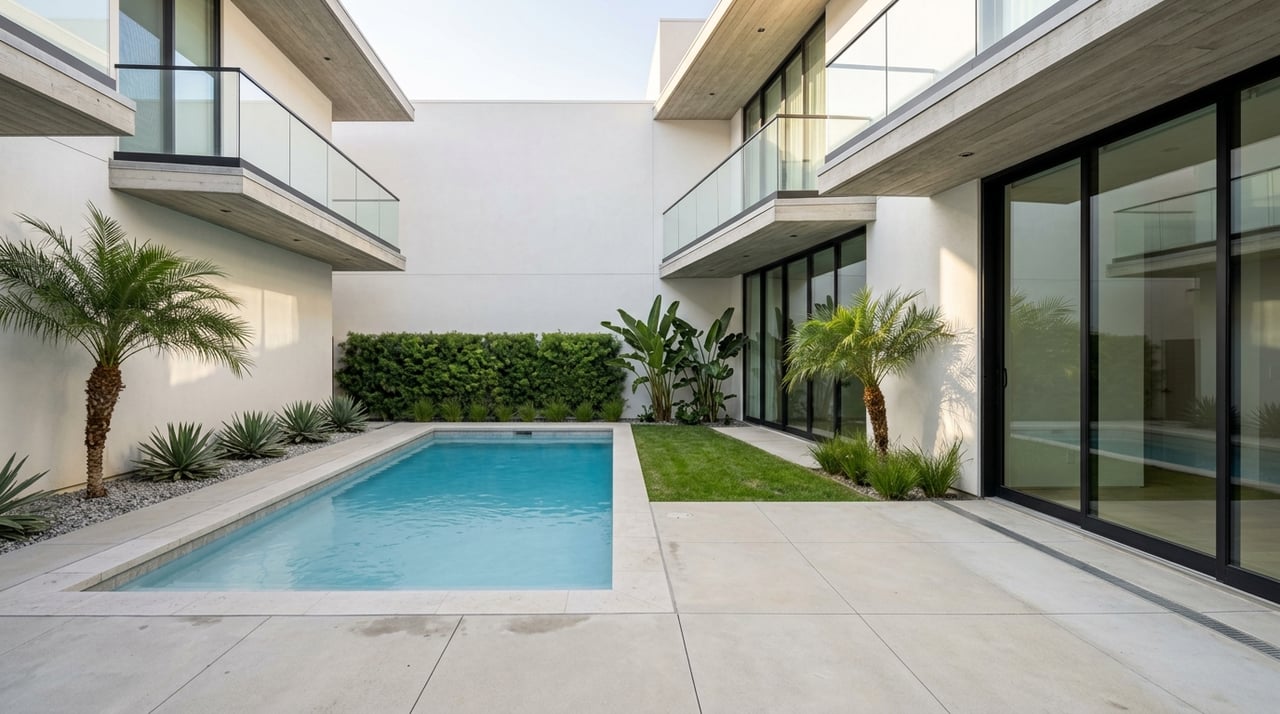
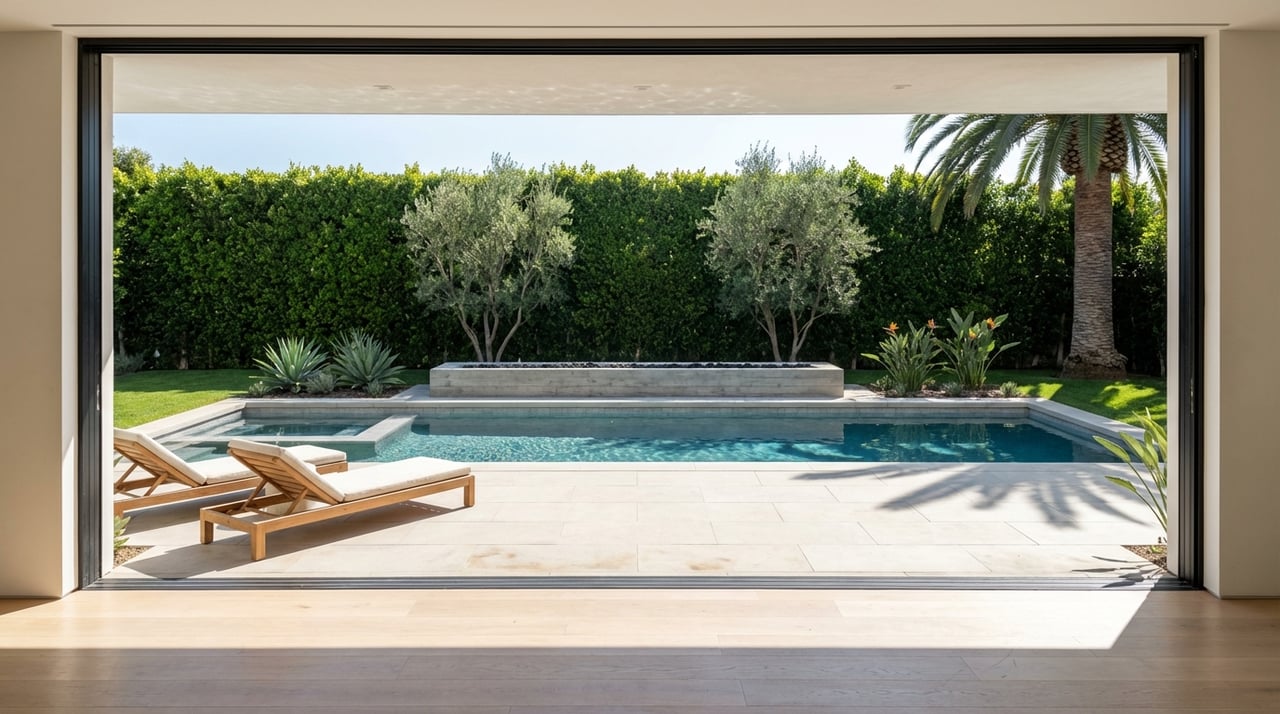
- Poolside and patio presentation
- Repair of visible deferred maintenance
Refine kitchens, baths, and hardware
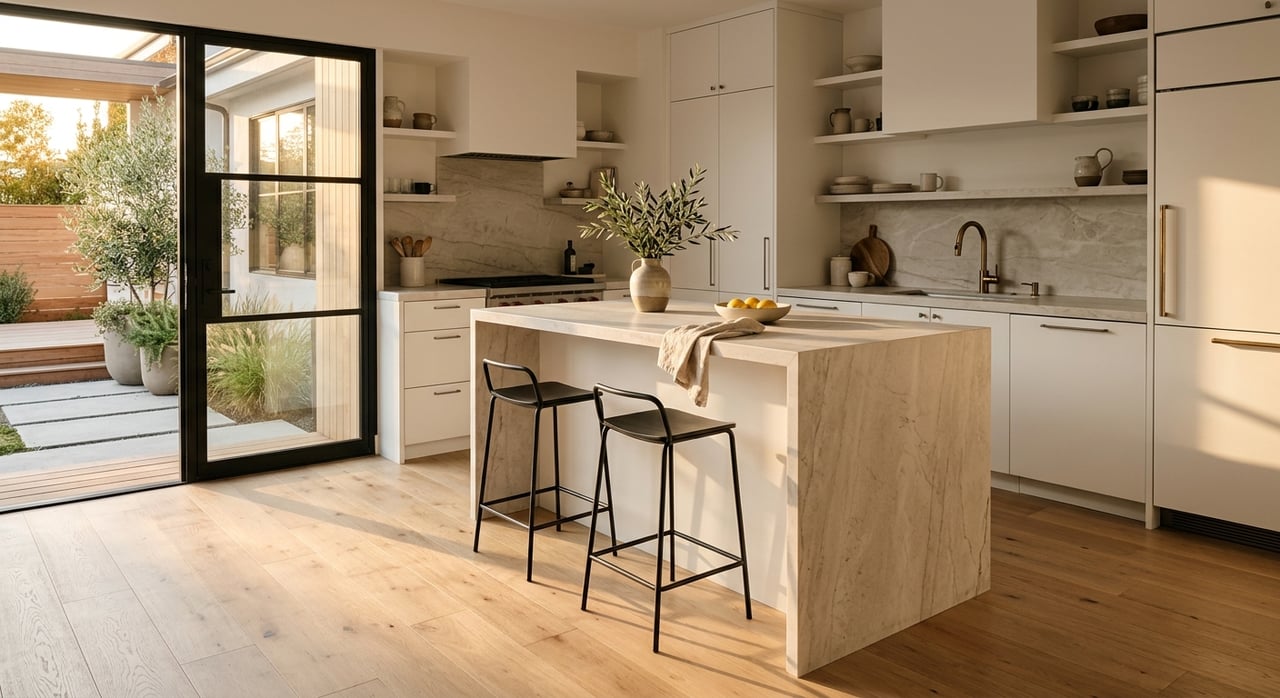
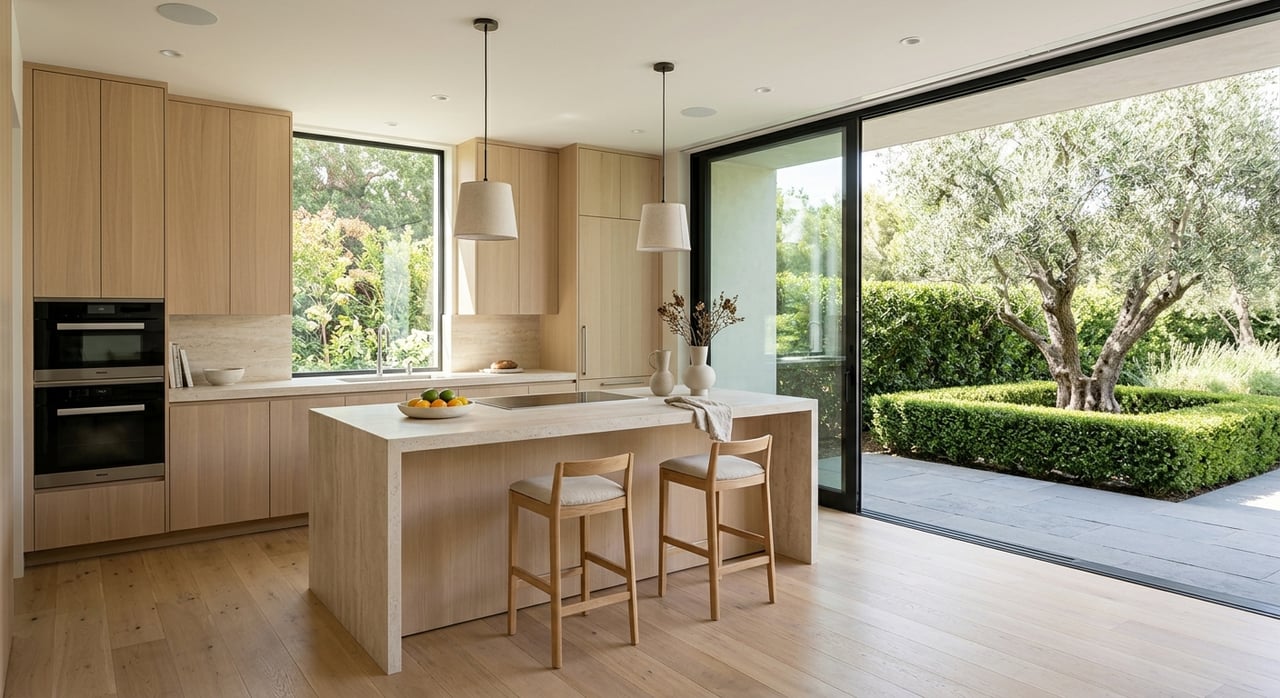
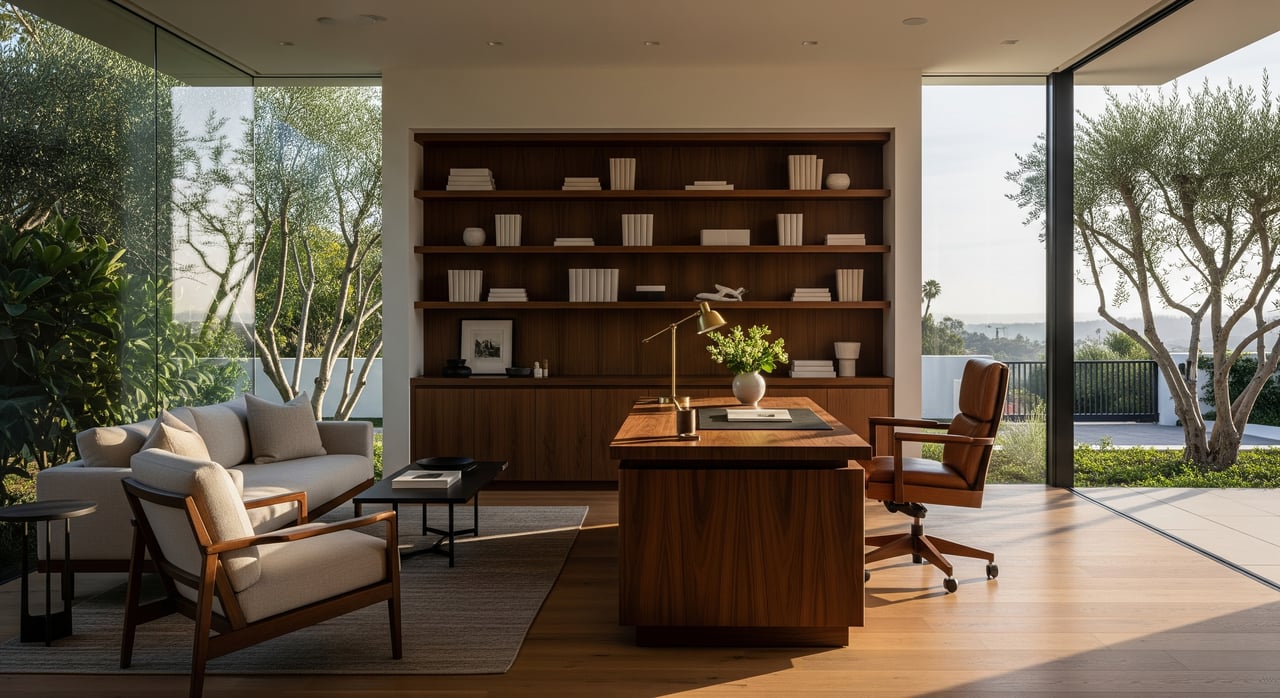
Inside the home, buyers often notice whether spaces feel cared for and current. A light-touch update can go a long way when it removes visual friction without overcapitalizing.
That can include:
- Replacing dated hardware and fixtures
- Updating lighting for a cleaner look
- Refinishing cabinetry instead of replacing it
- Refreshing counters or backsplashes where needed
- Improving bath presentation with selective upgrades
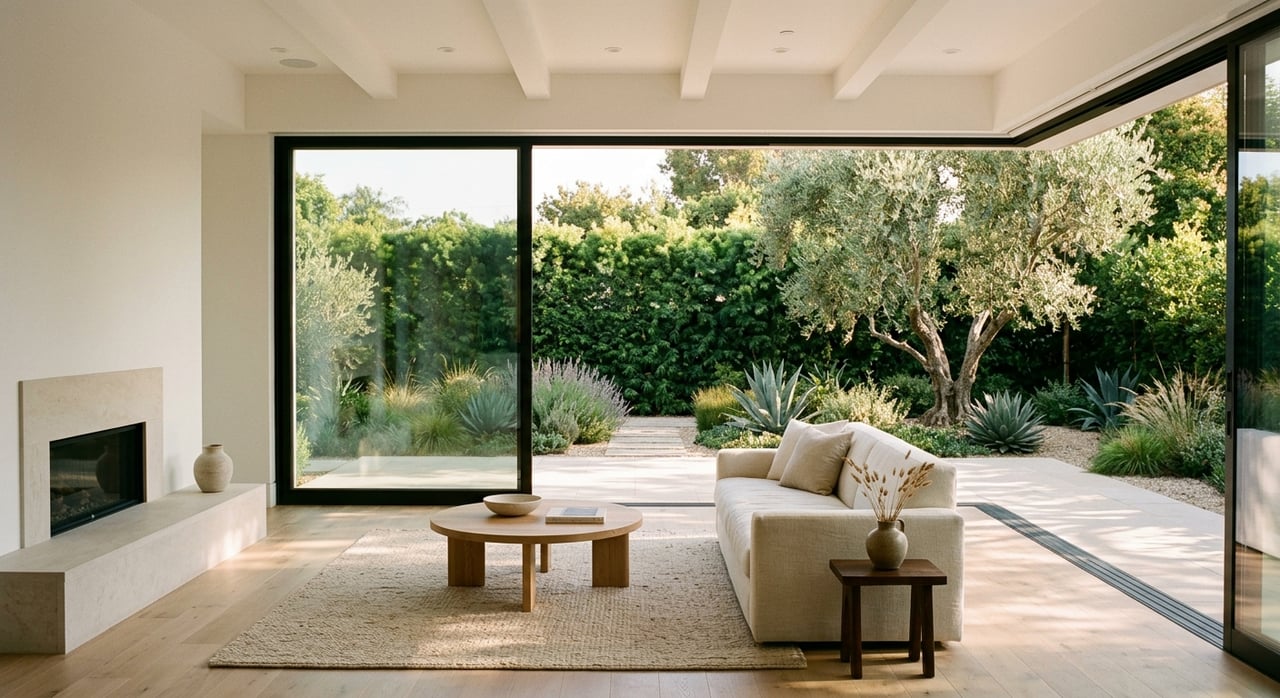
Improve indoor-outdoor flow
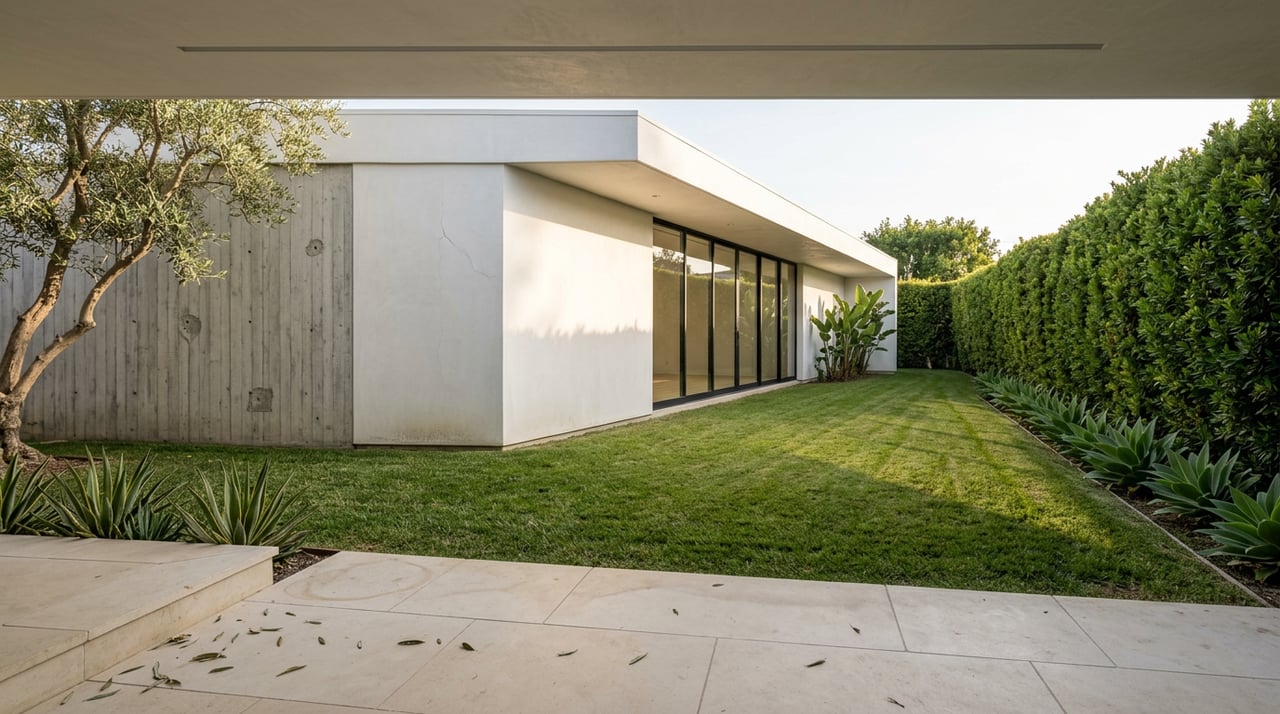
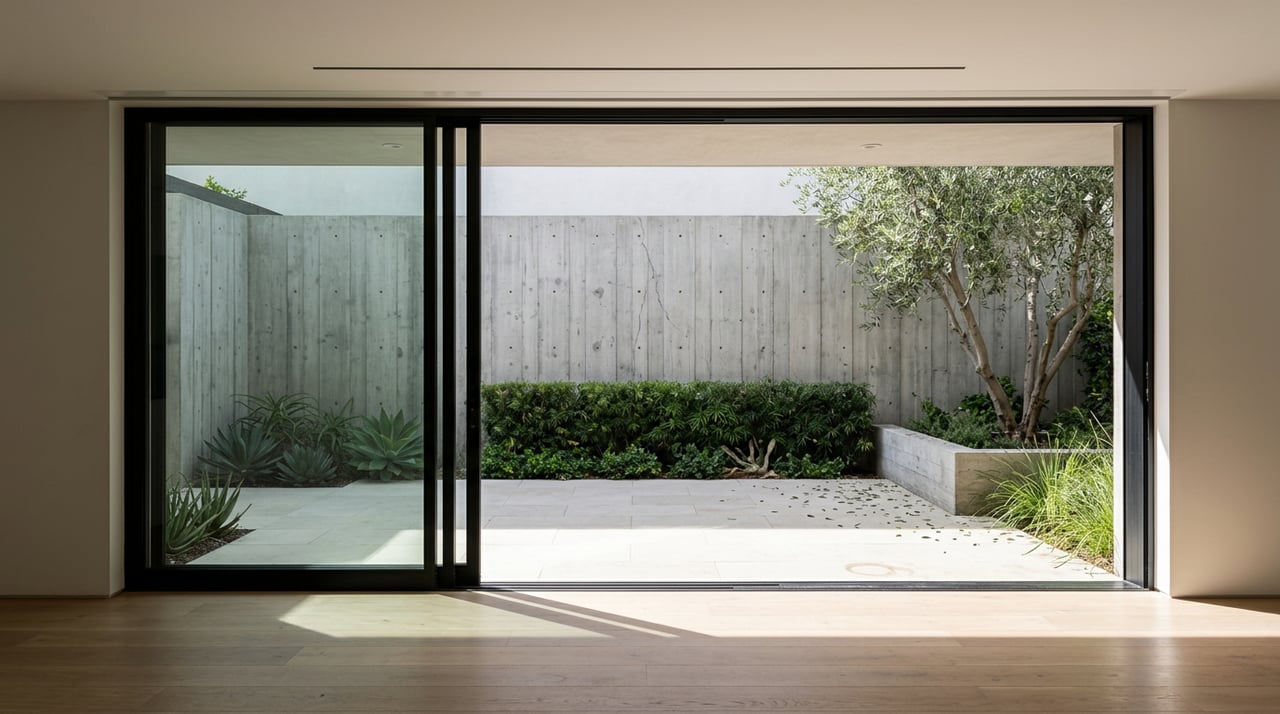
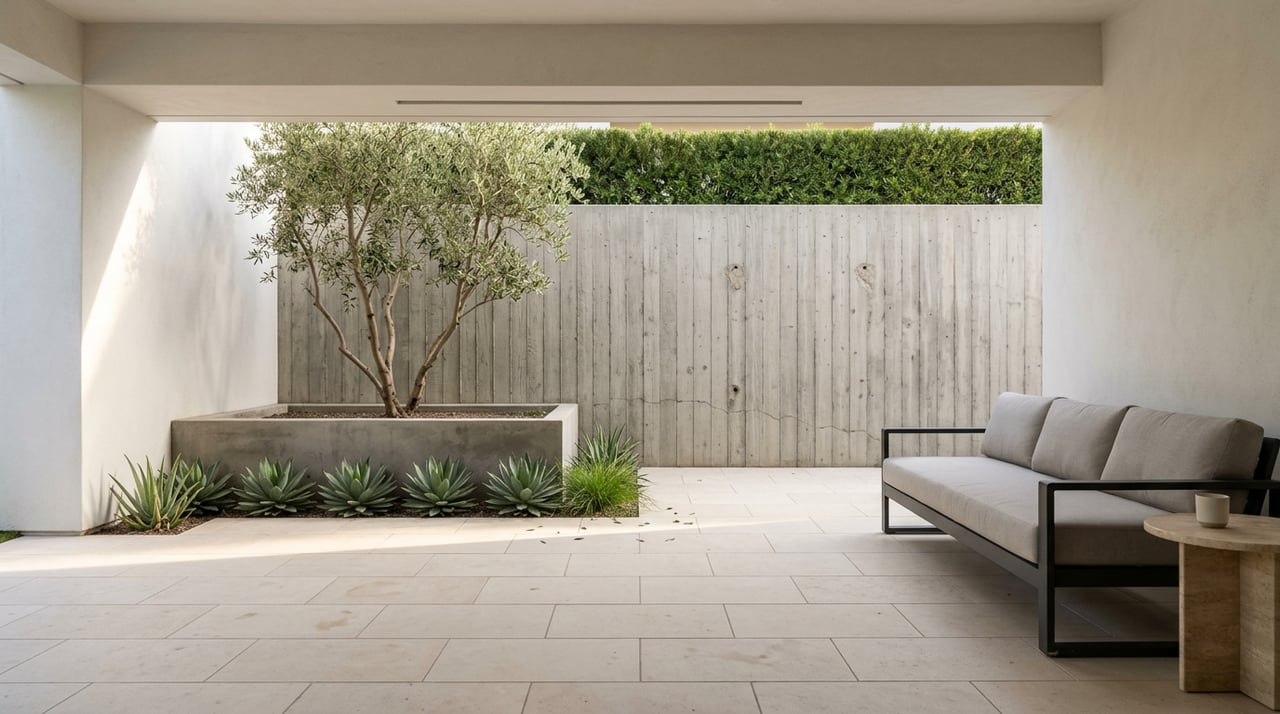
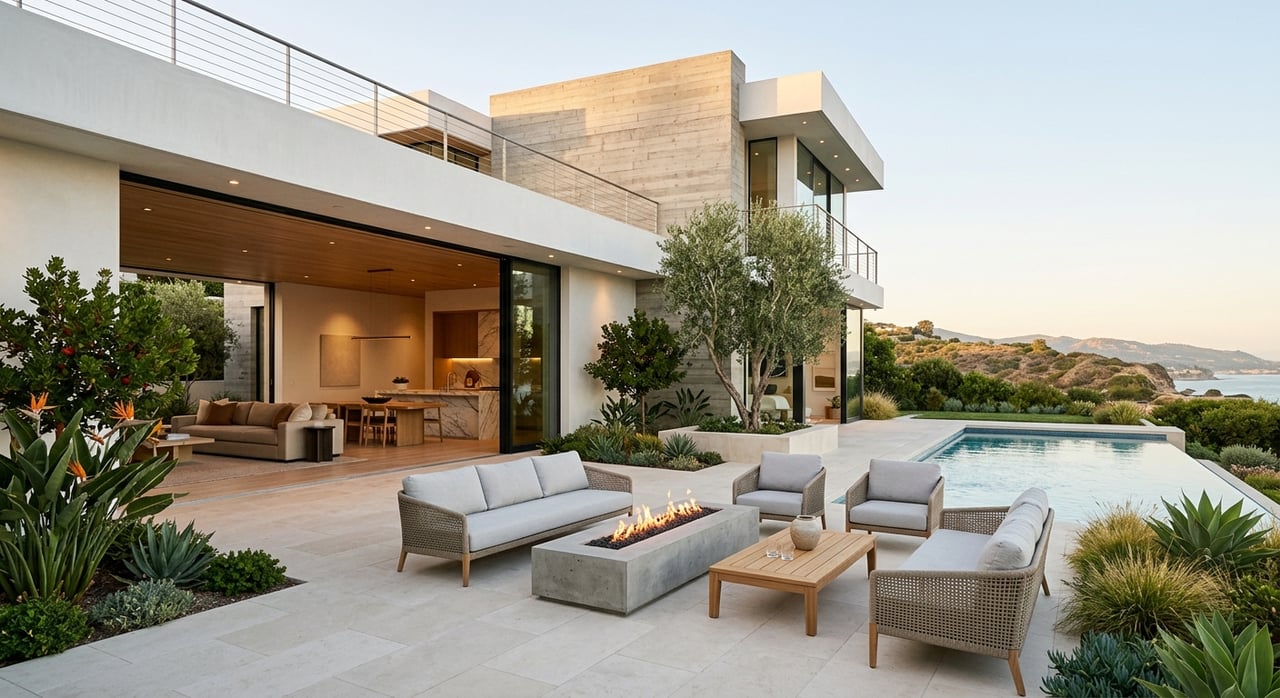
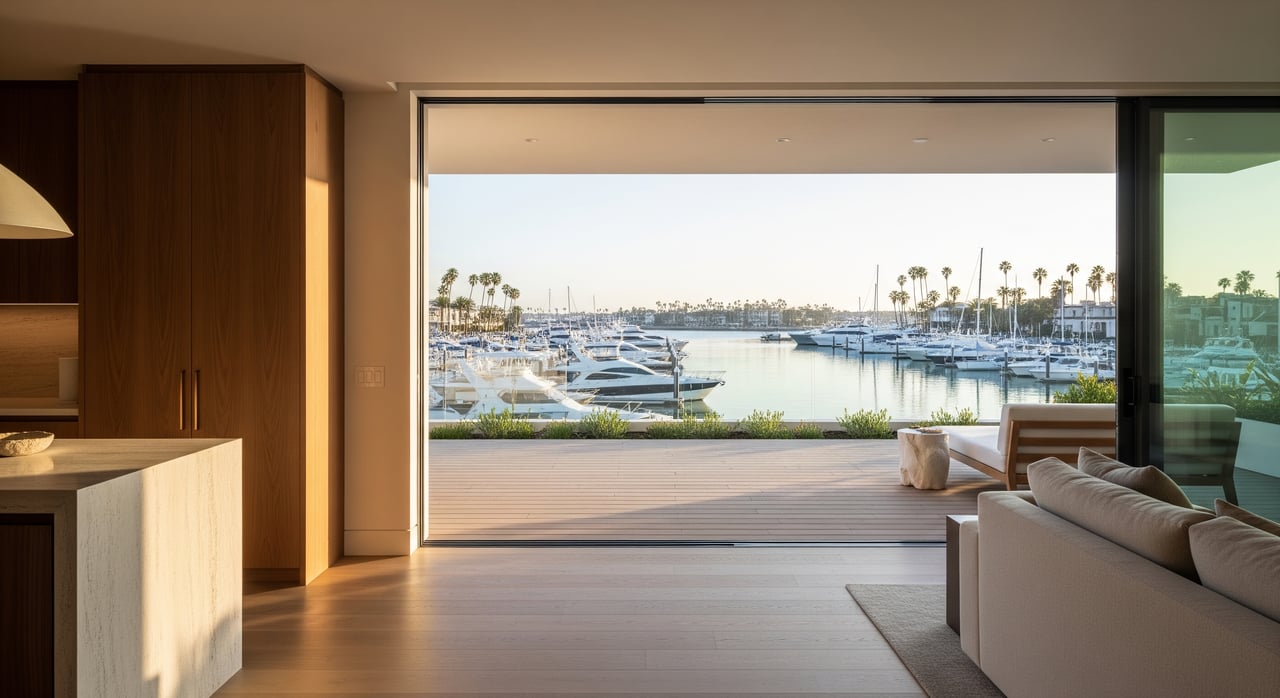
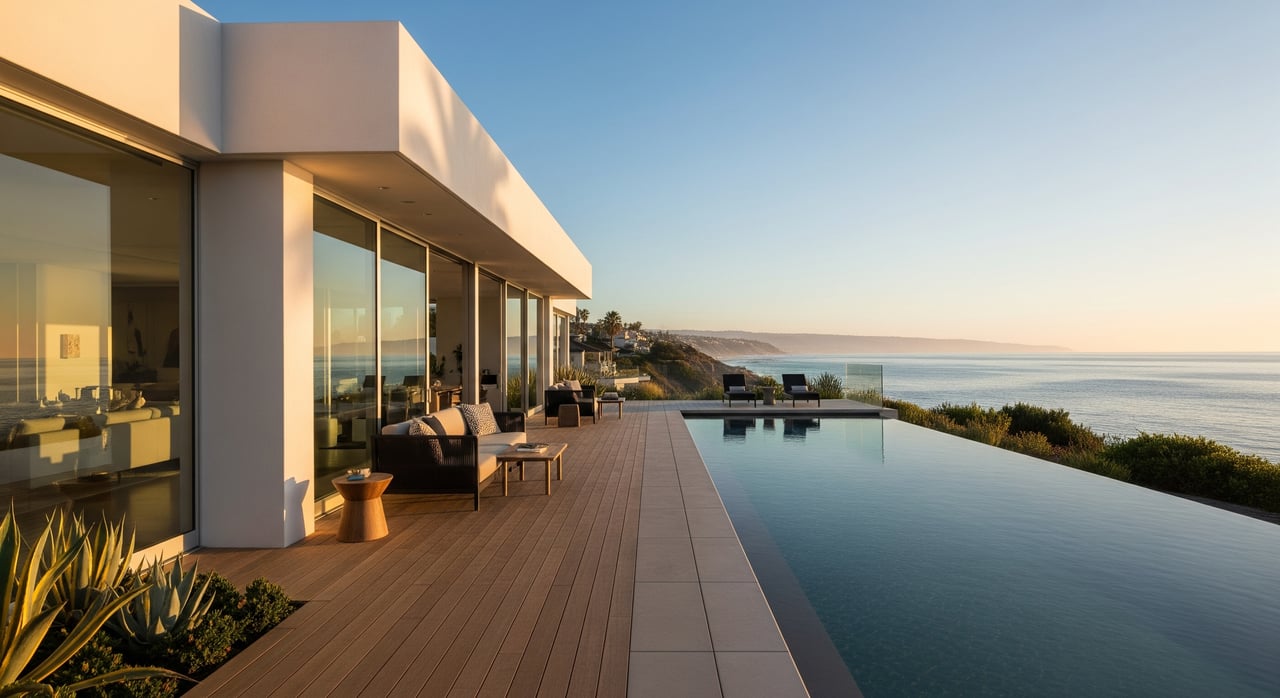
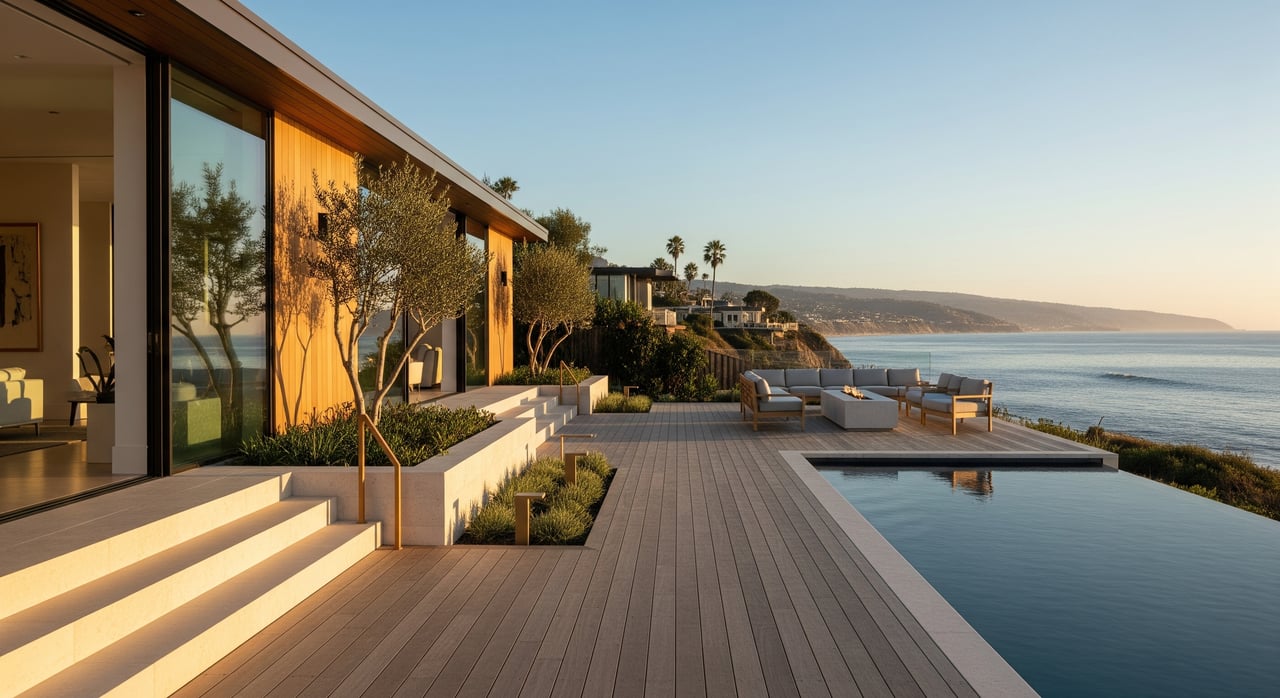
The American Institute of Architects’ 2025 Q2 Home Design Trends Survey found that outdoor living spaces and blended indoor-outdoor spaces remain leading exterior features in the custom and luxury segment. For Bel Air, that is especially relevant because outdoor rooms, patios, and pool areas are often part of the property’s identity.
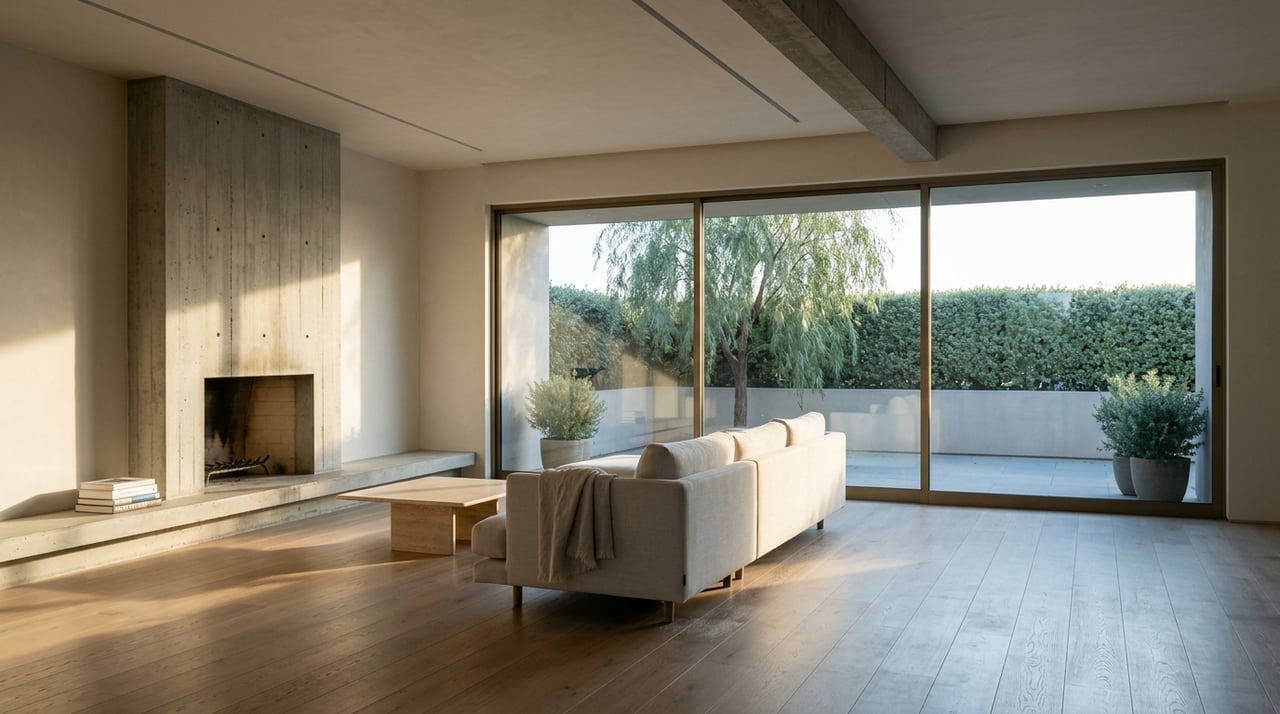
If your estate already has strong exterior assets, buyers may respond well to thoughtful improvements that make those spaces feel more usable. Clean transitions, intentional landscape design, and comfortable entertaining areas can help the home feel aligned with current preferences.
When selling as-is may be smarter
Sometimes the better decision is not to renovate at all. If your estate has major unknowns or a project scope that could become expensive and slow, selling as-is may protect your time, privacy, and negotiating position.
Selling as-is often makes more sense when:
- The property may need structural or mechanical work
- There are drainage, grading, or retaining wall concerns
- The home has hillside constraints
- You suspect unpermitted work or plan-check complications
- You value speed and certainty over managing construction
- The likely buyer pool includes developers or value-add buyers
In these cases, the renovation can become a risk project before it becomes a value project. If the numbers are unclear and the timeline is hard to control, pricing the home appropriately and marketing it honestly as a project opportunity may be the more efficient path.
Hillside and permit issues can change everything
This is one of the biggest reasons older Bel Air estates require careful planning. Los Angeles rules can materially affect cost and timing long before construction begins.
LADBS states that building plans must be approved before permits are issued for new buildings, additions, structural alterations, interior floor-plan changes, parking-layout changes, fences, retaining walls, and shoring plans. Depending on the work, a project may go through Express Permit, Counter Plan Check, Expanded Counter Plan Check, Regular Plan Check, or Parallel Design and Permitting.
For hillside properties, grading can add another layer. LADBS says grading permits are required for grading work in hillside grading areas, as well as removal and recompaction or backfill. The City also notes that slope repairs, landslide repairs, site preparation, basement excavations for new hillside buildings, pool excavations, and retaining-wall cuts and backfill can require grading plan checks before a permit is issued.
If your estate falls within the Mulholland Scenic Parkway Specific Plan area or another overlay-related review area, timelines can extend further. City Planning advises owners to check the applicability matrix and account for scheduling realities because staff may be booked months in advance. The design guidelines also emphasize minimizing grading, and construction within 50 vertical feet of a Prominent Ridge is restricted unless required findings are made.
Why parcel-specific research comes first
Bel Air sits within the Bel Air-Beverly Crest Community Plan area, and the City’s planning materials also point to preservation resources and overlay review considerations in the area. For an older estate, that means major exterior changes, additions, or demolition should begin with parcel-specific zoning and preservation review, not just a design idea.
That point is easy to underestimate. A renovation that looks simple on paper can become more complicated if the property triggers zoning questions, grading review, or specific-plan considerations. Before you commit to construction, it is worth understanding exactly what the parcel allows and what the review path may look like.
The middle-ground strategy often works best
For many older Bel Air estates, the smartest answer is neither a full remodel nor a purely as-is sale. A focused pre-sale preparation plan often delivers the best balance of presentation, cost control, and timeline.
This middle-ground strategy usually centers on the items buyers notice right away:
- Exterior presentation
- Landscape cleanup and polish
- Entry sequence
- Lighting
- Selective kitchen and bath refreshes
- Hardware and finish updates
- Obvious deferred maintenance
That approach aligns with what current buyers appear to reward: strong curb appeal, usable outdoor living, and a home that feels cared for. It also helps you avoid taking on a large construction scope that may not return dollar-for-dollar value.
Do not confuse as-is with no disclosure
If you choose to sell as-is, disclosure still matters. The California Department of Real Estate explains that the Transfer Disclosure Statement addresses the physical condition of the property and potential hazards or defects. The state’s TDS form also states that it is a disclosure document, not a warranty, and not a substitute for inspections or any warranties the parties may choose to obtain.
In practical terms, as-is is a pricing and negotiation position. It does not eliminate the expectation that buyers will evaluate condition, perform inspections, and ask questions about known issues. A well-prepared as-is strategy is still built on clarity.
How to decide what is right for you
If you are unsure whether to update or sell, start with three questions. First, are the issues mainly cosmetic, or do they point to bigger structural, site, or permit concerns? Second, would targeted improvements meaningfully expand your buyer pool? Third, is the likely return worth the time, disruption, and approval process?
In Bel Air, the best outcomes usually come from honest positioning. A home with architectural character and a strong setting may benefit from restrained, design-aware improvements. A home with major hillside or construction unknowns may be better marketed as a project, provided the pricing reflects that reality.
The goal is not to renovate for renovation’s sake. It is to choose the path that creates the clearest value story for buyers while protecting your time and leverage as a seller.
If you are weighing a sale of an older Bel Air estate, Gina can help you evaluate the property through a practical lens that blends market insight, design awareness, and discreet listing strategy. For tailored guidance on whether to update, position, or sell as-is, connect with Gina Martino.
FAQs
Should you renovate an older Bel Air estate before selling?
- It depends on the property. If the home is sound and mostly dated cosmetically, selective updates may improve presentation and broaden buyer appeal. If there are structural, hillside, or permit-related issues, selling as-is may be more efficient.
What updates matter most when selling a Bel Air estate?
- Exterior presentation, landscaping, entry sequence, lighting, selective kitchen and bath improvements, and well-designed indoor-outdoor living areas are often the most noticeable pre-sale upgrades.
Can a Bel Air home sell as-is in today’s market?
- Yes, but it is generally most effective when the home is priced with project risk in mind and the seller is comfortable with a narrower buyer pool.
Do hillside rules affect Bel Air renovation timelines?
- Yes. In Los Angeles, hillside work can trigger grading review, permit requirements, and added plan-check time, especially when retaining walls, slope work, excavation, or site preparation are involved.
Should you check zoning before updating a Bel Air estate?
- Yes. Because older Bel Air properties may be affected by parcel-specific zoning, preservation review, or specific-plan overlays, it is smart to verify the review path before planning major exterior work, additions, or demolition.
Does selling a Bel Air property as-is remove disclosure obligations?
- No. California disclosure rules still apply, and buyers can still inspect the property and evaluate its physical condition during the transaction.