Wondering whether a Bel Air gate means you are buying into a fully gated community, a private street, or simply a private driveway? In Bel Air, that answer is rarely simple. If you are considering a purchase or sale in this iconic hillside market, understanding how access, ownership, and upkeep actually work can help you avoid surprises and make smarter decisions. Let’s dive in.
Bel Air Privacy Comes in Different Forms
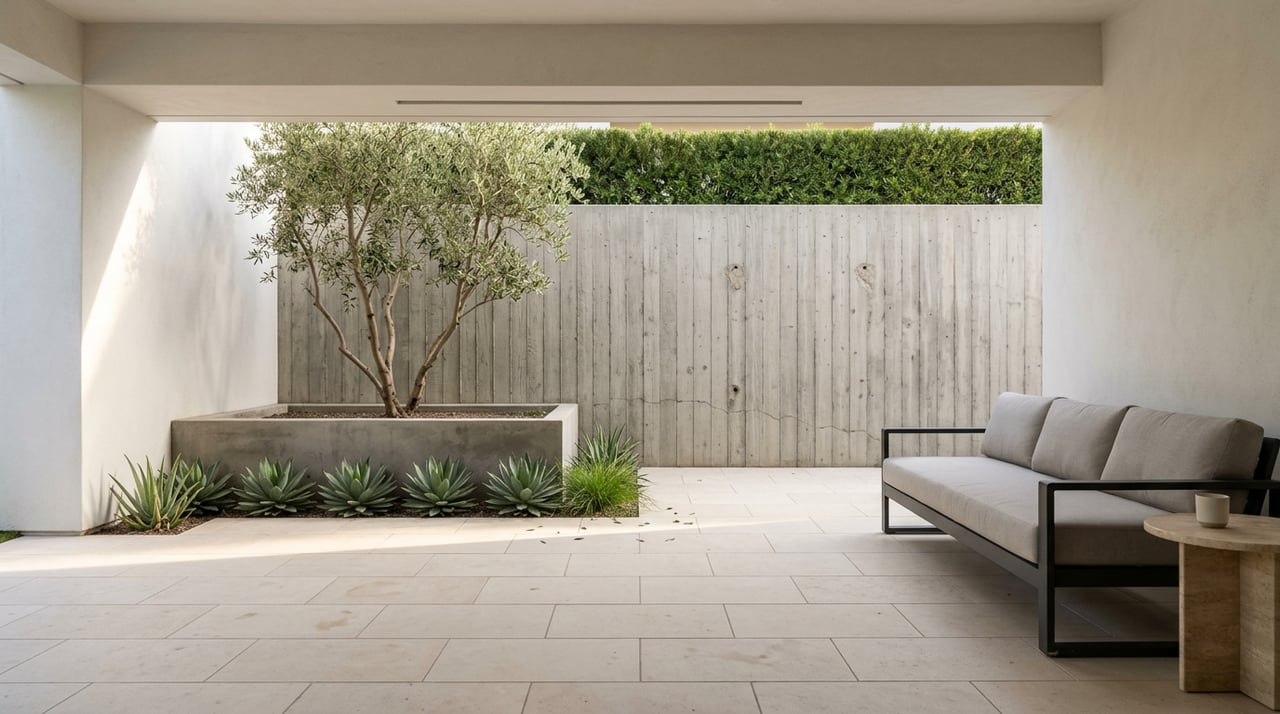
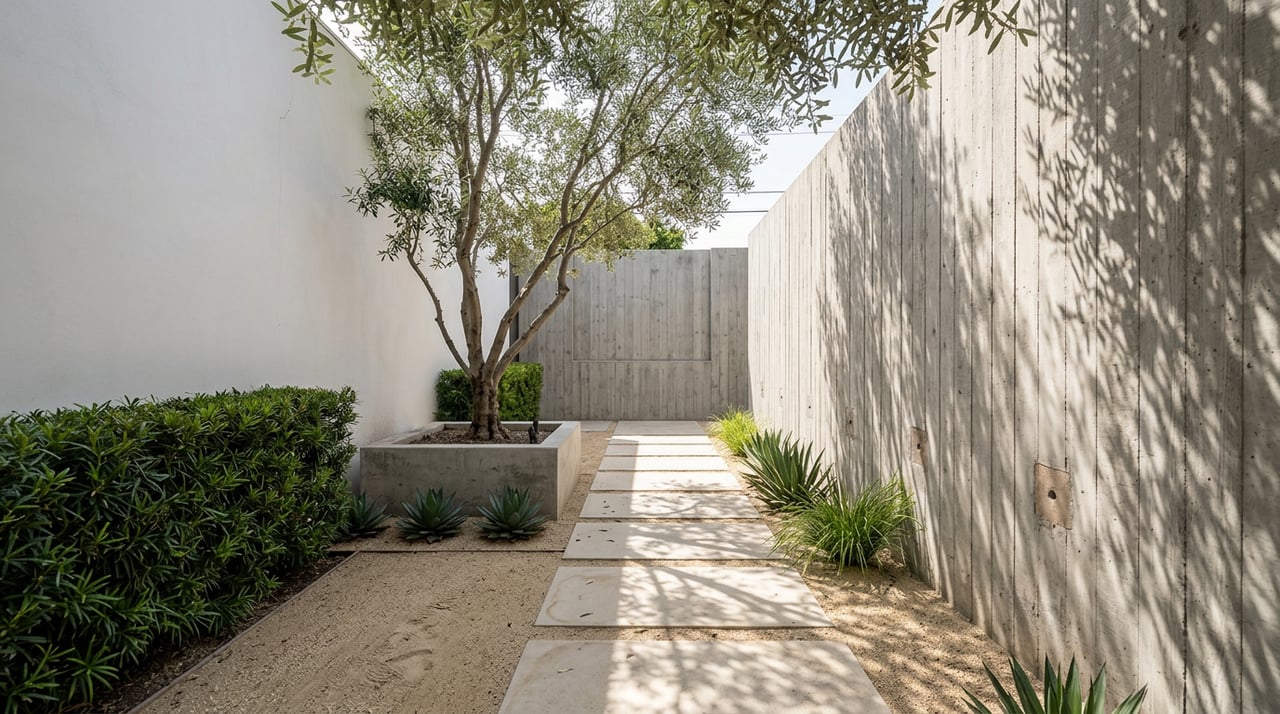
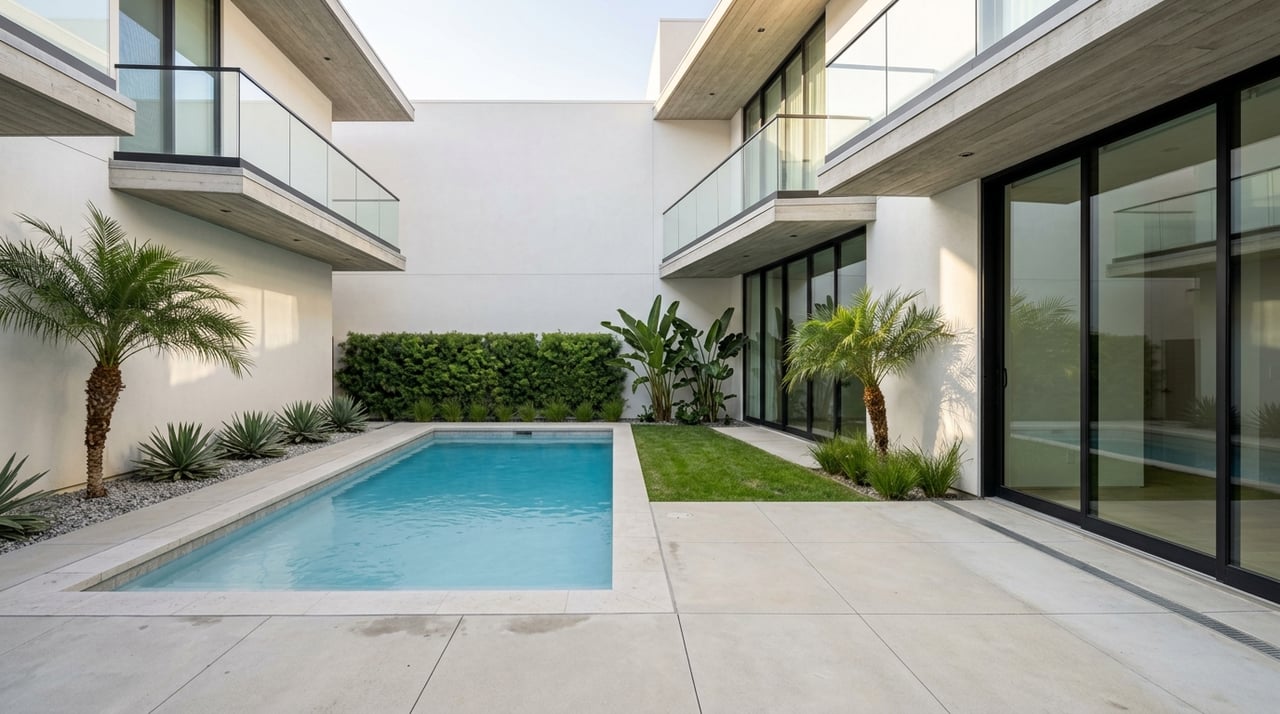
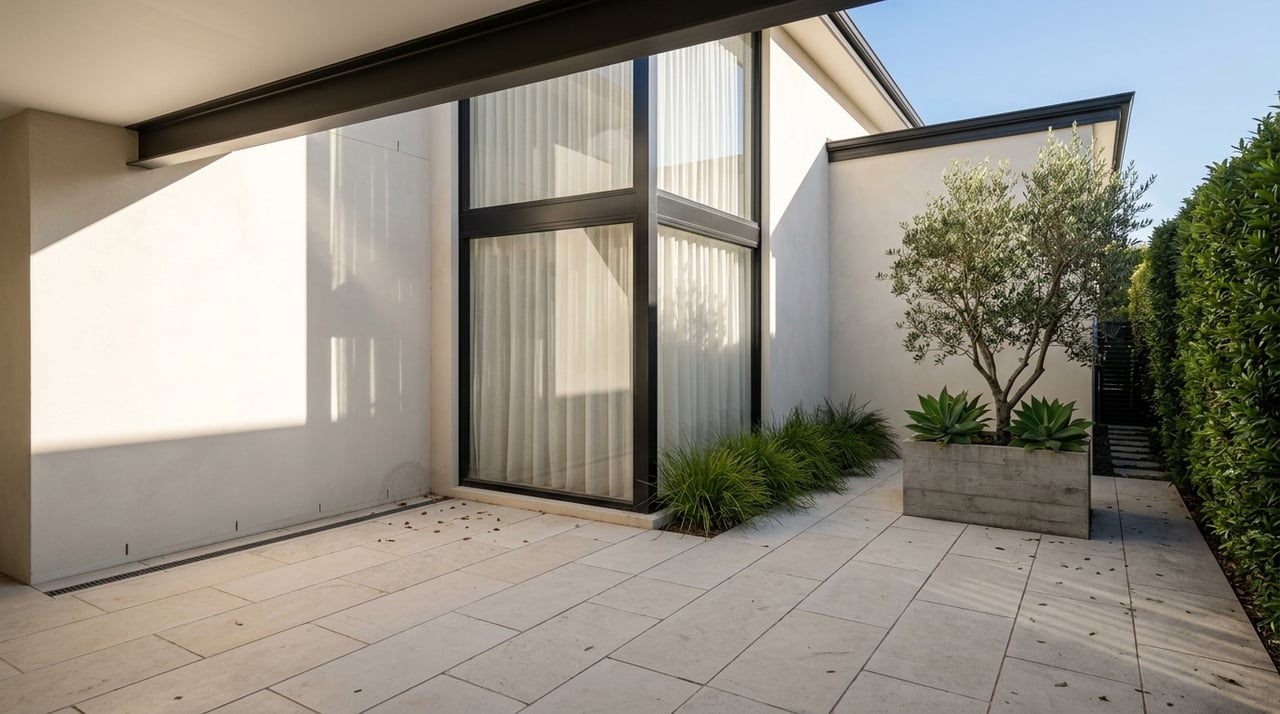
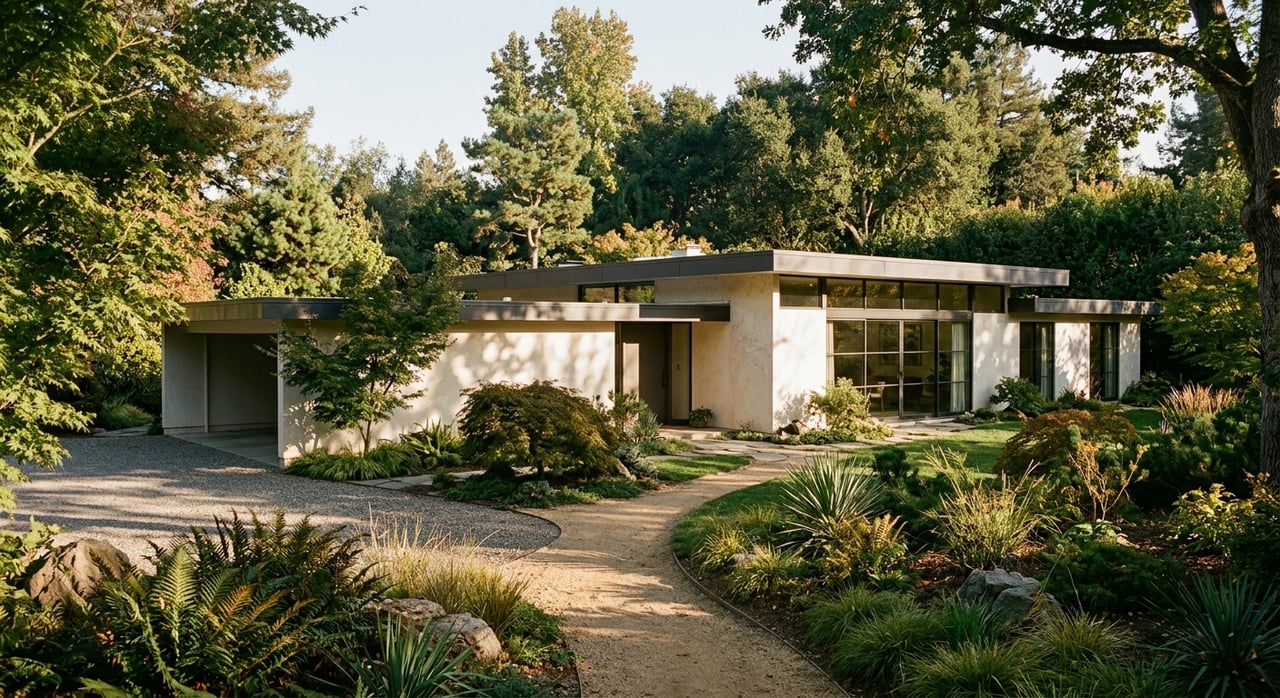
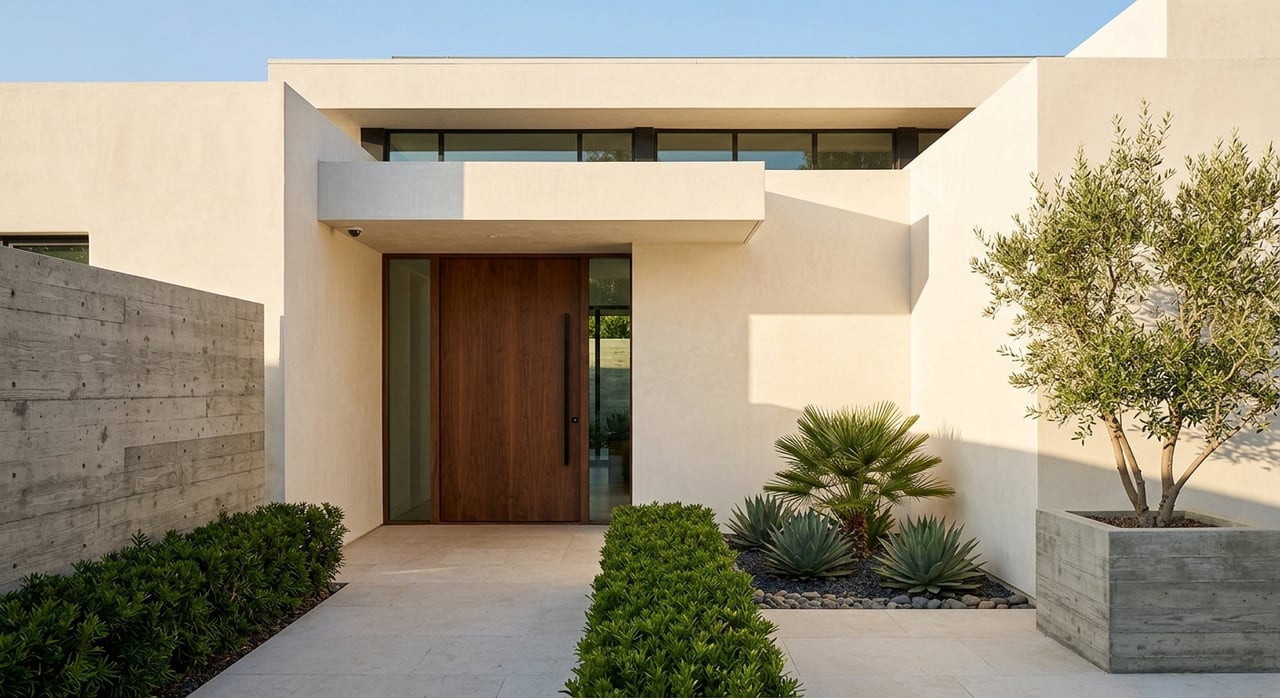
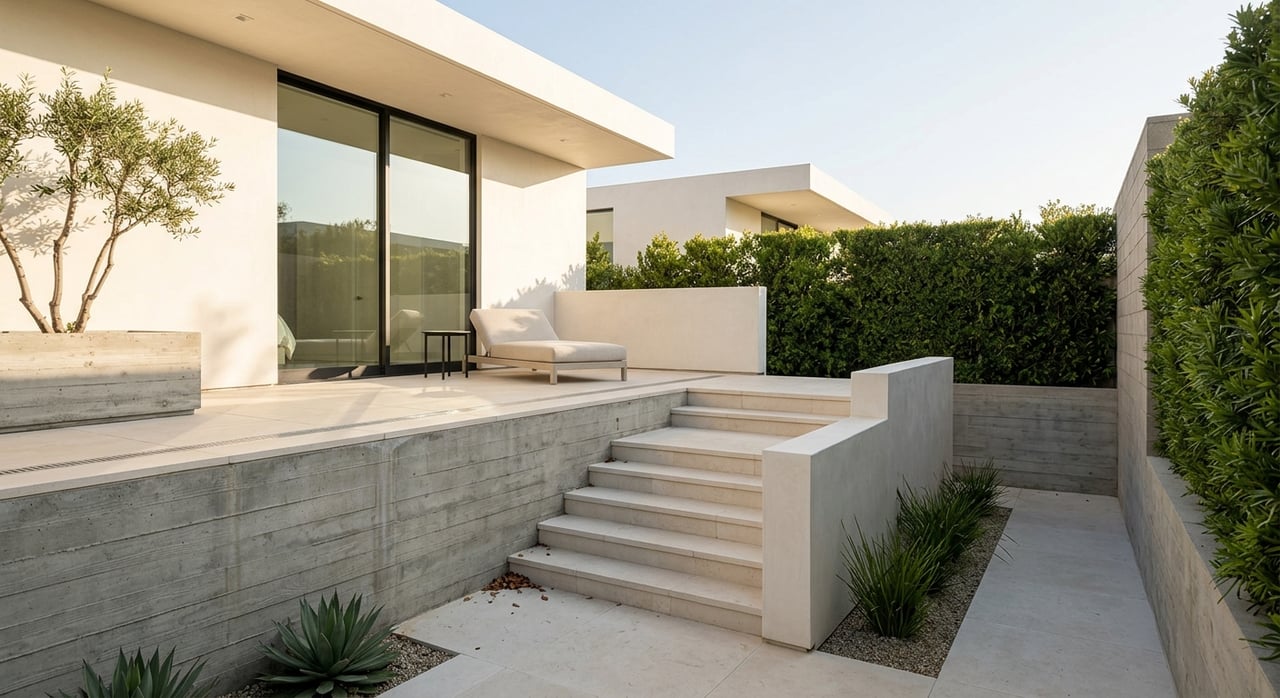
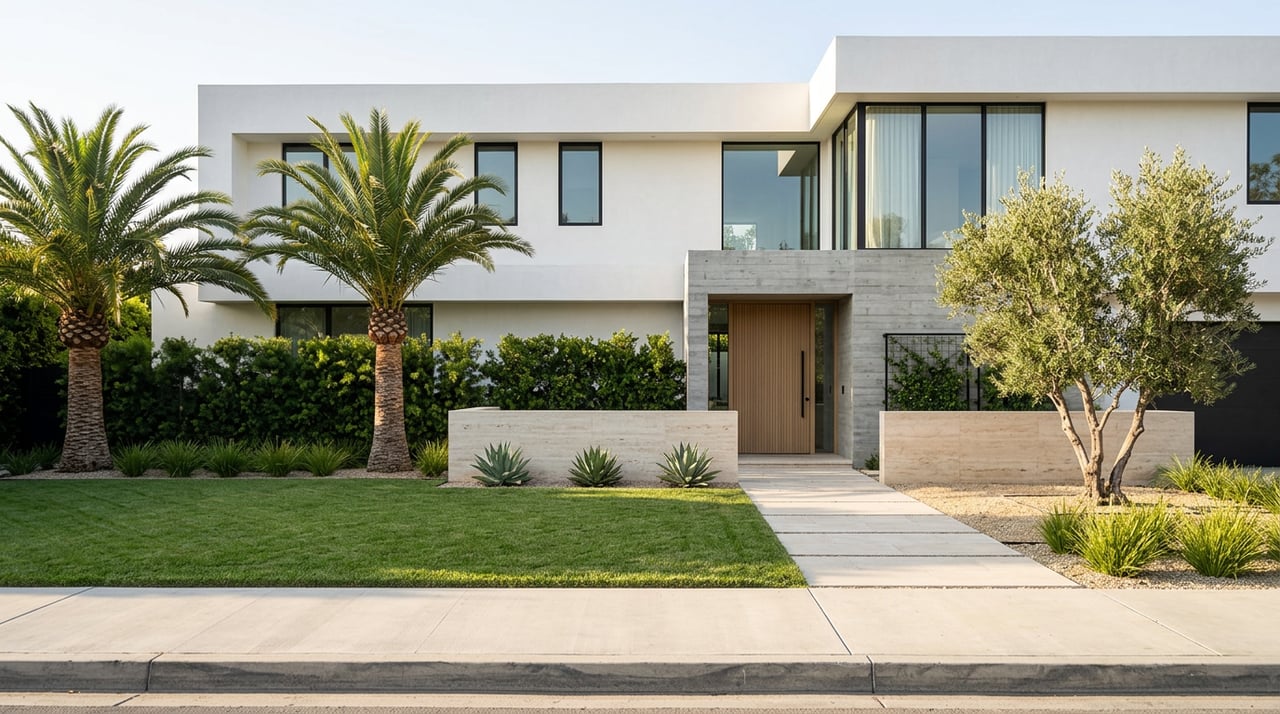
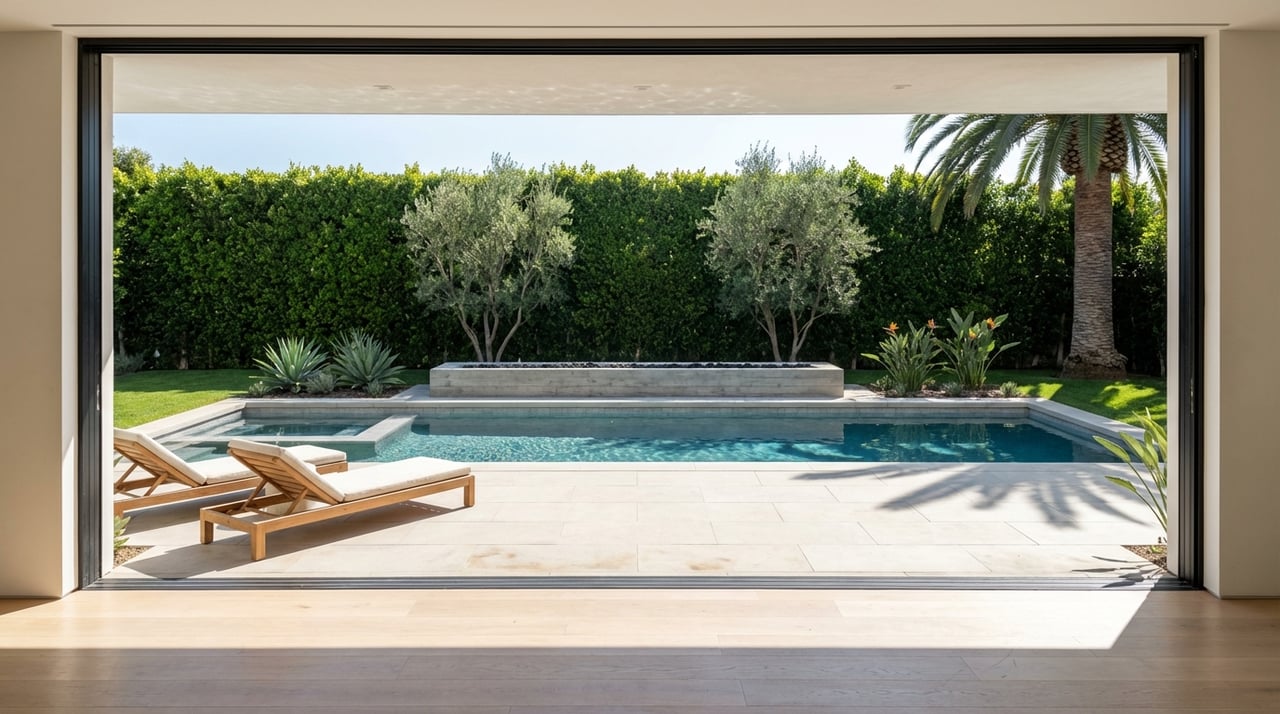
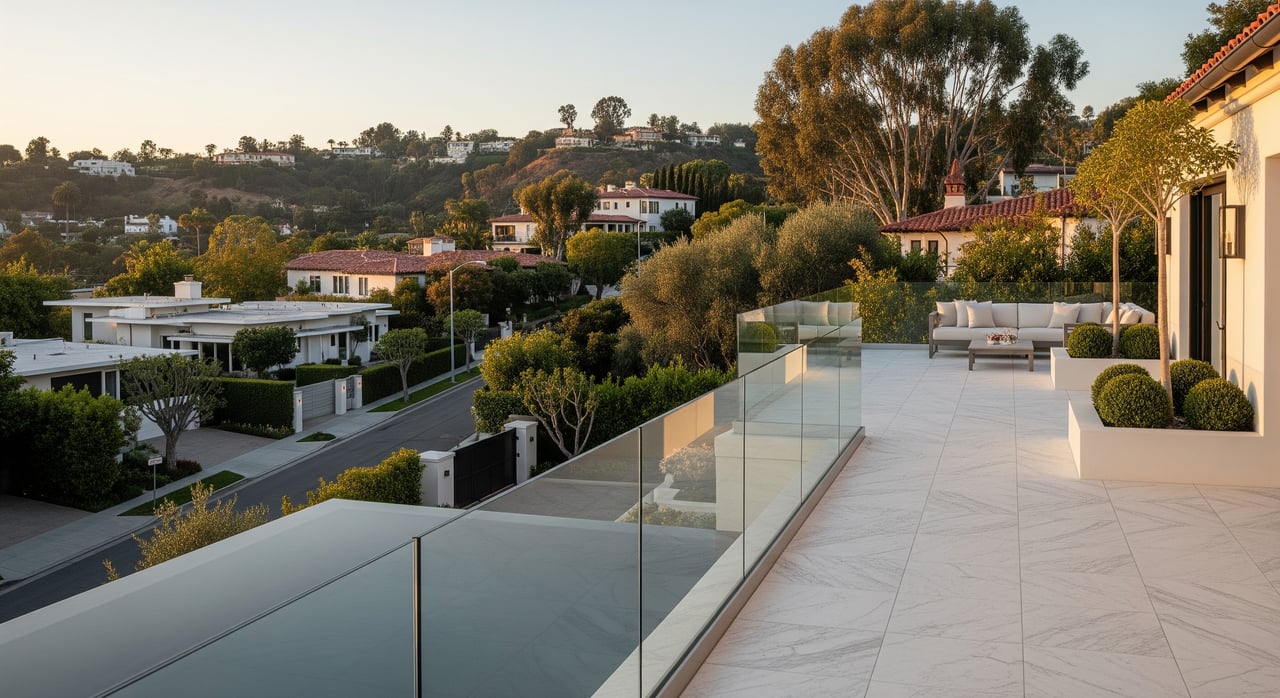
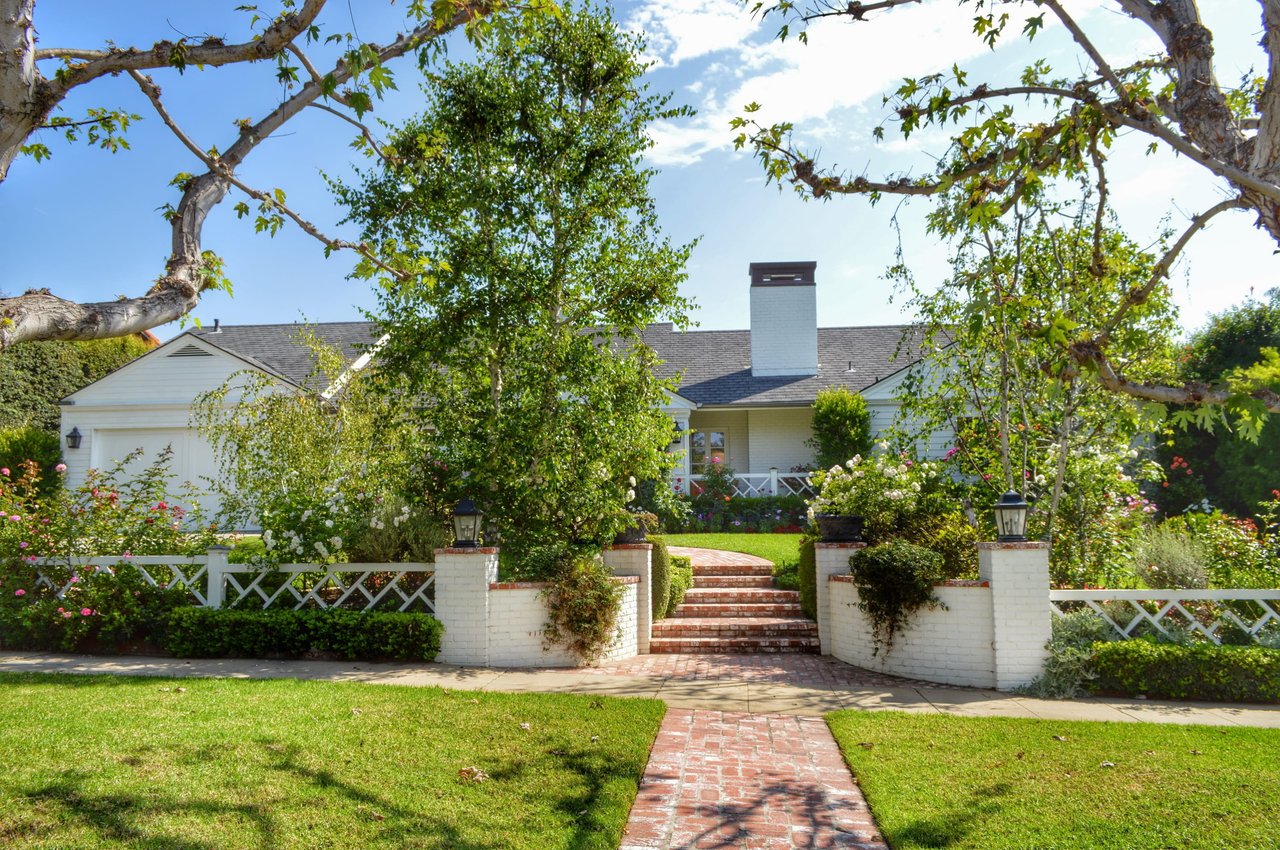
Bel Air is not a one-size-fits-all gated neighborhood. Historic planning materials describe it as a hillside district with winding streets, large estates, and many homes screened by walls or hedges. In many cases, privacy comes from the landscape and lot design as much as from any formal gate.
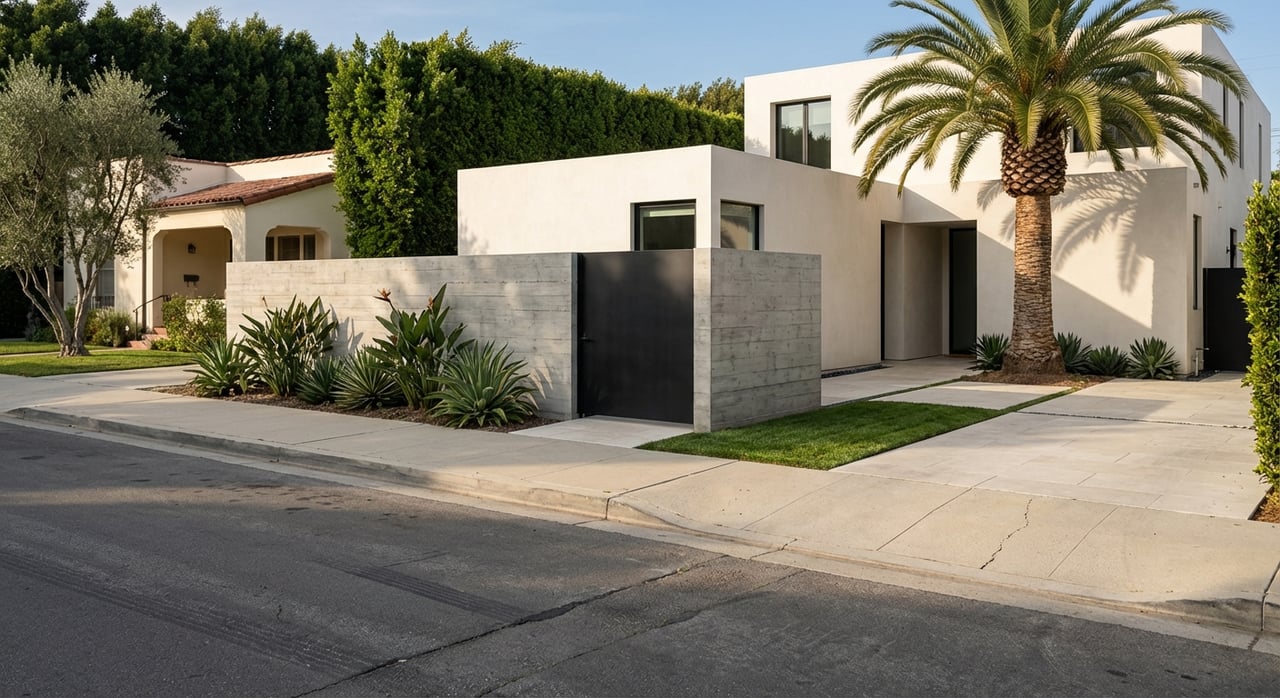
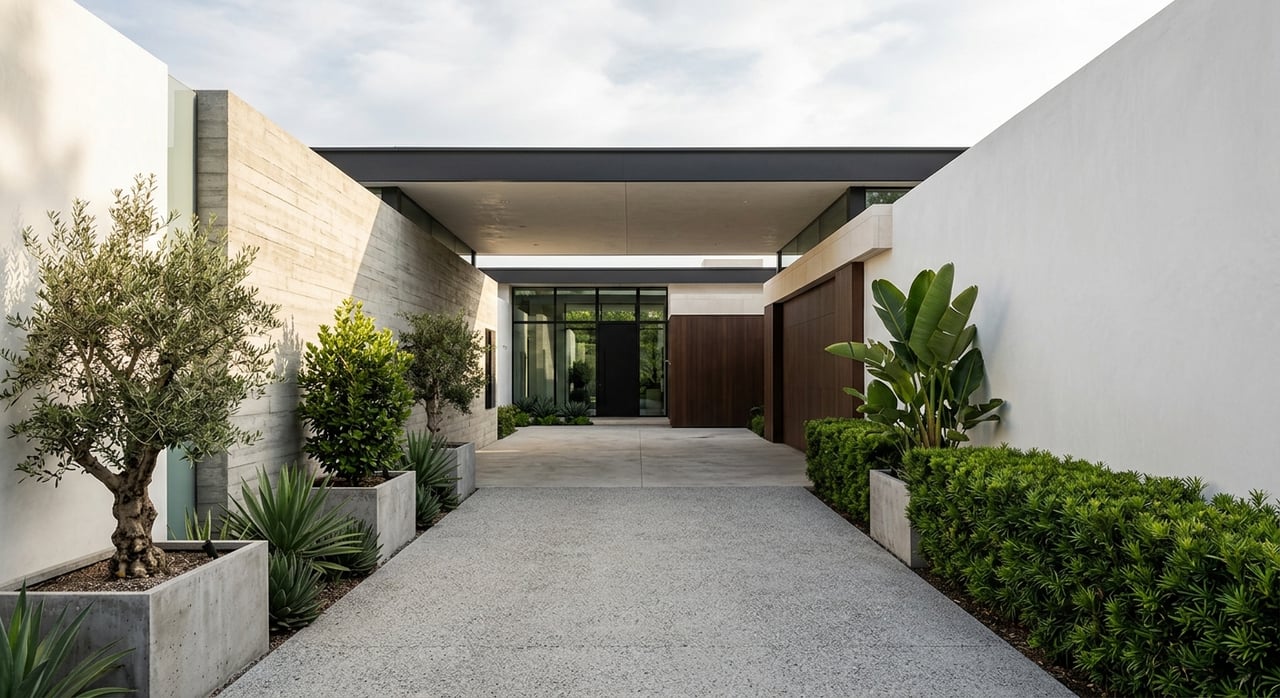
That distinction matters. Two homes may both feel private from the street, but one may sit on a public street with a gated driveway while another may be accessed by a private road easement or private street. The experience can feel similar, but the legal and financial details can be very different.
The City’s Bel Air-Beverly Crest Community Plan area covers about 9,900 acres, and the area includes multiple resident groups and associations. That fragmented structure is a good reminder that Bel Air does not operate under a single neighborhood-wide gate or one uniform set of rules.
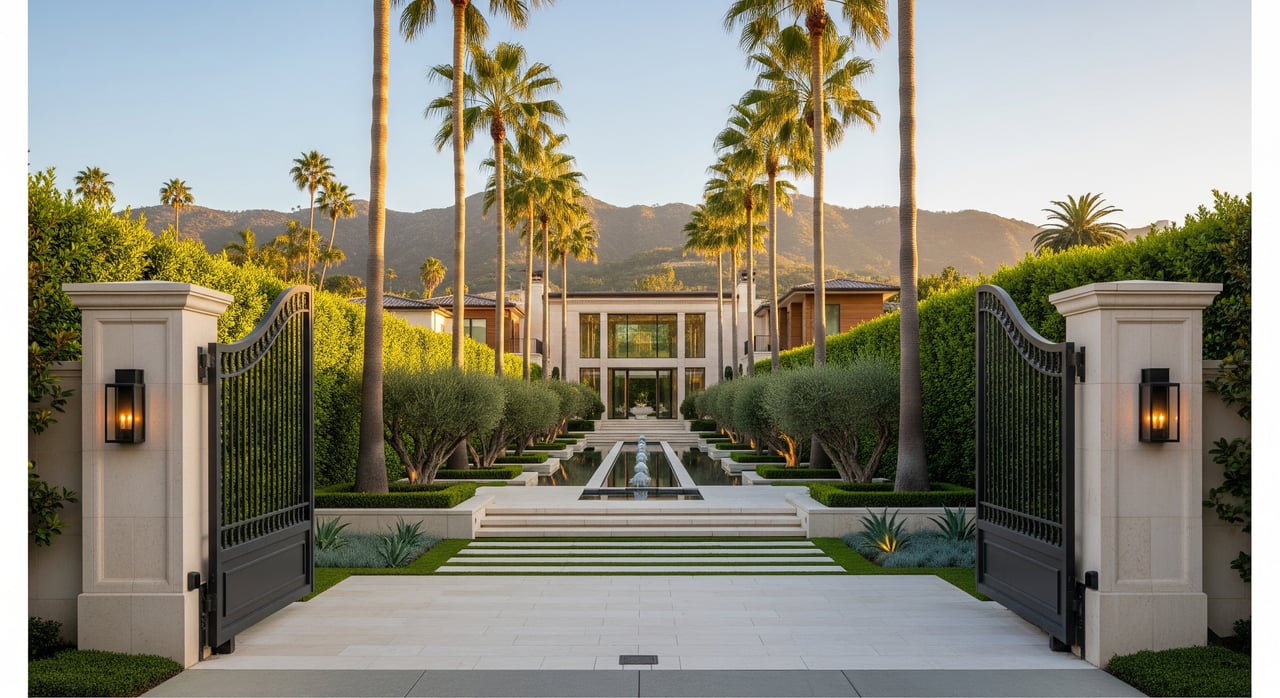
What “Gated” Means in Bel Air
In everyday conversation, people often use “gated” to describe any home or street with controlled access. In Bel Air, that can refer to several different setups.
You may see:
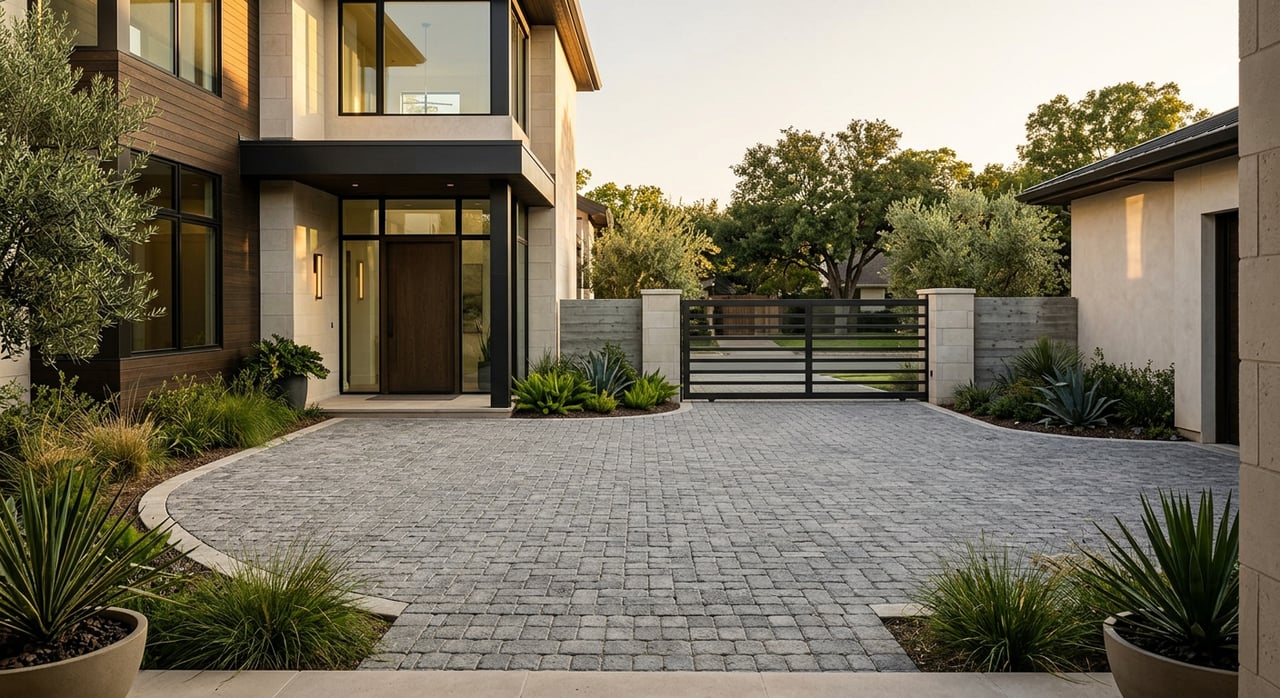
- A home on a public street with a private gate at the driveway
- A group of homes served by a private road easement
- A private street that has been determined adequate for access under City rules
- A planned development with shared common areas, rules, and resident amenities
The key point is simple: a gate alone does not tell you whether the road is public or private. Under Los Angeles zoning rules, a private road easement is not dedicated as a public street, while a private street is a private road easement that the City has found adequate for access.
Public Streets vs. Private Access
If you are buying in Bel Air, one of the first questions to ask is whether the access way is public, private, or exclusive-use. That answer can affect maintenance, gate approvals, and day-to-day responsibilities.
The Los Angeles Fire Department makes a clear distinction here. A public street right-of-way may not be closed by a security gate. By contrast, private streets, access roads, and fire lanes may be gated if they remain unobstructed and comply with fire access standards.
That is why a gated entrance in Bel Air does not automatically mean you are entering a private enclave in the legal sense. In some cases, the privacy you feel may come from topography, landscaping, and a secured driveway rather than from a broader private-street system.
Fire Access Shapes Private Enclaves
In hillside neighborhoods like Bel Air, emergency access is a major part of the equation. The community plan notes that fire roads matter in this area, but a fire road is not automatically the same thing as a public street.
For gated private access, the Los Angeles Fire Department reviews a range of physical standards. These include roadway width, turnarounds, turning radii, grade, overhead clearance, load capacity, parking restrictions, and secured entrances.
LAFD also requires specific features for certain gated private access points, including:
- A 20-foot clear roadway
- An adequate stacking lane
- An approved override device for powered gates
- Automatic opening if power fails
For you as a buyer or seller, this means a private gate is not just an aesthetic or privacy feature. It may also involve compliance conditions that affect how the property functions and what records you should review.
Who Maintains Roads, Gates, and Lighting?
One of the biggest practical questions in Bel Air is who pays for what. On a public street, you may assume the City handles ordinary street infrastructure. On private streets and shared access roads, that is often not the case.
The Los Angeles Bureau of Engineering says owners who want to improve a private street must obtain permits so the City Engineer can approve plans and inspect the work. StreetsLA’s routine maintenance role focuses on public infrastructure like city streets, sidewalks, curbs, and alleys, which suggests that many private roads and shared access features are maintained by owners or associations instead.
That can include more than pavement. Depending on the property or enclave, upkeep responsibilities may extend to:
- Entry gates and emergency-access hardware
- Landscaping along shared approaches
- Drainage elements
- Street lighting
- Walls or other access-related improvements
Street lighting can be another owner cost to review carefully. The Bureau of Street Lighting states that benefiting property owners may pay installation, operation, maintenance, and repair charges through assessments that appear on the L.A. County property tax bill.
HOAs and Associations Are Not All the Same
Some Bel Air properties fall within formal homeowner associations or planned developments, while others may rely on smaller neighborhood groups or more limited shared agreements. That structure can shape your monthly costs, rules, and long-term obligations.
California consumer guidance explains that HOAs enforce CC&Rs, bylaws, and rules. The DRE buyer guide also notes that HOA budgets commonly cover operating costs, maintenance, reserves, administration, and contingencies. Regular assessments typically fund ongoing operations, while special assessments may help cover major repairs or new common-area construction.
Bel Air offers real examples of these differences. The Bel-Air Association describes a focus on street and landscape maintenance, neighborhood watch and preparedness, security, and beautification. Bel Air Ridge, by contrast, is described as a planned development with 377 residences on roughly 100 acres, resident-only amenities, and committees tied to common-area landscape management and emergency preparedness.
Even within one area, access rules can be highly specific. For example, Bel Air Ridge’s private park gate locks at sunset, and resident access keys do not open it. That is a useful reminder that private amenities and access points may follow separate rules from roadway access.
Why Recorded Documents Matter
In Bel Air, the real story is often in the recorded documents. A property that looks straightforward from the curb may involve easements, exclusive-use rights, shared maintenance obligations, or association requirements that are not obvious at first glance.
The California DRE guide explains that in planned developments, common area can include portions of lots subject to mutual or reciprocal easement rights. It also notes that private yards, driveways, and parking spaces can be designated for exclusive use, with those rights appearing in the deed or other recorded documents.
That is why visual impressions should never be your only guide. Before you move forward, you want to understand not just how the property feels, but how access and responsibilities are legally structured.
Key Questions to Ask Before You Buy
If you are considering a home on a gated street or within a private enclave in Bel Air, a focused due diligence review can make a major difference. This is especially important in older estate sections, where privacy may come from walls, hedges, and gated driveways rather than one master gate.
Start with these questions:
- Is the access way a public street, private street, private road easement, or exclusive-use driveway?
- Who owns and maintains the road?
- Who is responsible for the gate, lighting, landscaping, drainage, and emergency-access hardware?
- Are there recorded easements that affect access or use?
- Are there CC&Rs, bylaws, or association rules that apply?
- Is there an HOA budget, reserve information, or any planned special assessment?
- Are there fire department gate approvals or fire-access conditions on file?
- Are there local security or access agreements tied to the property or street?
These are not small details. They help reveal the true carrying cost of ownership and can affect convenience, privacy, and future resale.
Why This Matters for Sellers Too
If you are preparing to sell in Bel Air, understanding your property’s access structure can help you position it more clearly and avoid confusion during escrow. Buyers in this market often want privacy, but they also want clarity about legal access, maintenance obligations, and association oversight.
Knowing whether your home benefits from a gated driveway, a private road easement, or a more formal private enclave helps shape accurate marketing and smoother buyer conversations. It can also help you prepare the right documents early, especially if there are gate approvals, easement records, or association materials a buyer is likely to request.
Bel Air Has No Single Template
The biggest takeaway is that Bel Air privacy is layered. It is often a blend of hillside topography, estate design, screened boundaries, recorded access rights, and association governance.
That nuance is part of what makes Bel Air so distinctive. It is also why careful, property-specific guidance matters when you are evaluating a home here. What looks like the same kind of privacy from the outside may rest on a very different structure underneath.
If you are exploring Bel Air and want discreet, neighborhood-specific guidance on private streets, gated access, or off-market opportunities, connect with Gina Martino for thoughtful, personalized support.
FAQs
What does a gated entrance mean for a Bel Air property?
- A gated entrance in Bel Air can mean a private driveway gate, access from a private road easement, or entry into a private street or planned development. The gate itself does not determine whether the road is public or private.
What is the difference between a public street and a private street in Bel Air?
- In Los Angeles, a public street is publicly dedicated infrastructure, while a private street is a private road easement that the City has determined is adequate for access. This difference can affect gating, maintenance, and emergency access requirements.
Who maintains private roads and shared access features in Bel Air?
- Maintenance often falls to owners or associations rather than the City. Responsibilities may include roads, gates, landscaping, drainage, lighting, and emergency-access equipment, depending on the recorded documents and community structure.
Do Bel Air private gates need fire department approval?
- Private gated access may need to meet Los Angeles Fire Department standards for roadway clearance, stacking, emergency override systems, and automatic opening on power failure. Buyers should ask whether any fire department approvals or conditions apply.
What documents should you review before buying in a Bel Air private enclave?
- You should review deeds, recorded easements, CC&Rs, bylaws, association rules, budget and reserve materials, possible special assessments, and any records related to gate approvals or shared access obligations.
Are all Bel Air gated areas run by one HOA or master association?
- No. Bel Air includes different associations, resident groups, and ownership structures, and governance can vary from one enclave or street to another.