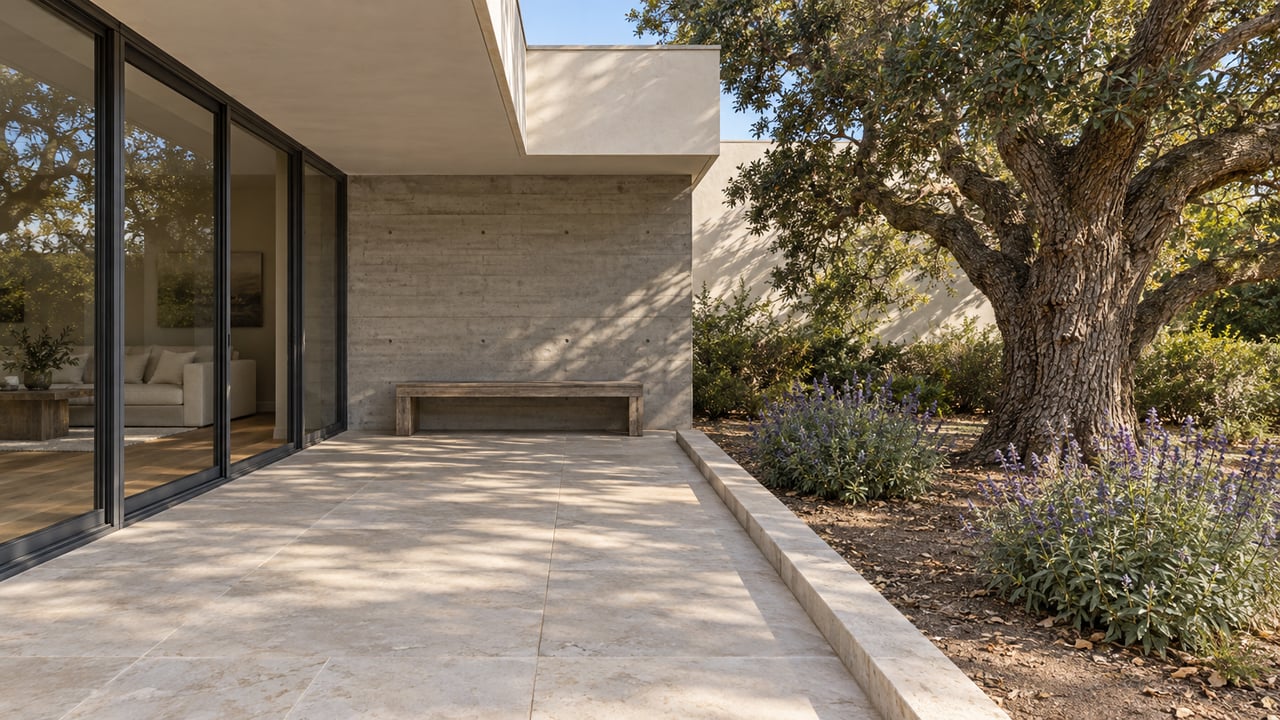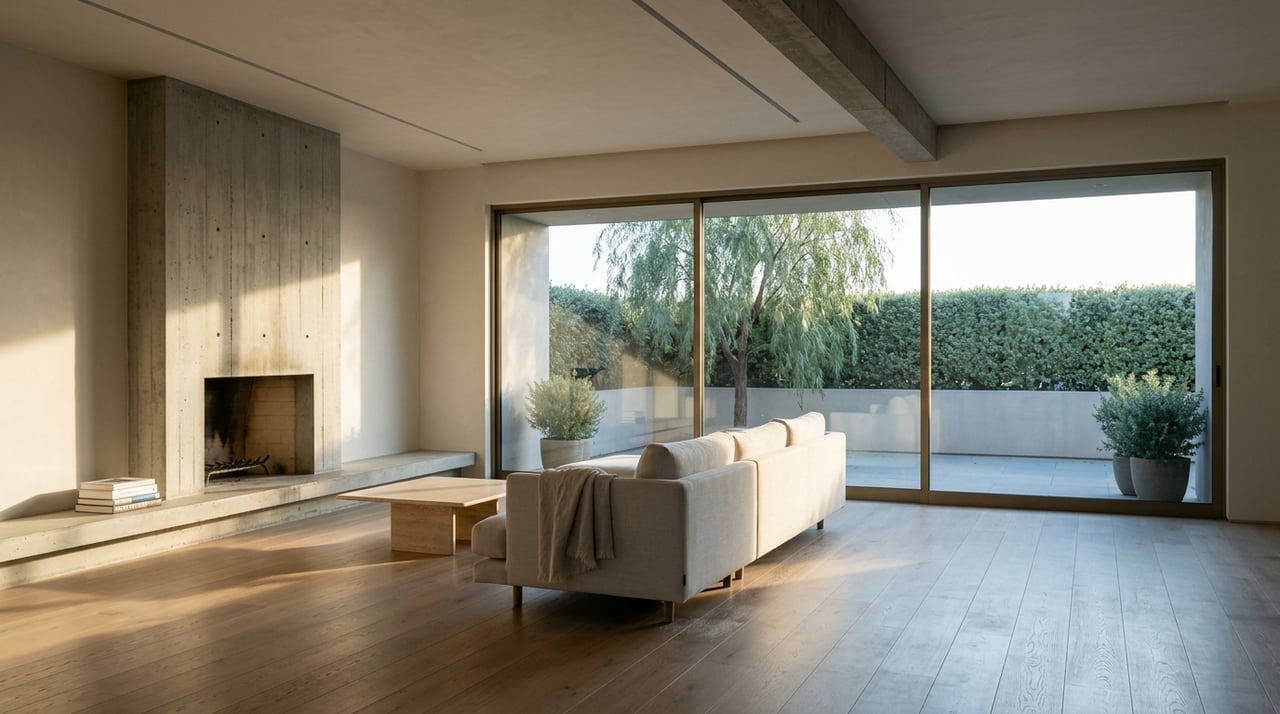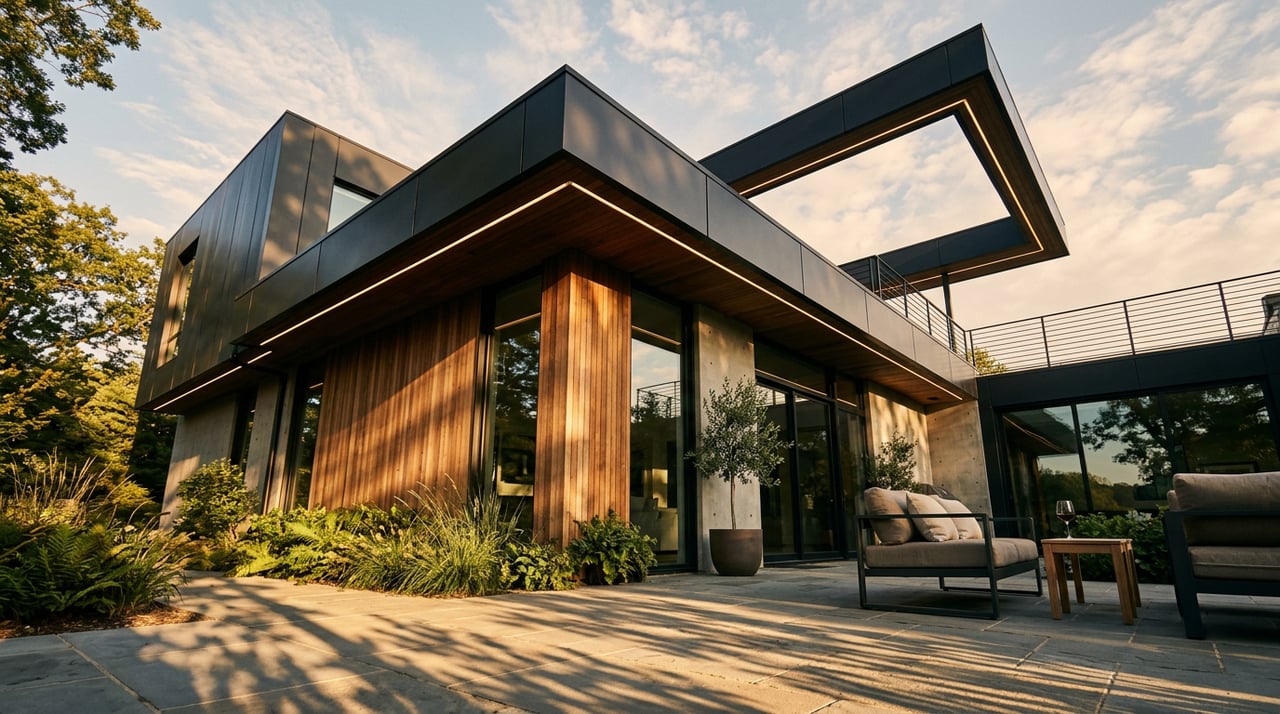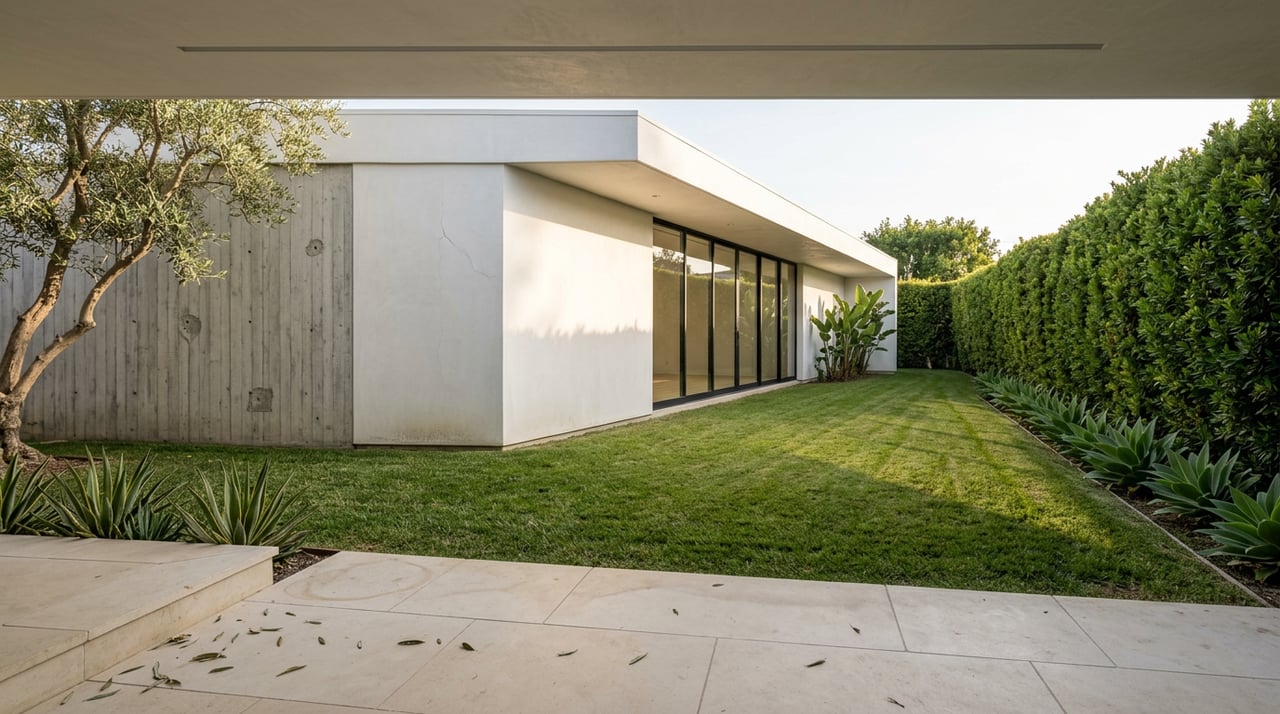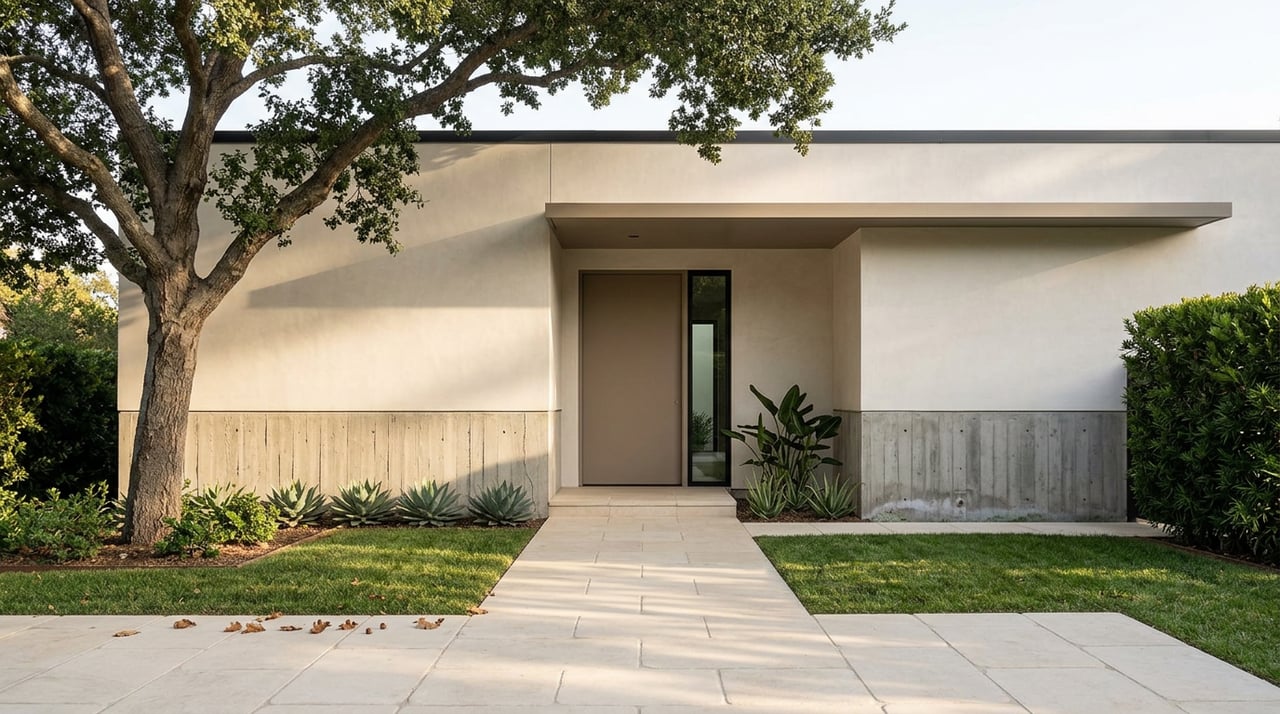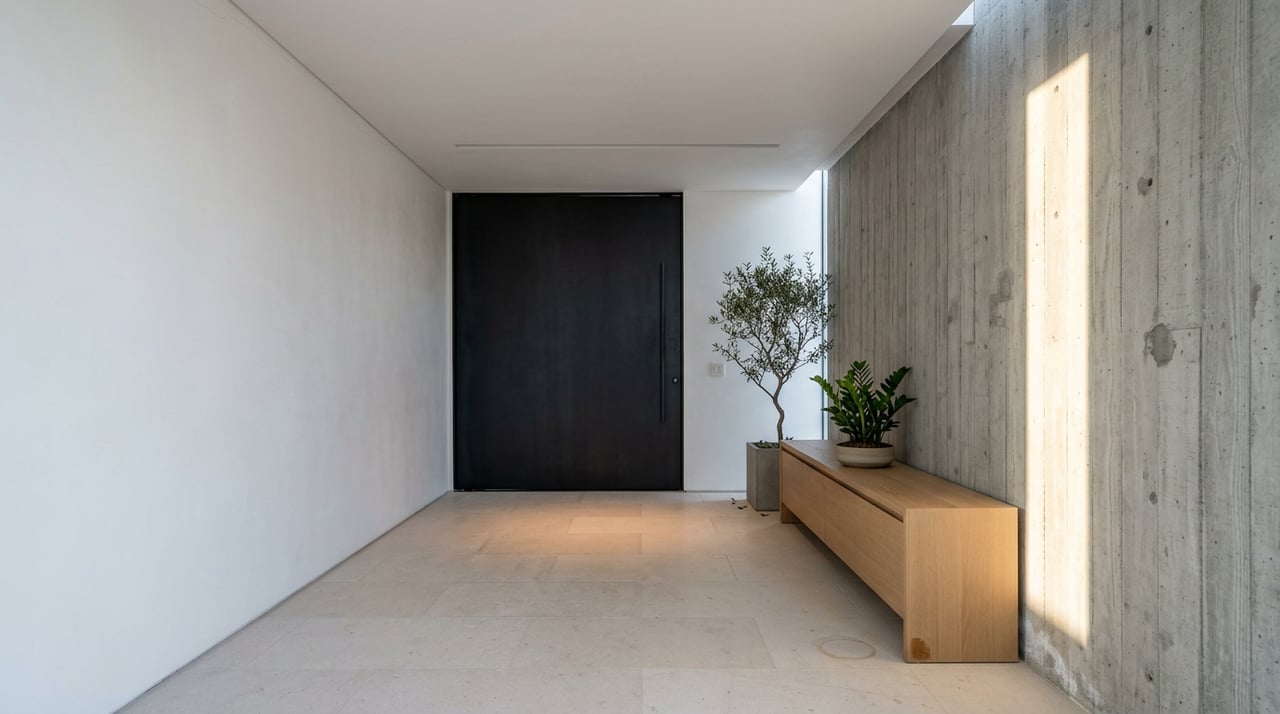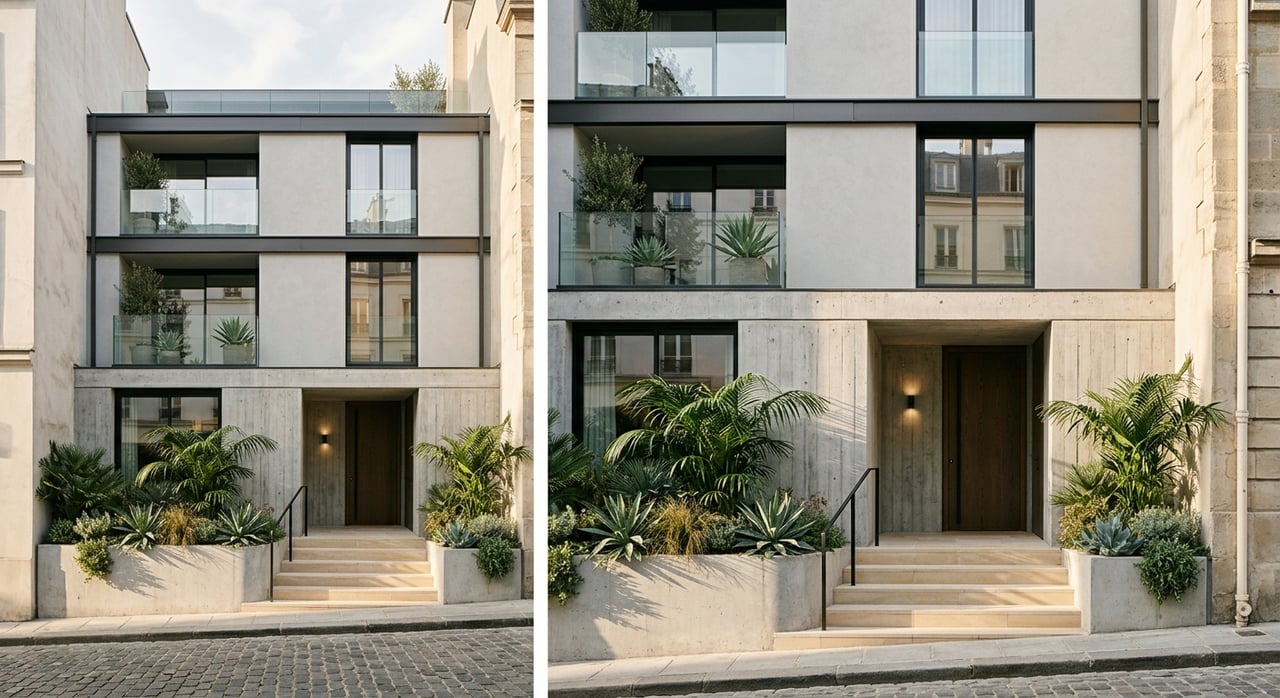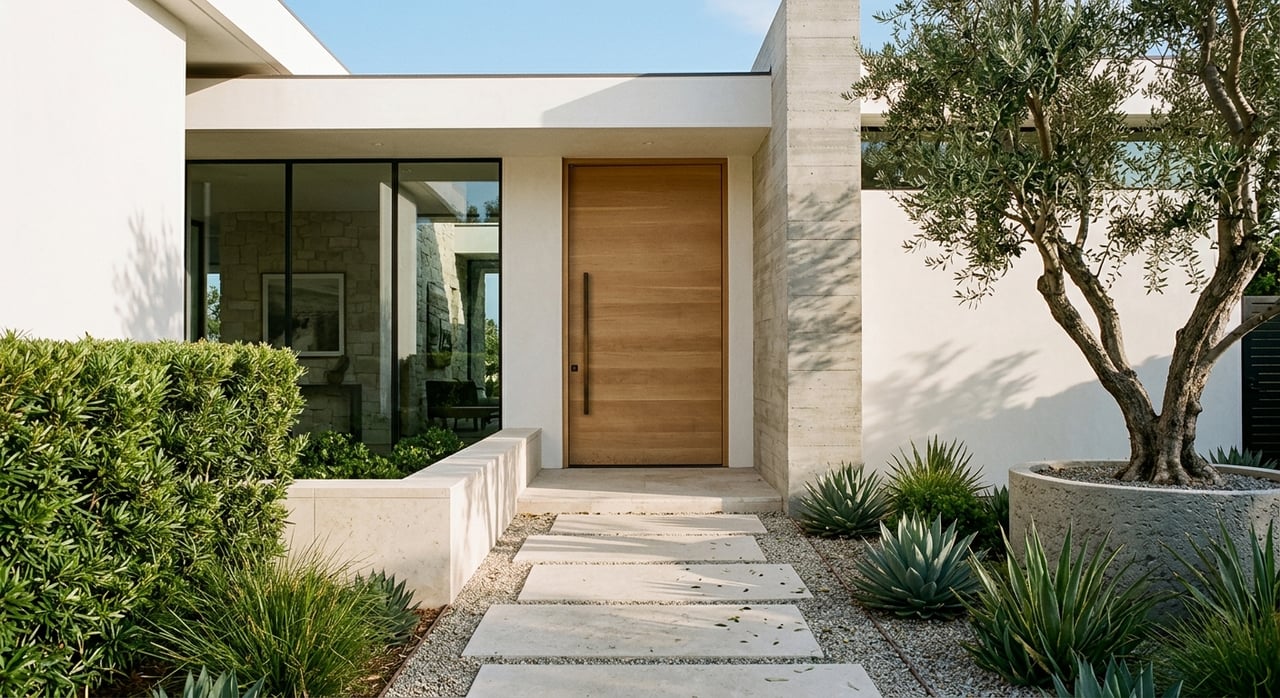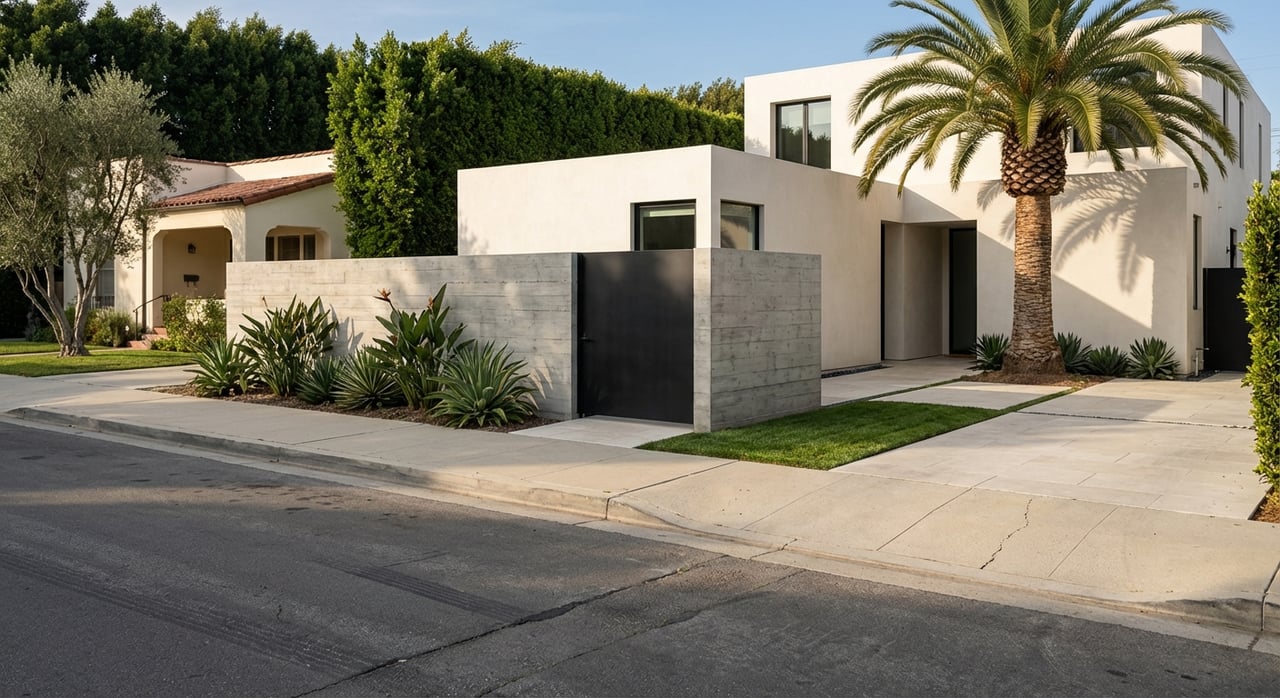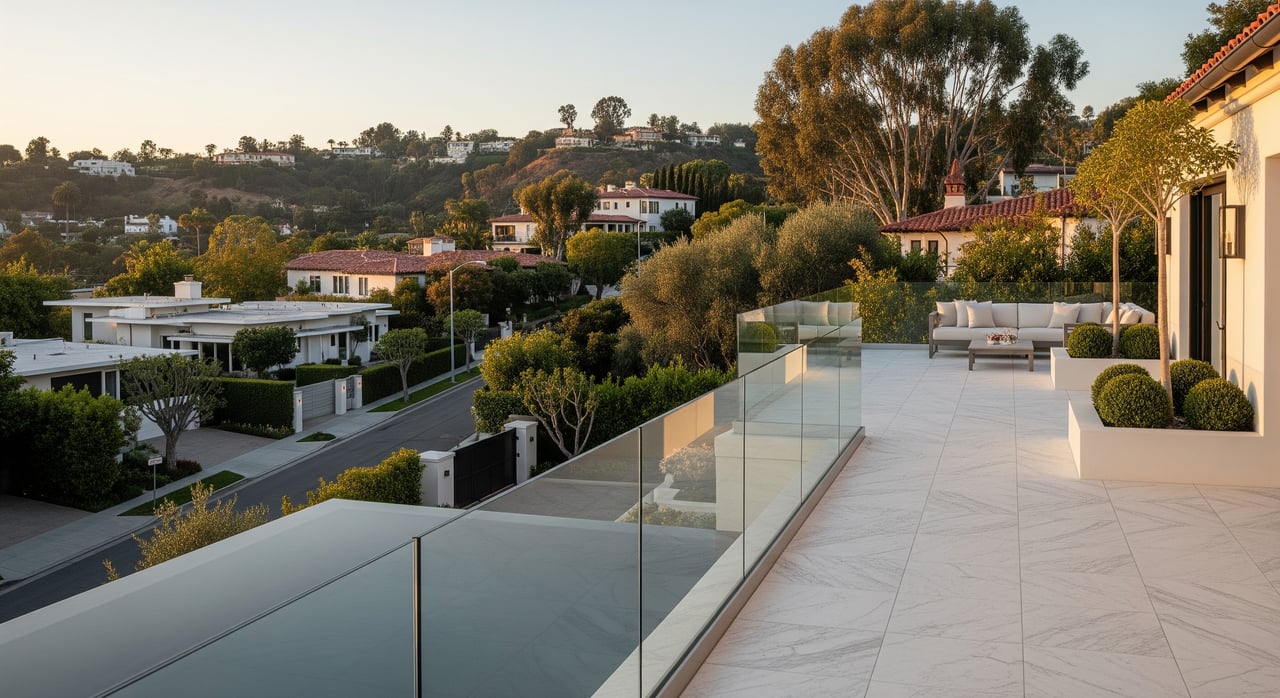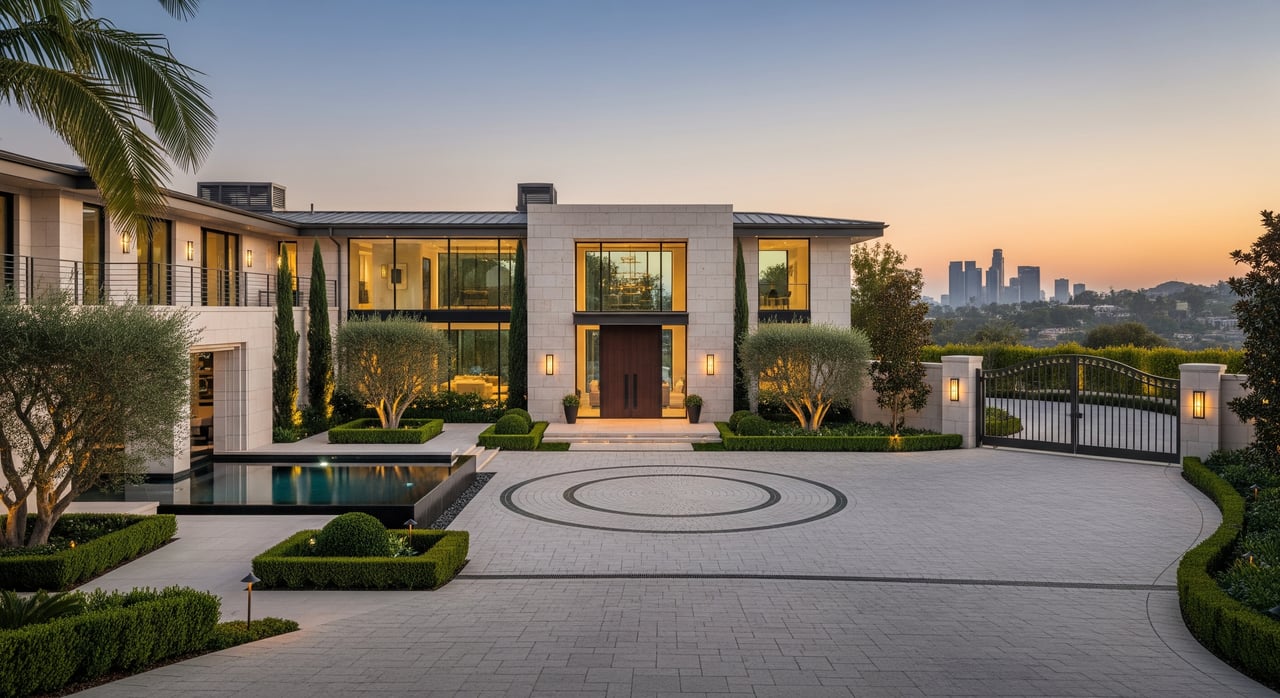
Two sellers list nearly identical properties this month, both priced at $6 million, both single-family homes on quiet residential streets. One is in Brentwood. One is in Beverly Hills. At closing, the Brentwood seller writes a check for $240,000 that the Beverly Hills seller never has to think about. Same price. Same buyer pool. Same market conditions. The only difference is which side of an invisible line the house happens to sit on.
That line is the boundary of the City of Los Angeles, and the tax is Measure ULA, the transfer tax voters approved in November 2022 and better known as the mansion tax. Most of Brentwood sits inside that boundary. Beverly Hills, as its own incorporated city, does not. If you are comparing these two neighborhoods on price alone, you are missing a cost that can run into six figures and that has nothing to do with the house itself.
The Line Is the Tax
Measure ULA took effect April 1, 2023, and it applies to real property sold within the City of Los Angeles once the price crosses a set threshold. For closings after June 30, 2026, that threshold sits at $5.4 million, taxed at 4 percent, with a second tier of 5.5 percent kicking in at $10.9 million. Both rates apply to the entire sale price, not just the amount above the line. The thresholds move each July based on the Chained Consumer Price Index, which is why the number keeps creeping up from the original $5 million and $10 million set in 2023.
Beverly Hills, Santa Monica, West Hollywood, and Culver City are each their own incorporated cities with their own transfer-tax rules, and none of them collect Measure ULA. A seller in the Beverly Hills flats closing at $8 million pays the standard county documentary transfer tax and nothing else. A seller in Brentwood at the same price pays that same base tax plus $320,000 to the city.
There is a wrinkle worth knowing if you are house-hunting by zip code. The area known as Beverly Hills Post Office, or BHPO, shares the 90210 zip code with the incorporated city but actually falls inside Los Angeles city limits. A BHPO address can look identical to a Beverly Hills proper address on a listing sheet and still owe the full ULA tax at closing. The zip code tells you nothing. The parcel map does.
| Sale Price | City of Los Angeles (Brentwood, Bel Air, BHPO) | Beverly Hills, Santa Monica, Culver City |
|---|---|---|
| $5.3 million | Base transfer tax only | Base transfer tax only |
| $6.0 million | Base tax + $240,000 (4% ULA) | Base tax only |
| $11.0 million | Base tax + $605,000 (5.5% ULA) | Base tax only |
What Brentwood Has Actually Paid
The city tracks this revenue by zip code, and the numbers put a real figure on what Brentwood sellers have absorbed. According to The Real Deal's August 2026 reporting on the ULA fund, the 90049 zip code, which covers Brentwood, has generated $125.5 million in ULA revenue across 240 transactions since the tax began. The neighboring 90077 zip, which includes Bel Air, Holmby Hills, and Beverly Glen, has generated $98 million across 108 transactions. Only Pacific Palisades has contributed more to the citywide fund than these two Westside zip codes.
That concentration is not an accident of geography. Measure ULA was pitched to voters in 2022 as a tax that would largely land on institutional and commercial transfers, office buildings, apartment complexes, mixed-use towers. In practice, single-family neighborhoods like Brentwood, Bel Air, and Pacific Palisades keep turning up among the highest-grossing zip codes for a fund that was framed as mostly hitting someone else's transactions.
The Cliff Nobody Prices In
Because the tax applies to the full sale price rather than just the amount above the threshold, a seller who prices at $5.39 million and one who prices at $5.41 million are in two entirely different tax universes. The first owes nothing. The second owes 4 percent of the whole $5.41 million, more than $216,000, for crossing a line by twenty thousand dollars.
This is why pricing strategy near the threshold has become its own conversation in Brentwood listings. A seller sitting on an appraisal that lands at $5.5 million has to weigh whether accepting an offer at $5.35 million, just under the line, nets more than chasing the higher number and losing over $200,000 of it to the city. The math does not always favor the higher price, and any agent running comps for a Brentwood estate in this range should be building that net-proceeds table before the listing goes live, not after an offer arrives.
Why Fewer Signs Are Going Up
The tax has changed what sellers do, not just what they pay. The Real Deal reported in July 2026 that high-end remodel permits have risen 46 percent since Measure ULA took effect, with much of that activity concentrated in Sherman Oaks, Encino, Bel Air, and Brentwood. Owners who might have sold are instead reinvesting in the home they already own.
One Brentwood case illustrates the logic directly. A homeowner planned to list, but once the combined cost of the ULA tax and standard agent commission was projected to consume roughly 11 percent of the sale proceeds, the calculation flipped. Rather than give that money away at closing, the owner put it into the existing house.
That decision, multiplied across a neighborhood, helps explain a pattern that otherwise looks like pure demand. Single-family inventory in Brentwood has been described as sitting at a three-year low in 2026, with well over half of sales closing above asking price. The instinct is to read that as buyers simply wanting Brentwood more than they used to. Some of that is true. But a tax that makes staying put more attractive than selling is a supply story as much as a demand story, and it is one that rarely shows up in a market report that only tracks closed transactions.
The November Wildcard
None of this is fixed in stone through the rest of 2026. A statewide ballot measure called the Local Taxpayer Protection Act, backed by the Howard Jarvis Taxpayers Association, was certified in May 2026 for the November 3 ballot. If voters approve it, every municipal real estate transfer tax in California would be capped at 0.05 percent of sale price, a fraction of what Measure ULA currently charges. On a $6 million Brentwood sale, that would mean a difference between a $240,000 city tax bill and a $3,000 one.
Separately, and on a much narrower track, the Los Angeles City Council voted 13 to 1 to place a measure on the same November ballot that would exempt Pacific Palisades fire victims from Measure ULA for five years on properties tied to the January 2025 fire. That measure would not touch Brentwood directly, but it signals that even within the coalition that built ULA, there is now appetite to carve out exceptions when circumstances warrant it.
Anyone weighing a Brentwood sale between now and the end of the year is effectively deciding whether to price in current ULA costs or wait to see what voters do. Waiting carries its own cost in carrying expenses and market timing risk. There is no version of this decision that removes the tax question from the table.
What This Means If You're Comparing Neighborhoods
If you're evaluating Brentwood against Beverly Hills, Bel Air, or Pacific Palisades on price alone, a few things are worth building into that comparison before you get attached to a number:
- Confirm which side of the city boundary a specific property sits on. Zip code is not proof. A parcel search or a conversation with an agent who checks jurisdiction as a matter of habit will save you from a surprise at closing.
- If you're selling above roughly $5 million in Brentwood, ask for a net-proceeds table built around the $5.4 million and $10.9 million breakpoints before you set a list price, not after an offer comes in.
- If you're buying, remember that a Brentwood seller's net proceeds are lower than the sale price suggests, which sometimes creates room for negotiation that a Beverly Hills seller in the same price range simply doesn't have.
- Watch the November ballot. A change to the statewide transfer-tax cap would shift the calculus for anyone with a Brentwood sale in the wings for early 2027.
FAQ
Does Measure ULA apply to a Beverly Hills Post Office address? Yes. BHPO addresses share the 90210 zip code with the incorporated city of Beverly Hills but fall inside Los Angeles city limits, which means they are subject to ULA the same as any other City of Los Angeles property.
Is the ULA tax calculated only on the amount above the threshold? No. Once a sale crosses $5.4 million, the 4 percent tax applies to the entire sale price, not the portion above the line. The same is true at the $10.9 million tier, where the rate jumps to 5.5 percent on the full amount.
Could Measure ULA be repealed before I sell? It's possible but not decided. A statewide measure that would cap all municipal transfer taxes at 0.05 percent is on the November 2026 ballot. Until voters weigh in, the current thresholds and rates remain in effect for any transaction that closes.
If you're weighing a Brentwood sale against a move to Beverly Hills, Bel Air, or another Westside neighborhood, the tax line matters as much as the comp sheet. Gina Martino works these boundaries block by block and can walk you through what a specific property actually nets before you commit to a list price. Reach out to receive exclusive off-market listings and a straight answer on where your address stands.