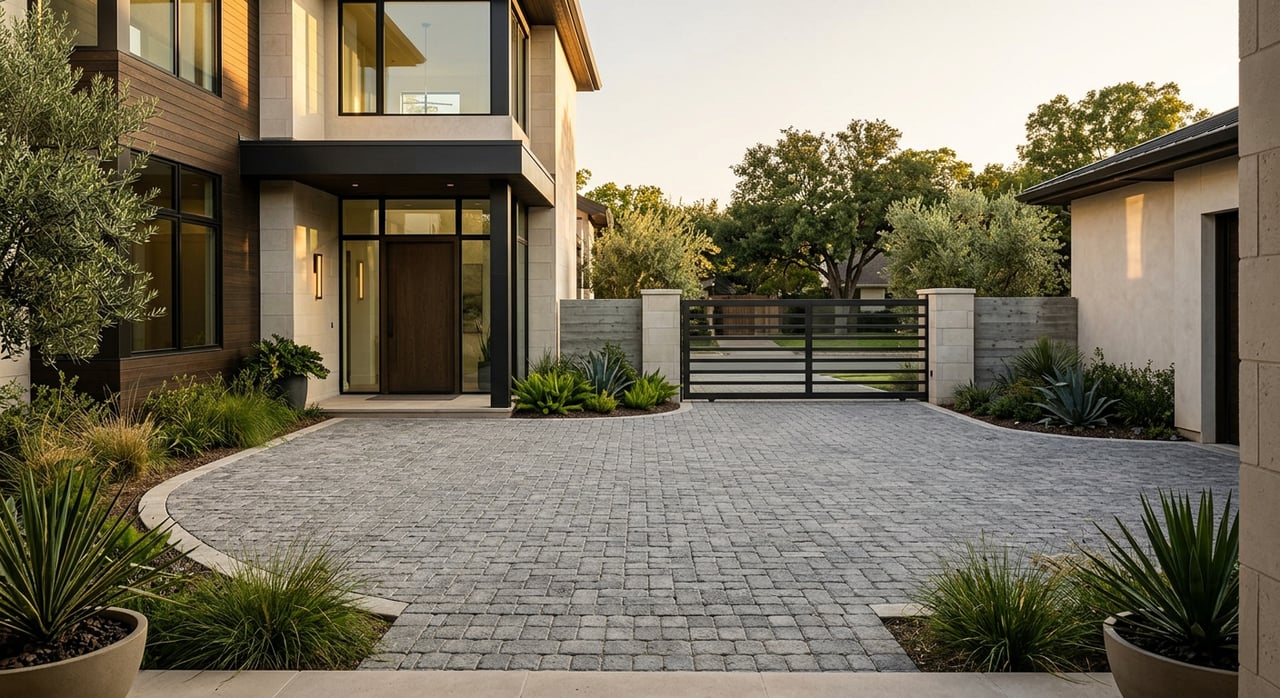
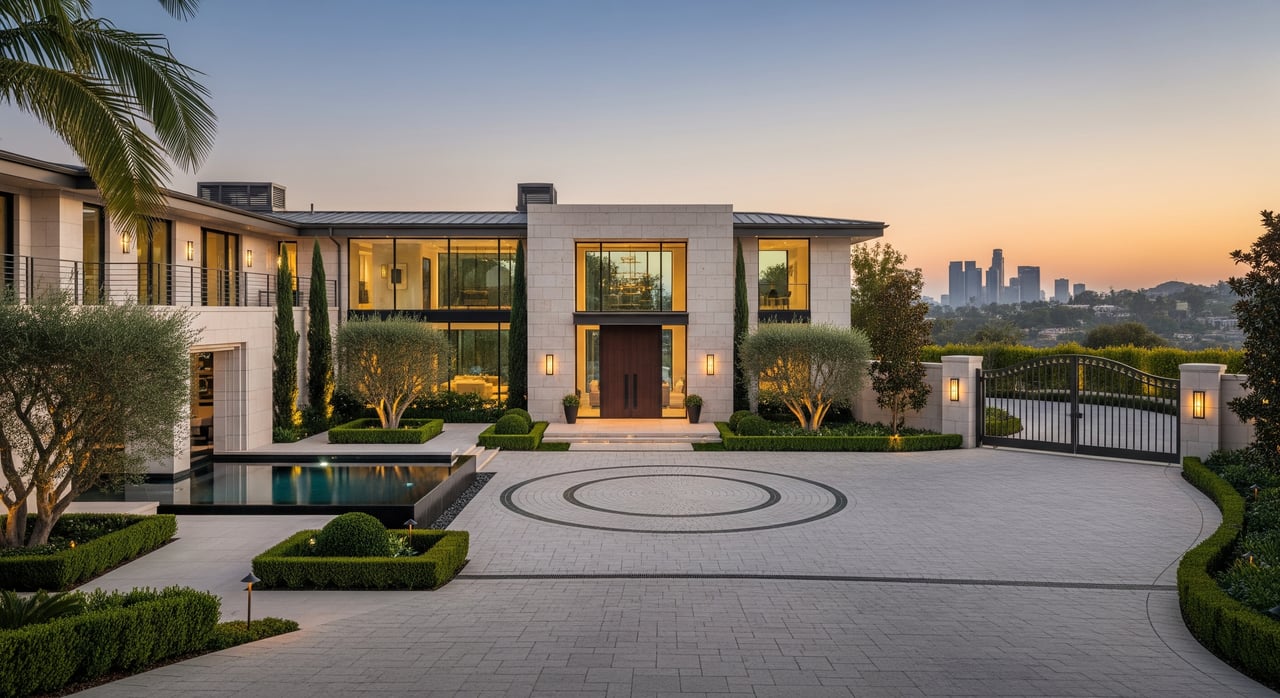
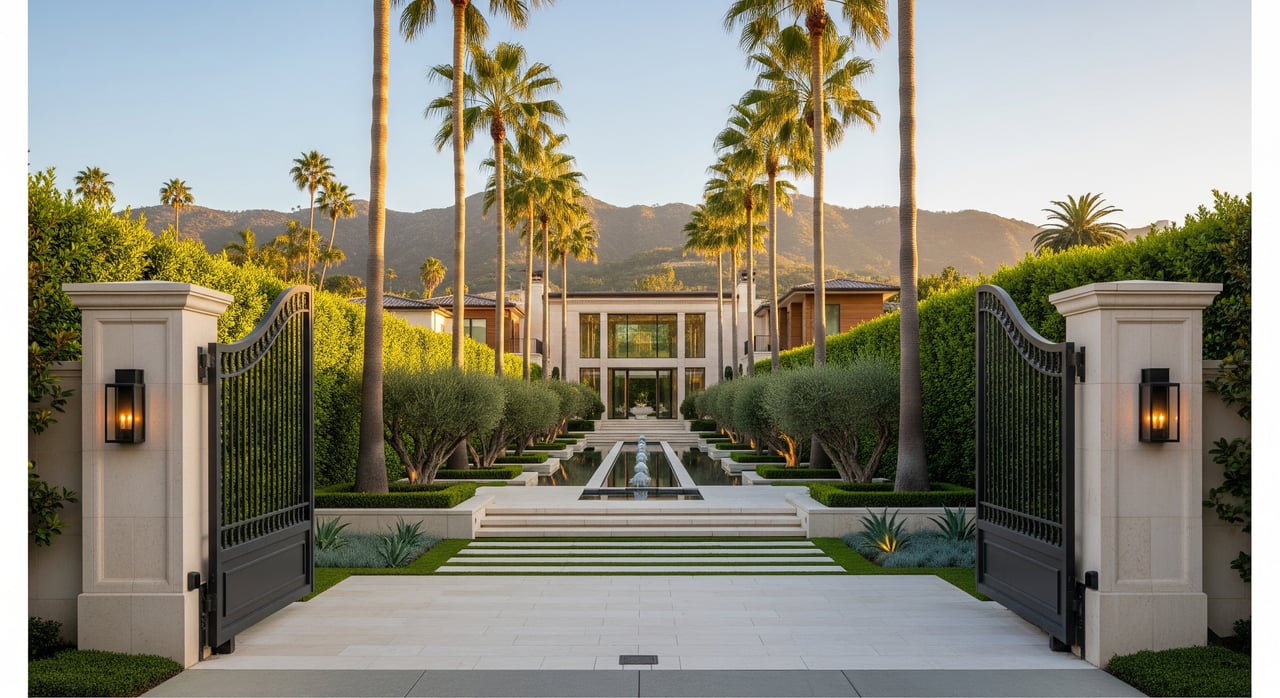
A buyer we know recently put two Bel Air properties side by side. Both listings used the same word in the first line of the marketing copy: gated. Both showed a guardhouse or a keypad in the photos. Both sat within a mile of each other, off the same stretch of road north of Sunset.
Then escrow opened. For one property, the title company returned a binder: CC&Rs, an audited HOA budget, a reserve study, meeting minutes going back years. For the other, there was nothing to return, because there was no HOA to ask. The gate in the second listing wasn't backed by an association. It was backed by a private road, a handful of neighbors, and a civic group.
Same word. Two entirely different products. That gap is the thing worth understanding before you write an offer in Bel Air, because it explains more about pricing, comps, and what you're actually buying than the neighborhood name ever will.
Behind Every Bel Air Gate Is a Different Rulebook
Bel Air isn't one gated community. It's a handful of them, plus a much larger stretch of legacy estate streets that only look like they belong to the same system. The differences aren't cosmetic.
- Bel Air Crest is the closest thing to a classic guard-gated subdivision. It runs under a homeowners association, with a 24-hour guard gate, a clubhouse with a fitness center and catering kitchen, four lighted tennis courts, basketball courts, putting and chipping greens, and a children's playground. The Canyon Homes section was built in the early 1990s by Prestige Homes across six floor plans, each named for a museum: the Louvre, the Getty, the Hermitage, the Metropolitan, the Romani, and the Prado, which replaced an earlier plan called the Tate. Lots run small by Bel Air standards, averaging around 8,000 square feet with no side-yard setbacks, which is part of why the community reads more like a planned enclave than a scattering of individual estates.
- Bel Air Glen dates to the 1970s, with roughly 220 detached single-family homes spread across more than 100 acres. Security here runs on patrols rather than a continuous guard gate, and the amenity package includes tennis courts, a pool, a jacuzzi, a fitness center, a clubhouse, trails, and a small park. Dues have shown up on at least one recent listing around $505 a month, though the association's own materials have cited a different figure at times, which is exactly why current escrow documents matter more than anything printed in a brochure.
- Bel Air Ridge is the most amenity-dense of the three planned communities, with 377 residences (205 attached townhomes and 172 detached homes) on about 100 acres, six tennis courts, two pools, a spa, a clubhouse, and a private park. It behaves less like a trophy estate market and more like a well-run planned community where floor plan and condition matter as much as the address.
- Old Bel Air, Bel Air Estates, and the East Gate corridor carry none of the above. There is no master HOA across the board. What exists instead is the Bel-Air Association, a nonprofit civic group founded from the original 1923 tract that developer Alphonzo Bell carved out with oil money from his Santa Fe Springs property. Membership runs $550 a year per property, and it goes toward neighborhood watch, wildlife watch, and the upkeep of common-area islands and parks rather than private street repair or gate security. Some streets in this part of Bel Air do carry older, recorded architectural guidelines that predate the association, and owners planning construction on those streets may still need to submit plans, a tree report, and a staging plan for trucks and workers. But that review process sits apart from any HOA reserve fund, because there isn't one.
If you're comparing a listing in Crest to one in Old Bel Air, you're not comparing two homes in the same market segment with different finishes. You're comparing two different ownership structures that happen to share a ZIP code.
Why the Same Word Covers a Guard Gate and a Private Road
Part of the confusion is that Bel Air, for all its physical seclusion, is not actually its own jurisdiction. It sits entirely within the city of Los Angeles, patrolled by LAPD's West LA station and served by LAFD Station 71. Every city ordinance that applies anywhere else in Los Angeles applies here too, including the rules that govern private streets. The city's own SurveyLA historic resources survey of the Bel Air-Beverly Crest area found that a meaningful number of properties were difficult to access from the public right-of-way precisely because they sat behind private streets or within gated developments, a distinction that matters for inspectors, delivery drivers, and contractors long before it matters for security.
That survey also flagged two historic districts within legacy Bel Air, the Bel Air Estates Residential Planning District and the Stone Canyon Road Residential Historic District, both reflecting the Tudor Revival, Spanish Colonial Revival, Mediterranean Revival, and ranch architecture that went up when Bell's original tract was subdivided. Those streets were never built with a master HOA in mind. The gates at the East and West entrances predate the concept of a reserve-funded association by decades. What grew up instead, gradually, was the Bel-Air Association, a group with real civic influence over land use advocacy.
So when a listing says gated, it's telling you something true about the street. It's not telling you who, if anyone, is contractually responsible for keeping that gate working.
What This Does to the Median You See Online
This structural split shows up in the price data too, and it explains a spread that otherwise looks like noise. Closed-sale medians reported for Bel Air across late 2025 and the first half of 2026 have clustered mostly in the $3.25 million to just over $6 million range depending on the trailing window: Redfin's three-month figure through June 2026 put the closed median at $3.4 million, a separate market tracker cited $3,255,500 as of February 2026, and one closed-sales analysis of Q1 2026 CRMLS data placed the range at $4.8 million to $6.2 million once lot position and renovation level were factored in.
List-price figures for the same stretch of time tell a different story. A market update covering the November and December 2025 sales period put the median list price at roughly $8.1 million against a median sold price closer to $3.7 million in that same window. Another mid-2026 estimate put the median closer to $7.49 million, describing it as driven by gated estates with sweeping views.
That gap between what sellers ask and what actually closes is usually explained away as simple overpricing. In Bel Air, the enclave structure gives it a more specific explanation. Homes in Crest, Glen, and Ridge are legible products: comparable floor plans, HOA-verified square footage, dues and reserves an appraiser can document, and a track record of trading close to list within a defined band. Legacy estates on Old Bel Air and East Gate streets are one-off assets with no comparable twin two doors down and no HOA paper trail to lean on. They get listed at aspirational numbers, sit longer, and either come down in price or move quietly off-market, which is exactly the kind of transaction Gina Martino's team tends to see before it ever reaches a public median.
Before You Write the Offer
A few things worth confirming before you get attached to a specific street:
- Ask which of the four models applies, by name, not by the word gated. If the answer is Bel Air Crest, Glen, or Ridge, request the current CC&Rs, the most recent reserve study, and the HOA's operating budget rather than relying on what an old listing or a neighbor's recollection says the dues are.
- If the street falls under Old Bel Air, Bel Air Estates, or the East Gate corridor, confirm in writing that no HOA exists and understand that Bel-Air Association membership, at $550 a year, is a civic donation, not a fund that will show up to repave the road or fix a gate motor.
- Pull comps from inside the same enclave. A Bel Air Ridge townhome and an Old Bel Air estate a half mile apart are not useful comps for each other, even if both listings use the word gated in the first sentence.
- If renovation is part of the plan, ask about street width and access before you assume a standard construction timeline. Hillside streets in this part of Los Angeles are held to specific paving and clearance standards, and a narrow private road can add real time to a project that would move faster somewhere with a standard city street.
FAQ
Does every gated property in Bel Air have an HOA? No. Bel Air Crest, Bel Air Glen, and Bel Air Ridge operate under homeowners associations with dues and reserve funds. Much of Old Bel Air, Bel Air Estates, and the East Gate corridor has no master HOA at all, and relies instead on the Bel-Air Association for civic advocacy and common-area upkeep.
Why do median home price figures for Bel Air vary so much between sources? Closed-sale medians and list-price medians are measuring different pools of homes. Planned communities with HOAs tend to sell closer to list, while unique legacy estates get listed high and either sell after adjustment or move off-market, which pulls the two kinds of medians in opposite directions.
Is Bel Air technically part of the city of Los Angeles? Yes. Despite its secluded feel, Bel Air is fully within Los Angeles city limits, served by LAPD's West LA station and LAFD Station 71, and subject to every city ordinance that applies elsewhere in the city.
Bel Air rewards buyers who ask which gate they're actually walking through before they fall for the view. If you're comparing enclaves and want a read on which streets are trading close to list, which are sitting, and which never make it to a public listing at all, Gina Martino can walk you through the current inventory enclave by enclave. Receive Exclusive Off-Market Listings to see what's moving before it reaches the portals.
This article is general information, not legal, tax or financial advice. Consult a qualified professional about your situation.