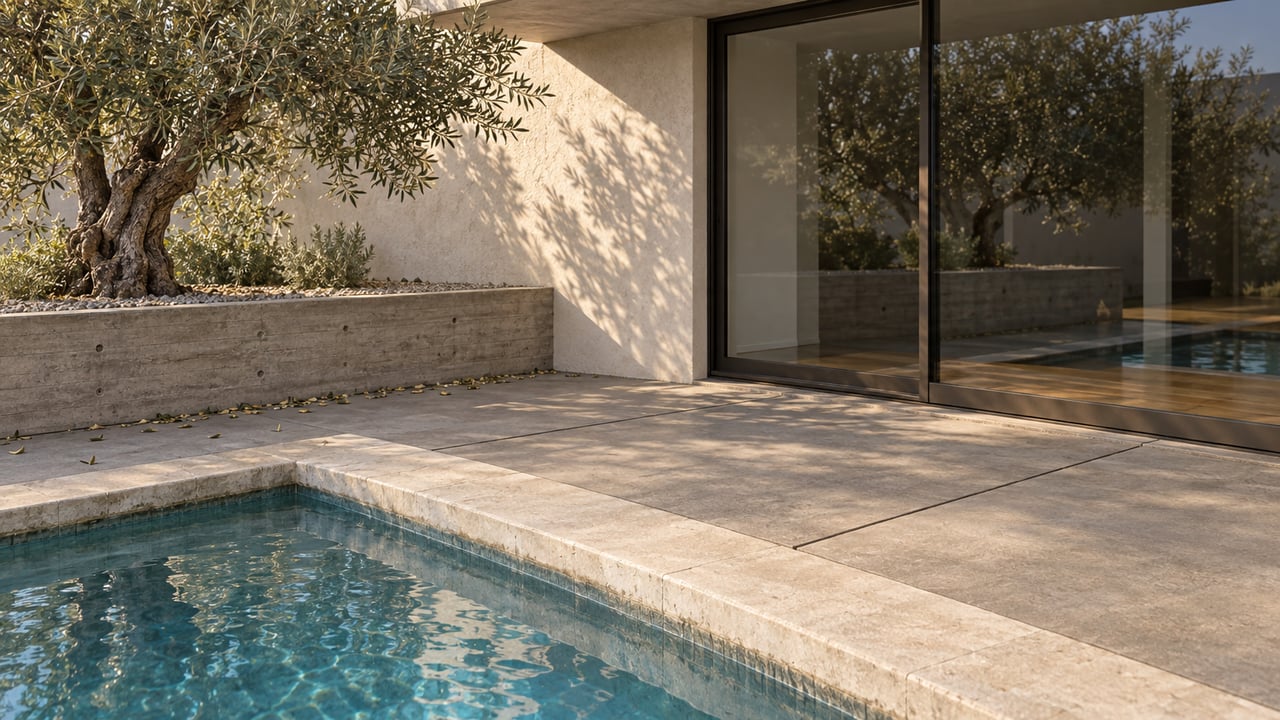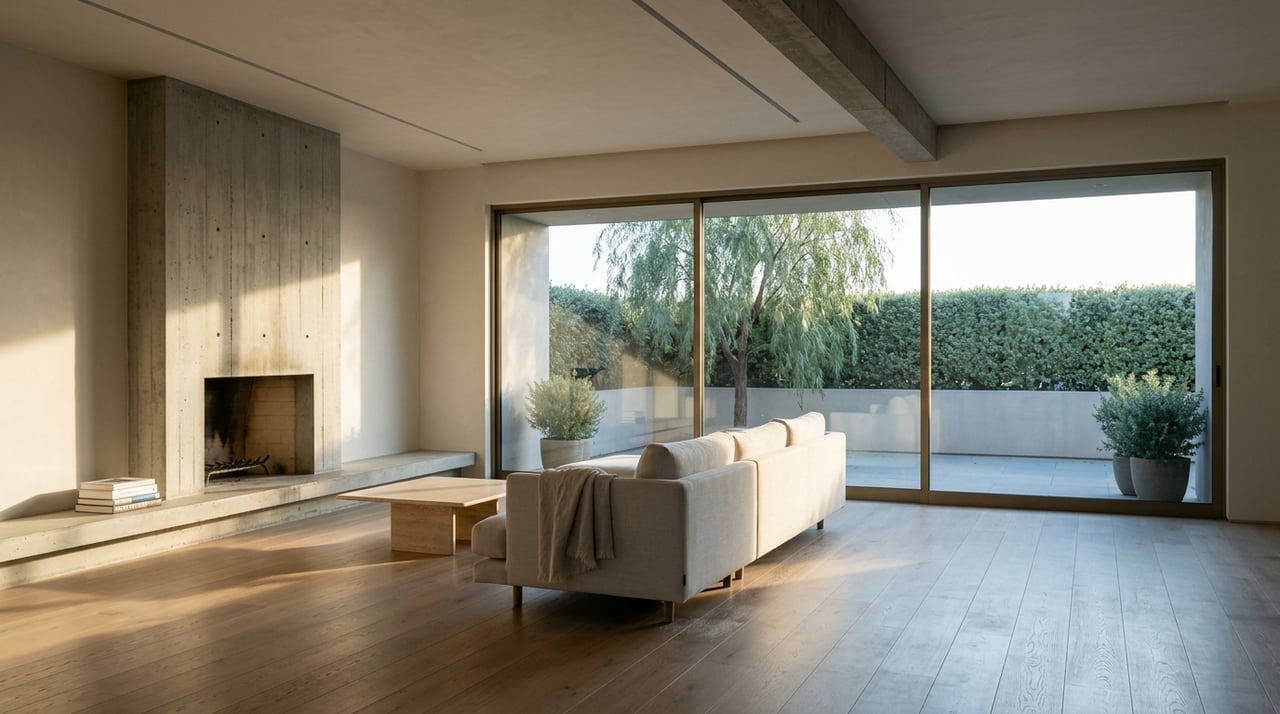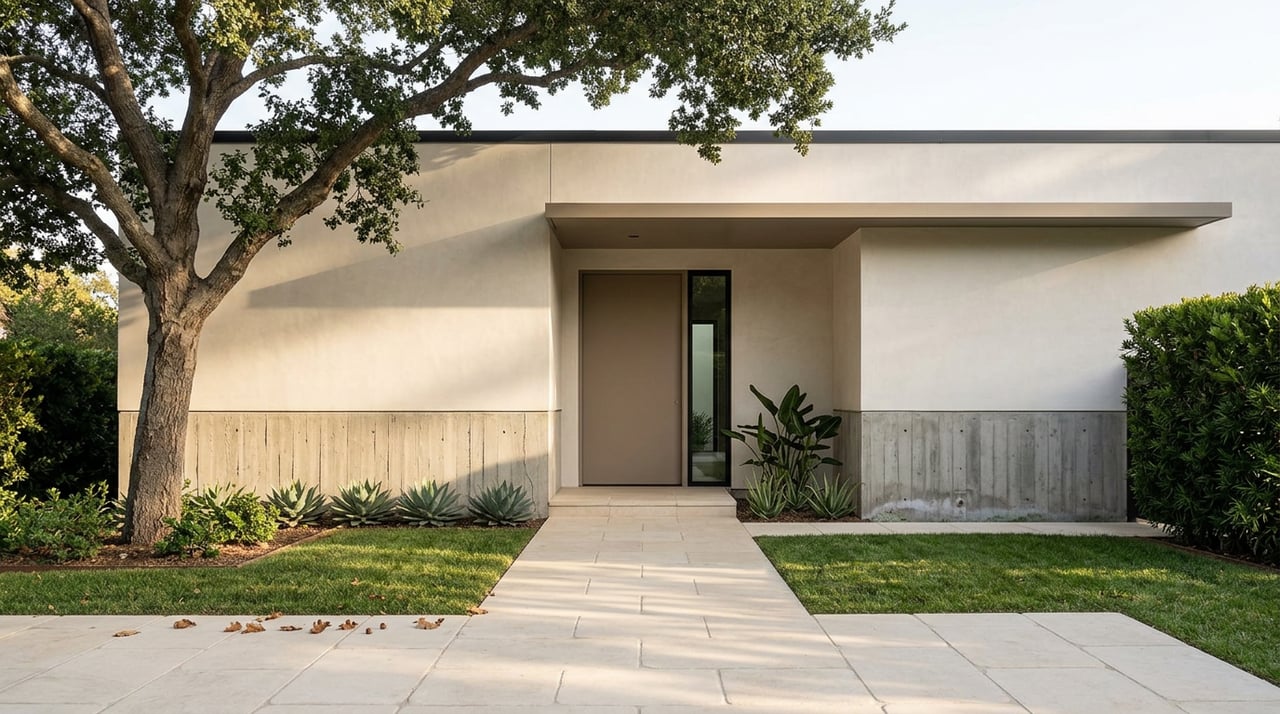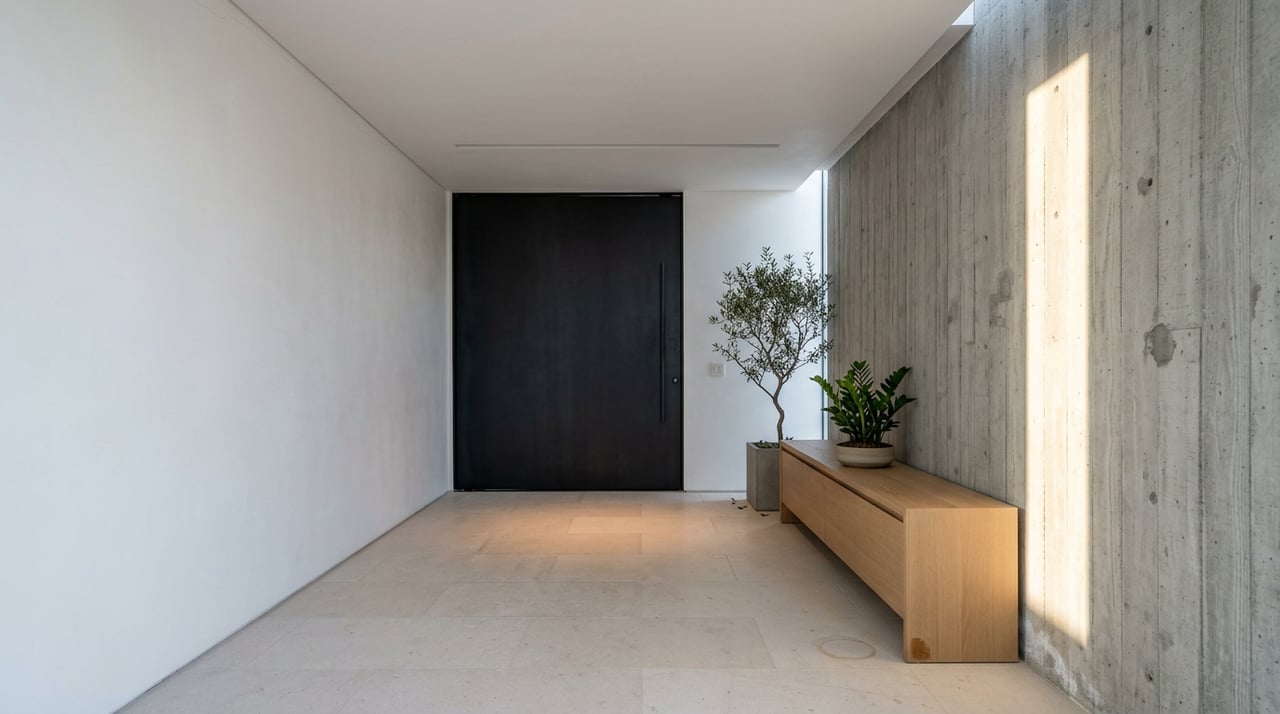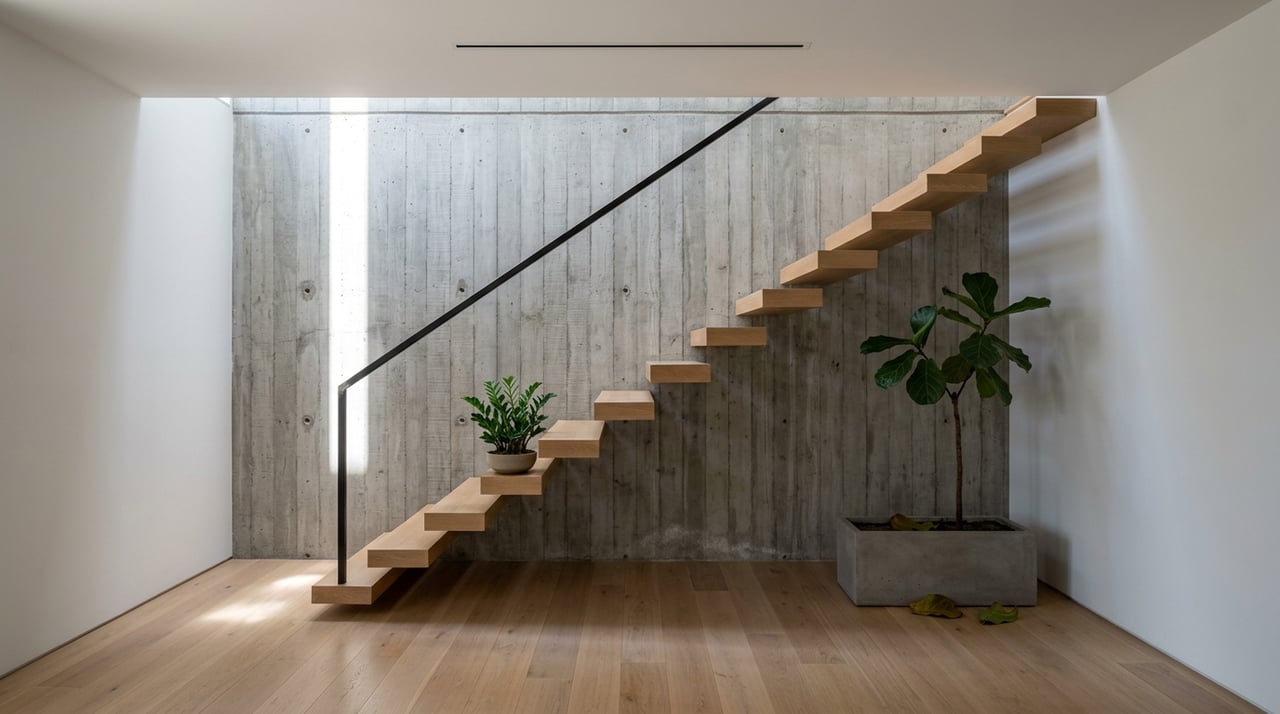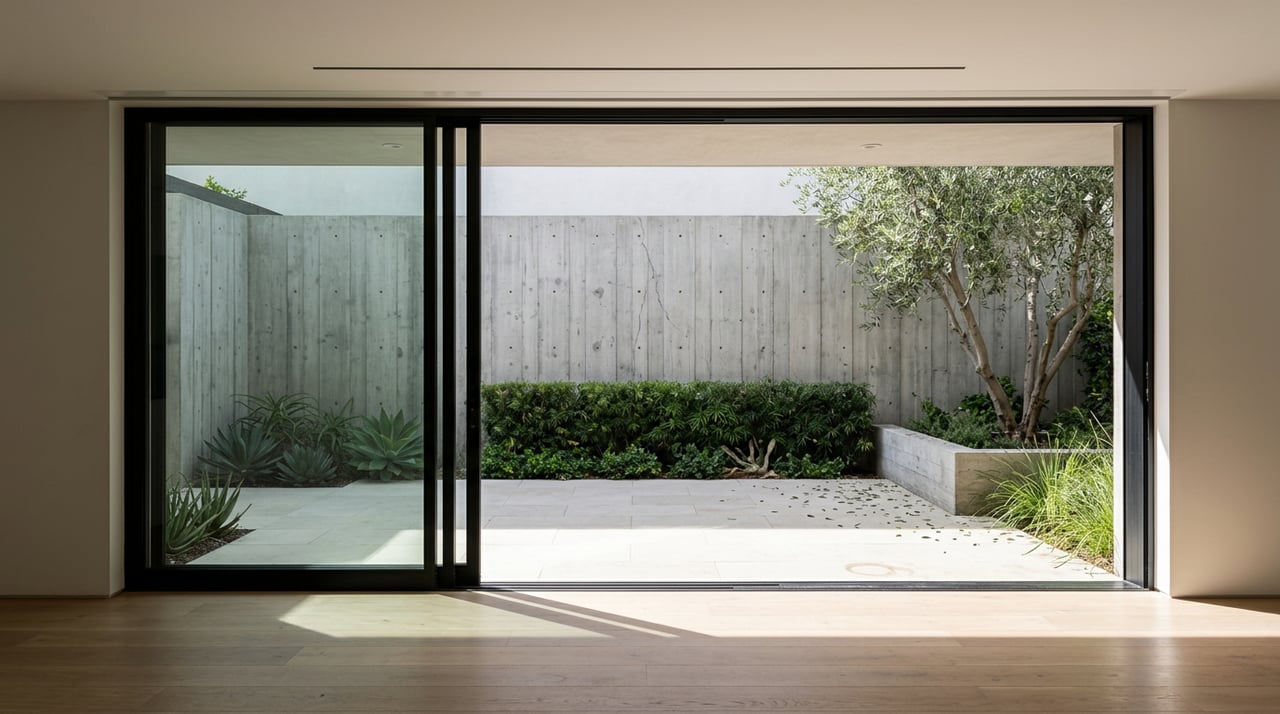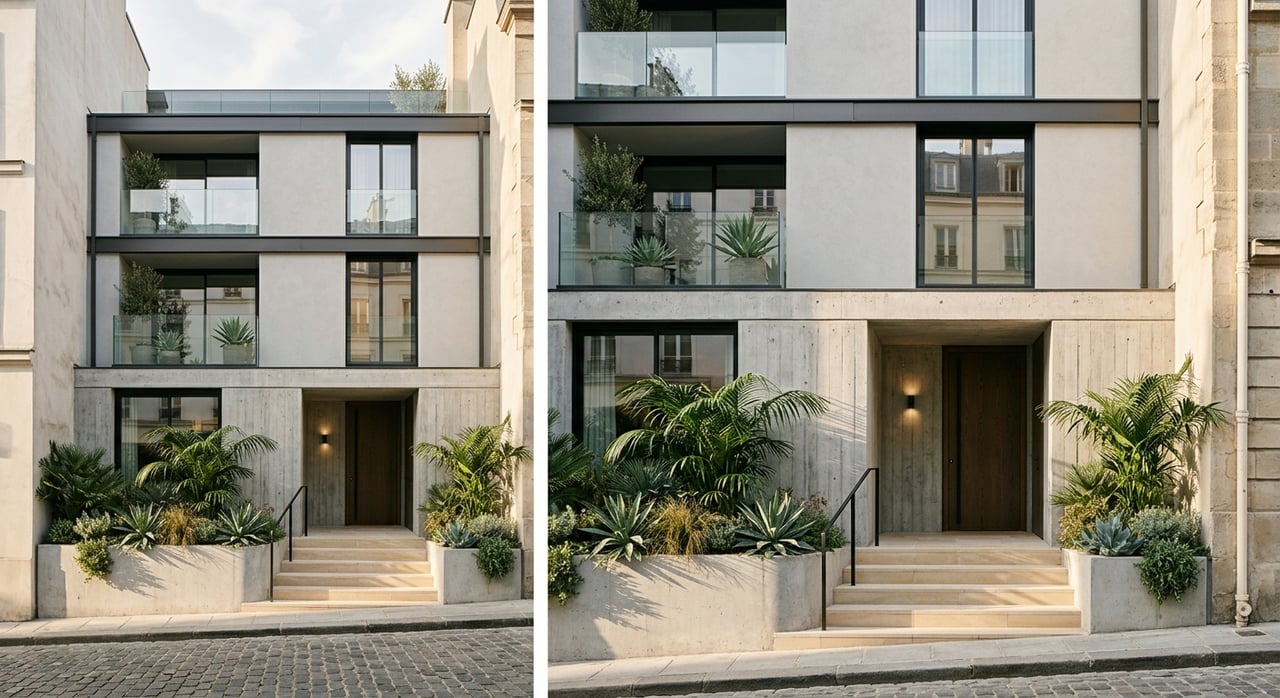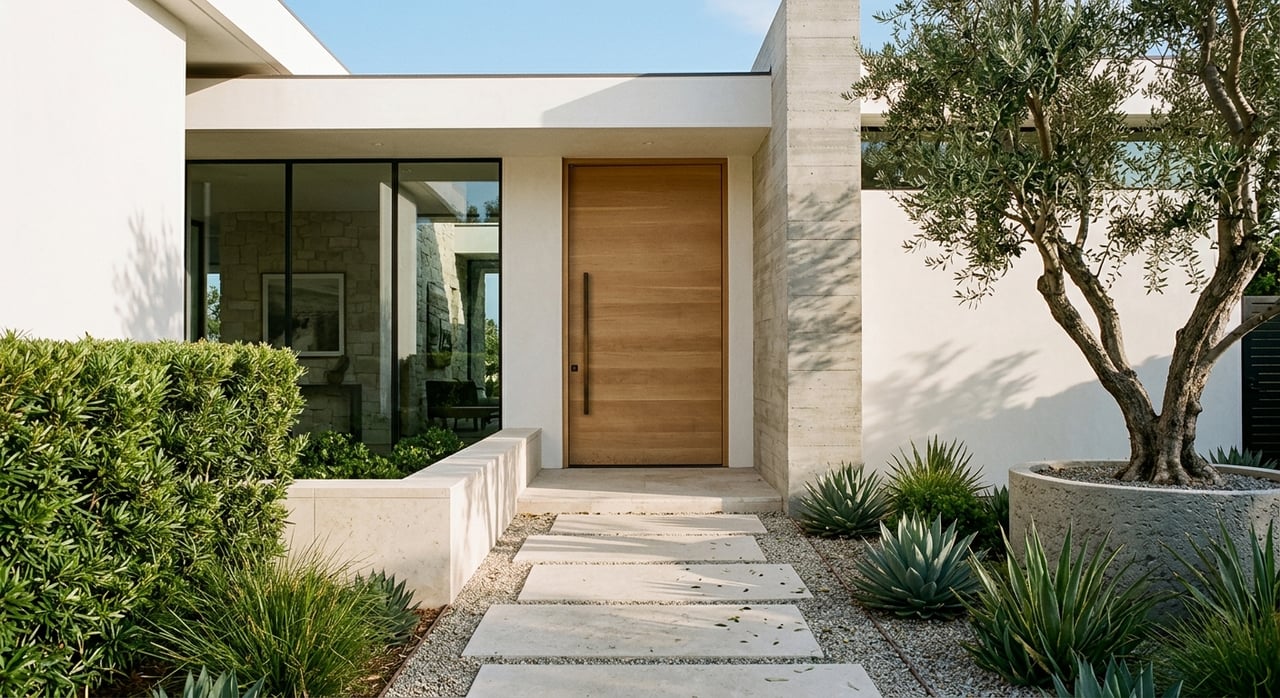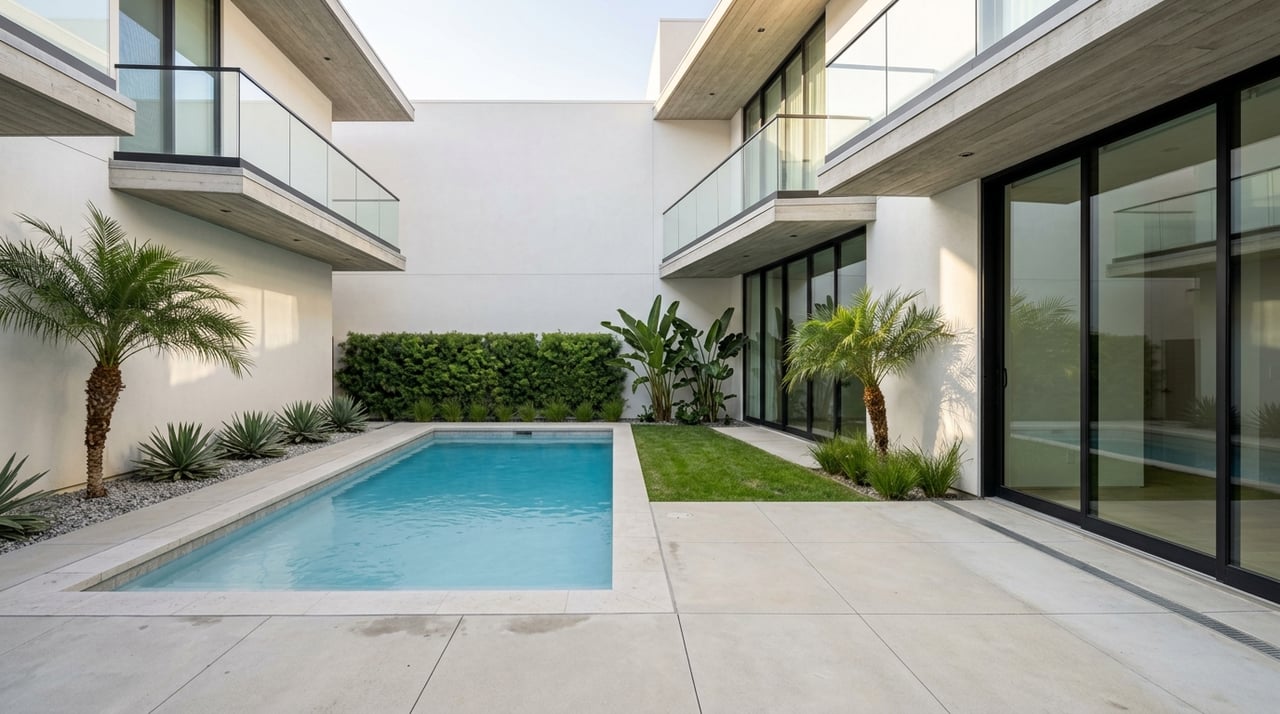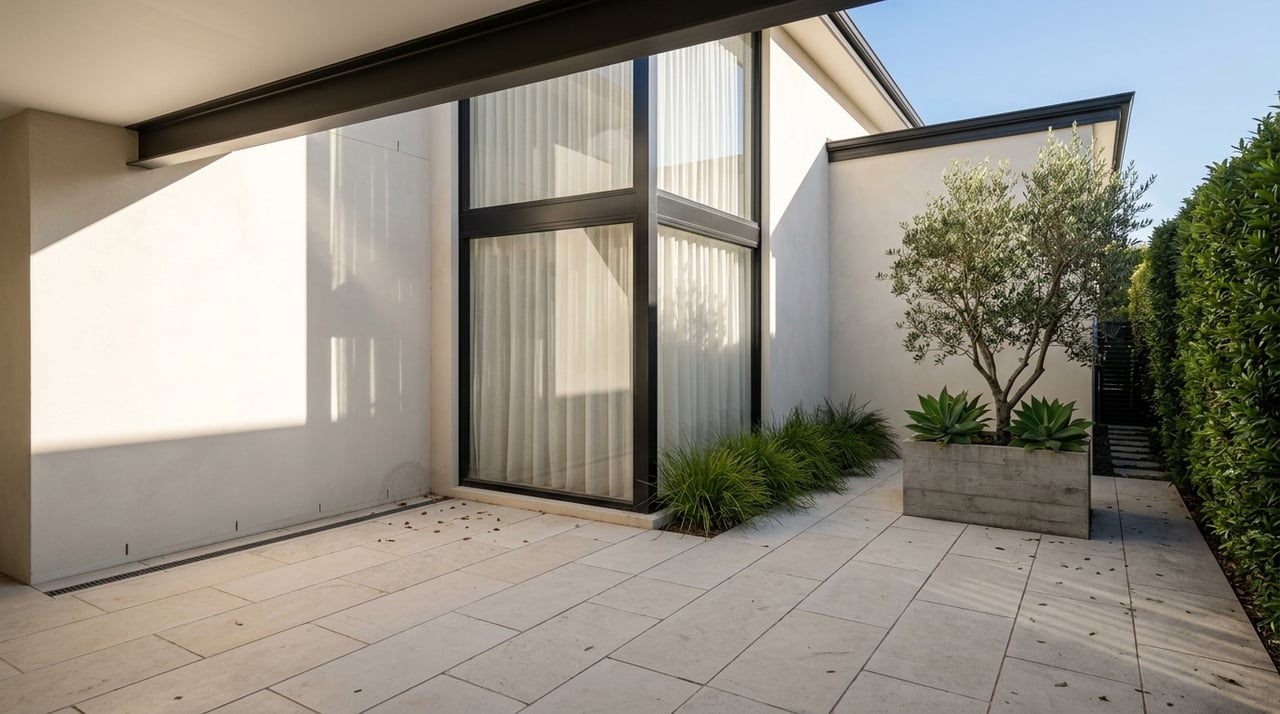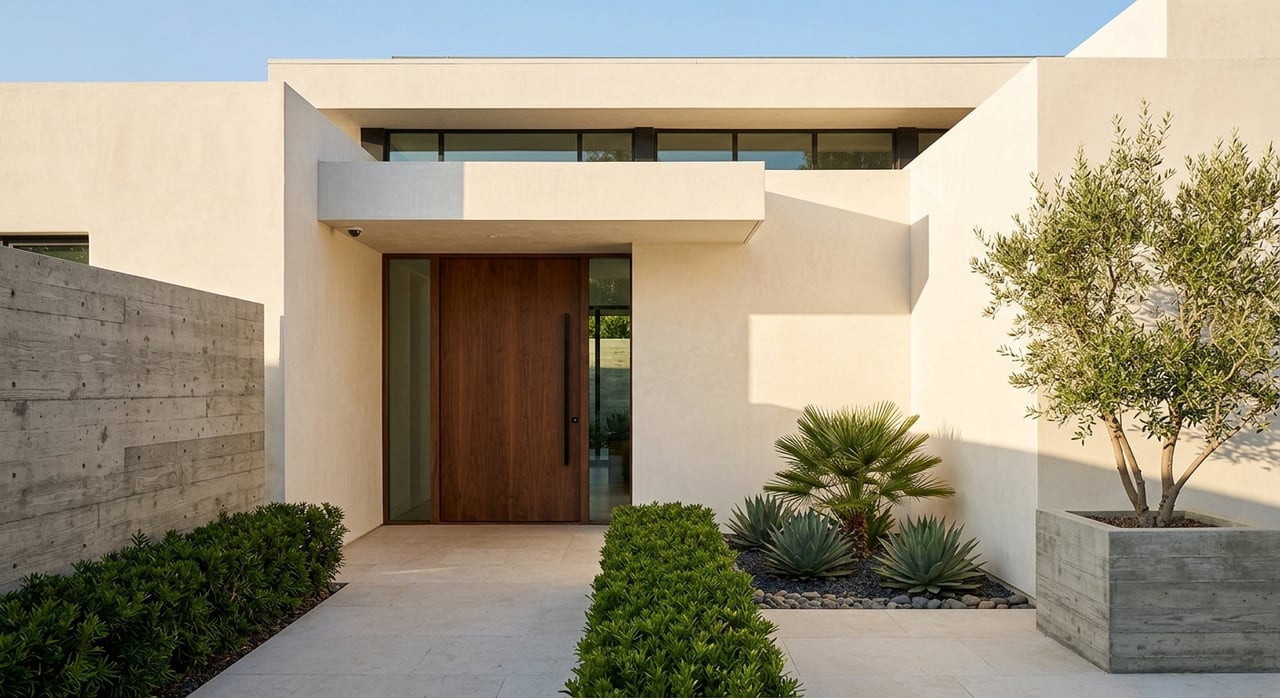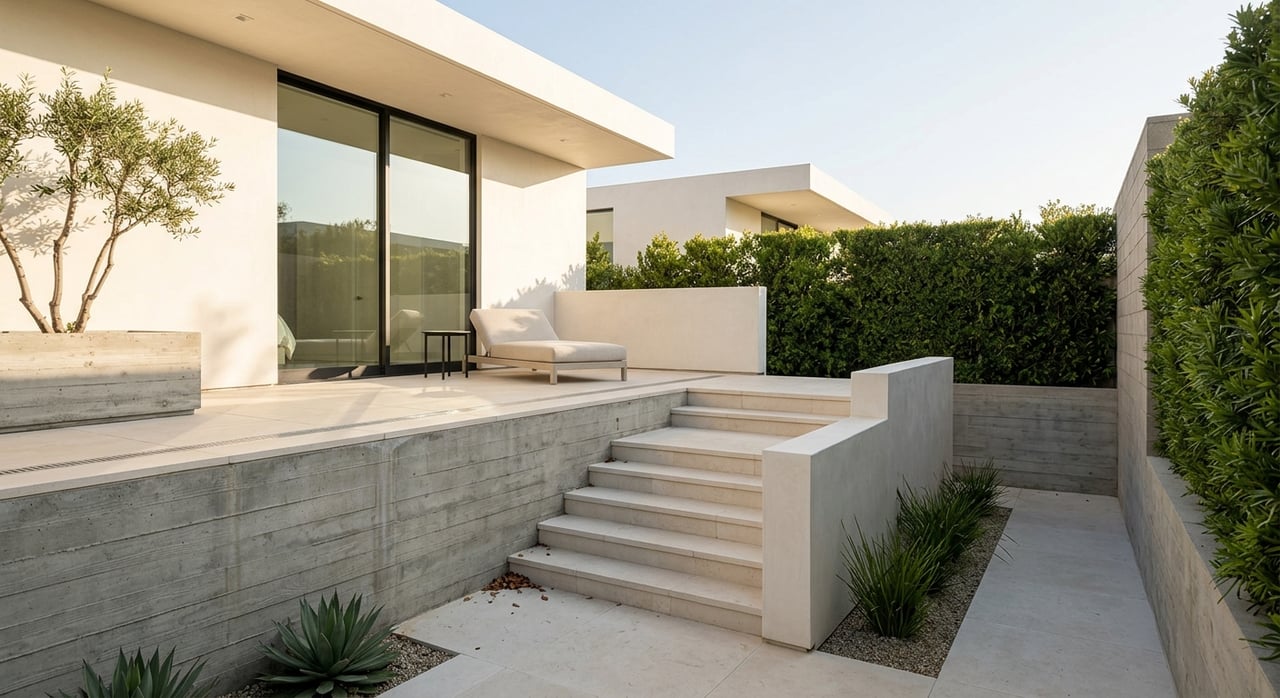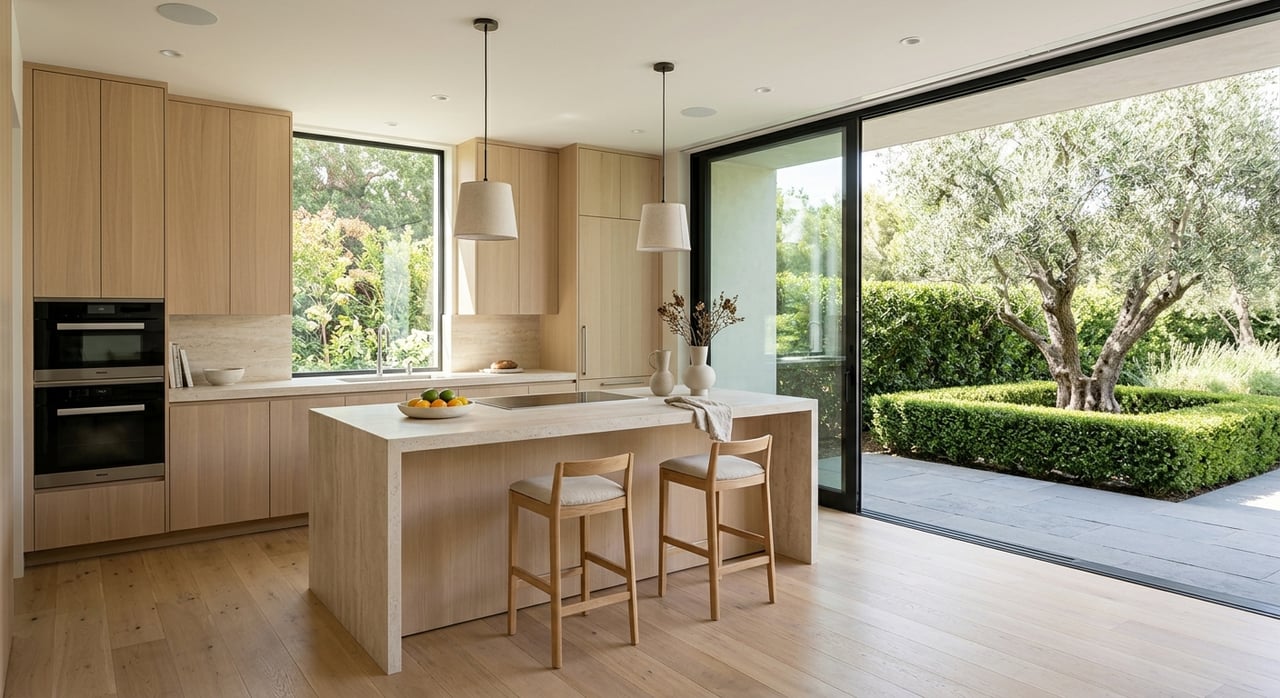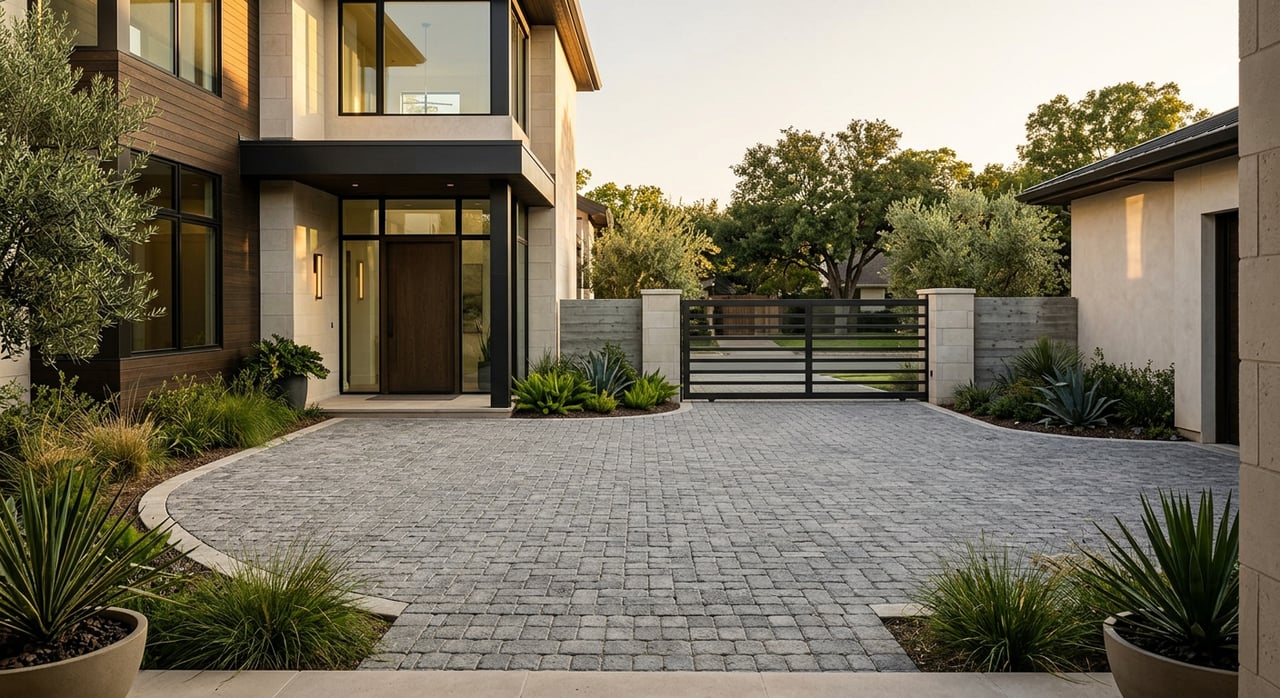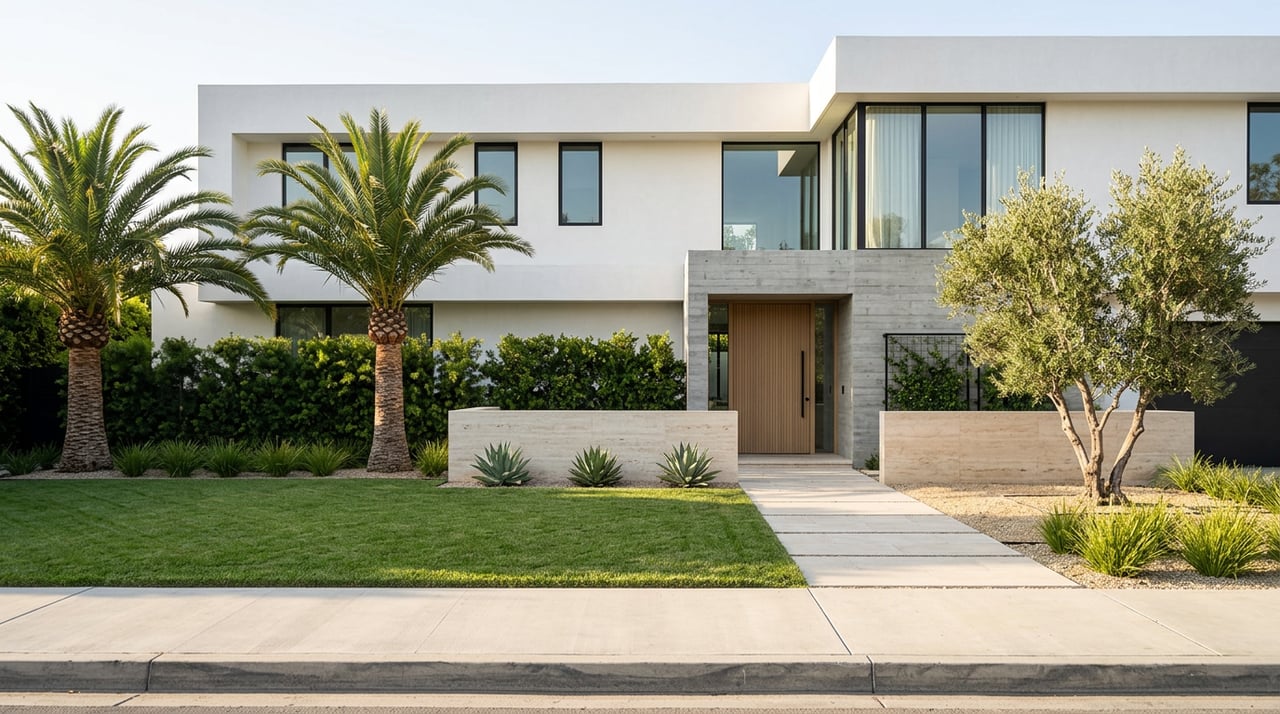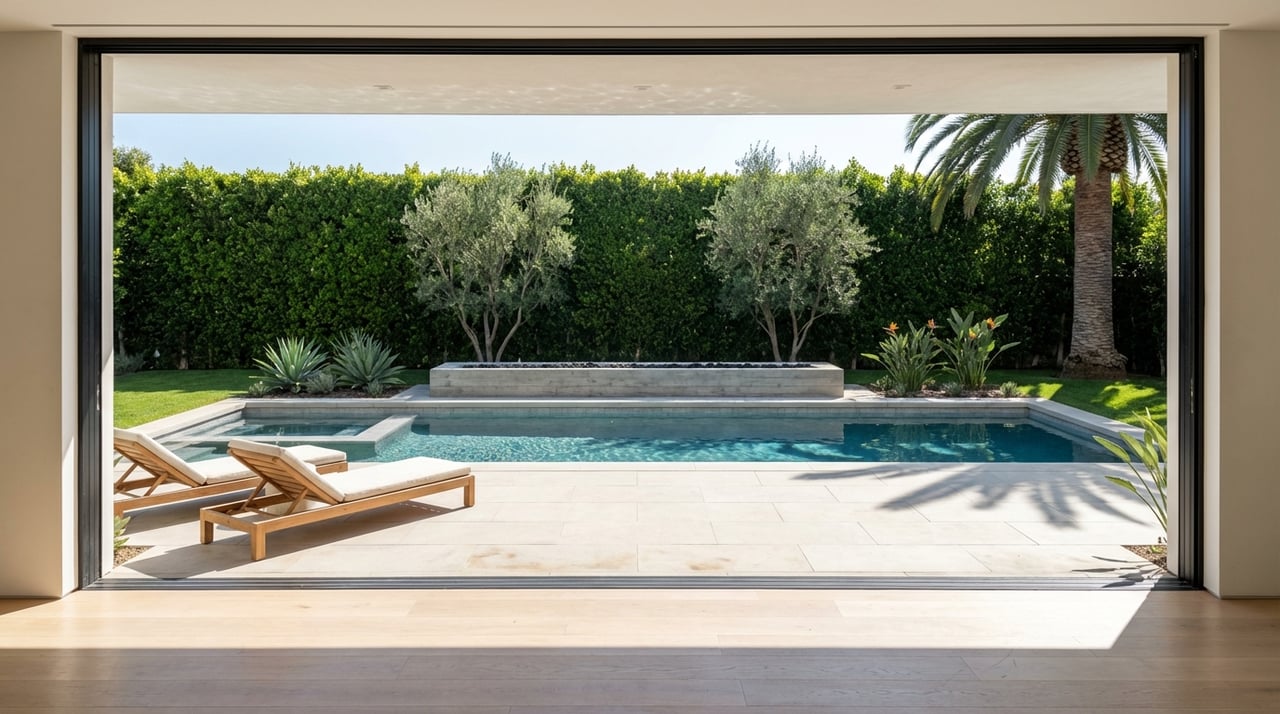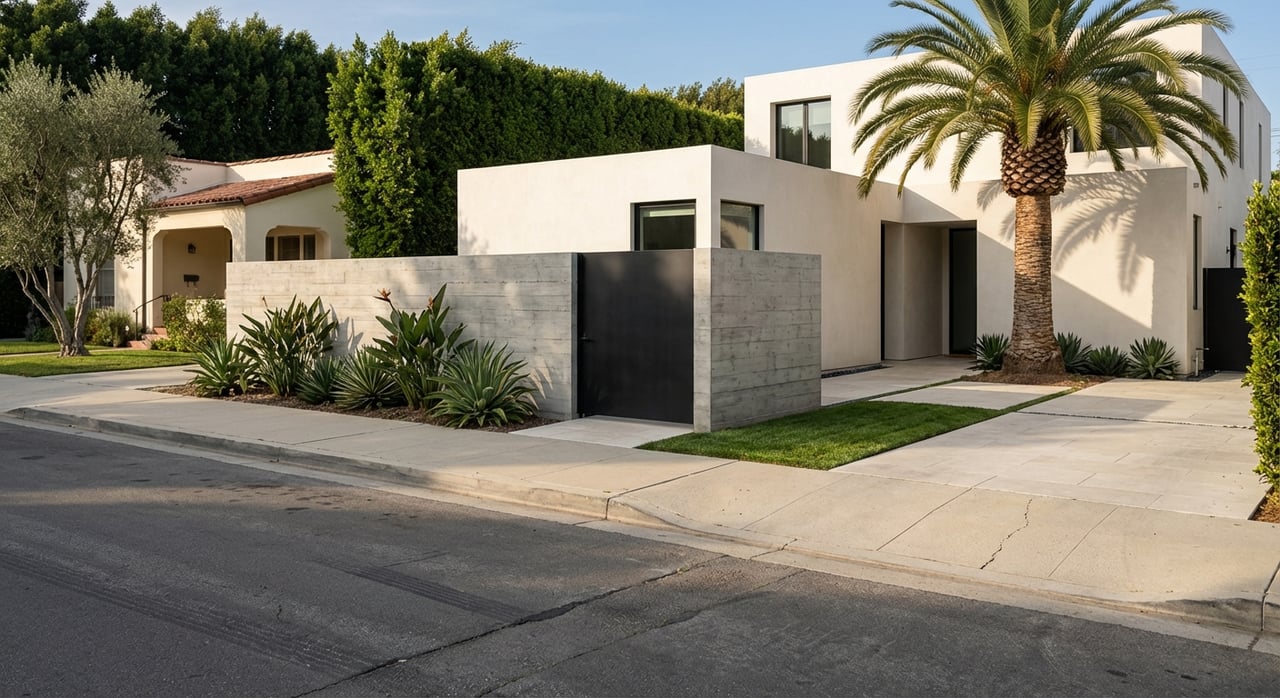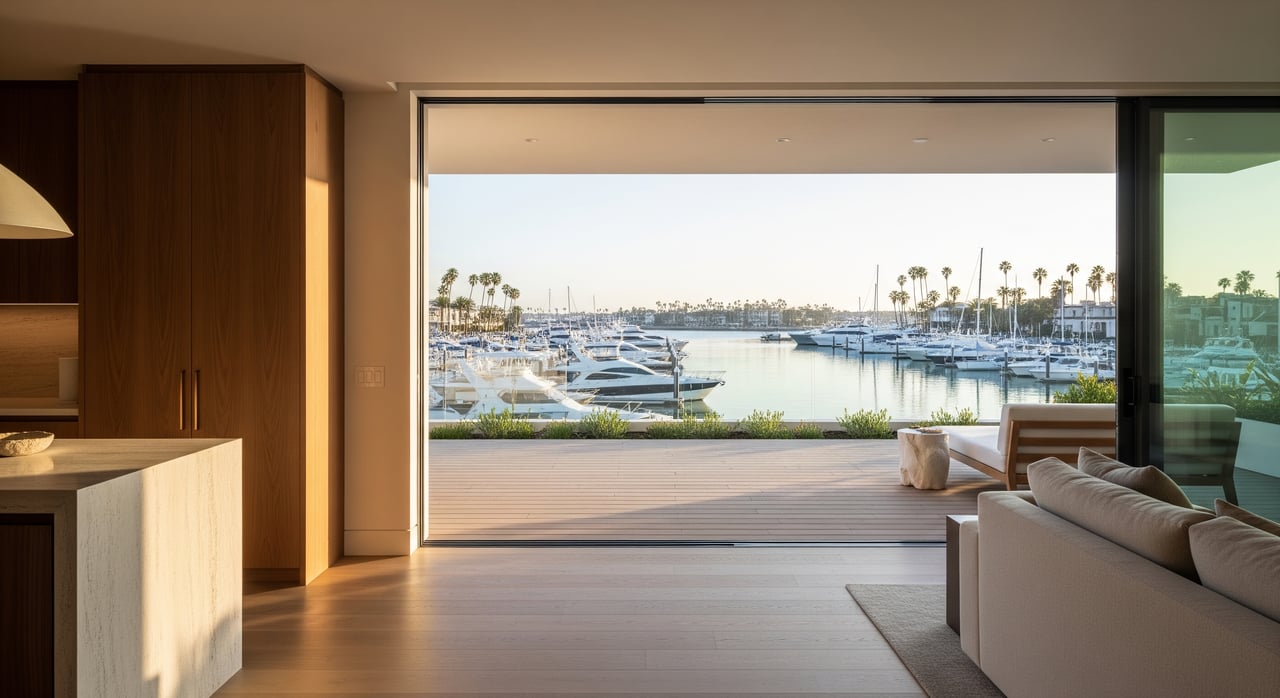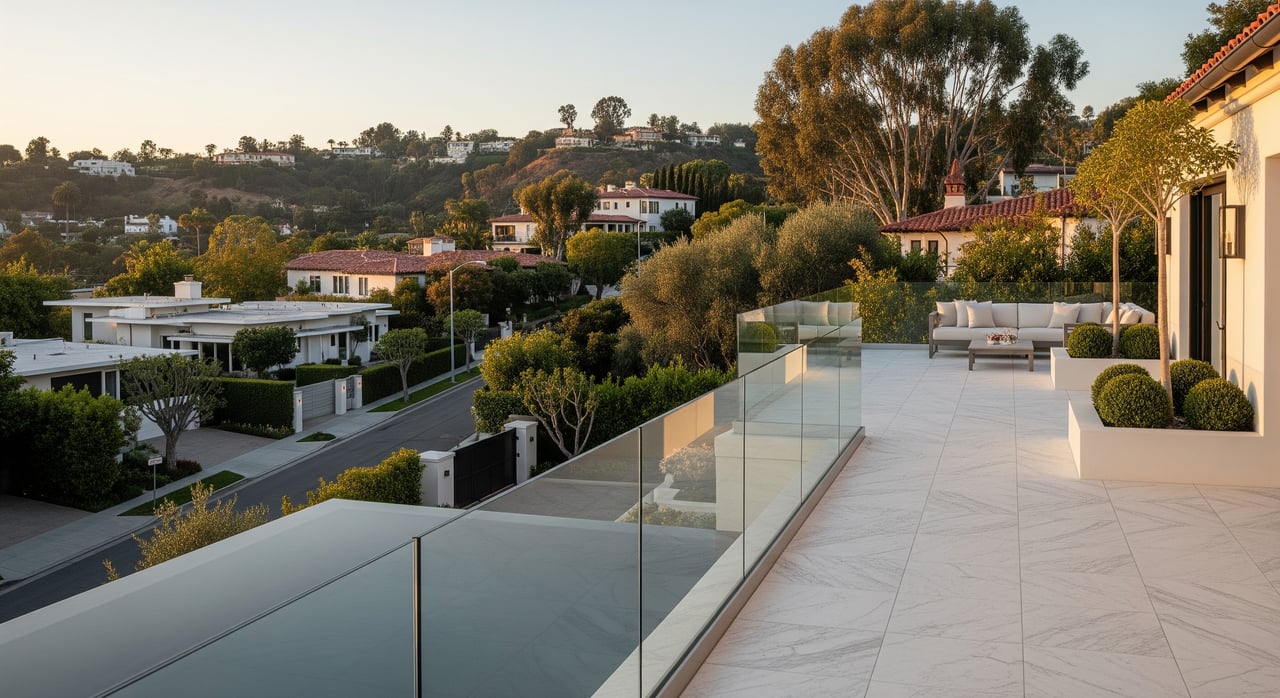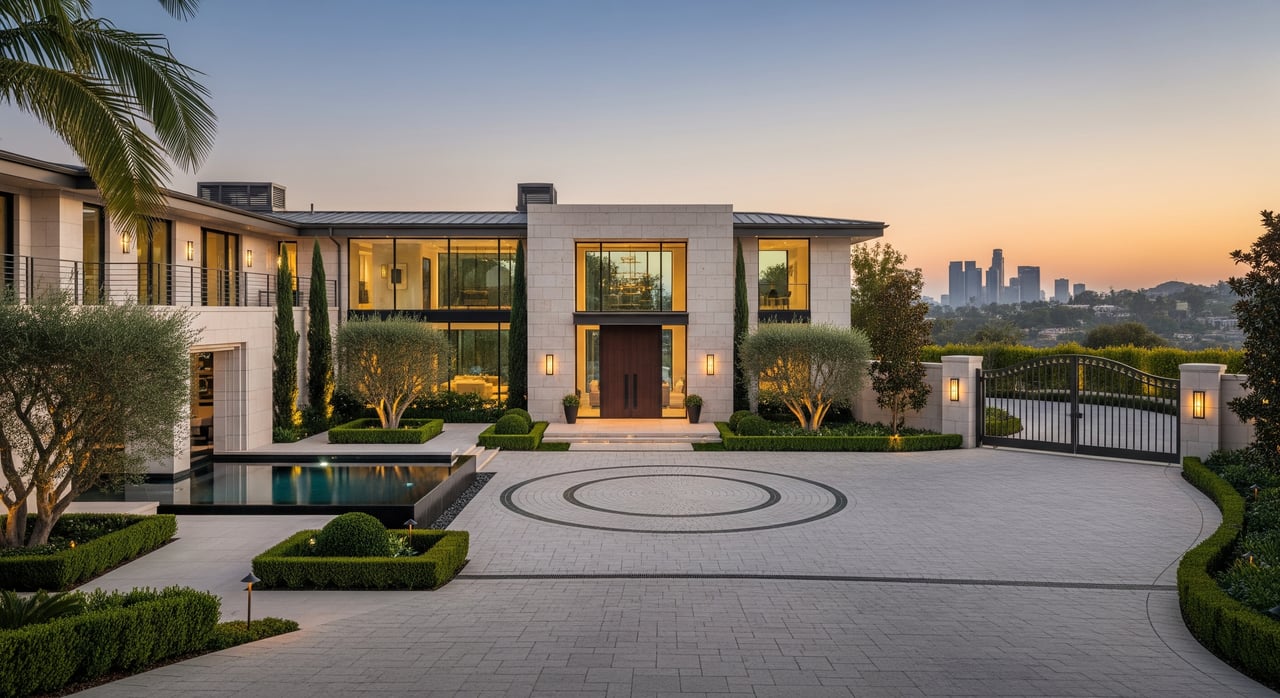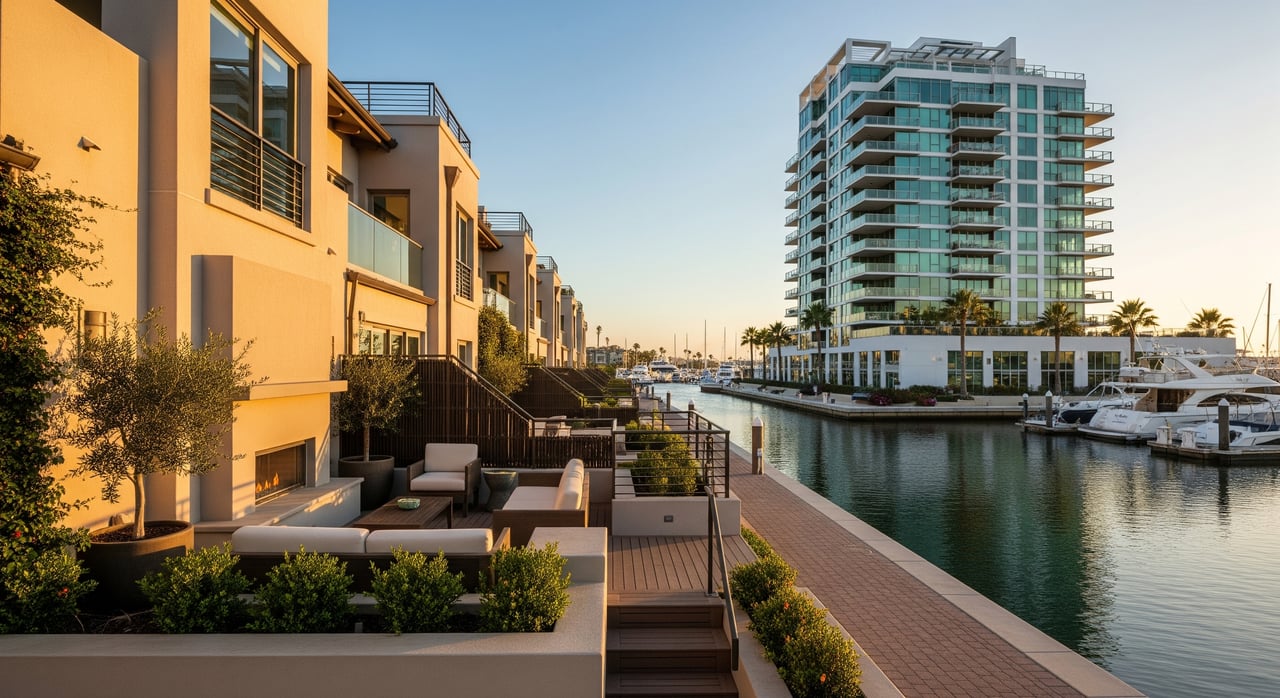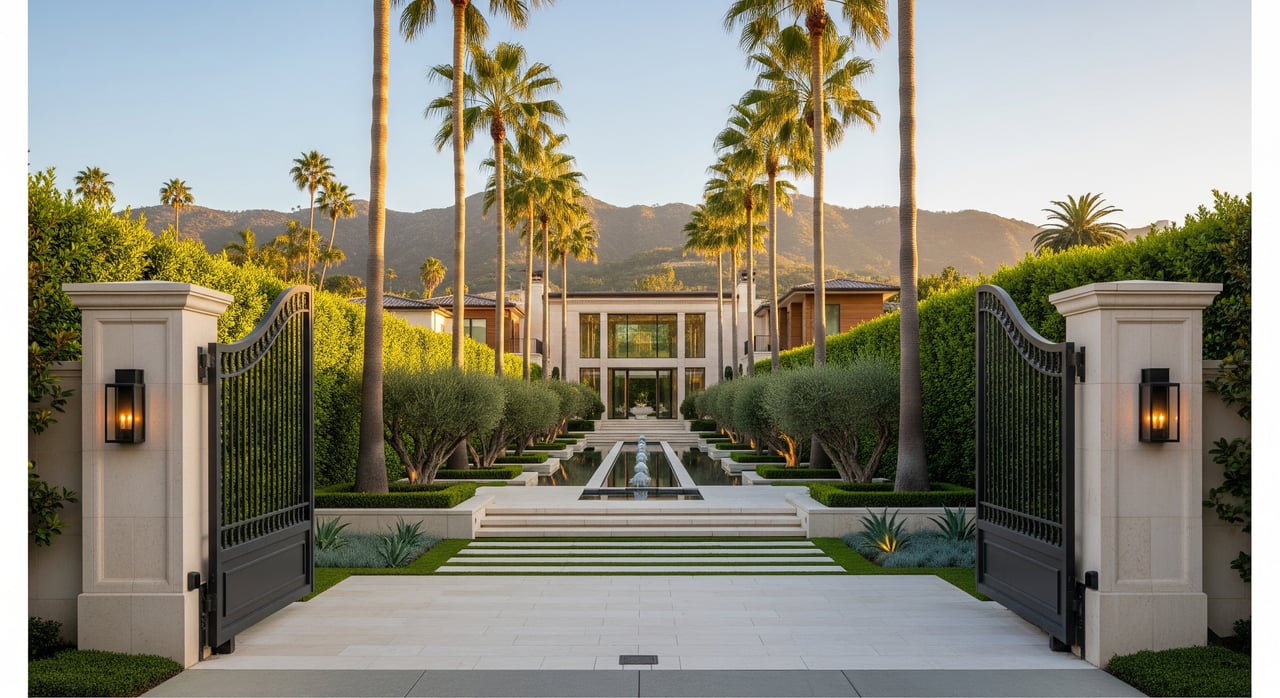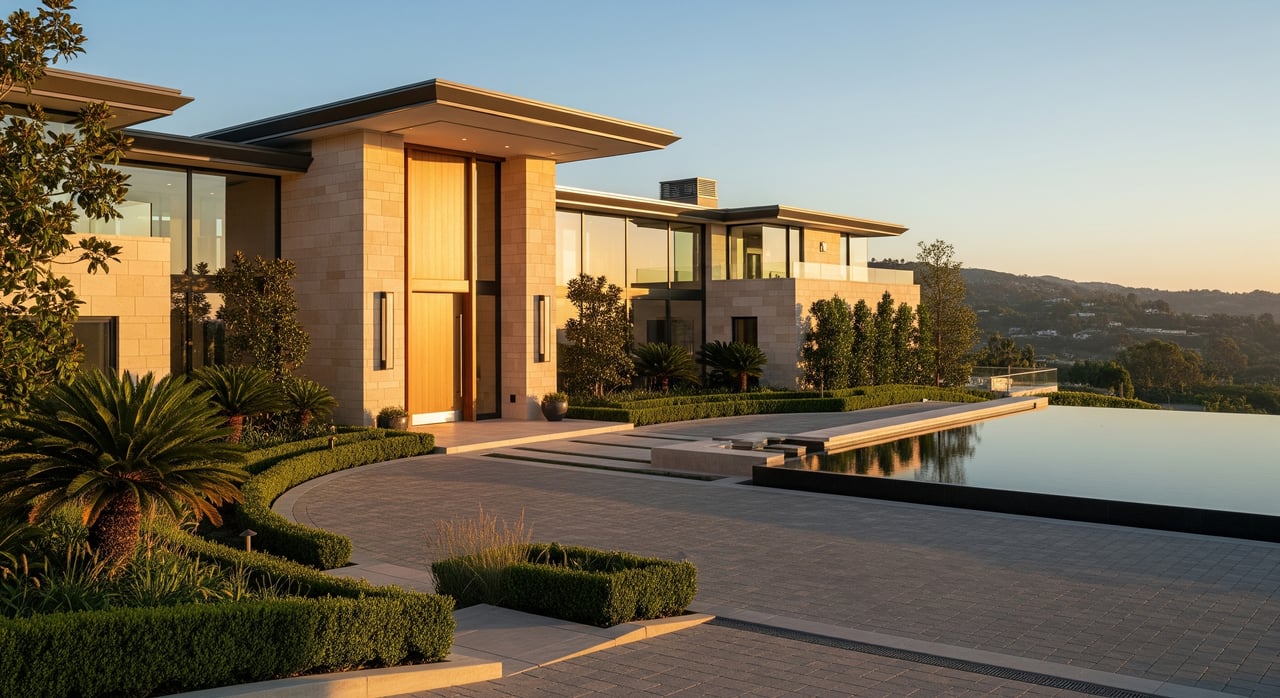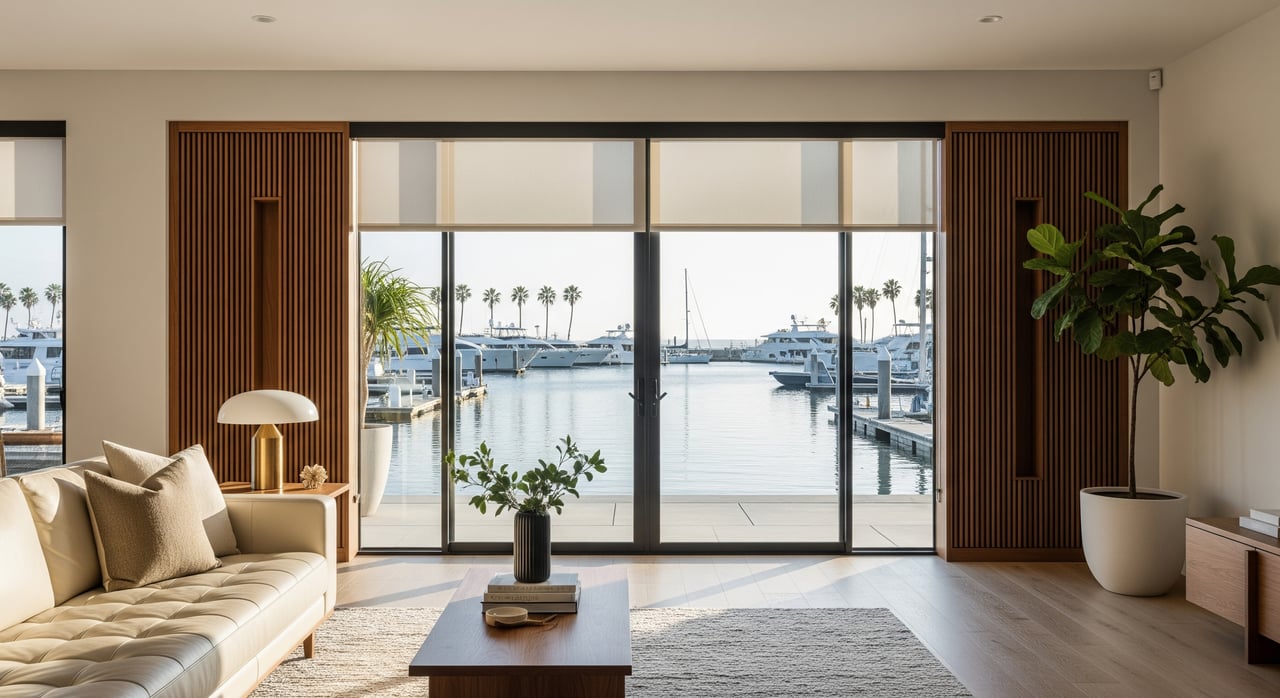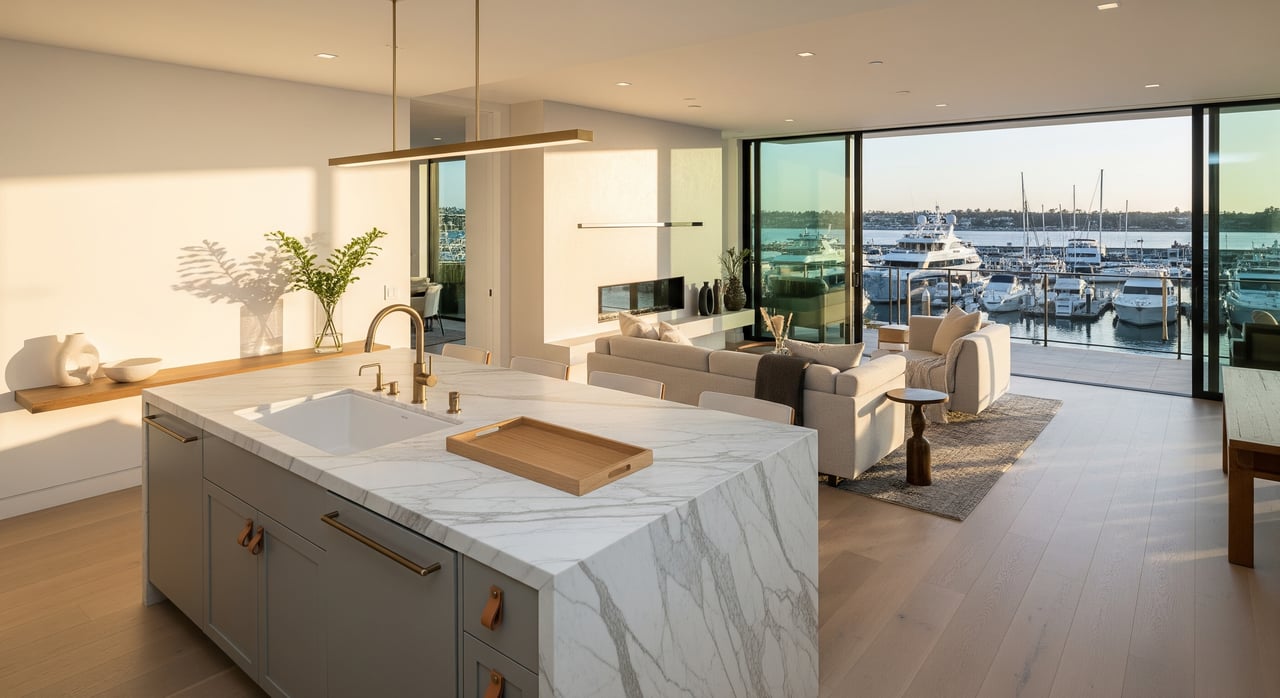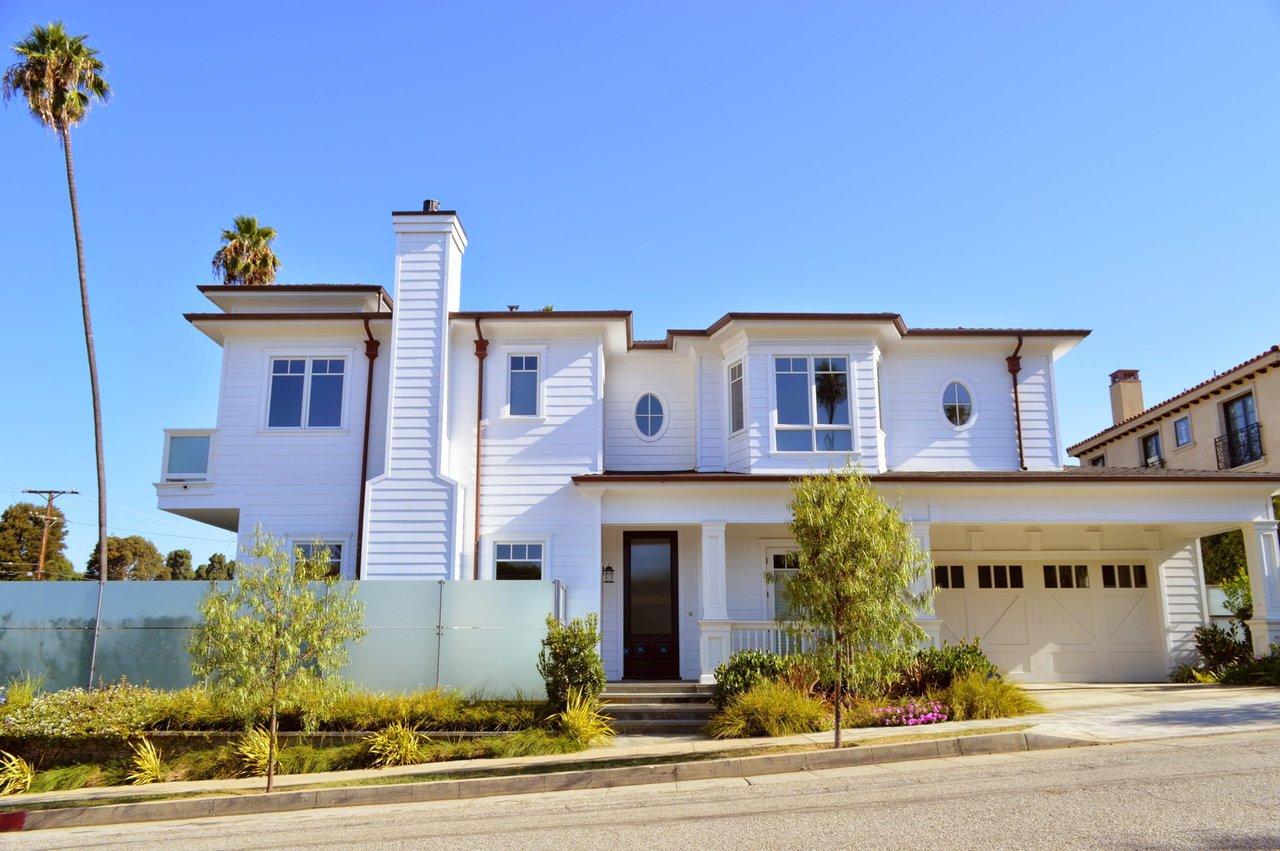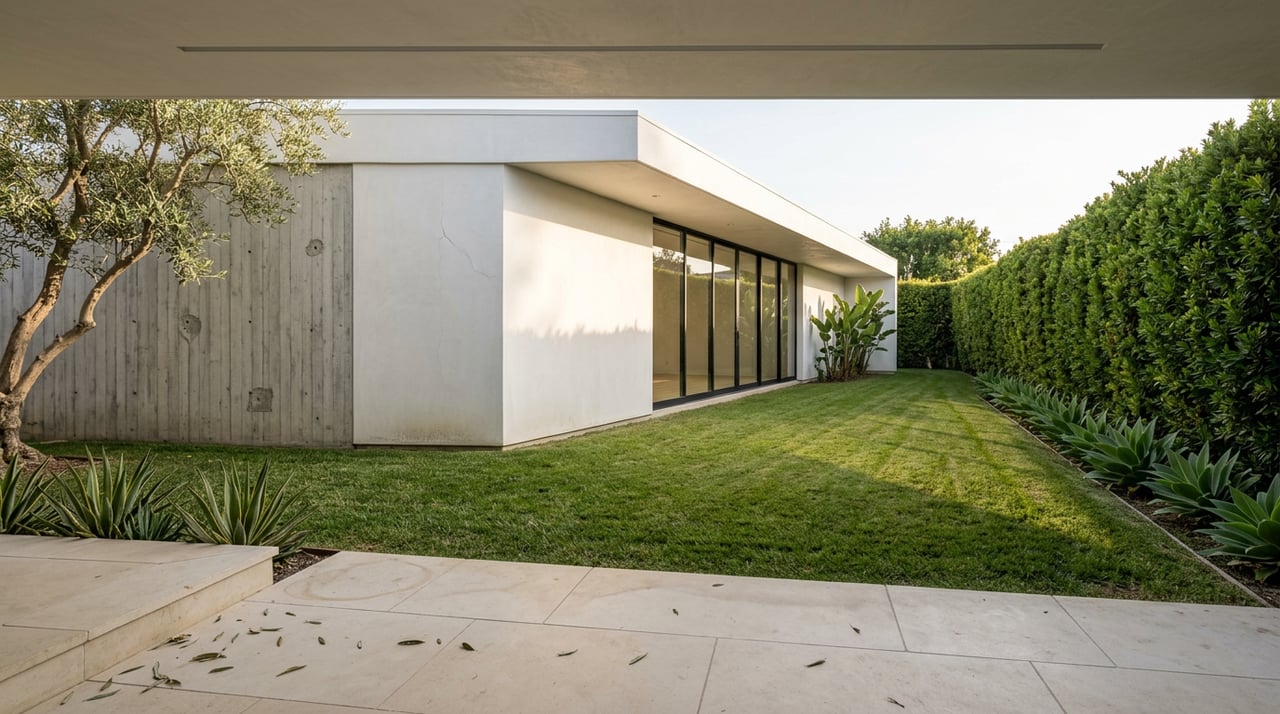
Picture two nearly identical estates north of Montana Avenue, closing in the same month. One sells for $7,900,000. The other sells for $8,100,000, a full $200,000 more. By the time both sellers finish paying the city of Santa Monica's transfer tax, the seller who accepted the lower offer walks away with more money.
That is not a rounding error. It is Measure GS, the city's own transfer tax on real estate sales of $8 million or more, and it behaves nothing like a normal tax bracket. Anyone pricing a Santa Monica property near that line, especially in the North of Montana submarket where trophy sales now regularly clear eight figures, needs to understand the mechanics before setting a number.
The Cliff, Not a Curve
Most taxes work on marginal brackets. Cross into a higher bracket and you pay the higher rate only on the dollars above the line. Measure GS does not work that way. Once a Santa Monica sale reaches $8,000,000, the city's transfer tax jumps to 5.6% of the entire purchase price, not just the amount over the threshold. Below that line, the rate is a fraction of that: 0.6% on sales between $5,000,000 and $7,999,999, and 0.3% on anything under $5,000,000.
Run the numbers on our two estates. At $7,900,000, the city's transfer tax comes to $47,400, calculated at the 0.6% mid-tier rate. At $8,100,000, that same tax jumps to $453,600, because now the full price is taxed at 5.6%. The seller who priced $200,000 higher pays $406,200 more in city transfer tax alone, and nets $206,200 less at closing than the seller who stayed under the line. Both figures sit on top of the standard Los Angeles County documentary transfer tax that applies to every California sale regardless of price, which adds a modest amount on either side of the threshold and does not change the outcome.
This is why agents working this price tier talk about pricing "at $7,995,000" rather than rounding to $8 million. The distance between those two numbers is five thousand dollars in list price and hundreds of thousands of dollars in what actually lands in the seller's account.
Why North of Montana Feels This First
Citywide, Santa Monica's median sale price sits well below the GS threshold, which is part of why this tax rarely comes up in general market commentary. But North of Montana is a different market inside the same city limits. As of early-to-mid 2026, single-family value in that neighborhood clusters around $4.8 million to just over $5 million, while local reporting describes the neighborhood's actual closed sales as commonly ranging from $4 million to $10 million or more, with one recent estate-level closing reaching $11,213,000.
That spread matters. A meaningful share of North of Montana's actual inventory, the deep-lot estates and architecturally significant homes that define the neighborhood's upper tier, sits close enough to $8 million that the GS cliff becomes a live pricing decision rather than a hypothetical one. A seller whose comparable sales suggest a value between roughly $7.6 million and $8.4 million is not just choosing a list price. They are choosing which side of a tax bracket they want to be on, and the wrong choice can cost more than a typical agent commission.
How Santa Monica Compares to Its Neighbor Up the Hill
Confusion often surfaces here because Los Angeles, right across the city line, has its own high-value transfer tax with a similar reputation but different math entirely.
| Santa Monica (Measure GS) | City of Los Angeles (Measure ULA) | |
|---|---|---|
| Threshold | $8,000,000 | $5,400,000 / $10,900,000 (current thresholds since July 1, 2026) |
| Rate once threshold is crossed | 5.6% flat on full price | 4% on $5.4M–$10.9M; 5.5% above $10.9M |
| Effective date | March 1, 2023 | April 1, 2023 |
| Basis | Gross sale price, all property types | Gross sale price, all property types |
Both cities tax the entire sale price once the threshold is crossed rather than a marginal amount, and both apply to residential, commercial, and multi-unit property. But the thresholds and rates do not translate between the two cities, and a property just inside Santa Monica's border faces entirely different math than one just inside Los Angeles. Sellers who split time between comparable Westside markets should confirm which municipality a specific parcel sits in before assuming either tax applies.
A Tax Built on a Shortfall
Measure GS passed with Santa Monica voters in November 2022 on the promise of roughly $50 million a year for homelessness prevention, affordable housing, and local schools. The reality has landed far short of that. According to reporting from Santa Monica Next, the tax generated about $17 million in its first year, with roughly $10 million of that reaching schools. That gap between projection and reality is the argument opponents have used ever since to push for changes.
The city has already turned back one direct legal challenge. The California Business Roundtable sued, arguing the measure violated the state's single-subject rule by bundling schools funding together with housing and homelessness funding under one tax. Los Angeles Superior Court Judge H. Jay Ford III ruled for the city, finding that both programs were reasonably connected to addressing Santa Monica's rent-burden problem. Measure GS survived that fight intact.
Two Former Mayors, One Unfinished Fight
The more interesting battle has played out between two people who each held the city's top office. Sue Himmelrich, mayor when GS passed, remains its most vocal defender. Pam O'Connor, a former mayor herself, filed a competing initiative in March 2024 that would carve multifamily housing sales out of the tax entirely, arguing GS has made new apartment development financially unworkable in the city.
O'Connor's campaign submitted roughly 4,156 signatures, but the City Clerk maintains that qualifying a measure requires signatures equal to 10% of the city's registered voters, close to 6,900 based on Santa Monica's voter rolls. O'Connor's team argues a lower threshold should apply because their measure reduces a tax rather than raising one. As of the most recent reporting available, that dispute has not been resolved, and no multifamily exemption has been enacted. Whether it eventually reaches the ballot remains an open question, but the fact that two former mayors are fighting over the same tax says something about how unsettled this measure still is, more than three years after it took effect.
The Bigger Threat Arrives in November
The fight that should matter most to anyone pricing a Santa Monica sale this year is not local. A statewide ballot initiative, the Taxpayer Protection and Government Accountability Act, is aimed at the November 2026 ballot and would require future special local taxes to clear a two-thirds voter majority. Measure GS passed with roughly 53% support, a simple majority. If the statewide measure qualifies and California voters approve it this November, it could retroactively invalidate special taxes that were adopted the way GS was adopted, potentially eliminating it outright.
Nobody currently selling a Santa Monica property near the $8 million line can know how this resolves before the election happens. What is knowable is the timeline: the vote is under three months from today, which means anyone weighing whether to list this year is effectively deciding whether to transact under a tax that could look very different, or vanish, before next spring.
What This Means If You're Listing This Year
None of this is legal or tax advice, and anyone approaching the $8 million line should loop in a CPA and a real estate attorney who can speak to their specific transaction. But from a pricing and timing standpoint, a few things are worth sitting with before a listing goes live.
First, treat $8 million as a hard line, not a target. If your comparable sales put a property anywhere near that threshold, the conversation about where exactly to list should happen before the sign goes in the yard, not after an offer arrives.
Second, do not assume the tax's current form is permanent, and do not assume it is temporary either. Measure GS has survived one lawsuit and one competing signature drive already. The statewide measure this November is a different kind of threat, and its outcome will not be clear until after the election.
Third, remember that Santa Monica and Los Angeles tax the same kind of sale very differently right next door to each other. A pricing strategy built around one city's threshold will not transfer to the other.
FAQ
Does Measure GS apply to condos and multi-unit buildings, not just single-family homes? Yes. The tax applies to all real property transfers within Santa Monica city limits at or above $8 million, including residential, commercial, and multi-unit properties.
Is there any way to split a sale into two transactions to stay under the threshold? The city aggregates related transactions and scrutinizes attempts to structure a sale to avoid the tax. Anyone considering this should consult a land-use attorney before assuming it works.
What happens to Measure GS if the statewide ballot measure passes this November? That outcome is genuinely uncertain. The measure could retroactively affect simple-majority special taxes like GS, but the specifics of implementation would likely follow the election rather than being resolved on election night.
Does the county transfer tax apply on top of Measure GS? Yes. The standard Los Angeles County documentary transfer tax applies to every sale in the county regardless of price, and it sits on top of whichever Santa Monica city tier applies.
Pricing a property near an eight-figure threshold in a market this specific is not a spreadsheet exercise. It is a conversation with someone who tracks these numbers block by block and understands how Santa Monica's tax structure, political fights, and North of Montana's actual closed sales fit together. If you are weighing a sale near this line, Gina Martino can walk through the timing and pricing questions specific to your property, and can share access to off-market opportunities in the same submarket for buyers watching from the other side of the transaction.